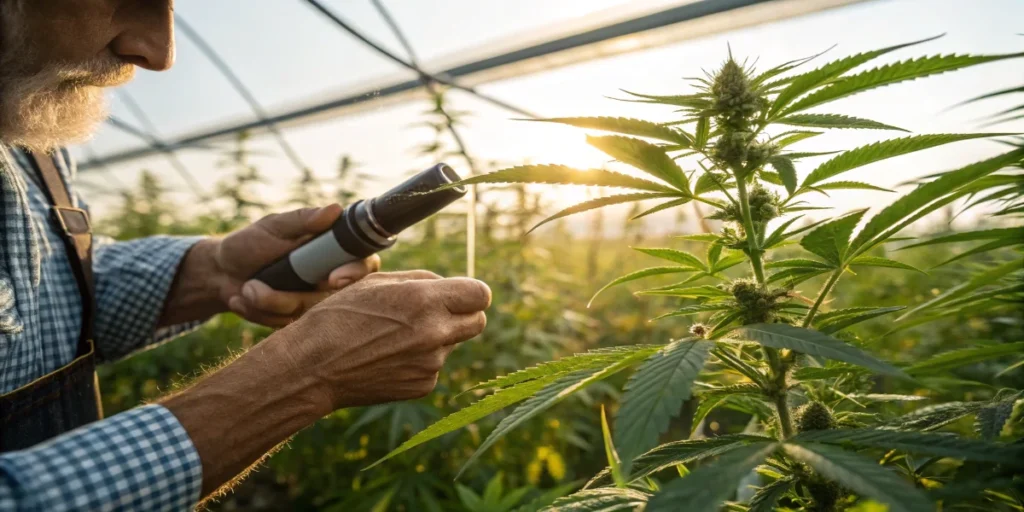

Quick answer: A refractometer measures Brix, the concentration of soluble solids in plant sap. In cannabis it is useful for tracking trends when you sample consistently, but a single reading does not prove plant health, pest resistance, yield or potency. Treat Brix as one data point alongside root-zone readings, environmental data and, when it matters, lab testing.
A refractometer measures Brix, originally used in winemaking and brewing to gauge soluble solids. On cannabis sap it is a quick, inexpensive reading, but it is one indicator, not a verdict on the whole plant.
Recommended Strains
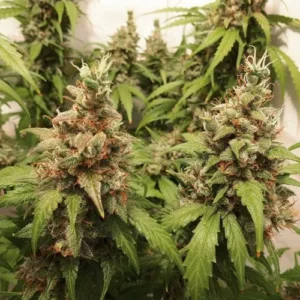
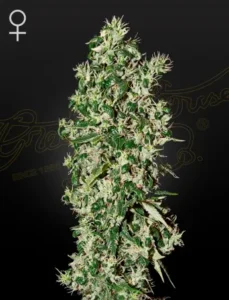
Auto Critical Orange Punch

|
Type | Autoflowering |

|
THC | 15% - 20% (Medium) |

|
Lineage | Orange Punch X Auto Kritical Bilbo |

|
Phenotype | 50% Indica / 50% Sativa |

|
Effects | Giggly, Happy |

|
Flavors | Sweet, Hashish |

|
Life Cycle | 10 - 12 weeks |

|
Yield | Medium |

|
Yield Indoor | 1.47 oz/ft² | 450 g/m² |

|
Yield Outdoor | 3.53 oz/plant | 100 g/plant |

|
Height | 3.28 ft | 1 m |
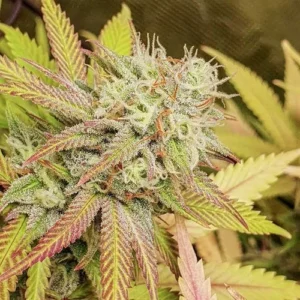
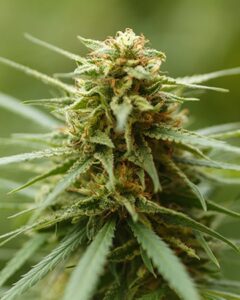
Critical Orange Punch
|
|
Type | Feminized |
|
|
THC | 15% - 20% (Medium) |
|
|
Lineage | Critical X (Grandaddy Purps X Orange Bud) |
|
|
Phenotype | 50% Indica / 50% Sativa |
|
|
Effects | Euphoric, Happy |
|
|
Flavors | Citrus, Skunk, Hashish |
|
|
Flowering Time | 8 - 9 weeks |
|
|
Yield | High |
|
|
Yield Indoor | 1.97 oz/ft² | 600 g/m² |
|
|
Yield Outdoor | 24.69 oz/plant | 700 g/plant |
|
|
Height | 4.92 ft | 1.5 m |
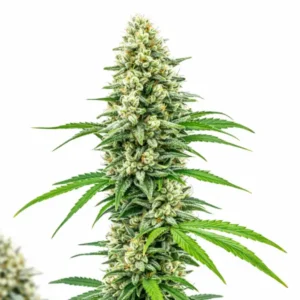
Cultivars such as Critical Orange Punch Auto, Critical Orange Punch and Big Tooth are useful examples, though there is no documented Growlantis trial proving a Brix routine raised their quality, so this guide keeps to what the measurement can genuinely show.
What a refractometer actually measures
A refractometer measures the refractive index of sap and reports it as Brix, an estimate of soluble solids. That value reflects more than sugar, and it is affected by the plant’s water content as well as its carbohydrates.
A higher Brix reading is sometimes described as proof of a healthy, pest-resistant plant, but that is not established. Soluble-solids concentration can rise simply because tissue holds less water, so a single number does not confirm plant health.
Where Brix is useful is as a trend. If you sample the same tissue, at the same time of day, under similar conditions, a change over time can flag something worth investigating.
It does not tell you the cause. A shift could come from irrigation, light, development or nutrition, so a reading is a prompt to look closer, not an instruction to add fertiliser.
Using readings in practice
Taken in real time, Brix readings can be part of routine monitoring, but they work best alongside more direct measurements such as root-zone EC and pH.
For a cultivar like Big Tooth, Brix can be logged as one input toward judging ripeness, while trichome maturity remains the main guide to harvest timing.
| A refractometer / Brix can | It cannot |
|---|---|
| Give a quick Brix reading of plant sap | Prove the plant is healthy |
| Show a trend when sampling is consistent | Measure which nutrient is low |
| Flag a change worth investigating | Predict yield, THC or terpenes |
| Add one data point among many | Confirm pest resistance |
What a refractometer is good for
The honest benefits are that it is quick, inexpensive and non-destructive, needing only a drop of sap, so you can take frequent readings without harming the plant.
That makes it a reasonable tool for growers who enjoy collecting crop data and comparing a plant with its own earlier readings.
It can contribute to consistency when used as part of a wider dataset, rather than as a standalone quality score.
What it does not do is measure potency, predict yield or guarantee a better harvest, so those outcomes should not be attributed to Brix alone.
Keeping expectations realistic per strain
Different cultivars respond differently to the same conditions, so a Brix baseline for one plant is not a target for another.
For a terpene-forward cultivar like Critical Orange Punch, aroma and flavour depend on genetics, growing conditions and curing, which a refractometer does not measure.
Practical tips for using a refractometer
Consistency matters more than chasing a particular number. Sample comparable tissue at comparable times so a change reflects the plant, not the method.
Recognise what each cultivar needs from your own records. A fast autoflower like Critical Orange Punch Auto changes quickly, so frequent, consistent sampling is more informative than occasional readings.
Establish a baseline early in the cycle and log it alongside irrigation, EC, pH and environmental notes.
Over several grows those records, not a generic Brix chart, are what reveal patterns specific to your setup.
Getting accurate readings
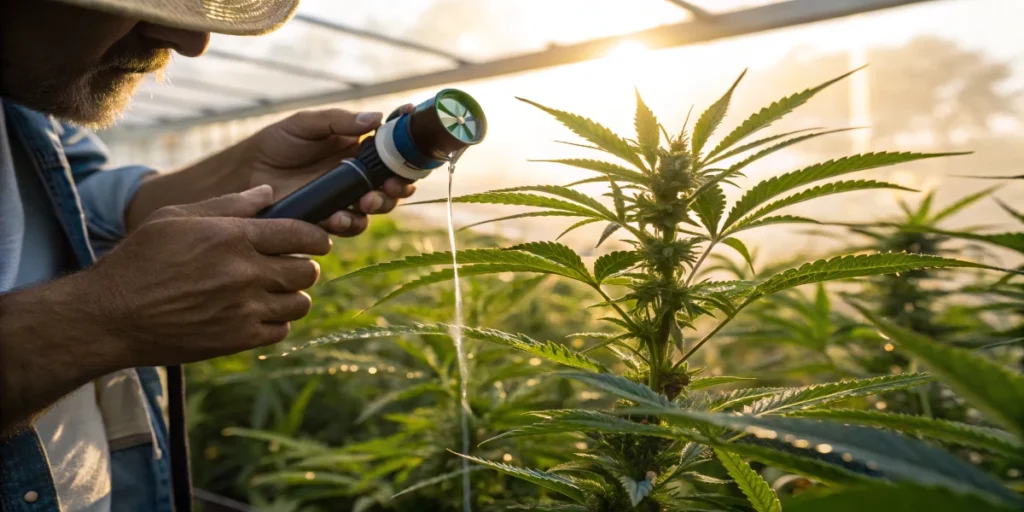
Calibrate the refractometer with distilled water before use, and clean it after each reading so residue does not skew results.
Use the reading to compare like with like rather than to set a fertiliser dose directly, since more feed is not automatically better.
What growers can realistically expect
Used well, a refractometer adds a cheap physiological data point that can flag changes over a crop cycle.
Claims that it reliably boosts yield, potency or pest resistance go beyond the evidence, and no documented controlled trial supports a fixed Brix target for cannabis.
The sensible approach is to record Brix alongside root-zone and environmental data, look for repeatable patterns, and confirm quality with lab testing when it matters.
Think of it as one observation among many, not a shortcut to a better harvest.
The takeaway
A refractometer is a useful, low-cost trend tool when sampling is consistent and expectations are realistic.
Start with one cultivar, keep good records, and treat Brix as context rather than a verdict on plant health or final quality.
Frequently asked questions
What is a refractometer and how does it work in cannabis cultivation?
A refractometer measures the refractive index of plant sap and reports it as Brix, an estimate of soluble solids. In cannabis it is used to track trends over time. Brix reflects water content as well as carbohydrates, so it is best read as a trend rather than a direct measure of plant health.
How can I effectively use a refractometer for my cannabis strains?
Use it consistently: calibrate with distilled water, clean it after each reading, and sample comparable tissue at the same time of day. Record readings alongside EC, pH and environmental notes, and compare a plant with its own earlier numbers. Treat a change as a prompt to investigate, not an instruction to feed.
What are the specific benefits of using a refractometer with Critical Orange Punch Auto?
Brix can be logged as one input for a fast autoflower like Critical Orange Punch Auto, but it does not set a nutrient schedule or prove potency. Its value is in consistent trend monitoring across the cycle. Day-to-day decisions should still come from root-zone readings, plant observation and environmental data, with the refractometer adding context rather than a verdict.
Can refractometer use improve the yield of Big Tooth cannabis?
A refractometer can contribute to yield only indirectly, by helping you notice changes you then investigate with more direct tools. There is no established Brix target that raises cannabis yield on its own, because yield depends on genetics, light, nutrition and environment. Treat Brix as one data point, not as a lever that guarantees a bigger or denser harvest.
Is it difficult to integrate refractometer use into existing cultivation practices?
Integrating a refractometer is straightforward: buy the device, learn to calibrate and read it, and log results alongside your other records. Start with a single cultivar such as Critical Orange Punch to build a baseline, then expand. The main effort is consistency, since inconsistent sampling produces noise rather than useful trends, and the readings support rather than replace other measurements.