

The world of cannabis is as complex as it is fascinating, with the molecular genetics of cannabis strains playing a pivotal role in the characteristics and qualities of each plant. Whether you’re a first-time cannabis seed buyer or an experienced grower, recognizing the genetic makeup of cannabis can enhance your cultivation experience. Let’s dive into how the genetic variation in cannabis species influences the traits you see in your plants.
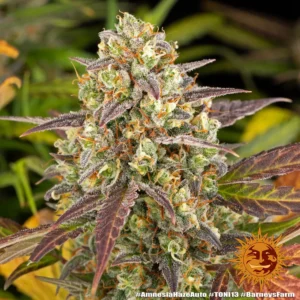
Auto Jack Herer, for example, is a strain that has captured the interest of many due to its unique genetic composition. Known for its relatively short flowering time, Auto Jack Herer is favored by growers who seek a quick turnaround without sacrificing quality. The molecular genetics of this strain are designed to produce a balanced THC to CBD ratio, making it suitable for a wide range of users. This balance is a testament to the power of molecular markers for cannabis breeding, which guide the development of desired traits.
Recommended Strains

Auto Jack Herer
 | THC | 17% - 18% (Medium) |
 | Lineage | Jack Herer x Ruderalis |
 | Type | Autoflowering |
 | Height | 2.79 ft | 0.85 m |
 | Yield Outdoor | 7.05 oz/plant | 200 g/plant |
 | Life Cycle | 10 - 11 weeks |
 | Phenotype | 50% Indica / 50% Sativa |
 | Effects | Happy, Euphoric, Relaxed |
 | Flavors | Fruity, Skunk, Pine, Spicy |
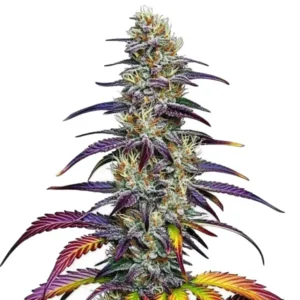
Blue Dream
| | THC | 17% - 24% (Medium) |
| | Lineage | Blueberry x Haze |
| | Type | Feminized |
| | Height | 6.56 ft | 2 m |
 | Yield | High |
 | Yield Indoor | 1.97 oz/ft² | 600 g/m² |
| | Yield Outdoor | 17.64 - 24.69 oz/plant | 500 - 700 g/plant |
| | Flowering Time | 8 - 10 weeks |
| | Phenotype | 50% Indica / 50% Sativa |
 | Medical | Fatigue, Muscle Spasms, Stress |
| | Effects | Happy, Relaxed, Talkative |
| | Flavors | Berry, Blueberry, Mango, Sweet |
Blue Dream, another popular strain from Growlantis, showcases how molecular genetics can influence the terpene profiles of cannabis. This strain is celebrated for its sweet berry aroma, a direct result of its genetic blueprint. By analyzing the gene expression in cannabis plant development, breeders can enhance specific terpene profiles, resulting in strains that not only taste good but also offer distinct effects. Blue Dream’s genetic structure also allows for robust growth and high yields, making it a favorite among growers.
Green Gelato Auto combines the convenience of auto-flowering genetics with the potent effects of high THC levels. This strain’s genome sequencing techniques reveal a complex interplay of genes that contribute to its rich flavor and potent effects. For growers looking for a strain that offers both ease of growth and high potency, Green Gelato Auto stands out as an ideal choice. Its genetic makeup ensures that even those new to cultivation can achieve impressive results.
The Basics of Cannabis Genetics
The genetic makeup of cannabis plants is the blueprint that dictates everything from growth patterns to cannabinoid content. The cannabis plant contains a large and complex genome, which is responsible for the diversity seen in cannabis strains. Recognizing this genetic diversity can help growers select the best strains for their needs.
Genetic variation in cannabis species is primarily due to the plant’s dioecious nature, meaning there are distinct male and female plants. This separation allows for a wide range of genetic combinations, resulting in the numerous strains available today. Each strain, such as Auto Jack Herer or Blue Dream, has been developed by selecting specific traits that are desirable for growers and consumers.
Genome sequencing techniques have allowed scientists to map the cannabis genome, providing insights into the specific genes responsible for various traits. This knowledge aids in breeding programs, allowing for the development of new strains that offer improved characteristics. For example, molecular markers for cannabis breeding can be used to identify plants with high THC content or unique terpene profiles.
The molecular genetics of cannabis strains are crucial not only in breeding programs but also in recognizing plant adaptability to different environmental conditions. By examining genetic variation, researchers can identify traits that contribute to resilience against pests, diseases, and climate changes, further enhancing the plant’s viability. This is particularly important for strains like Green Gelato Auto, which thrive under various conditions, ensuring consistent quality and potency regardless of external factors.
Genetic Mapping and Marker-Assisted Selection
The process of genetic mapping involves identifying the location of genes on a chromosome and linking them to specific traits. In cannabis breeding, this technique is used to improve plant characteristics by selecting individuals with desired traits. Marker-assisted selection (MAS) is an advanced method that uses molecular markers to identify and select plants with specific genetic traits.
MAS allows breeders to make more informed decisions, resulting in strains like Green Gelato Auto, which combines high potency with ease of growth. By recognizing the genetic makeup of these strains, breeders can develop plants that are more resistant to diseases or pests, have shorter flowering times, or produce higher yields.
The Function of Molecular Markers
Molecular markers are segments of DNA that are associated with specific traits in plants. In cannabis, these markers are used to track the inheritance of traits such as cannabinoid content, plant height, and flowering time. This information is invaluable for breeders looking to create new strains with specific characteristics.
For instance, the development of Auto Jack Herer involved selecting plants with particular molecular markers that ensured a quick flowering time and a balanced THC to CBD ratio. This precision breeding has led to a strain that meets the needs of both recreational and medicinal users, showcasing the power of molecular genetics in cannabis cultivation.
Influence of Genetics on Terpene Profiles
Terpenes are aromatic compounds found in cannabis that contribute to the plant’s flavor and aroma. The genetic makeup of a cannabis strain heavily influences its terpene profile, affecting not only taste but also the overall experience of consuming the plant.
Blue Dream, for example, is known for its sweet, berry-like aroma, which is a direct result of its genetic composition. The influence of genetics on cannabis terpene profiles is a key area of focus for breeders, as it allows them to create strains that offer unique sensory experiences.
By analyzing gene expression in cannabis plant development, scientists can identify the specific genes responsible for terpene production. This knowledge enables the breeding of strains with tailored terpene profiles, enhancing both the flavor and the effects of the plant.
Recognizing the influence of genetics on cannabis terpene profiles can guide growers in enhancing the sensory appeal of their crops. For instance, by selecting strains like Blue Dream, which are genetically predisposed to produce high concentrations of desirable terpenes, growers can meet consumer demands for flavorful and aromatic cannabis products. This not only elevates the consumer experience but also provides growers with a competitive edge in the market.
Terpene Synthesis in Cannabis
The synthesis of terpenes in cannabis is controlled by a complex network of genes. These genes dictate not only which terpenes are produced but also their concentrations. Recognizing the genetic basis of terpene synthesis allows breeders to cultivate strains with specific flavors and aromas.
For instance, the genetic sequencing of Blue Dream has revealed the presence of genes that promote the production of sweet and fruity terpenes. This genetic insight has been used to develop similar strains that also offer a pleasant sensory experience, making Blue Dream a popular choice among consumers seeking a flavorful cannabis option.
Practical Implications for Growers
For growers, recognizing the influence of genetics on terpene profiles can inform their cultivation practices. By selecting strains with desirable genetic traits, growers can produce cannabis that meets market demands for specific flavors and aromas.
Green Gelato Auto, with its rich terpene profile and potent effects, is an example of how genetic knowledge can guide cultivation choices. Growers looking to produce high-quality cannabis with a unique flavor profile can benefit from selecting strains like Green Gelato Auto, which have been bred for their exceptional genetic traits.
Gene Expression and Plant Development
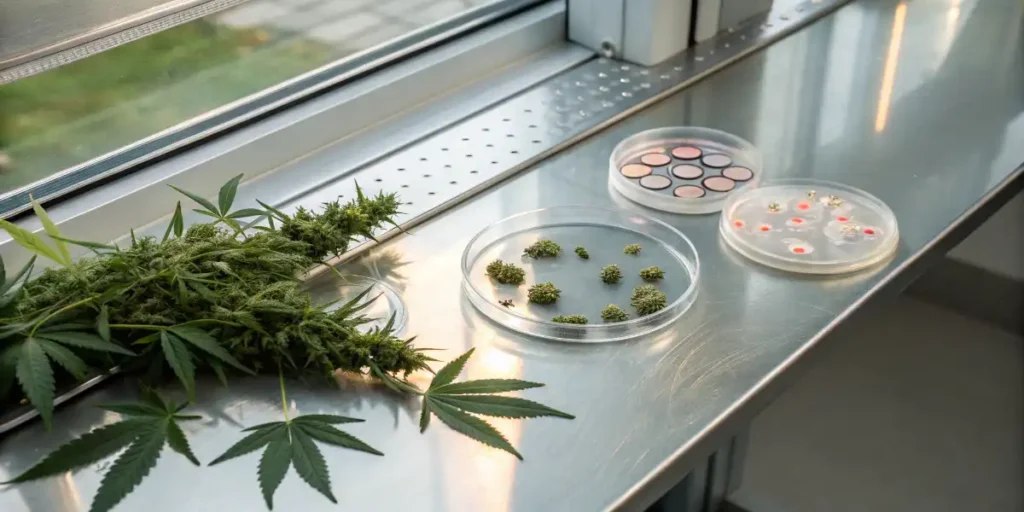
Gene expression refers to the process by which the information encoded in a gene is used to produce a functional product, such as a protein. In cannabis, gene expression plays a significant role in the plant’s development and the manifestation of its traits.
The molecular genetics of cannabis strains influence various aspects of plant development, including growth patterns, flowering time, and cannabinoid production. By studying gene expression, breeders can gain insights into how specific traits are regulated and how they can be manipulated to create new strains.
Auto Jack Herer is an example of a strain that has been developed with a focus on gene expression. Its genetic makeup ensures a short flowering time, making it ideal for growers seeking quick results. Recognizing the underlying genetics of such strains can help growers optimize their cultivation practices for better yields and quality.
The function of gene expression in cannabis plant development extends beyond just the physical traits. It also encompasses the plant’s ability to adapt to environmental stresses, such as varying light conditions and soil nutrients. By focusing on gene expression, breeders can develop strains like Auto Jack Herer that not only meet specific growth and yield goals but also demonstrate resilience, ensuring consistent outcomes even in less-than-ideal growing conditions.
Regulation of Cannabinoid Production
Cannabinoid production in cannabis is regulated by a complex interplay of genes. These genes control the biosynthesis of cannabinoids like THC and CBD, which are responsible for the plant’s psychoactive and medicinal effects. Recognizing how these genes are expressed can help breeders develop strains with specific cannabinoid profiles.
For instance, Green Gelato Auto is known for its high THC content, a trait that has been enhanced through careful genetic selection. By focusing on the genes responsible for THC production, breeders can create strains that meet the needs of consumers seeking potent cannabis options.
Enhancing Growth and Yields
Gene expression also influences the growth and yield of cannabis plants. By selecting strains with favorable genetic traits, growers can optimize their cultivation practices to achieve higher yields and better quality plants. This is particularly important for commercial growers looking to maximize their production.
Blue Dream, with its robust growth and high yields, is a prime example of a strain that benefits from genetic insights. The genetic makeup of Blue Dream allows it to thrive under various growing conditions, making it a versatile choice for growers aiming to produce large quantities of high-quality cannabis.

FAQ
What is molecular genetics in cannabis?
Molecular genetics in cannabis refers to the study of the plant’s genetic makeup at the molecular level. This includes recognizing how specific genes influence traits such as growth patterns, cannabinoid content, and terpene profiles. By analyzing the cannabis genome through techniques like genome sequencing, breeders can develop new strains with desired characteristics.
For growers and consumers, knowledge of molecular genetics can inform choices about which strains to cultivate or consume. Strains like Auto Jack Herer and Blue Dream are examples of how molecular genetics can be leveraged to produce plants with specific traits.
How do genetic variations affect cannabis strains?
Genetic variation in cannabis species leads to the wide range of strains available today. Each strain has a unique combination of genetic traits that influence its characteristics, such as flowering time, potency, and flavor. This variation is a result of the plant’s dioecious nature and the selective breeding practices used to develop specific traits.
For example, Green Gelato Auto has been bred to combine high THC content with ease of growth, making it a popular choice among growers. Recognizing genetic variation helps breeders create strains that meet specific consumer demands.
Why is terpene profile important in cannabis strains?
The terpene profile of a cannabis strain significantly influences its flavor and aroma, affecting the overall experience of consuming the plant. Terpenes are aromatic compounds whose production is dictated by the plant’s genetic makeup. Different strains have unique terpene profiles, contributing to their distinct tastes and effects.
Blue Dream’s sweet berry aroma is a direct result of its terpene profile, which has been enhanced through genetic selection. For consumers seeking specific flavors, recognizing terpene profiles can guide their choices.
How can growers benefit from recognizing cannabis genetics?
Growers can optimize their cultivation practices by recognizing the molecular genetics of cannabis strains. This knowledge allows them to select strains with desirable traits, such as high yields or specific cannabinoid profiles. By choosing strains like Auto Jack Herer, growers can achieve a quick flowering time and a balanced THC to CBD ratio.
Additionally, recognizing gene expression and its impact on plant development can help growers maximize their yields and produce high-quality cannabis, meeting market demands.
What are molecular markers and their role in cannabis breeding?
Molecular markers are segments of DNA associated with specific plant traits. In cannabis breeding, these markers are used to track and select desirable traits, such as high THC content or unique terpene profiles. Marker-assisted selection (MAS) allows breeders to develop strains with precision, enhancing specific attributes.
For instance, the development of strains like Green Gelato Auto involved the use of molecular markers to ensure a combination of high potency and ease of growth. This advanced breeding technique results in strains that cater to both recreational and medicinal users.