


Molecular marker assisted breeding in cannabis is revolutionizing how we approach cannabis cultivation. This advanced technique helps breeders select specific traits efficiently, ensuring the best possible outcomes for both novice and seasoned growers. Whether you’re interested in increasing yield, boosting potency, or selecting for disease resistance, recognizing how to use molecular markers can significantly enhance your breeding program.
Modern breeding leans on lab tools as much as careful selection, but the basics still matter. If you want the bigger picture, our explainer on how cannabis breeding actually works covers pollination, stabilising a line and selecting for traits, which gives useful context for the marker-assisted methods described here.
Recommended Strains

Pink Runtz Auto

|
THC | 20% - 24% (High) |

|
Lineage | Gelato x Zkittlez x Ruderalis |

|
Type | Autoflowering |

|
Height | 3.94 ft | 1.2 m |

|
Yield | High |

|
Yield Indoor | 1.31 - 1.64 oz/ft² | 400 - 500 g/m² |

|
Yield Outdoor | 4.23 - 5.29 oz/plant | 120 - 150 g/plant |

|
Life Cycle | 8 - 10 weeks |

|
Phenotype | 50% Indica / 50% Sativa |

|
Medical | Fatigue, Muscle Spasms, Stress |

|
Effects | Energetic, Euphoric, Uplifted |

|
Flavors | Cherry, Fruity, Sour, Sweet |
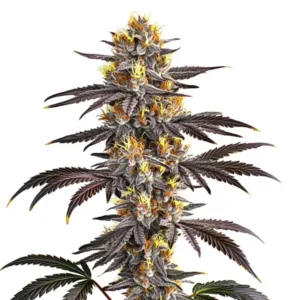
Gelato
|
|
THC | 27% (High) |
|
|
Lineage | Sunset Sherbet x Thin Mint Girl Scout Cookies |
|
|
Type | Feminized |
|
|
Height | 6.56 ft | 2 m |
|
|
Yield | High |
|
|
Yield Indoor | 1.64 oz/ft² | 500 g/m² |
|
|
Yield Outdoor | 21.16 - 28.22 oz/plant | 600 - 800 g/plant |
|
|
Flowering Time | 8 - 10 weeks |
|
|
Phenotype | 50% Indica / 50% Sativa |
|
|
Medical | Arthritis, Insomnia, Pain |
|
|
Effects | Happy, Relaxed, Talkative |
|
|
Flavors | Berry, Citrus, Sweet |
Understanding the science behind a seed pays off long before germination. For the bigger picture, see our companion guides to how to Interpret Cannabis DNA Test Results and SSR Markers in Cannabis Genetics, which show how genetic testing verifies identity, protects against mislabelled stock and helps both breeders and growers trust exactly what they are working with.
For instance, Growlantis offers strains like Gelato, known for its creamy flavor and potent THC levels. By utilizing molecular markers, breeders can ensure that Gelato maintains its desirable characteristics while potentially enhancing its growth rate and resilience. Similarly, with Auto Jack Herer, breeders can focus on its legendary cerebral high and shorter flowering time, making it ideal for those looking to maximize their harvests quickly.
Pink Runtz Auto is another strain that benefits from this method. With its sweet aroma and balanced effects, molecular marker techniques in cannabis breeding can help retain these traits while improving its adaptability to different growing conditions. By honing in on genetic markers, breeders can continue to deliver the unique qualities that make these strains popular among consumers.
What Are Molecular Markers?
Molecular markers are segments of DNA associated with specific traits in cannabis plants. They serve as flags or indicators, helping breeders identify and select desired genetic traits more accurately and faster than traditional methods. This process involves examining the DNA of plants to pinpoint markers linked to attributes such as THC content, flowering time, and pest resistance.
The application of molecular markers in cannabis has expanded significantly, with breeders now able to target complex trait combinations rather than single attributes. For example, Growlantis might focus on using molecular markers to enhance both the potency and flowering speed of Auto Jack Herer simultaneously. This dual focus allows for a more holistic approach to cannabis genetic improvement using marker-assisted selection, ultimately leading to strains that not only meet but exceed market expectations in multiple areas of performance.
The Importance of Molecular Markers
Molecular markers are critical in cannabis genetic improvement using marker-assisted selection because they provide a way to track the inheritance of important traits. By mapping these markers, breeders can predict which plants are likely to exhibit desirable characteristics, thus streamlining the breeding process.
For example, a breeder working with Gelato might use molecular markers to ensure that the plant’s high THC levels are consistently passed on to future generations. This precision saves time and resources, allowing for a more targeted approach to breeding.
Types of Molecular Markers
There are several types of molecular markers, including Simple Sequence Repeats (SSRs) and Single Nucleotide Polymorphisms (SNPs). SSRs are repeating sequences of DNA that vary among individuals, while SNPs are single base-pair variations in the DNA sequence. Both types are useful in identifying genetic differences and similarities among cannabis strains.
For instance, breeders working with Auto Jack Herer may utilize SNPs to enhance its already rapid flowering time, ensuring that each plant reaches maturity as quickly as possible without sacrificing quality or potency.
How Molecular Marker Assisted Breeding Works
The technique of molecular marker assisted breeding in cannabis involves several steps, starting with the identification of traits to target and ending with the selection of the best plants for breeding. This method allows for a more refined selection process, which is crucial for maintaining strain integrity while introducing desirable traits.
In practice, this process begins with thorough genetic screening to identify the presence of beneficial markers in parent plants. For strains like Pink Runtz Auto, breeders might prioritize markers linked to aromatic properties and resilience, ensuring these characteristics are dominant in subsequent generations. By integrating these advancements in marker-assisted cannabis breeding, breeders can produce more robust plants that are not only consistent but also adaptable to varying cultivation conditions, ultimately enhancing the benefits of molecular markers in cannabis cultivation.
Identifying Desired Traits
The first step involves identifying the traits you wish to enhance. This could be anything from THC levels to flowering time. Once identified, breeders can then screen for molecular markers associated with these traits. For example, Pink Runtz Auto breeders might focus on enhancing its aroma while retaining its balanced effects.
By using molecular markers, breeders can ensure that these traits are consistently expressed in each generation, providing growers with reliable and predictable results.
Marker-Assisted Selection Process
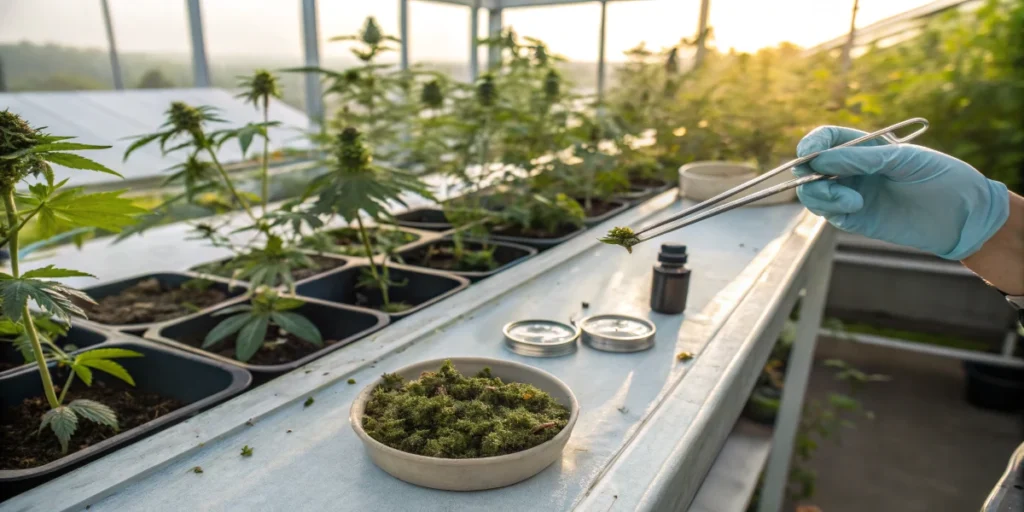
Once the markers are identified, plants are screened during the breeding process to ensure they carry the desired markers. This is done through DNA testing, which is more efficient and accurate than relying solely on observable traits. This method is particularly beneficial in cannabis breeding programs using molecular markers, as it reduces the time needed to develop new strains.
For instance, by using this process, breeders can ensure that Auto Jack Herer maintains its quick flowering time, allowing growers to maximize their yields within shorter periods.
Benefits of Molecular Marker Assisted Breeding
Molecular marker assisted breeding offers numerous advantages, particularly in the context of cannabis cultivation. These benefits include increased efficiency, improved accuracy, and the ability to enhance specific traits, all of which contribute to healthier, more robust plants.
Alongside enhancing the precision of trait selection, the integration of molecular marker techniques in cannabis breeding significantly reduces the time required to stabilize new strains. This rapid development cycle is particularly beneficial for commercial operations focused on meeting consumer demand with high-quality strains like Gelato, where maintaining consistency in flavor and potency is critical. Furthermore, the ability to fine-tune strains for specific growing conditions adds value for both large-scale producers and home growers, ensuring each plant reaches its full potential.
Efficiency and Accuracy
This method allows breeders to develop new strains more quickly and with greater precision. By focusing on specific molecular markers, breeders can bypass the lengthy traditional selection processes, which often rely on trial and error. This efficiency is a significant advantage, particularly for strains like Gelato, where consistency in potency is crucial.
Moreover, the accuracy provided by molecular markers reduces the likelihood of unwanted traits being passed on, ensuring that each crop meets the expected standards of quality and performance.
Enhanced Trait Selection
With molecular markers, breeders can focus on enhancing specific traits such as disease resistance, yield, and cannabinoid profiles. This targeted approach means that growers can cultivate cannabis plants that are better suited to their particular needs and growing conditions.
For instance, Pink Runtz Auto breeders might use this technique to enhance its adaptability, making it more resilient to environmental stressors while maintaining its signature sweet aroma and effects.
Real-World Applications of Molecular Marker Assisted Breeding
The application of molecular marker assisted breeding in cannabis extends beyond theoretical benefits; it has practical, real-world implications for growers and breeders. These techniques enable the development of strains that meet specific consumer demands and adapt to various growing environments.
In real-world applications, the use of molecular marker assisted breeding extends to optimizing resource use and reducing environmental impact. By developing strains like Auto Jack Herer with improved pest and disease resistance, growers can minimize reliance on chemical treatments, fostering a more sustainable cultivation approach. This aligns with the growing consumer preference for eco-friendly products, which can be a significant selling point in a competitive market. Moreover, the adaptability imparted through marker-assisted techniques ensures that these strains thrive in diverse climates, broadening their appeal and accessibility.
Commercial Breeding Programs
Many commercial cannabis breeding programs are already using molecular markers to develop new strains. This approach allows them to create plants that cater to consumer preferences while also optimizing for factors like growth rate and disease resistance. Gelato is a prime example of a strain that benefits from this approach, ensuring that its creamy flavor and potency are consistently delivered.
By integrating molecular markers, breeders can also respond more swiftly to market trends, developing strains that align with changing consumer tastes and preferences.
Home Grower Benefits
Even home growers can benefit from advancements in marker-assisted cannabis breeding. By selecting strains bred with molecular markers, they can be assured of achieving desired results more reliably. This predictability is especially appealing for those cultivating Auto Jack Herer, as it promises rapid flowering and a legendary high.
Additionally, access to strains like Pink Runtz Auto that have been optimized for specific traits can enhance the growing experience, providing a more rewarding and successful harvest.

FAQ
What is molecular marker assisted breeding in cannabis?
Molecular marker assisted breeding in cannabis is a technique that uses specific DNA markers to identify and select desired traits in cannabis plants. This method enhances the precision and efficiency of breeding programs, allowing for the development of strains with specific characteristics such as higher THC content, improved yield, or better disease resistance.
The process involves identifying molecular markers associated with these traits and using them to guide the selection of parent plants, resulting in offspring that consistently express the desired characteristics.
How does molecular marker assisted breeding improve cannabis strains?
This technique improves cannabis strains by allowing breeders to focus on specific traits with greater accuracy. By using molecular markers, breeders can ensure that desirable attributes, such as potency, flavor, and growth rate, are consistently passed on to successive generations.
This targeted approach leads to the development of high-quality strains like Gelato and Pink Runtz Auto, which consistently meet consumer expectations and perform well under various growing conditions.
Can molecular marker assisted breeding be used by home growers?
While the process itself is primarily used by professional breeders, home growers can benefit by choosing strains that have been developed using molecular marker techniques. These strains offer enhanced predictability and performance, providing a more reliable growing experience.
For example, selecting a strain like Auto Jack Herer ensures a quick flowering time and a potent high, thanks to its optimized genetic profile.
What are the limitations of molecular marker assisted breeding?
Despite its advantages, molecular marker assisted breeding has limitations, including the initial cost and complexity of setting up a breeding program. Additionally, it requires specialized knowledge and equipment to identify and utilize molecular markers effectively.
However, for large-scale operations and those focused on developing new strains, the long-term benefits often outweigh these initial challenges, resulting in more efficient breeding processes and superior cannabis strains.
Are there environmental benefits to using molecular marker assisted breeding in cannabis?
Yes, using molecular marker assisted breeding can lead to environmental benefits. By developing strains with enhanced disease resistance and adaptability, growers can reduce the need for chemical interventions such as pesticides and fertilizers.
This not only promotes more sustainable farming practices but also leads to healthier plants and higher-quality products, aligning with the growing consumer demand for environmentally friendly cannabis cultivation.