

The concept of cannabinoid half-life is crucial for both novice cannabis enthusiasts and seasoned growers. It’s a term that describes the time it takes for half of a cannabinoid substance to be eliminated from the body. This knowledge can significantly impact your choices when cultivating or consuming cannabis. Let’s delve into the intricacies of how cannabinoid half-life works and its practical implications.
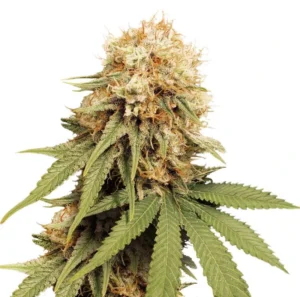
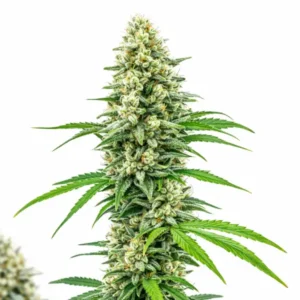
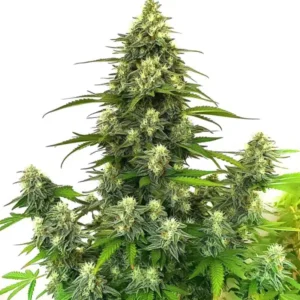
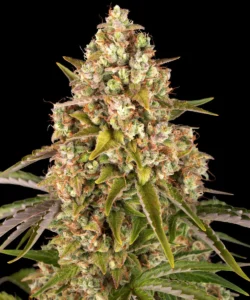
When you think about different cannabis strains like Blue Dream, Green Gelato Auto, and White Widow from Growlantis, each comes with its unique profile that affects how cannabinoids behave in your system. Recognizing these differences can help you make informed decisions tailored to your personal needs and preferences.
Recommended Strains
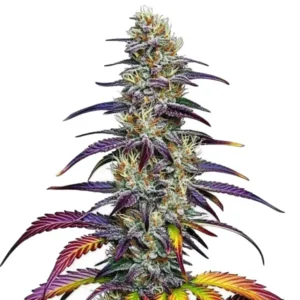
Blue Dream

|
THC | 17% - 24% (High) |

|
Lineage | Blueberry x Haze |

|
Type | Feminized |

|
Height | 6.56 ft | 2 m |

|
Yield | High |

|
Yield Indoor | 1.97 oz/ft² | 600 g/m² |

|
Yield Outdoor | 17.64 - 24.69 oz/plant | 500 - 700 g/plant |

|
Flowering Time | 8 - 10 weeks |

|
Phenotype | 50% Indica / 50% Sativa |

|
Medical | Fatigue, Muscle Spasms, Stress |

|
Effects | Happy, Relaxed, Talkative |

|
Flavors | Berry, Blueberry, Mango, Sweet |
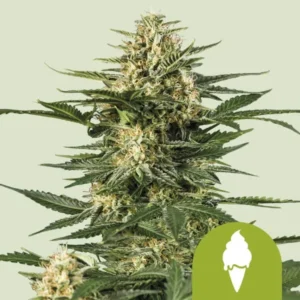
Green Gelato Auto
|
|
THC | 23% - 24% (High) |
|
|
Lineage | Green Gelato x Cookies Auto |
|
|
Type | Autoflowering |
|
|
Height | 3.61 ft | 1.1 m |
|
|
Yield | Medium |
|
|
Yield Indoor | 1.23 - 1.47 oz/ft² | 375 - 450 g/m² |
|
|
Yield Outdoor | 3.53 - 6.17 oz/plant | 100 - 175 g/plant |
|
|
Life Cycle | 7 - 8 weeks |
|
|
Phenotype | 40% Indica / 55% Sativa / 5% Ruderalis |
|
|
Effects | Focused, Relaxed |
|
|
Flavors | Candy, Earthy, Fruity |
Moreover, the cannabinoid half-life is not just a scientific concept; it has real-world applications, especially when it comes to drug testing or managing the effects of cannabis consumption. Whether you’re interested in maximizing yield or minimizing psychoactive effects, knowing about the cannabinoid half-life can be a game-changer.
As we navigate through this guide, we’ll examine the factors that affect cannabinoid half-life, provide a comparison chart, and explain how different strains like Blue Dream, Green Gelato Auto, and White Widow fit into the picture. This knowledge is crucial for anyone interested in the detailed cannabinoid half-life explanation.
What is Cannabinoid Half Life?
Cannabinoid half-life is a term that describes the time required for the concentration of cannabinoids in the body to reduce by half. This is an essential parameter for anyone interested in the science behind cannabis, whether for medical use or recreational enjoyment.
The half-life of cannabinoids can vary significantly depending on several factors. For example, the method of consumption plays a crucial role. Smoking or vaping might have a different half-life compared to edibles or tinctures. This variability makes it important to consider your preferred method when calculating the effects of cannabinoids.
To put it simply, if you’re consuming a strain like Blue Dream, known for its balanced THC and CBD levels, the half-life will determine how long its effects linger. This is particularly relevant for growers who are planning harvest cycles and want to understand how these factors might influence the final product.
Knowing the half-life can also aid in predicting how long cannabinoids will be detectable in drug tests. This is especially important for those who need to manage their cannabis consumption due to workplace policies or legal considerations.
Recognizing cannabinoid half life effects is not only about the duration of psychoactive experiences but also about optimizing therapeutic benefits. For instance, those using cannabis for medical purposes might prefer strains like White Widow, where knowing the half-life can aid in timing doses for sustained relief. This approach ensures that the therapeutic effects align more closely with the user’s lifestyle, maximizing the potential benefits of the chosen strain.
Factors Affecting Cannabinoid Half Life
Several factors can influence the cannabinoid half-life, making it a complex topic to navigate. These factors range from individual physiology to the specific strain of cannabis used.
Metabolism is one of the most significant factors. People with faster metabolisms may process and eliminate cannabinoids more quickly than those with slower metabolic rates. For example, frequent users of strains like Green Gelato Auto, which is known for its potent THC levels, might notice a different half-life compared to occasional users.
Another factor is the method of consumption. Edibles tend to have a longer half-life as they are processed through the digestive system, while smoking or vaping offers a shorter half-life due to quicker absorption into the bloodstream. Hence, the method you choose can directly impact the duration and intensity of the cannabinoid’s effects.
Body fat percentage also plays a role. Cannabinoids are fat-soluble, meaning they are stored in fat cells and may linger longer in individuals with higher body fat. This is crucial for those growing strains like White Widow, which might have varying effects depending on the user’s body composition.
Alongside these, genetic factors can play a significant role in how one experiences the cannabinoid half life. Some individuals have genetic variations that affect enzyme activity involved in metabolizing cannabinoids, leading to either faster or slower processing of cannabinoids like those found in Blue Dream. Having a detailed cannabinoid half life explanation can be invaluable for those looking to fine-tune their consumption for either recreational or medicinal purposes.
Environmental and Lifestyle Factors
Your environment and lifestyle choices can also influence cannabinoid half-life. Factors such as diet, exercise habits, and even hydration levels can alter how cannabinoids are metabolized and eliminated.
For instance, a person who exercises regularly may experience a shorter half-life due to increased metabolic rate. This is something to consider when choosing a strain like Blue Dream, especially if you’re using it for its relaxing properties post-workout.
Similarly, a balanced diet and adequate hydration can support the body’s natural detoxification processes, potentially reducing the cannabinoid half-life. These lifestyle adjustments are actionable tips for those looking to optimize their cannabis consumption.
Cannabinoid Half Life Impact on Drug Tests
One of the most practical applications of recognizing cannabinoid half-life is its impact on drug tests. The duration cannabinoids remain detectable in your system can vary widely, affecting test results and outcomes.
For example, THC, the psychoactive component found in strains like Green Gelato Auto, can be detectable in urine for days to weeks after consumption, depending on the frequency of use and individual metabolism. This is a critical consideration for anyone subject to routine drug testing.
If you’re consuming cannabis regularly, the half-life can extend, making it detectable for a longer period. This is particularly true for strains with higher THC levels, such as White Widow, which might linger longer in the system compared to strains with lower THC content.
Recognizing these nuances can help manage cannabis use effectively, ensuring it aligns with personal and professional obligations. This knowledge is not only beneficial for personal planning but also for those advising others on cannabis use.
The cannabinoid half life impact on drug tests is an essential consideration for employers and employees alike. Employers may need to understand the variability in detection times to set realistic policies, while employees can use this knowledge to make informed decisions about their consumption habits. This awareness can foster a more informed dialogue between both parties, ensuring that expectations are clear and achievable.
Strategies to Manage Drug Test Outcomes
Managing the outcomes of drug tests involves strategic planning around the cannabinoid half-life. For those needing to pass a drug test, knowing the half-life can inform when to cease consumption before testing.
If you’re concerned about test outcomes, consider choosing strains with lower THC levels or opting for CBD-dominant strains where possible. This can be an effective approach for those who enjoy cannabis but need to mitigate the risk of positive drug tests.
Additionally, increasing hydration and engaging in regular physical activity can support the body’s natural detoxification processes, potentially reducing the detectable half-life of cannabinoids. These practical tips can help manage cannabis use responsibly.
Cannabinoid Half Life Comparison Chart
For those interested in a visual representation, a cannabinoid half-life comparison chart can be incredibly useful. Such a chart typically outlines the half-lives of various cannabinoids, offering a clear picture of how long each stays active in the system.
While each strain from Growlantis, like Blue Dream, Green Gelato Auto, and White Widow, offers different cannabinoid profiles, the chart provides a baseline for recognizing potential variances in half-life. This can help in planning both consumption and cultivation strategies.
Charts often include factors like method of consumption and the individual’s metabolic rate, highlighting how these elements can alter the cannabinoid half-life. This is a valuable tool for growers and users alike, offering insights into optimizing cannabis experiences.
Utilizing such charts can guide decisions about which strain to choose based on desired effects and personal circumstances. Whether you’re looking to maximize relaxation or minimize detection time, these resources are indispensable.
Creating a cannabinoid half life comparison chart can also empower users to visualize the interplay between different variables, such as strain potency and consumption frequency. By incorporating personal data and observations, one can develop a nuanced recognizing of how specific strains like Green Gelato Auto might affect them over time. This personalized approach not only aids in current usage but also informs future decisions and adaptations.
Creating Your Own Comparison Chart
If you’re a hands-on type, creating your own cannabinoid half-life comparison chart can be a rewarding endeavor. Start by gathering data on your preferred strains and consumption methods.
Consider factors such as personal metabolic rate and frequency of use. Documenting your experiences with strains like Blue Dream, Green Gelato Auto, and White Widow can help tailor the chart to your specific needs.
Over time, this personalized chart can serve as a reference for future cannabis use, providing a detailed cannabinoid half-life explanation that is uniquely suited to your lifestyle and goals.

FAQs
How does the cannabinoid half-life affect cannabis cultivation?
For cultivators, recognizing cannabinoid half-life can influence decisions about harvest times and strain selection. Knowing how long cannabinoids remain active can help in planning cycles to maximize yield and potency. Strains like Blue Dream might be chosen for their balanced profile, impacting the half-life and final product quality.
What role does metabolism play in cannabinoid half-life?
Metabolism significantly affects how cannabinoids are processed and eliminated from the body. Individuals with faster metabolisms may experience shorter half-lives, meaning the effects of strains like Green Gelato Auto might dissipate more quickly. This is important for both consumers and growers looking to optimize their cannabis use.
Can lifestyle changes impact the cannabinoid half-life?
Yes, lifestyle factors such as diet, exercise, and hydration can influence the cannabinoid half-life. For example, regular physical activity can enhance metabolism, potentially shortening the half-life. These changes can be beneficial for managing the effects of high-THC strains like White Widow.
Are there strategies to reduce the detectability of cannabinoids in drug tests?
Strategies to reduce detectability include abstaining from cannabis use well before a test and choosing strains with lower THC levels. Staying hydrated and engaging in regular exercise can also help expedite the elimination of cannabinoids, reducing their half-life in the body.
How do different cannabis strains affect cannabinoid half-life?
Different strains have unique cannabinoid profiles, influencing their half-lives. For instance, a strain like Blue Dream with balanced THC/CBD levels might have a different half-life compared to the more potent Green Gelato Auto. Recognizing these differences is key to managing both consumption and cultivation effectively.