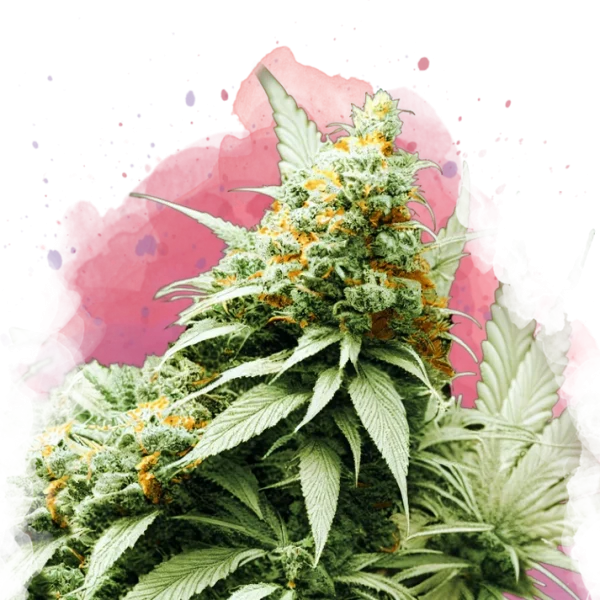

Big Bud - Nirvana

|
THC | 13% - 17% (Medium) |

|
Lineage | (Afghani x Skunk) x Old School Big Bud |

|
Type | Feminized |

|
Height | 5.09 ft | 1.55 m |

|
Yield | High |

|
Yield Indoor | 1.64 - 1.97 oz/ft² | 500 - 600 g/m² |

|
Yield Outdoor | 26.46 - 35.27 oz/plant | 750 - 1000 g/plant |

|
Flowering Time | 8 - 9 weeks |

|
Phenotype | 60% Indica / 40% Sativa |

|
Effects | Focused, Sedative, Calming |

|
Flavors | Earthy, Floral, Sweet |
Choose seed quantity
PROMO
Get 3x Scrambler Haze seeds FREE on $90+ orders.
Use code: SCRAMBLER3
Learn more
Lineage and Origin of Big Bud
Big Bud is a cannabis strain created from Afghani, Skunk, and Old School Big Bud genetics. This lineage combines three established genetic influences in a slightly indica-dominant cultivar developed around substantial flower production.
For growers selecting seeds based on genetics and productivity, the Old School Big Bud component is particularly relevant to the cultivar’s high-yielding profile, while its broader lineage gives Big Bud the genetic foundation behind its growth and characteristics.
Is Big Bud Sativa or Indica?
Big Bud is 60% indica and 40% sativa, giving it a slight indica dominance while remaining relatively close to a balanced hybrid.
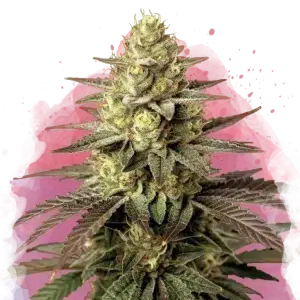
This genetic split makes Big Bud an option for growers who want an indica-leaning cultivar without moving into the much heavier indica dominance found in some varieties. Its growth profile is particularly notable for producing large, dense flowers.
Big Bud Effects
Big Bud produces focused, sedative, and calming effects, with THC levels ranging from 13% to 17%.
Its reported experience combines a clearer, focused component with progressively calmer and more sedative characteristics. This gives Big Bud an effect profile that balances mental focus with physical relaxation rather than concentrating exclusively on either stimulation or sedation.
Big Bud Flavor
Big Bud combines earthy, floral, and sweet flavors in its reported profile.
Earthy characteristics form the base of the experience, while floral notes add a lighter aromatic quality and sweetness rounds out the flavor. Together, these elements create the classic but layered sensory profile associated with Big Bud.
How to Germinate Big Bud Seeds
When starting Big Bud seeds, growers should plan ahead for the heavy flower production that characterizes this cultivar. Once the seedlings are established, choosing a final setup with enough room for development and the option to support branches later in the cycle can help prepare the plants for the large, dense buds they can produce.
Big Bud Flowering Time
Big Bud has a flowering period of approximately 8 to 9 weeks, combining a relatively compact flowering window with its high production potential.
As the flowers gain size and weight, growers should monitor both bud development and branch stability. Outdoors, harvest is typically placed between late September and October, depending on local conditions, with protection from excessive autumn moisture becoming particularly relevant for its dense flowers.
Indoor and Outdoor Growing Conditions
Big Bud can be cultivated indoors or outdoors and is particularly notable for its production potential. Indoor growers can achieve approximately 1.64–1.97 oz/ft², while outdoor plants can produce around 26.46–35.27 oz per plant under suitable conditions.
Because the cultivar develops large, heavy flowers, supporting branches can help prevent them from bending or breaking as harvest approaches. Indoors, regular pruning can improve light penetration, while Sea of Green (SOG) can be used to make efficient use of available space. Outdoor plants benefit from ample sunlight and sufficient room for development.
Big Bud Terpene Breakdown
The terpene profile described for Big Bud includes caryophyllene, myrcene, limonene, pinene, and linalool, adding further aromatic complexity to its earthy, floral, and sweet character.
Caryophyllene contributes spicy qualities, while myrcene reinforces the earthy side of the profile. Limonene adds brighter citrus notes, pinene introduces a fresh pine character, and linalool complements the cultivar’s existing floral qualities.
Best Climate and Where to Grow Big Bud in the U.S.
Big Bud is associated with warm, Mediterranean-style conditions with plenty of sunlight and moderate humidity. Because its flowers can become particularly large and dense, avoiding excessive rainfall and moisture becomes important for outdoor growers as harvest approaches.
Indoor cultivation provides greater control over humidity, lighting, airflow, and other environmental variables throughout the flowering period.
Top U.S. Cities for Growing Big Bud
Locations listed for growing Big Bud include San Diego, Tucson, Sacramento, Las Vegas, Miami, Albuquerque, and Raleigh. Actual outdoor suitability depends on seasonal and local conditions, particularly rainfall and humidity during late flowering, and growers should consider applicable cannabis cultivation laws before starting a grow.
Reviews
There are no reviews yet. Be the first one to write one.
Write a review
Big Bud stands out for its high production potential and large, dense flowers. Indoor yields can reach approximately 1.64–1.97 oz/ft², while outdoor plants can produce around 26.46–35.27 oz each. Growers may need to support branches later in flowering as the buds gain size and weight.
Big Bud has a flowering period of approximately 8 to 9 weeks, giving growers a relatively compact flowering window for a high-yielding cultivar. Outdoors, harvest is typically expected between late September and October, although the exact timing depends on local climate and growing conditions.
Big Bud is associated with warm, sunny, Mediterranean-style conditions and moderate humidity. Its large, dense flowers make moisture management particularly relevant as harvest approaches. Indoor growers can control humidity and airflow more closely, while outdoor cultivators should be especially mindful of excessive rainfall during late flowering.
Related products