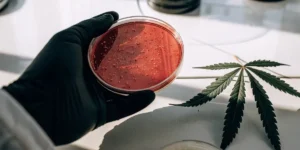


Weed butter, also known as cannabutter or cannabis butter, is one of the most versatile ingredients for making cannabis-infused food. Once prepared, it can replace some or all of the regular butter in recipes ranging from brownies and cookies to mashed potatoes, pasta sauces and garlic bread.
If you’re looking for weed butter recipes, start with a reliable base cannabutter recipe. From there, you can use the finished butter in sweet or savory dishes while controlling how much infused butter goes into each batch.
Recommended Strains
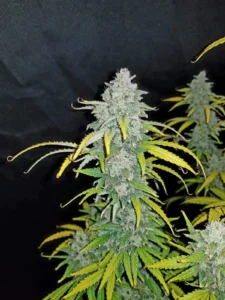
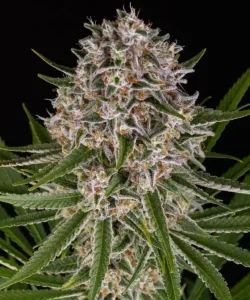
Blue Dream Autoflower

|
THC | 22% - 23% (Medium) |

|
Lineage | Blue Dream x Ruderalis |

|
Type | Autoflowering |

|
Height | 3.94 ft | 1.2 m |

|
Yield | High |

|
Yield Indoor | 1.47 - 1.97 oz/ft² | 450 - 600 g/m² |

|
Life Cycle | 9 - 11 weeks |

|
Phenotype | 25% Indica / 75% Sativa |

|
Effects | Happy, Creative, Relaxed |

|
Flavors | Cherry, Berry, Lemon, Pine |
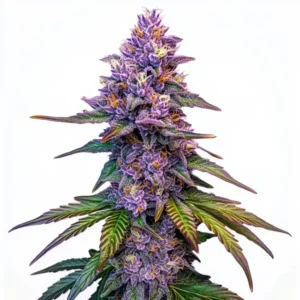
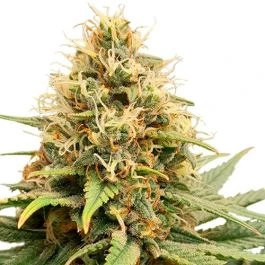
Purple Lemonade Auto
|
|
THC | 20% - 22% (Medium) |
|
|
Lineage | Purple Lemonade x Ruderalis |
|
|
Type | Autoflowering |
|
|
Height | 4.92 ft | 1.5 m |
|
|
Yield | High |
|
|
Yield Indoor | 1.31 - 1.64 oz/ft² | 400 - 500 g/m² |

|
Yield Outdoor | 17.64 - 19.4 oz/plant | 500 - 550 g/plant |
|
|
Life Cycle | 8 - 10 weeks |
|
|
Phenotype | 70% Indica / 30% Sativa |

|
Medical | Arthritis, Insomnia, Pain |
|
|
Effects | Energetic, Euphoric, Relaxed |
|
|
Flavors | Citrus, Lemon, Sweet |
The basic process: cannabis is decarboxylated, then gently infused into butter, strained and cooled. Temperature control matters because excessive heat can scorch the butter, affect flavor and reduce the quality of the finished infusion.
This guide covers the weed butter process, common ratios, storage, cooking tips and eight ways to use cannabutter once it’s ready.
Important: Homemade cannabis edibles can vary considerably in potency. Keep cannabis-infused food clearly labeled, separate from ordinary food and secured away from children and pets. Do not drive or operate machinery after consuming cannabis. Cannabis laws also vary by jurisdiction.
Weed butter recipe: quick overview
| Recipe detail | Recommendation |
|---|---|
| Main ingredient | Unsalted butter |
| Cannabis | Dried cannabis flower |
| Common starting amount | About 7 g cannabis per 1 cup butter |
| Decarboxylation temperature | Around 240°F / 115°C |
| Decarboxylation time | Approximately 30–40 minutes |
| Infusion method | Low-heat stovetop |
| Infusion time | Approximately 2–3 hours |
| Optional ingredient | Water to help prevent scorching |
| Straining | Fine-mesh strainer or cheesecloth |
| Storage | Airtight, clearly labeled container |
| Best uses | Baking, sauces, spreads and savory dishes |
The amount of cannabis you use doesn’t tell you the exact potency of the resulting butter. THC concentration varies between cannabis flower, and homemade extraction isn’t perfectly efficient or uniform. Treat homemade potency calculations as estimates rather than laboratory measurements.
What is weed butter?
Weed butter is ordinary butter infused with cannabis compounds. It’s commonly called cannabutter, cannabis butter, marijuana butter or THC butter depending on the context and the cannabis used.
Cannabinoids such as THC and CBD are lipophilic, meaning they have an affinity for fats. Butter is therefore a useful culinary base for incorporating cannabis into food.
Once prepared, weed butter can be used anywhere a conventional recipe calls for butter, though replacing only part of the normal butter often gives you more control over flavor and serving strength.
Common weed butter recipes include brownies, cookies, cakes, garlic bread, mashed potatoes, pasta sauces and popcorn.
How to make weed butter
A simple cannabutter recipe needs only a few basic kitchen tools and ingredients.
Ingredients
For one basic batch, use:
- 1 cup unsalted butter
- Approximately 7 grams dried cannabis flower
- 1 cup water
- Additional water if needed during cooking
The water is optional, but it can help prevent the butter from scorching during a stovetop infusion. It separates from the butter again as the mixture cools.
Equipment
You’ll need:
- Baking sheet
- Parchment paper
- Oven
- Medium saucepan
- Wooden or silicone spoon
- Kitchen thermometer if available
- Fine-mesh strainer or cheesecloth
- Heat-safe bowl or container
- Airtight storage container
Step 1: Decarboxylate the cannabis
Before making weed butter, the cannabis is usually decarboxylated, often shortened to “decarbed.”
Raw cannabis contains cannabinoids mostly in acidic forms such as THCA. Controlled heating converts part of this THCA into THC.
Preheat the oven to approximately 240°F / 115°C.
Break the dried cannabis into relatively small pieces. It doesn’t need to be ground into a fine powder; very fine cannabis can make the finished butter harder to strain and can add more plant flavor.
Spread the cannabis evenly over a parchment-lined baking tray.
Heat it for approximately 30–40 minutes, gently redistributing it once or twice so it heats more evenly.
Remove the tray and let the cannabis cool before starting the infusion.
Avoid raising the oven temperature just to speed things up. Controlled heat works better than aggressive heating.
If you’re working with extracts rather than dried flower, the process differs. Growlantis also has a separate guide covering decarboxylation of live resin for edibles.
Step 2: Melt the butter
Add one cup of water to a saucepan and place it over low heat.
Add the butter and let it melt gradually.
The mixture doesn’t need to reach a rolling boil. The goal is a gentle, controlled cooking environment.
Once the butter has melted, add the decarboxylated cannabis and stir.
Step 3: Infuse the cannabis into the butter
Keep the mixture over low heat for approximately two to three hours.
Stir occasionally and watch the temperature.
The butter should stay at a gentle simmer rather than a vigorous boil. If the mixture starts drying out or the water evaporates too quickly, add a small amount of water.
This low-temperature infusion lets cannabis compounds move into the fat while keeping the risk of scorching low.
A kitchen thermometer can make the process easier to control, especially if your stove tends to fluctuate in temperature.
Step 4: Strain the weed butter
Once the infusion is complete, remove the saucepan from the heat.
Place a fine-mesh strainer or several layers of cheesecloth over a heat-safe container.
Slowly pour the butter mixture through the strainer and let the liquid drain naturally.
Avoid squeezing large amounts of plant material through the cheesecloth. Pressing too hard forces more fine plant particles and chlorophyll into the butter, producing a stronger herbal flavor and a less refined texture.
Discard the remaining plant material in accordance with local requirements.
Step 5: Cool the cannabutter
Let the strained mixture cool briefly, then transfer it to the refrigerator.
As it chills, the butter solidifies above any remaining water.
Once it’s completely firm, lift the butter from the container and discard the separated water.
Pat excess moisture from the bottom of the butter with a clean paper towel if needed.
You now have homemade cannabutter ready to use in your weed butter recipes.
What is the best weed-to-butter ratio?
There’s no single weed-to-butter ratio that works for every batch.
A commonly used home recipe starts with approximately 7 grams of dried cannabis per 1 cup of butter.
But two batches made with exactly seven grams of cannabis can end up with very different strengths, because THC concentration in the starting material varies considerably. Seven grams of lower-THC flower and seven grams of high-THC flower don’t contain the same amount of THC before infusion even begins.
Extraction efficiency also varies with decarboxylation, temperature, time, cannabis composition, straining and other factors. So the amount of flower alone should never be treated as an exact measure of the finished potency.
How strong is homemade weed butter?
Homemade weed butter is hard to dose with lab-level accuracy.
You may know the approximate THC percentage of the original cannabis, but several variables still affect how much THC ultimately reaches the finished butter, including:
- Accuracy of the original THC percentage
- Decarboxylation efficiency
- Infusion efficiency
- Temperature
- Time
- Amount of butter lost during straining
- How evenly the finished butter is mixed
- How evenly the final food is portioned
Be cautious with online calculators that present homemade cannabutter potency as an exact number. They can give estimates, but they can’t directly measure your finished product.
When potency is uncertain, using a smaller proportion of infused butter and regular butter for the rest of a recipe gives you more control than automatically replacing all of the butter.
8 easy weed butter recipes
Once your cannabutter is ready, it can go into a wide range of recipes.
The idea is simple: figure out how much total butter the dish needs, decide how much of that should be cannabutter based on the known or estimated potency of your batch, and use normal butter for the rest. Mix the butter in thoroughly so it’s distributed as evenly as possible.
1. Weed butter brownies
Cannabis brownies are one of the most familiar weed butter recipes because chocolate helps balance the herbal flavor of cannabutter.
For a standard batch, use:
- 1 cup all-purpose flour
- ¾ cup cocoa powder
- 1 cup sugar
- 2 large eggs
- ½ cup total butter, using an appropriate combination of cannabutter and regular butter
- 1 teaspoon vanilla extract
- ¼ teaspoon salt
- Optional chocolate chips or chopped nuts
Melt the butter gently and let it cool slightly.
Whisk the eggs, sugar and vanilla together, then stir in the butter until fully combined.
Combine the flour, cocoa powder and salt separately before folding them into the wet ingredients.
Pour the mixture into a lined baking pan and bake at the temperature your brownie recipe calls for, usually around 350°F / 175°C, until the center is just set.
Let the brownies cool completely before cutting them into equal portions. Even portioning matters more with infused food than with a normal batch.
2. Weed butter chocolate chip cookies
Chocolate chip cookies are another simple way to use cannabutter because the butter gets distributed throughout the dough.
You’ll need:
- 1½ cups all-purpose flour
- ½ cup total softened butter
- ½ cup brown sugar
- ¼ cup granulated sugar
- 1 egg
- 1 teaspoon vanilla extract
- ½ teaspoon baking soda
- Pinch of salt
- ¾ cup chocolate chips
Use a combination of normal butter and cannabutter for the half cup rather than assuming all of it needs to be infused.
Cream the butter and sugars together until combined, then add the egg and vanilla.
Mix the flour, baking soda and salt separately, then gradually combine the dry and wet ingredients.
Fold in the chocolate chips, scoop the dough into evenly sized cookies, and bake at approximately 350°F / 175°C until the edges are lightly golden.
Let them cool, and keep infused cookies clearly separated from ordinary baked goods.
3. Cannabis garlic butter
One of the easiest savory weed butter recipes is garlic butter.
Combine:
- 4 tablespoons total softened butter
- 1–2 cloves finely minced garlic
- 1 tablespoon finely chopped parsley
- Pinch of salt
- Optional black pepper or lemon zest
Use an appropriate portion of cannabutter as part of the four tablespoons of total butter, and mix everything together thoroughly.
Spread the finished garlic butter lightly over bread, stir it into cooked vegetables, or add it to potatoes. If making garlic bread, spread it over sliced bread and warm until lightly toasted.
Garlic and herbs have strong flavors, so this recipe also helps mask some of the natural herbal notes in cannabis butter.
4. Weed butter mashed potatoes
Cannabutter also works well in mashed potatoes because ordinary butter is already a core ingredient.
For about four servings, use:
- 2 pounds potatoes
- ½ cup warm milk
- 4 tablespoons total butter
- Salt
- Black pepper
- Optional roasted garlic or chives
Peel and chop the potatoes, then boil them in salted water until tender. Drain well.
Mash the potatoes and slowly work in the warm milk. Add your measured combination of normal butter and weed butter, mixing thoroughly. Season with salt and pepper.
Don’t add extra cannabutter just because the cannabis flavor is hard to detect. Flavor isn’t a reliable measure of potency.
5. Weed butter popcorn
Cannabis-infused popcorn takes very little preparation.
Start with:
- Approximately 8 cups freshly popped popcorn
- 2 tablespoons total melted butter
- Salt to taste
- Optional smoked paprika, nutritional yeast, Parmesan or garlic powder
Melt the butter gently and combine the appropriate amount of weed butter with regular butter. Drizzle it slowly over the popcorn while tossing constantly, until the butter is distributed throughout the bowl rather than concentrated on a few pieces.
Finish with your preferred seasoning. Because infused butter can settle unevenly if it’s just poured over one spot, thorough tossing matters.
6. Weed butter pasta
Cannabutter can also go into a simple pasta sauce.
For two servings, prepare:
- 6–8 ounces pasta
- 2 tablespoons total butter
- 1 small garlic clove
- ¼ cup grated Parmesan
- Black pepper
- Fresh parsley
- A small amount of reserved pasta water
Cook the pasta until al dente and reserve some of the cooking water.
Melt the butter gently over low heat and add the garlic. Add the cooked pasta and toss thoroughly, then stir in Parmesan and enough pasta water to create a light, glossy sauce. Finish with black pepper and parsley.
Using regular butter for part of the total fat keeps the sauce’s texture intact without automatically increasing the amount of cannabutter.
7. Weed butter baked potatoes
Baked potatoes are one of the simplest ways to use cannabutter because there’s no need to work it into a complex recipe.
Bake a potato until tender, split it open, and add a measured portion of a butter mixture made from cannabutter and ordinary butter. Possible toppings include:
- Chives
- Sour cream
- Shredded cheese
- Black pepper
- Roasted garlic
Mix the butter through the hot potato so it’s spread throughout the serving. This is a good option when you want a savory dish without extra baking or complicated ingredients.
8. Cannabis chocolate
Butter and chocolate work well together, which makes cannabutter suitable for certain homemade chocolate preparations and desserts.
Melt good-quality chocolate gently over a double boiler. Add a small, measured amount of softened cannabutter and stir continuously until it’s fully incorporated. Transfer the mixture to molds and let it set.
The exact ratio of chocolate to butter depends on the type of chocolate and the texture you want, so avoid adding too much butter or the finished chocolate may end up too soft.
For a broader look at cannabis-infused chocolate, Growlantis also has a guide to cannabis chocolate and chocolate edibles.
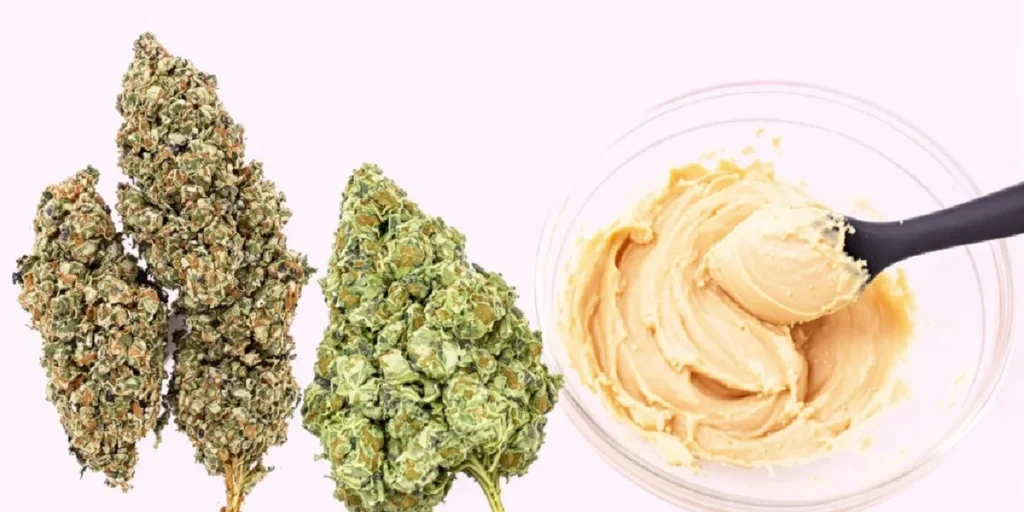
Other things you can make with weed butter
Once you understand how to work with cannabutter, it can go into many dishes that ordinarily use butter, including pancakes, waffles, muffins, banana bread, cakes, frosting, grilled cheese, rice, vegetables, sauces, pastry, biscuits and oatmeal.
More recipes don’t necessarily call for more infused butter, though. It’s usually better to treat cannabutter as one component of the total butter in a recipe, especially when the strength of your homemade batch hasn’t been professionally tested.
For other cannabis infusion options, Growlantis also covers cannabis concentrates and extracts and has a separate recipe for hash butter.
Can you make weed butter in a slow cooker?
Yes. A slow cooker is an alternative to the stovetop method and can cut down on active monitoring.
Start with decarboxylated cannabis. Melt the butter on the slow cooker’s lowest practical setting and add the cannabis. Depending on the appliance, a small amount of water can also help reduce scorching.
Let the mixture infuse gently for several hours, stirring occasionally.
Slow cookers vary a lot in temperature, so don’t assume every appliance’s “low” setting produces the same result. A kitchen thermometer tells you a lot more than the setting label alone.
Once the infusion is done, strain and cool the butter the same way as the stovetop version.
Can you make weed butter without water?
Yes. Water doesn’t create the infusion; the butterfat is the important part.
The main advantage of adding water during a stovetop recipe is that it makes temperature management easier and reduces the chance of scorching.
If you skip the water, keep the temperature low and watch the pan more closely. A double boiler can also give gentler heat than placing the butter directly over a burner.
Should you use salted or unsalted butter?
Both can work, but unsalted butter is generally the better choice. It gives you full control over the salt content when you later use the cannabutter in cookies, brownies, sauces or savory dishes.
Salted butter can still work when that’s what you have on hand. Just cut back on any additional salt in the final recipe if needed.
Can you use clarified butter or ghee?
Yes. Clarified butter and ghee contain a higher proportion of fat because much of the water and milk solids have been removed, so they can work as an alternative base for cannabis infusions.
They also have a different flavor and behave differently in baking, so swapping ghee directly for ordinary butter can affect the texture of certain cookies, cakes and pastries. For general-purpose weed butter recipes, ordinary unsalted butter is still the simplest option.
Can you make vegan weed butter?
Traditional weed butter contains dairy, but cannabis can also be infused into plant-based fats.
Coconut oil is one of the most common alternatives because it has a high fat content and works in many sweet and savory recipes. The result is technically cannabis-infused coconut oil rather than butter, but it can replace butter in recipes where coconut oil is an appropriate substitute.
Other plant-based fats behave differently, so consider both fat content and how the substitute normally behaves in cooking.
How to reduce the cannabis flavor in weed butter
Homemade cannabutter usually keeps some herbal flavor, but there are a few ways to keep it from taking over.
Avoid grinding the cannabis into a very fine powder. Use controlled temperatures rather than aggressive heat. Strain the finished infusion carefully, without forcing excessive plant material through the cheesecloth.
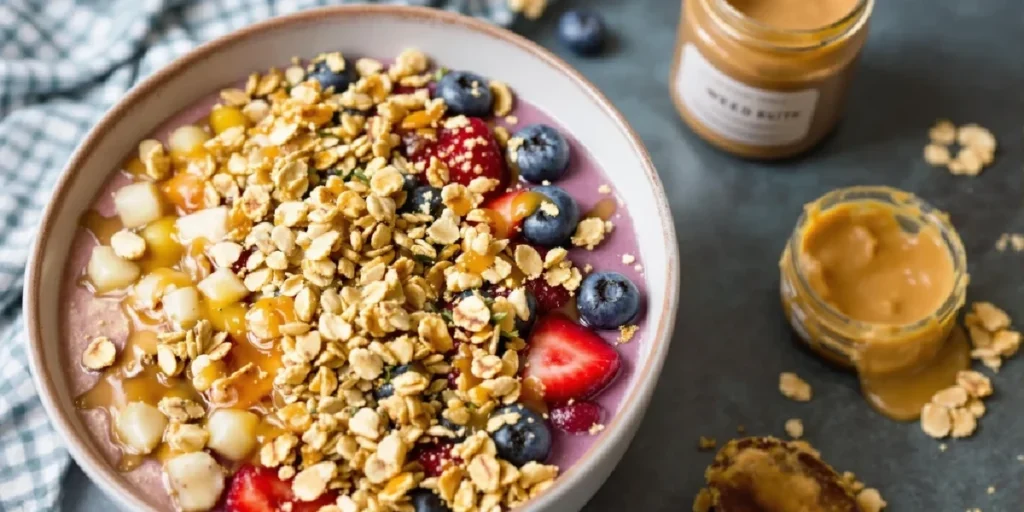
Finally, use the butter in recipes with complementary flavors. Chocolate, coffee, vanilla, peanut butter, garlic, herbs, cheese and warm spices all tend to work better with the natural flavor of cannabis than very delicate recipes do.
How to store weed butter
Store homemade weed butter in a clean, airtight, clearly labeled container.
Refrigerate it promptly and keep your refrigerator at a safe cold-storage temperature.
For longer storage, divide the butter into measured portions and freeze it. Freezing smaller portions is especially convenient, since you can pull out only the amount a recipe needs instead of thawing the whole batch.
The label should make it obvious right away that the product contains cannabis. Include something like:
CANNABIS-INFUSED BUTTER, NOT REGULAR BUTTER
You may also want to note the preparation date, the cannabis used and any available potency information.
Never store weed butter in an unmarked butter container where someone else could mistake it for ordinary food.
Cannabis edible safety
Cannabis-infused foods need extra precautions because they can look identical to ordinary brownies, cookies, chocolate or other foods.
The CDC warns that cannabis edibles can be unpredictable in strength and that accidental ingestion by children can result in serious illness.
Store cannabis-infused butter and finished edibles in a locked, child-resistant location, out of sight and reach of children and pets, and keep infused food clearly distinguished from ordinary food.
Edibles can also take much longer to produce noticeable effects than inhaled cannabis. Health Canada notes that edible effects may begin within approximately 30 minutes to two hours and can take as long as four hours to reach their full intensity. Don’t take another serving just because you don’t feel an effect right away.
Avoid driving or operating machinery after consuming cannabis.
Common weed butter mistakes
Skipping decarboxylation is one of the most common ones: using raw cannabis without properly heating it first can leave you with a substantially different cannabinoid profile than intended.
Using too much heat is another. A hard boil isn’t necessary and can scorch the butter.
Grinding the cannabis too finely makes it harder to filter and can produce a stronger vegetal flavor.
It’s also easy to assume potency from flavor. A mild cannabis taste doesn’t necessarily mean the butter is weak.
Relying on an unverified teaspoon dose is a mistake too. One teaspoon of cannabutter doesn’t contain a standard amount of THC; strength depends on the cannabis and preparation method.
Mixing poorly is another pitfall. Infused butter should be worked thoroughly into the final recipe before you divide it into equal portions.
And finally, failing to label the finished product: cannabis butter can look almost identical to regular butter and should always be stored separately and clearly marked.
Weed butter recipes: final tips
A good weed butter recipe is less about making the strongest possible infusion and more about producing a consistent, usable cooking ingredient.
Start with a simple batch, control the temperature, strain carefully and label everything clearly.
When you use cannabutter in another dish, remember you don’t have to replace all of the conventional butter. Combining a measured amount of cannabutter with ordinary butter gives you more flexibility while keeping the texture and flavor of the original recipe intact.
Once you have a reliable base infusion, the same weed butter works in brownies, cookies, chocolate, pasta, potatoes, garlic bread, popcorn and plenty of other recipes.
FAQs about weed butter recipes
Can you use regular butter to make weed butter?
Yes. Regular unsalted butter works well for weed butter because cannabinoids dissolve readily in fat. Unsalted butter is usually easier to cook with because it gives you more control over seasoning in later recipes. Clarified butter can also be used, but standard unsalted butter is suitable for most homemade cannabutter recipes.
Do you have to decarboxylate cannabis before making weed butter?
Yes. Decarboxylation heats cannabis before infusion and converts acidic cannabinoids such as THCA into forms such as THC. Skipping this step can produce a much less active infusion. Keep the process controlled rather than using excessive heat, because very high temperatures can degrade cannabinoids and worsen the flavor of the finished butter.
How much weed should you use for one cup of butter?
There’s no universally correct amount because cannabis potency varies widely. A common home-recipe starting point is about 7 grams of dried cannabis for one cup of butter, but the finished strength can still be unpredictable. Use less when uncertainty is high, label the batch clearly, and avoid assuming homemade portions contain a precise THC dose.
How long should weed butter infuse?
Most stovetop cannabutter methods use a gentle infusion lasting roughly two to three hours, while slow-cooker methods can run longer at controlled low heat. The goal is steady extraction without scorching the butter. Avoid a hard boil, stir occasionally, and use a thermometer when possible to keep the process consistent.
Can you make weed butter in a slow cooker?
Yes. A slow cooker can make weed butter with less hands-on temperature management. Combine decarboxylated cannabis with melted butter, keep the cooker on its lowest practical setting, and stir occasionally during the infusion. Temperature varies between appliances, so a kitchen thermometer is useful for avoiding excessive heat or an unintended boil.
Can you freeze weed butter?
Yes. Weed butter can be frozen in a clearly labeled, airtight container or divided into measured portions before freezing. Freezing is useful when you won’t use the batch soon. Keep infused butter separated from ordinary food, especially in homes with children or pets, and follow standard food-safety practices when thawing and storing it.