
Yes, you can technically dab kief, but ordinary grinder kief is usually not ideal for a dab rig because it often contains plant material that can char and leave residue. Highly refined dry sift or full-melt hash performs much better because it consists more completely of separated trichome heads and can melt with little residue when heated.
What Is Kief?
Kief is the loose resinous material that separates from cannabis flower, consisting largely of trichomes and fragments of trichome glands.
Recommended Strains
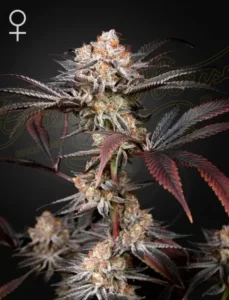
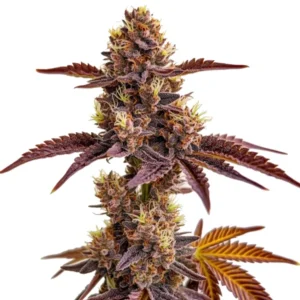
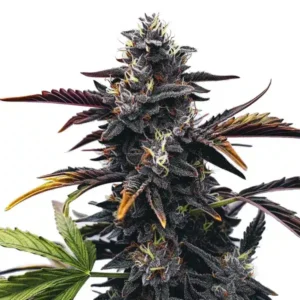
Wonder Pie

|
THC | 26% - 27% (High) |

|
Lineage | Wedding Cake x OG Kush |

|
Type | Feminized |

|
Height | 6.07 ft | 1.85 m |

|
Yield Outdoor | 28.22 oz/plant | 800 g/plant |

|
Flowering Time | 9 - 10 weeks |

|
Phenotype | 70% Indica / 30% Sativa |

|
Effects | Relaxed, Focused, Creative, Balanced, Talkative |

|
Flavors | Sweet, Fruity, Pungent |
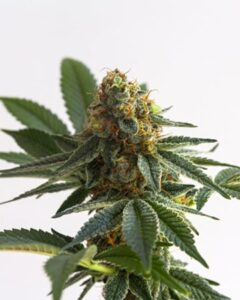
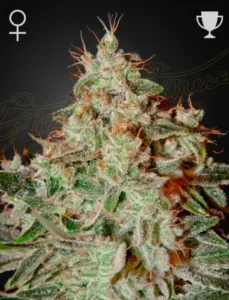
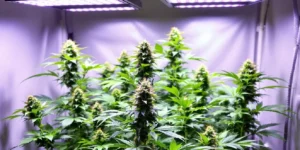
Alaska Thunderfuck Autoflower
|
|
THC | 22% - 23% (Medium) |
|
|
Lineage | (North American x Afghani) x Ruderalis |
|
|
Type | Autoflowering |
|
|
Height | 3.94 ft | 1.2 m |

|
Yield | High |

|
Yield Indoor | 1.64 oz/ft² | 500 g/m² |
|
|
Yield Outdoor | 28.22 oz/plant | 800 g/plant |
|
|
Life Cycle | 9 - 10 weeks |
|
|
Phenotype | 40% Indica / 60% Sativa |
|
|
Effects | Energetic, Euphoric, Happy |
|
|
Flavors | Earthy, Spicy, Sweet |
These glandular structures contain cannabinoids such as THC and CBD along with many of the volatile compounds associated with cannabis aroma. Loose kief commonly accumulates in the lower chamber of grinders fitted with a fine screen.
The terms kief and dry sift are sometimes used interchangeably, but quality can differ substantially.
Grinder kief is collected incidentally while flower is broken apart. As a result, it can contain pieces of leaf, trichome stalks and other plant material.
Purpose-made dry sift is generally processed through carefully selected screens to separate a larger proportion of intact resin heads from unwanted plant material.
That difference determines whether the material behaves well when dabbed.
Can You Put Regular Grinder Kief in a Dab Rig?
You physically can, but most grinder kief is not a particularly good dabbing material.
The problem is purity.
A conventional dab concentrate such as rosin, live resin or high-quality full-melt hash is expected to liquefy substantially when heated. Ordinary grinder kief often contains enough plant debris that part of the material burns or chars instead.
That can leave dark residue on the surface and produce a harsher, less predictable result.
Weedmaps describes ordinary kief as generally containing substantially more plant material than carefully refined dry sift. Higher-quality dry sift can reach full melt grade, while lower-quality material remains sandy and leaves residue when heated.
So the useful answer is:
You can dab kief, but the cleaner and more refined the resin, the better suited it is to dabbing.
What Is Full-Melt Kief or Dry Sift?
Full melt describes solventless resin clean enough to liquefy almost completely when heated and leave little residue behind.
The term is most commonly associated with premium hash, including carefully refined dry sift and bubble hash.
When properly produced, the material contains a very high proportion of resin heads and relatively little contaminating plant tissue. Weedmaps identifies clean melting with minimal residue as the defining characteristic of full-melt hash.
This makes full melt fundamentally different from the dusty material sitting at the bottom of an average grinder.
The two may originate from the same cannabis trichomes, but they have undergone very different levels of separation and refinement.
If someone specifically wants a solventless material intended for a dab rig, full-melt hash makes considerably more sense than ordinary grinder kief.
Kief vs Dry Sift: What’s the Difference?
The terminology is inconsistent across the cannabis market, but there is a useful practical distinction.
Kief usually means loose trichome material collected casually, particularly from a grinder.
Dry sift hash generally refers to resin that has been deliberately separated through one or more fine screens. Multiple screens can remove progressively more plant contamination and concentrate trichome heads.
Lower-grade dry sift may still behave similarly to ordinary kief.
Premium dry sift can reach full-melt quality.
For this reason, the important question is not simply whether the package says “kief” or “dry sift.” The more useful question is how cleanly the material melts.
Kief vs Hash
Kief is the loose starting material from which many traditional types of hash can be made.
Hash is produced when separated resin glands are collected and typically pressed or otherwise consolidated into a more cohesive product. Leafly describes hash essentially as compressed collections of kief or separated resin.
Quality still varies enormously.
A low-grade pressed hash containing substantial plant material may not be suitable for clean dabbing, while premium full-melt hash can be specifically valued for how completely it liquefies.
So “hash” does not automatically mean “dab-ready” any more than “kief” does.
Purity and melt quality matter more than the label.
Kief vs Rosin
Rosin is produced by applying heat and pressure to cannabis flower or hash so that resinous compounds are squeezed out and collected separately.
That means rosin is already a cohesive concentrate rather than a loose powder of trichomes and plant material.
Hash rosin made from well-refined starting material can contain relatively little plant contamination, making it much more naturally suited to a concentrate vaporization surface.
Kief does not receive that additional separation step.
This explains why a small pile of grinder kief behaves differently from a dab of rosin even though both ultimately originate from cannabis resin glands.
How Can You Tell Whether Kief Is Clean Enough to Melt?
Appearance alone cannot perfectly determine purity, but texture and melt behavior provide useful clues.
Poorer-quality grinder kief frequently looks dusty or sandy and may contain visible green or brown fragments of plant material.
More refined dry sift tends to contain a greater proportion of resin heads and less leaf material. High-quality sift can become sticky or oily when gently pressed because of its resin content.
The defining characteristic of full melt, however, is performance under heat: it liquefies substantially and leaves little to no solid residue.
A product sold commercially as full-melt dry sift or full-melt hash is therefore a much clearer candidate for concentrate-style use than unsorted grinder kief.

Does Kief Have More THC Than Flower?
Kief commonly contains a higher concentration of cannabinoids than the flower from which it was separated because it consists disproportionately of resin glands rather than whole plant tissue.
However, there is no universal THC percentage for kief.
Purity varies considerably.
Grinder kief containing leaf fragments can be much less concentrated than carefully separated dry sift, while different source flowers also begin with different cannabinoid compositions.
The current article describes kief broadly as extremely potent without distinguishing those quality levels.
A batch-specific laboratory result is the only reliable way to know the actual THC concentration.
Is Dabbing Kief Safer Than Smoking It?
There is not enough evidence to make that claim.
The existing article states that dabbing kief produces vapor that is less irritating to the lungs and avoids harmful combustion byproducts, presenting it as the preferred option for “health-conscious” consumers.
That framing should be removed.
CDC states that health and safety risks exist across different methods of cannabis use and that current evidence is insufficient to conclude that one method is categorically safer than another.
Dabbing and vaping also frequently involve concentrated THC products. CDC notes that concentrated products may deliver very high THC exposure and that the full health consequences of these high concentrations remain incompletely understood.
So this page should explain material compatibility, not advertise dabbing as a healthier consumption method.
Is There a Best Temperature for Dabbing Kief?
There is no single validated temperature range that applies to every product and device.
The existing article gives 315–450°F as the ideal range and claims that it maximizes cannabinoid extraction and terpene preservation.
I would remove that level of precision.
Actual surface temperature varies with the rig, heating element, thermometer accuracy and concentrate composition. More importantly, ordinary kief may contain plant material that chars regardless of whether the user follows an internet temperature recommendation.
The relevant distinction is simpler:
full-melt material is designed to liquefy cleanly; ordinary plant-contaminated kief is not.
There is no need to turn a definitional article into a detailed temperature protocol.
Can You Dab Kief Without a Rig?
That question is slightly misleading because dabbing normally refers specifically to vaporizing a cannabis concentrate on a heated concentrate surface or within equipment designed for concentrates.
Some portable vaporizers accept dry concentrates or hash, while others are intended exclusively for flower, oils or particular cartridges.
Ordinary vape pens should not automatically be assumed to accept loose kief.
The current article suggests vape pens and portable devices generically as alternatives. I would instead advise readers to check the manufacturer’s stated material compatibility.
Loose plant particles can clog or damage devices that were not designed for dry sift or hash.
Does Kief Preserve More Terpenes Than Other Concentrates?
Not necessarily.
The current article repeatedly presents kief as having richer terpene flavor than other concentrates.
Kief contains resin glands that include cannabinoids and aromatic compounds, so well-preserved material can certainly be aromatic.
But that does not mean ordinary kief universally contains more terpenes than live resin, rosin, full-melt hash or every other concentrate.
Source material, storage, processing and age all influence volatile-compound retention.
It is better to describe kief as potentially terpene-rich rather than claiming flavor superiority.
Is Kief the Same as Cannabis Pollen?
People sometimes call kief “pollen,” but botanically that terminology is inaccurate.
Cannabis pollen is produced by male reproductive flowers and carries genetic material used for fertilization.
Kief is separated glandular trichome material, primarily collected from resinous flower.
Leafly describes kief as the resin glands or trichome material that falls from cannabis buds.
For an educational article, I would therefore use “kief” or “dry sift” rather than reinforcing “pollen” as a scientific synonym.
Should You Dab Grinder Kief?
For most ordinary grinder kief, I would not present dabbing as the best use case.
The material is commonly too contaminated with plant matter to melt cleanly, meaning some of it may char and leave residue rather than vaporize like a refined concentrate.
Highly refined dry sift is different.
If it has been deliberately produced and graded as full melt, then clean melting with very little residue is precisely what distinguishes that quality level.
This distinction gives readers a much more accurate answer than the blanket statement “yes, kief can be dabbed.”
Can You Dab Kief? Bottom Line
Yes, but not all kief is equally suitable for dabbing.
Ordinary grinder kief contains trichomes mixed with varying amounts of plant material, so it may burn, char and leave substantial residue on a dab surface. Purpose-made dry sift can be much cleaner, and premium full-melt hash or dry sift is specifically distinguished by its ability to liquefy with little residue.
That is the distinction this page should emphasize.
Kief is not automatically the same thing as a dab concentrate simply because it contains cannabinoids and terpenes.
And dabbing should not be described as harmless or inherently safer than smoking. Concentrated THC products can produce substantial intoxication, while CDC says evidence is insufficient to rank cannabis consumption methods as universally safer or risk-free.
FAQs About Dabbing Kief
Can you dab kief from a grinder?
You technically can heat grinder kief on a dab surface, but it commonly contains leaf fragments and other plant material that can char and leave residue. Carefully refined dry sift performs better, while full-melt hash is specifically graded for its ability to liquefy almost completely with minimal residue.
What kind of kief can you dab?
Highly refined full-melt dry sift or hash is the most appropriate category. Full melt contains a high proportion of clean resin heads and is defined by how completely it liquefies when heated. Lower-grade dry sift and grinder kief contain more plant material and typically leave substantially more residue.
Is kief stronger than flower?
Kief can contain a higher cannabinoid concentration than whole flower because it consists largely of separated resin glands. However, actual potency varies according to source flower and purity. Grinder kief containing considerable plant debris can differ substantially from refined dry sift, so there is no universal THC percentage that applies to all kief.
Is dry sift the same as kief?
The terms overlap, but they can describe different quality levels. Kief commonly refers to loose trichome material collected from a grinder, while purpose-made dry sift is deliberately screened to separate resin heads from plant material. Highly refined dry sift can reach full-melt quality, whereas ordinary grinder kief usually does not.
Does kief melt when heated?
The resinous portion can melt, but ordinary kief also contains varying amounts of non-resin plant material that will not melt cleanly. Full-melt hash earns its name because high-quality resin liquefies with little solid residue. A large amount of char after heating generally indicates more plant contamination.
Is dabbing kief safer than smoking cannabis?
It should not be presented as categorically safer. CDC states that different cannabis consumption methods carry health risks and that evidence is insufficient to identify one method as universally safer. Concentrated THC products used for dabbing can also deliver high levels of THC and may increase the risk of overconsumption.