

Cranberry juice does not have a proven ability to remove THC metabolites from the body or make someone reliably pass a drug test. Drinking fluids can temporarily change how concentrated urine is, but that is dilution—not faster THC elimination. Cannabis urine tests commonly detect THC-COOH, which can remain detectable well after the intoxicating effects have ended.
Does Cranberry Juice Help You Pass a Drug Test?
There is no good scientific evidence showing that cranberry juice can reliably turn a cannabis drug test from positive to negative by accelerating THC elimination.
Recommended Strains
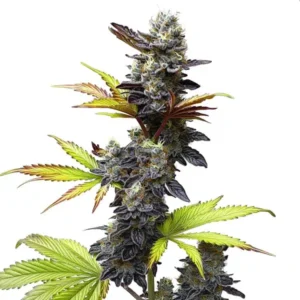
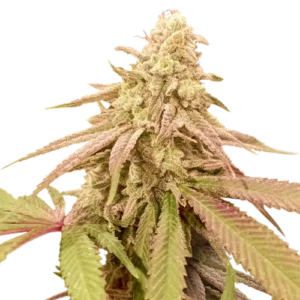
Mochi Gelato

|
THC | 20% - 25% (High) |

|
Lineage | Gelato 47 (Sunset Sherbert x Thin MInt Cookies) aka Mochi Gelato |

|
Type | Feminized |

|
Height | 4.92 ft | 1.5 m |

|
Yield | High |

|
Yield Indoor | 1.64 - 1.97 oz/ft² | 500 - 600 g/m² |

|
Yield Outdoor | 21.16 - 28.22 oz/plant | 600 - 800 g/plant |

|
Flowering Time | 8 - 10 weeks |

|
Phenotype | 40% Indica / 60% Sativa |

|
Medical | Anxiety, Migraines, Pain |

|
Effects | Energetic, Euphoric, Happy |

|
Flavors | Earthy, Herbal, Sweet |
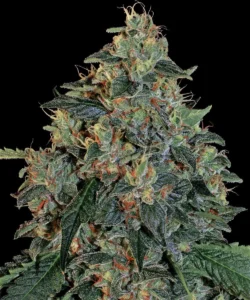
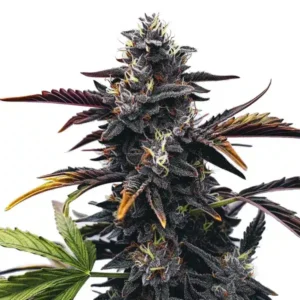
Blueberry Og
|
|
THC | 24% - 25% (High) |
|
|
Lineage | BlueBerry x OG Kush |
|
|
Type | Feminized |
|
|
Height | 4.43 ft | 1.35 m |
|
|
Yield Outdoor | 35.27 oz/plant | 1000 g/plant |
|
|
Flowering Time | 8 - 9 weeks |
|
|
Phenotype | 70% Indica / 30% Sativa |
|
|
Effects | Uplifted, Focused, Euphoric, Giggly, Sedative |
|
|
Flavors | Blueberry, Musk, Citrus, Pine |
The theory usually goes like this: cranberry juice makes you urinate more, frequent urination “flushes toxins,” and THC therefore leaves the body faster.
The problem is that this explanation confuses urine production with metabolic clearance.
A urine cannabis test generally does not look for “toxins.” It looks for specific drug compounds or metabolites. For cannabis, the principal urinary target is typically 11-nor-9-carboxy-THC, commonly called THC-COOH, a metabolite produced after the body processes THC.
Drinking cranberry juice does not provide a known mechanism that specifically accelerates the body’s production and elimination of that metabolite.
What Does a Cannabis Urine Test Detect?
Most urine testing for cannabis looks for THC-COOH rather than active THC itself.
That distinction matters because THC-COOH can remain detectable long after someone no longer feels high.
A 2026 systematic review covering 92 studies found that urinary THC-metabolite concentrations vary greatly according to dose and pattern of use. Even relatively low THC exposures could sometimes exceed workplace testing thresholds, while weekly-to-daily users could remain above some commonly used thresholds for weeks after stopping.
A positive urine result therefore establishes previous exposure within a variable detection period.
It does not, by itself, tell you exactly when cannabis was consumed, how much was used or whether the person was impaired when the sample was collected. The American College of Medical Toxicology specifically cautions against interpreting urine THC metabolites as evidence of current intoxication.
Does Cranberry Juice Flush THC Out of Your System?
Not in the sense implied by detox claims.
THC is extensively metabolized before its metabolites are eliminated through feces and urine. Simply producing more urine does not mean the metabolic processes responsible for clearing cannabinoids suddenly become substantially faster.
What additional fluid can do is change the concentration of compounds already present in the urine.
That is an important distinction:
Clearance means reducing the amount of a substance or metabolite remaining in the body over time.
Dilution means increasing the amount of water in a urine sample so the same urinary compounds may be present at a lower concentration.
Cranberry juice is a fluid. Any short-term effect it has on urinary concentration is therefore primarily related to fluid intake rather than a unique THC-detoxifying action.
Can Drinking More Fluid Lower THC Metabolite Concentration?
Hydration status can affect measured urine concentrations.
The American College of Medical Toxicology notes that urinary THC-metabolite concentrations are influenced by hydration as well as the extent and duration of THC exposure and time since the last exposure.
This does not make excessive drinking a reliable solution.
Urine-testing programs can perform specimen-validity testing designed to identify abnormal or diluted samples. Current SAMHSA workplace testing resources specifically require urine specimen-validity testing in federal programs.
Laboratories may consider measurements such as creatinine and specific gravity when evaluating whether a specimen is unusually dilute.
So “drink enough liquid and the test becomes negative” is not an accurate description of modern testing.

Is Cranberry Juice a Diuretic?
Cranberry juice is widely called a “natural diuretic” online, but that description is frequently overstated in drug-test advice.
Cranberry products have been studied primarily in relation to urinary tract health, particularly prevention of urinary tract infections, not as agents for increasing cannabis-metabolite clearance. Research in that field does not establish cranberry juice as a pharmacological method of drug detoxification.
If someone drinks several glasses of cranberry juice, they have also consumed several glasses of fluid.
An increase in urination under those circumstances does not demonstrate a special cranberry-specific detox effect.
How Long Does THC Stay Detectable in Urine?
There is no single reliable detection window for everyone.
Urinary detection depends on several variables, including:
- frequency of cannabis use
- amount of THC consumed
- route of administration
- time since last exposure
- individual physiology
- urine concentration
- the cutoff used by the testing program
The 2026 systematic review found particularly large differences between occasional exposure and regular use. Weekly and daily users may remain above common workplace thresholds for substantially longer than infrequent users.
Earlier toxicology literature likewise shows that THC-COOH can remain detectable for days in occasional users and considerably longer in chronic users.
For that reason, fixed claims such as “THC leaves urine in exactly X days” are unreliable.
Does Cranberry Juice Speed Up That Detection Window?
There is no established evidence that it meaningfully shortens the biological detection window for THC-COOH.
Time remains the major factor because the body has to metabolize and eliminate cannabinoids naturally.
This is why a cranberry-juice article should not promise that drinking it “several days before your test” improves the probability of passing. There is no validated cranberry dose or schedule for shortening cannabis detection.
Likewise, there is no evidence-based recommendation such as “two or three glasses per day.”
That kind of number creates the appearance of a tested protocol when none exists.
Can a Diluted Urine Sample Be Detected?
Yes.
Modern drug-testing programs can evaluate whether a urine specimen appears abnormally dilute.
SAMHSA’s federal testing framework includes specimen-validity procedures, while clinical guidance explains that urine creatinine and specific gravity can be used to evaluate unusually dilute specimens.
A laboratory may therefore report a test result together with an indication that the specimen was dilute, depending on the testing program and measurements involved.
This is another reason cranberry juice should not be presented as a dependable way to manipulate testing.
Can Cranberry Juice Mask THC?
There is no evidence that cranberry juice chemically masks THC-COOH from a properly conducted urine test.
The juice does not selectively bind the metabolite, destroy it or prevent a laboratory from detecting it.
Standard testing also commonly uses an initial screening procedure followed, where applicable, by more specific confirmatory analytical methods. Federal workplace programs define separate initial and confirmatory cutoff concentrations for marijuana metabolites.
So the concept of cranberry juice acting as a chemical “mask” is not supported.
What About Lemon Water, Apple Cider Vinegar or Green Tea?
There is similarly no established evidence that these common drinks accelerate THC-metabolite clearance enough to serve as reliable drug-test detox methods.
They may be normal components of someone’s diet or fluid intake.
That is different from demonstrating that they alter cannabinoid metabolism.
Claims about lemon water “flushing the liver,” apple cider vinegar detoxifying the body or green tea clearing THC frequently use vague ideas about “toxins” rather than measurements of THC-COOH pharmacokinetics.
For a drug-test article, they should not be presented as alternatives that improve the chance of a negative result.
What About Detox Drinks?
Products marketed specifically as drug-test detoxes should also be approached skeptically.
A drink can increase fluid intake, change urine concentration or add compounds to a sample, but those effects are not equivalent to rapidly removing THC metabolites from body tissues.
Federal workplace testing programs use both drug testing and specimen-validity procedures precisely because sample concentration and possible interference matter to interpretation.
The evidence-based approach is therefore to explain how testing works rather than rank supposed detox products.
Does Exercise Clear THC Faster Before a Drug Test?
Exercise should not be presented as a proven short-term drug-test strategy.
THC is highly lipophilic, and cannabinoid distribution and elimination are biologically more complicated than “exercise burns fat, therefore the urine becomes clean.”
Detection depends on prior exposure, time, metabolism and the specimen being tested.
Someone may exercise for general health, but this article should not prescribe exercise timing as a way to alter a test result.
Is It Dangerous to Drink Too Much Cranberry Juice or Water?
Excessive fluid intake is not harmless.
Drinking very large amounts of liquid over a short period can disrupt the body’s sodium-water balance and cause hyponatremia. Severe hyponatremia can cause neurological complications and can become life-threatening.
Cranberry juice can also contain substantial sugar depending on the product and may cause gastrointestinal discomfort when consumed in large amounts.
There is therefore no health rationale for extreme fluid consumption in an attempt to influence a drug test.
Normal hydration is the safer default.
What Actually Determines a Cannabis Drug-Test Result?
The outcome depends primarily on the testing method and the amount of relevant metabolite present relative to its cutoff.
Important variables include prior cannabis exposure, frequency of use, time since use and individual pharmacokinetics.
For federal workplace urine testing, the model program uses an initial marijuana-metabolite cutoff of 50 ng/mL and a confirmatory cutoff of 15 ng/mL. Other programs may use different thresholds.
A major 2026 review emphasized exactly this point: interpreting cannabis urine detection requires considering both use pattern and the cutoff applied by the particular testing context.
That is far more informative than trying to predict a result from how much cranberry juice someone drank.
Cranberry Juice for a Drug Test: The Bottom Line
Cranberry juice is not a proven THC detox.
It does not selectively remove THC-COOH, has not been shown to shorten cannabis detection windows and cannot reliably convert a positive urine test into a negative one.
Drinking fluids can temporarily influence urine concentration, but laboratories may evaluate specimen dilution, and changing urine concentration is not the same as accelerating cannabinoid metabolism.
The length of time cannabis remains detectable varies substantially with prior exposure and testing thresholds. Current research shows that frequent users can remain positive much longer than occasional users, sometimes for weeks.
So if the question is simply “Does cranberry juice work for a drug test?”, the evidence-based answer is:
No reliable evidence shows that it does.
FAQs About Cranberry Juice and Drug Tests
Does cranberry juice help you pass a drug test?
There is no scientific evidence that cranberry juice reliably helps someone pass a cannabis drug test. Fluid intake can change urine concentration temporarily, but cranberry juice does not specifically accelerate the elimination of THC-COOH. Modern urine-testing programs can also use specimen-validity measures to identify unusually dilute samples.
How much cranberry juice should you drink before a drug test?
There is no evidence-based cranberry juice dose for changing a drug-test result. Recommendations such as two or three glasses per day are not established medical or toxicological protocols. Drinking excessive fluid is also potentially harmful because severe overhydration can contribute to dangerous low blood sodium.
Does cranberry juice remove THC from urine?
No evidence shows that cranberry juice specifically removes THC metabolites from urine. Cannabis urine tests usually detect THC-COOH, which is produced through normal THC metabolism. Its concentration falls over time according to exposure patterns and individual pharmacokinetics; drinking cranberry juice does not selectively destroy or eliminate that metabolite.
Can cranberry juice cause a false-negative drug test?
Fluid intake can lower the concentration of compounds in urine, but this is dilution rather than removal of THC metabolites. Testing programs can evaluate specimen validity, including characteristics associated with dilution. Cranberry juice therefore should not be considered a reliable method for producing a negative result.
How long can cannabis show up in a urine test?
There is no single detection period. Detection depends on cannabis dose, frequency of use, time since exposure, individual physiology, urine concentration and the test cutoff. A 2026 systematic review found that regular weekly-to-daily users can remain above common workplace thresholds for weeks after stopping.
Does drinking lots of water clean THC out faster?
No. Drinking more water mainly changes hydration and urine concentration; it does not proportionally accelerate cannabinoid metabolism. Excessive fluid intake can also be unsafe, and testing programs may identify abnormally dilute urine through specimen-validity testing.