
Exotic weed is a slang term for rare, premium cannabis that stands out for its genetics, appearance, aroma, terpene profile, potency or limited availability. It’s not an official cannabis grade or regulated category, and high THC alone doesn’t make a strain exotic. What counts as exotic can also change by region and over time.
Choosing the right cultivar makes a real difference to how a grow turns out. If you are weighing up options, our guides to buying cannabis seeds online and cannabis seed laws in the USA break down what to expect from each, so you can match a strain to your space, your climate and your taste.
Recommended Strains
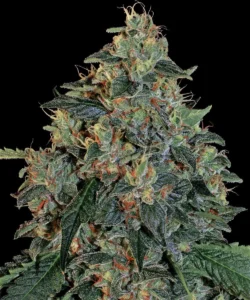
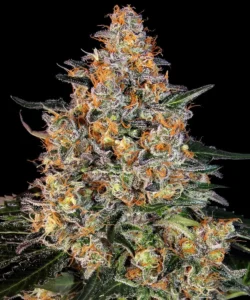
Blueberry Og

|
THC | 24% - 25% (High) |

|
Lineage | BlueBerry x OG Kush |

|
Type | Feminized |

|
Height | 4.43 ft | 1.35 m |

|
Yield Outdoor | 35.27 oz/plant | 1000 g/plant |

|
Flowering Time | 8 - 9 weeks |

|
Phenotype | 70% Indica / 30% Sativa |

|
Effects | Uplifted, Focused, Euphoric, Giggly, Sedative |

|
Flavors | Blueberry, Musk, Citrus, Pine |
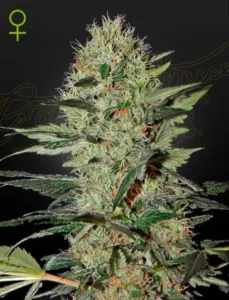
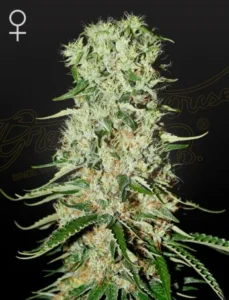
Exodus Cheese Auto
|
|
THC | 19% - 20% (Medium) |
|
|
Lineage | Exodus Cheese x Ruderalis |
|
|
Type | Autoflowering |
|
|
Height | 2.79 ft | 0.85 m |
|
|
Yield Outdoor | 3.53 oz/plant | 100 g/plant |
|
|
Life Cycle | 8 - 9 weeks |
|
|
Phenotype | 50% Indica / 50% Sativa |
|
|
Effects | Relaxed, Calming, Happy, Tingly |
|
|
Flavors | Cheese, Pungent, Skunk |
What is exotic weed?
Exotic weed generally refers to cannabis considered unusual, rare or especially distinctive compared with the flower commonly available in a particular market.
The important point is that “exotic” isn’t an official cannabis classification. There’s no regulatory standard specifying how much THC a strain needs, what genetics it must contain or what its buds must look like before it can legally be called exotic.
Instead, the term developed through cannabis culture and became associated with premium flower that stood out because of characteristics such as unusual genetics, intense aromas, heavy trichome coverage, striking colors or limited availability.
That makes the definition somewhat subjective. A strain considered exotic in one region may be completely ordinary somewhere else, and a cultivar that was once rare can lose its exotic status as its genetics become widely available.
What makes weed exotic?
There’s no single characteristic that turns ordinary cannabis into exotic weed. The label normally comes from a combination of characteristics.
Rare or distinctive genetics
Genetics are one of the strongest reasons a strain may be described as exotic.
Breeders continually cross cannabis varieties to produce new combinations of aroma, appearance, cannabinoid profile and plant characteristics.
When a new cultivar or phenotype appears in limited quantities and offers something noticeably different from commonly available strains, it may quickly earn an exotic reputation.
Rarity changes over time, though. Genetics such as Gelato and Runtz were once far less common than they are today, and their widespread popularity shows why “exotic” shouldn’t be treated as a permanent botanical category.
If you want to compare modern hybrids with an established cannabis family, Growlantis also explains the history and characteristics of OG weed strains.
Strong and unusual aroma
A distinctive aroma is another characteristic frequently associated with exotic cannabis.
Cannabis aroma comes largely from compounds known as terpenes, which can produce citrus, fruit, pine, floral, spicy, earthy, fuel-like and many other aromatic notes.
Exotic strains are often associated with particularly noticeable or complex terpene profiles. Instead of simply smelling generically “skunky,” for example, a cultivar might combine sweet candy notes with citrus, cream, berries, fuel or tropical fruit.
A strong smell doesn’t automatically mean the flower is exotic, but an unusual and recognizable aromatic profile can add a lot to that reputation.
Distinctive appearance
Visual appeal plays a major role in how exotic weed is marketed.
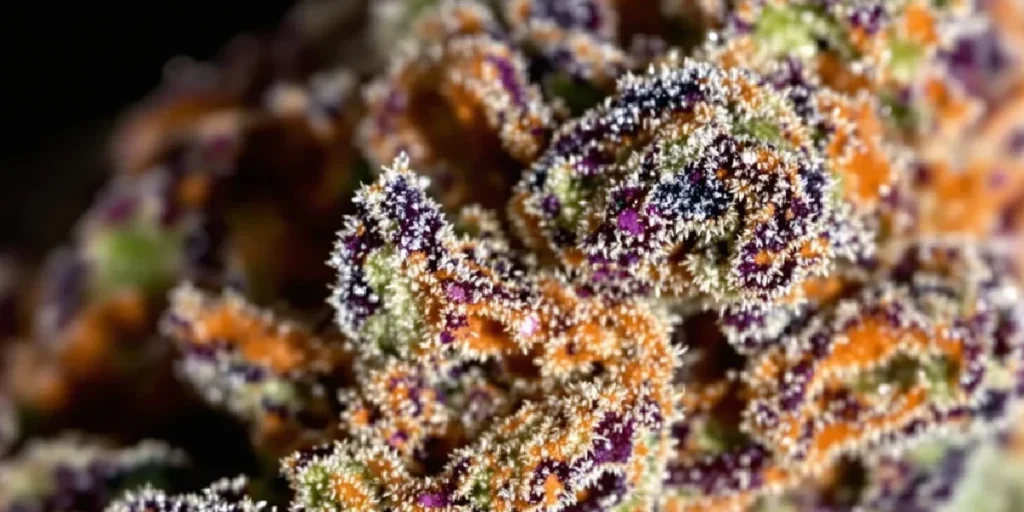
Flower described as exotic often has dense bud structure, visible resin glands and strong trichome coverage. Some varieties also display deep purple, reddish or unusual green tones alongside bright pistils.
Appearance shouldn’t be treated as proof of quality, though. Purple cannabis isn’t automatically exotic, and extremely frosty-looking flower isn’t automatically superior to less dramatic-looking cannabis. Visual characteristics are only one part of the picture.
Limited availability
Rarity is fundamental to the original idea of exotic cannabis.
If a cultivar is difficult to find, produced only in small batches or relatively uncommon in a particular region, it’s more likely to be described as exotic. This is also why the label is geographical.
A strain commonly available in California could be considered exotic somewhere those genetics are rarely seen. As distribution increases, that same strain may eventually become mainstream.
Potency
Many exotic cannabis strains are also associated with high THC levels.
But high THC doesn’t automatically make weed exotic. A widely available strain could have very high THC while being completely ordinary within its market. Conversely, a rare cultivar with an unusual terpene profile and distinctive genetics could reasonably be called exotic without having the highest THC percentage on the shelf.
Potency should be treated as one characteristic rather than the definition itself.
Exotic weed vs regular weed
The difference isn’t an official grading system, but the terms are generally used in the following way:
| Characteristic | Exotic weed | Regular commercial weed |
|---|---|---|
| Genetics | Often unusual or less common | Usually widely available |
| Availability | Often limited | Broadly available |
| Aroma | Frequently complex and distinctive | Can range from mild to strong |
| Appearance | Often visually distinctive | Highly variable |
| Trichomes | Often prominent | Depends on genetics and cultivation |
| THC | Frequently high, but not required | Can also be high |
| Terpene profile | Often a major selling point | Varies |
| Price | Often positioned at a premium | Usually less expensive |
| Official classification | None | None |
The key difference is distinctiveness and scarcity, not one particular THC number.
Is exotic weed stronger than regular weed?
It can be, but not necessarily.
Many cannabis products marketed as exotic have high THC concentrations, which contributes to their reputation for potency. But THC percentage alone can’t tell you whether a strain is exotic.
If two strains both contain high THC, the rarer cultivar with unusual genetics, distinctive aroma and limited availability is more likely to get the exotic label.
This is also why judging cannabis solely by the highest THC number can be misleading. Cannabinoid concentration, terpene profile, freshness, cultivation and individual tolerance all shape the overall experience.

Is exotic weed the same as top-shelf weed?
The terms overlap, but they’re not exactly the same.
Top-shelf weed generally describes cannabis positioned at the higher end of a quality range. The emphasis is usually on flower quality: cultivation, trimming, curing, freshness, aroma and overall presentation.
Exotic weed, by contrast, implies that something about the cannabis is also unusual or hard to find.
A strain can be top-shelf without being exotic. For example, a perfectly grown version of a very common strain could be premium-quality cannabis while still lacking the rarity generally associated with exotic genetics.
Likewise, simply calling something exotic doesn’t guarantee it was grown or cured well.
What does zaza mean?
Zaza, sometimes shortened to za, is cannabis slang closely associated with exotic weed.
In cannabis culture, the term generally describes premium, rare or particularly desirable flower rather than one specific cannabis strain. Like “exotic,” zaza became popular through street culture, hip-hop and social media, and today the terms are often used interchangeably.
Someone referring to “zaza” is usually implying the cannabis is high-end, aromatic, potent or hard to obtain. But zaza is still slang rather than an official quality grade, so packaging that says “zaza” doesn’t prove anything about the genetics, potency or quality of the product.
Popular exotic weed strains
There’s no official list of exotic strains because the category constantly changes. Still, several modern genetic families have become strongly associated with the exotic cannabis market.
Runtz
Runtz genetics became particularly recognizable for combinations of sweet, candy-like and fruity characteristics.
The original lineage is associated with Zkittlez and Gelato genetics, and numerous Runtz crosses have appeared since. As Runtz genetics have become much more widely available, whether they should still count as exotic depends heavily on the particular cultivar and local market.
Growlantis covers one example in its Muffin Runtz strain guide.
Gelato
Gelato is another genetic family frequently connected with modern exotic cannabis. It became popular for dessert-like aromatic profiles, colorful flower and potent hybrid varieties.
Numerous Gelato crosses now exist, which again shows how an exotic genetic family can gradually become mainstream.
For more on one member of this family, see the Growlantis Green Gelato strain guide.
Zkittlez genetics
Zkittlez and its descendants are commonly associated with pronounced fruit and candy aromas. The genetics have also been used extensively in modern breeding projects, including several Runtz-related cultivars.
Like Gelato, the original novelty has faded as Zkittlez genetics have spread internationally, but unusual crosses and specific phenotypes can still be marketed as exotic.
Cookies-derived genetics
Cookies genetics have played a major role in the modern premium cannabis market and appear in the ancestry of many contemporary hybrids.
Some Cookies-derived cultivars have been considered exotic because of their resin production, appearance and dessert-style aromatic profiles. But the Cookies family is now so widespread that the name alone shouldn’t be treated as proof that a particular strain is exotic.
How can you tell if weed is really exotic?
Because “exotic” isn’t regulated, it’s easy to use the word as a marketing label. The best approach is to look beyond the name.
Start with the genetics. A traceable lineage tells you a lot more than packaging that simply says “exotic.”
Then consider aroma and terpene characteristics. Distinctive cannabis should have a recognizable aromatic profile rather than relying entirely on visual presentation.
Flower condition also matters. Premium cannabis should generally be properly handled, stored and cured rather than excessively dry, damaged or poorly trimmed.
Where legal testing information is available, cannabinoid and terpene results can add useful context.
Most importantly, don’t assume that purple color, high THC, expensive packaging or the word “exotic” automatically equals quality. Good cannabis should be judged on several characteristics together.
Why is exotic weed more expensive?
Exotic cannabis is commonly positioned as a premium product because rarity and limited supply can increase perceived value.
New genetics may initially be available only from a small number of breeders or producers. Small-batch cultivation, careful selection of particular phenotypes and premium branding can also push prices higher.
A higher price doesn’t prove that cannabis is exotic or superior, though. Part of the premium can simply reflect marketing. As formerly rare genetics become widely available, prices and perceptions can shift a lot.
Does exotic weed have more terpenes?
Not automatically.
Exotic strains are often selected partly because of unusual or intense aromas, which makes terpene expression particularly important to their reputation. But the word exotic doesn’t guarantee a particular terpene percentage.
Genetics, cultivation conditions, harvest timing, drying, curing and storage can all affect the final aromatic quality of cannabis flower.
For a closer look at individual aromatic compounds, Growlantis also covers cannabis strains high in pinene and limonene.
Is exotic weed better?
Not necessarily.
“Exotic” describes perceived rarity and distinctiveness rather than objectively superior cannabis. Some exotic cultivars can offer outstanding genetics, aroma and flower quality. Others may simply carry premium branding.
Personal preference matters too. Someone who prefers classic earthy or pine-heavy cannabis may enjoy an established OG variety more than a modern exotic cultivar with extremely sweet dessert genetics.
The better question isn’t simply whether cannabis is exotic, but what characteristics actually make that particular flower distinctive.
Exotic weed: takeaway
Exotic weed is best understood as a cultural and market term for cannabis that stands out from what’s ordinarily available.
Rare genetics, distinctive appearance, complex terpene profiles, limited availability and high potency can all feed into the label. But there’s no official exotic cannabis standard, so consumers should be skeptical of products relying on the word alone.
High THC doesn’t automatically equal exotic, purple buds don’t automatically equal exotic, and premium packaging doesn’t automatically equal quality. The strongest indicator is a combination of identifiable genetics, distinctive characteristics and genuine rarity.
FAQs about exotic weed
What does exotic weed mean?
Exotic weed is slang for cannabis considered rare, premium or unusually distinctive because of its genetics, appearance, aroma, terpene profile, potency or limited availability. The term is not an official cannabis grade, so its meaning can vary between regions, dispensaries and consumers.
Is exotic weed stronger than regular weed?
Exotic weed is often associated with high THC, but it is not automatically stronger than other cannabis. Potency is only one characteristic. A strain may be described as exotic because of rare genetics, unusual aroma, strong terpene expression, distinctive appearance or scarcity even when another strain has more THC.
What makes a weed strain exotic?
A strain is commonly called exotic when several qualities stand out at once, such as uncommon genetics, dense trichome coverage, unusual colors, a complex aroma, distinctive flavors and limited availability. There is no regulated checklist, however, so the label should be treated as a description rather than a certification.
Is exotic weed the same as top-shelf weed?
Not exactly. Top-shelf usually describes a high-quality tier of cannabis based on cultivation, freshness and overall flower quality. Exotic emphasizes rarity and distinctiveness. A top-shelf strain can be excellent without being rare, while an exotic strain is generally expected to offer something unusual beyond basic quality.
What does zaza mean in weed?
Zaza, sometimes shortened to za, is cannabis slang commonly used for exotic or premium weed. It usually refers to flower perceived as rare, potent, aromatic and visually impressive rather than to one specific strain. Like exotic, zaza is an informal cultural term and does not represent a regulated quality standard.
Can exotic weed be indica or sativa?
Yes. Exotic weed can be indica-dominant, sativa-dominant or hybrid because exotic does not describe a botanical type. It describes perceived rarity, quality or distinctiveness. Modern exotic strains are frequently hybrids created from recognizable breeding lines, but no particular indica-to-sativa ratio is required for cannabis to receive the label.