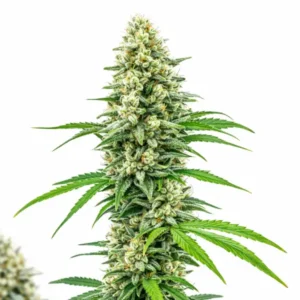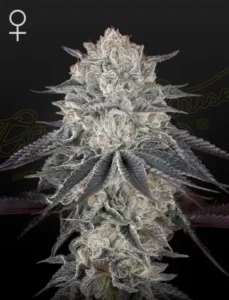
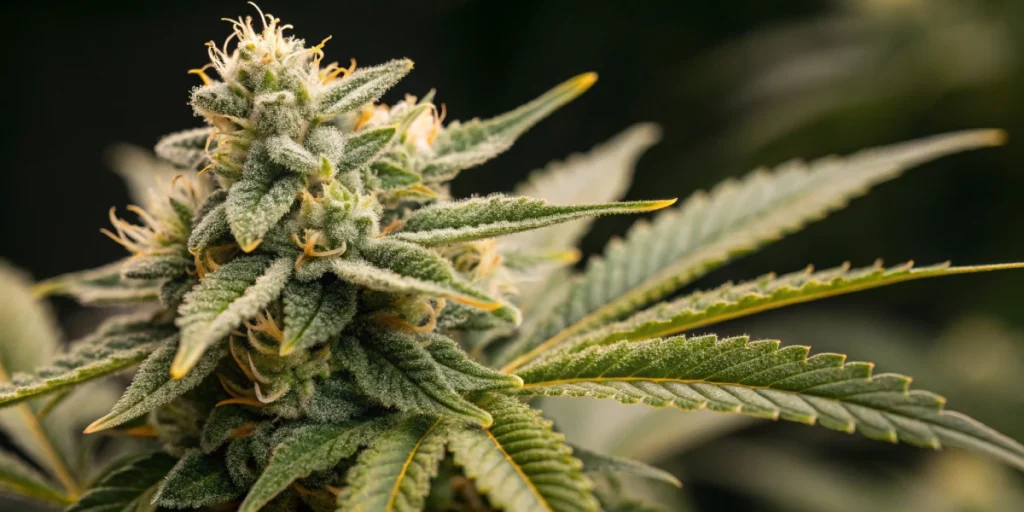

High limonene strains are cannabis cultivars that frequently produce relatively elevated levels of limonene, a citrus-scented terpene. Wedding Cake, Do-Si-Dos, MAC, Tahoe OG and Banana OG are common examples. However, terpene profiles vary between growers, plants and harvests, so the most reliable way to find genuinely high-limonene cannabis is to check a batch-specific laboratory terpene analysis.
Best High Limonene Strains at a Glance
| Strain | Why It Belongs on the List |
|---|---|
| Wedding Cake | Frequently appears in limonene-dominant lab datasets |
| Do-Si-Dos | Often associated with a limonene + caryophyllene profile |
| MAC | Commonly reported among limonene-rich cultivars |
| Tahoe OG | Frequently associated with elevated limonene |
| Banana OG | Appears in lab-backed limonene strain datasets |
| Strawberry Banana | Common limonene-rich candidate |
| White Fire OG | Often listed among limonene-dominant cultivars |
| Berry White | Another cultivar with recurring limonene-rich profiles |
These should be treated as good places to look, not guarantees.
Recommended Strains
Amnesi K Lemon

|
THC | 23% - 24% (High) |

|
Lineage | Amnesia x Lemon Skunk x Jack Herer |

|
Type | Feminized |

|
Height | 4.92 ft | 1.5 m |

|
Yield | High |

|
Yield Indoor | 1.64 - 1.8 oz/ft² | 500 - 550 g/m² |

|
Yield Outdoor | 21.16 - 24.69 oz/plant | 600 - 700 g/plant |

|
Flowering Time | 9 - 10 weeks |

|
Phenotype | 35% Indica / 65% Sativa |

|
Effects | Energetic |

|
Flavors | Citrus, Sweet, Earthy |
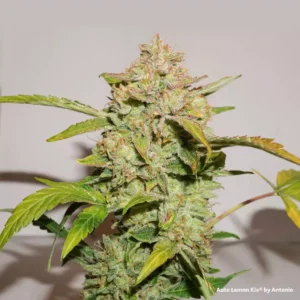
Auto Lemon Kix
|
|
THC | 20% - 23% (Medium) |
|
|
Lineage | Las Vegas Lemon Skunk x Autoflower |
|
|
Type | Autoflowering |
|
|
Height | 4.59 ft | 1.4 m |
|
|
Yield | High |
|
|
Yield Indoor | 1.47 - 1.64 oz/ft² | 450 - 500 g/m² |
|
|
Life Cycle | 11 - 13 weeks |
|
|
Phenotype | 20% Indica / 80% Sativa |
|
|
Effects | Energetic, Uplifted, Creative |
|
|
Flavors | Fruity, Lemon, Candy |
Commercial cannabis research consistently shows that terpene composition varies between samples, and products carrying the same strain name can have substantially different chemical profiles.
What Is Limonene?
Limonene is a naturally occurring monoterpene found in cannabis as well as citrus peels and many other plants.
Its name makes its aroma relatively easy to guess: limonene is strongly associated with citrus notes such as lemon, orange and grapefruit.
In commercial cannabis, it is also one of the more common terpenes. A large analysis of U.S. commercial cannabis found myrcene, beta-caryophyllene and limonene among the most abundant terpenes across samples.
That does not mean limonene dominates every citrus-smelling cannabis strain.
Cannabis aroma comes from mixtures of many volatile compounds, and the terpene producing the strongest chemical signal may not correspond neatly to the strain’s name or obvious aroma.
What Does “High Limonene” Actually Mean?
There is no universal cannabis industry threshold at which a flower officially becomes a high limonene strain.
The phrase is normally comparative.
A batch may be described as limonene-rich when limonene is one of its most abundant terpenes or when its laboratory concentration is relatively high compared with other cannabis products.
Large-scale commercial testing shows why fixed thresholds are difficult. In one U.S. dataset, individual terpenes were rarely above 0.5% of flower weight and most occurred below 0.2% in most samples, even though substantial differences existed between chemotypes.
The important number is therefore the actual batch-specific terpene result, not whether a strain appears on an internet list.
1. Wedding Cake
Best-known high limonene strain
Wedding Cake is one of the strongest starting points when searching for limonene-rich cannabis.
Lab-data summaries have repeatedly placed Wedding Cake among cultivars that commonly show limonene-dominant or limonene-rich profiles. It also appears within a broader commercial chemical family characterized by relatively high limonene and caryophyllene.
Its aroma is usually described as sweet, earthy, doughy or lightly citrusy rather than overwhelmingly lemon-like.
That is useful because it demonstrates an important point:
High limonene does not require a strain to have “Lemon” in its name.
If terpene content is the reason you are choosing Wedding Cake, check the actual lab report rather than assuming every version has the same chemistry.
2. Do-Si-Dos
Best limonene + caryophyllene example
Do-Si-Dos is another cultivar frequently associated with limonene-rich chemistry.
Commercial terpene descriptions often place limonene and caryophyllene among its leading terpenes, a combination also seen across several related Cookies and Kush-family products.
That chemistry can produce aromas considerably more complex than simple lemon.
Depending on the particular grow and phenotype, Do-Si-Dos can present sweet, earthy, floral, peppery or gassy notes alongside citrus.
Again, exact composition varies.
Use the strain name to narrow your search, then use the certificate of analysis to confirm whether limonene is actually dominant in the batch available to you.
3. MAC
Best modern hybrid option
MAC, short for Miracle Alien Cookies, frequently appears on lists derived from lab-tested cannabis as a cultivar capable of producing limonene-dominant profiles.
Its aroma is often more complex than a conventional citrus strain, combining citrus with earthy, floral or diesel-like characteristics depending on the expression.
That complexity illustrates why terpene analysis can be more informative than flavor labels alone.
If a MAC flower is being sold specifically as limonene-rich, look for a terpene panel showing limonene among the leading compounds.
Without that analysis, the name by itself is only an indication of what the chemistry might look like.
4. Tahoe OG
Best OG-family high limonene candidate
Tahoe OG is another commonly cited high-limonene cultivar.
OG-family cannabis is often associated with combinations of citrus, fuel, earth and pine rather than a straightforward lemon-candy aroma.
That makes Tahoe OG a useful example for anyone assuming limonene-rich flower must smell exactly like citrus peel.
Terpenes function as mixtures.
Limonene may be prominent alongside caryophyllene, myrcene, pinene or other volatile compounds, producing an aroma that does not resemble isolated limonene.
Batch testing remains more reliable than the OG label.
5. Banana OG
Best fruity option
Banana OG appears in lab-informed lists of cultivars that frequently produce limonene-rich terpene profiles.
The name might suggest that banana aroma should dominate, but fruit-associated cannabis aromas are chemically complicated and should not be assigned to one terpene alone.
Limonene can contribute brightness and citrus character while other volatile compounds shape the sweeter or tropical parts of the aroma.
This makes Banana OG another good example of why aroma name ≠ single terpene.
If you want Banana OG specifically because of limonene, confirm the current batch rather than buying solely from the strain label.
6. Strawberry Banana
Best sweet-fruit high limonene candidate
Strawberry Banana is also frequently identified among cannabis cultivars capable of producing relatively high limonene.
Its commercial reputation centers more on sweet and fruity aromas than pure citrus, yet limonene may still appear prominently in the terpene profile.
This is useful from an SEO and consumer-information standpoint because people searching for high limonene strains should not restrict themselves to cultivars containing Lemon or Citrus in the name.
Chemical testing is much more informative.
7. White Fire OG
Best alternative OG cultivar
White Fire OG, sometimes called WiFi OG, is another cultivar frequently included in lab-derived high-limonene lists.
Like Tahoe OG, its aromatic profile can extend far beyond citrus, with earthy, fuel-like or pine-associated notes depending on the particular plant and production environment.
If you are comparing two White Fire OG products, it is entirely possible for one to contain considerably more limonene than the other.
Research has found meaningful terpene variation even among plants grown from material carrying the same cultivar name.
8. Berry White
Best less-obvious limonene pick
Berry White rounds out the list because it appears among cultivars associated with elevated limonene despite its name giving no obvious citrus clue.
That makes it one of the better examples of why choosing cannabis by aroma terminology can be misleading.
A cultivar marketed as Berry White might still produce limonene as one of its major terpenes, while something named Lemon Haze might be dominated by an entirely different terpene.
If limonene itself matters, follow the chemistry rather than the branding.
Is Super Lemon Haze High in Limonene?
Sometimes—but it is not necessarily a limonene-dominant strain.
This is one of the most important corrections to the current version of this article.
Because the cultivar is called Super Lemon Haze and has a strong citrus reputation, it is easy to assume limonene must dominate its terpene profile.
Actual testing shows otherwise.
An analysis of several Lemon-family cannabis samples found that none of the examined products were, on average, limonene-dominant. Super Lemon Haze samples could instead show substantial terpinolene, alongside several other terpenes.
That does not mean Super Lemon Haze contains no limonene.
It means lemon aroma and strain naming are not reliable substitutes for laboratory analysis.
Is Lemon Skunk High in Limonene?
It can contain limonene, but the name alone does not prove that limonene is its dominant terpene.
The same problem applies across the entire Lemon strain family.
Cannabis aroma results from multiple terpenes and other volatile compounds, and different phenotypes or batches of a cultivar can express different proportions.
The current article describes Lemon Skunk as having high limonene because of its lemon aroma. That conclusion is too strong without batch-specific chemical data.
If a particular Lemon Skunk flower has a terpene COA showing limonene near the top, then describing that batch as limonene-rich is reasonable.
How to Find a Truly High Limonene Strain
The best method is to check a laboratory certificate of analysis, or COA, for the actual cannabis batch.
Look for a terpene panel rather than just THC and CBD.
The report may include compounds such as:
- Limonene
- Beta-caryophyllene
- Myrcene
- Alpha-pinene
- Beta-pinene
- Linalool
- Terpinolene
- Humulene
If limonene appears as the leading terpene—or among the leading compounds at a relatively elevated concentration—you have much stronger evidence than a strain database can provide.
This approach is especially important because research has repeatedly identified considerable chemical variation both within and between material carrying the same cultivar name.
Why Does Limonene Vary Between Batches?
Genetics matter, but they are not the only factor.
Individual plants from seed can differ genetically, while cultivation environment, plant development and post-harvest handling can affect the chemical profile ultimately measured in flower.
A controlled study analyzing ten plants from each of two cannabis strains found approximately 20% variability in major terpene concentrations even when plants were cultivated under controlled conditions and harvested at the same time.
More recent metabolomic research also indicates that cultivar is a major driver of cannabis chemistry while cultivation method contributes additional measurable variation.
That is why a strain can be a good candidate for high limonene without every harvest being chemically identical.
Does High Limonene Mean a Strain Will Smell Like Lemon?
Not always.
Limonene certainly contributes citrus-like aroma, but cannabis contains a complex mixture of volatile chemicals.
The overall smell reflects ratios between many terpenes and other aromatic compounds.
A limonene-rich cultivar can therefore smell sweet, gassy, creamy, floral or earthy as well as citrusy.
Conversely, a strongly lemon-smelling strain may obtain part of that character from compounds other than limonene.
Super Lemon Haze provides a good real-world example: strong citrus branding and aroma do not necessarily translate into limonene dominance.
Does Limonene Make Cannabis Uplifting?
It is too strong to say that high-limonene strains are inherently uplifting.
Subjective cannabis effects depend heavily on THC dose, cannabinoid composition, individual response and context.
There is, however, interesting human evidence that limonene can interact with some acute THC effects.
In a small randomized study involving 20 healthy adults who intermittently used cannabis, vaporized d-limonene given alongside THC reduced some ratings of anxiety and paranoia at the highest tested combination. Limonene alone did not produce measurable drug-like effects, and it did not change THC pharmacokinetics.
That is substantially more specific than saying “limonene improves mood.”
It also does not demonstrate that smoking an ordinary limonene-rich cannabis strain will reproduce the same result, because the experiment used controlled doses of isolated compounds.
Is Limonene Good for Anxiety or Stress?
It should not currently be presented as a proven treatment.
The human THC-limonene trial is promising because it provides direct experimental evidence rather than relying solely on animal or cell studies. But it was small, involved specific vaporized doses and examined acute THC-induced anxiety, not treatment of generalized anxiety disorder or chronic stress.
Cannabis itself can also worsen anxiety for some people, particularly at higher THC exposure. A broader critical review found a complicated relationship between cannabis use and anxiety rather than a universal anxiolytic effect.
So “high limonene = anti-anxiety strain” is not a responsible conclusion.
Does Limonene Increase THC Potency?
There is no good evidence that limonene makes THC concentration higher or automatically makes cannabis more potent.
In the controlled human study, adding d-limonene did not alter THC pharmacokinetics and most pharmacodynamic effects remained unchanged.
Commercial data also show that terpene chemotypes can differ while maintaining broadly similar THC distributions. One large U.S. analysis identified a high caryophyllene-limonene cluster, a myrcene-pinene cluster and a terpinolene-myrcene cluster without those categories simply corresponding to progressively higher THC.
Terpene profile and cannabinoid potency are related parts of cannabis chemistry, but they are not the same measurement.
Are High Limonene Strains Easier to Grow?
No evidence supports treating high-limonene cannabis as one cultivation category.
Wedding Cake, MAC, Tahoe OG, Banana OG and Do-Si-Dos come from different genetic backgrounds and can have very different growth characteristics.
Having limonene in common does not mean they require the same humidity, nutrient concentration, training strategy or flowering time.
Likewise, there is no established universal cultivation trick that simply “boosts limonene.”
Genetics appear to be a major driver of chemical composition, with cultivation environment adding additional variability.
The more defensible strategy is to select genetics known to produce the desired terpene profile, cultivate them consistently and verify the outcome through chemical analysis.
High Limonene Strains: Key Takeaway
The best high limonene strains to investigate include Wedding Cake, Do-Si-Dos, MAC, Tahoe OG, Banana OG, Strawberry Banana, White Fire OG and Berry White. Lab-informed strain datasets repeatedly associate these cultivars with elevated or dominant limonene profiles.
But none of those names guarantees a specific limonene percentage.
Cannabis terpene expression varies between plants, growers and harvests, while cultivar names themselves can represent chemically inconsistent material.
For that reason, the best answer to “which strain has the most limonene?” is ultimately:
check the terpene COA for the specific batch you are buying.
And do not assume that a strain with “Lemon” in its name will automatically be the winner.
FAQs About High Limonene Strains
What strains are high in limonene?
Wedding Cake, Do-Si-Dos, MAC, Tahoe OG, Banana OG, Strawberry Banana, White Fire OG and Berry White are commonly associated with limonene-rich terpene profiles. However, terpene concentrations vary between growers and batches, so a laboratory terpene analysis is more reliable than the strain name when confirming whether a specific product is genuinely high in limonene.
What strain has the highest limonene?
There is no single cannabis strain that always has the highest limonene level. Terpene concentrations change between phenotypes, plants, cultivation environments and batches. A cultivar such as Wedding Cake or Do-Si-Dos may frequently test high in limonene, but only a batch-specific laboratory result can establish which available product contains the most.
Is Super Lemon Haze high in limonene?
Super Lemon Haze can contain limonene, but it is not consistently limonene-dominant. Laboratory data from Lemon-family strains found examples where Super Lemon Haze contained more terpinolene and other terpenes than limonene. Citrus aroma or a “Lemon” strain name therefore does not guarantee a high-limonene chemical profile.
Does limonene make you feel energetic?
There is not enough evidence to say that limonene reliably produces an energetic or uplifting cannabis effect. A small controlled human trial found that vaporized limonene reduced some THC-induced anxiety ratings at a high tested combination, but limonene alone did not produce significant subjective effects. That study does not establish “energy” as a predictable limonene effect.
Does limonene reduce anxiety?
Early human evidence is interesting but limited. In one randomized study, d-limonene reduced some anxiety and paranoia ratings caused by THC under controlled conditions. However, this does not prove that ordinary limonene-rich cannabis treats anxiety disorders or that every high-limonene strain will feel calming. More clinical research is needed.
How can I tell if cannabis is high in limonene?
Check the product’s laboratory terpene panel or certificate of analysis. Limonene should appear among the dominant or relatively abundant terpenes in that specific batch. Aroma and strain names can provide clues, but research shows substantial terpene variability even between cannabis samples carrying the same cultivar name, making chemical testing more reliable.