

A hash hole is an infused cannabis joint made with flower surrounding a central line of hash or hash rosin. As the joint burns, the concentrate melts more slowly than the surrounding flower, creating a visible hole or ring in the ash. Hash holes are also called donut joints and are generally more potent than flower-only joints.
What Is a Hash Hole Joint?
A hash hole is essentially a cannabis flower joint with a concentrated hash core running through its center.
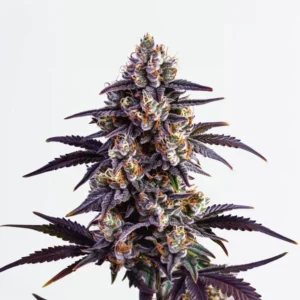
Recommended Strains
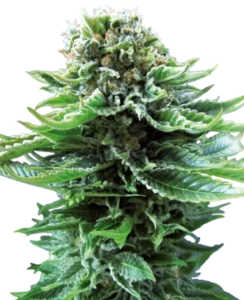
Northern Lights Automatic

|
THC | 10% - 14% (Low) |

|
Lineage | Thai x Afghani x Ruderalis |

|
Type | Feminized |

|
Height | 5.74 ft | 1.75 m |

|
Yield | Low |

|
Yield Indoor | 0.39 - 0.66 oz/ft² | 120 - 200 g/m² |

|
Flowering Time | 10 - 11 weeks |

|
Phenotype | 90% Indica / 10% Sativa |

|
Effects | Uplifted, Happy, Relaxed |

|
Flavors | Sweet, Pungent, Citrus, Pine |
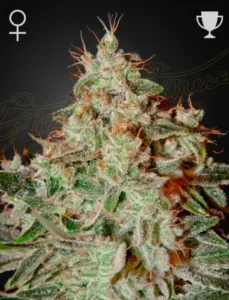
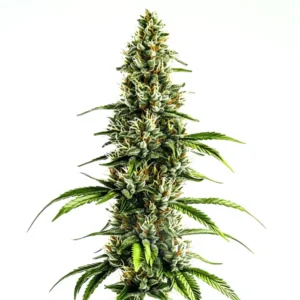
Lemon Skunk Seeds
|
|
THC | 23% - 25% (High) |
|
|
Lineage | Skunk x Citral |
|
|
Type | Feminized |
|
|
Height | 5.09 ft | 1.55 m |

|
Yield Outdoor | 28.22 oz/plant | 800 g/plant |
|
|
Flowering Time | 8 - 9 weeks |
|
|
Phenotype | 50% Indica / 50% Sativa |
|
|
Effects | Relaxed, Calming |
|
|
Flavors | Earthy, Citrus |
The middle is commonly made from hash rosin, although other suitable forms of hash or concentrate may also be used.
Instead of mixing concentrate randomly throughout the flower, the concentrate is positioned along the center of the roll.
This arrangement is what gives a hash hole its recognizable appearance when burning.
Weedmaps describes the defining feature as a strip of concentrate placed through the core of a flower pre-roll, while Leafly similarly describes hash holes as joints containing cured or live rosin through the center.
Why Is It Called a Hash Hole?
The name comes from what happens at the burning end.
As the cannabis flower burns around the concentrate, the hash or rosin in the center melts and burns differently from the surrounding plant material.
When everything burns evenly, this can leave a visible circular opening in the middle of the ash.
The cross-section resembles a donut.
That is why the terms: hash hole and donut joint
are commonly used for essentially the same style of infused joint.
Hash Hole vs Regular Joint
| Feature | Regular Joint | Hash Hole |
|---|---|---|
| Main material | Cannabis flower | Flower + concentrated hash |
| Concentrate core | No | Yes |
| Donut-shaped burn | No | Often |
| Potency | Depends on flower | Usually higher |
| Category | Standard joint | Infused joint |
| Construction | Relatively simple | More specialized |
The most important difference is the concentrated center.
A normal joint contains cannabis flower.
A hash hole combines flower with a substantially more concentrated cannabis product.
That naturally changes the amount of cannabinoids that can be delivered during the session.
Is a Hash Hole the Same as a Donut Joint?
Usually, yes.
“Donut joint,” “hash donut” and “hash hole” are often used interchangeably.
Hash hole emphasizes the hollow-looking center that appears in the ash.
Donut joint describes the ring-shaped cross-section.
There can be differences between individual products, particularly in the type of concentrate used, but the underlying concept is the same: flower wrapped around a concentrated hash core.
Is Every Infused Joint a Hash Hole?
No.
A hash hole is a type of infused joint, but not every infused joint qualifies as a hash hole.
An infused pre-roll might have concentrate mixed throughout the ground flower or applied in another way.
A hash hole is more specific.
Its defining characteristic is the concentrated core running through the center.
That distinction is useful because dispensary menus may use terms such as infused pre-roll, donut joint and hash hole alongside one another.
All hash holes are infused joints.
Not all infused joints are hash holes.
What Is Inside a Hash Hole?
The outside portion is cannabis flower.
The center is usually made from a concentrated cannabis resin product.
Modern hash holes are particularly associated with hash rosin, including cured rosin and live rosin.
Rosin is a solventless concentrate produced using heat and pressure rather than chemical solvents.
Some variations may use other forms of hash or compatible concentrate.
What matters for the definition is the placement:
flower outside, concentrated hash through the center.
Growlantis covers the broader differences between hash, rosin, wax, shatter and other products in its guide to cannabis concentrates and extracts.
Why Does the Hash Melt in the Middle?
Hash rosin contains concentrated cannabis resin.
Its physical properties differ from dried flower.
When heat reaches the center of a hash hole, the concentrate softens and melts while the surrounding flower combusts.
If the roll burns evenly, the flower forms a ring around the concentrate.
That creates the characteristic donut effect.
The central concentrate does not simply disappear instantly.
Its different burn behavior is precisely what produces the visible center for which hash holes are known.
Are Hash Holes Stronger Than Regular Joints?
Generally, yes.
A hash hole combines cannabis flower with a concentrate, so it can contain substantially more THC than a comparable flower-only joint.
However, there is no universal THC percentage for a hash hole.
Potency depends on the actual:
flower potency,
concentrate potency,
amount of concentrate,
and overall size of the product.
A hash hole should therefore not be assumed to contain one standardized dose.
The CDC notes that highly concentrated THC products can involve greater exposure to THC and that cannabis intoxication can affect attention, memory, coordination and perception.
For someone with limited cannabis experience, a concentrate-infused joint may produce considerably stronger effects than expected.
Does a Hash Hole Burn Longer?
It can.
Hash holes are often associated with slower, longer-burning sessions because the concentrate in the center behaves differently from dry flower.
However, a longer burn is not guaranteed simply because a joint contains hash.
Construction, airflow, flower moisture and how evenly the joint burns all affect the result.
A poorly constructed hash hole can burn unevenly just like any other joint.
The “perfect donut” seen in photographs is therefore partly a result of proper construction and an even burn, not an automatic property of every infused joint.
What Is the Difference Between Hash and Rosin in a Hash Hole?
“Hash” is a broad term covering concentrated preparations made from cannabis resin glands.
Rosin is a more specific concentrate.
Hash
Traditional hash can be produced by collecting and compressing cannabis trichomes through techniques such as dry sifting or ice-water separation.
Hash Rosin
Hash rosin is generally made by pressing hash using heat and pressure.
No hydrocarbon solvent is required in the pressing process.
Modern premium hash holes are particularly associated with rosin because its consistency can work well as the central concentrate.
But a hash hole is defined more by its structure than by one mandatory concentrate type.
Where Did Hash Holes Come From?
Infusing joints with hash is much older than the term “hash hole.”
Cannabis consumers have combined flower and hash in rolled products for decades.
The modern name and commercial format are more recent.
According to Weedmaps, California grower and breeder Shant Damirdjian, known as Fidel Hydro, is widely credited with naming and popularizing modern Hash Holes after encountering rosin-filled joints during a 2018 trip to Barcelona.
Fidel’s branded Hash Holes subsequently reached California dispensaries around 2021.
That makes an important distinction:
He did not invent the concept of combining hash and flower.
The association is primarily with the modern Hash Hole name and format.
Why Are Hash Holes Popular?
Their appeal comes mainly from combining two established cannabis formats:
flower and concentrates.
They also produce a distinctive visual result when burned correctly.
That has made hash holes particularly visible in contemporary concentrate culture and social media.
However, much of the language surrounding them—“premium,” “luxury,” “strongest” or “ultimate”—is marketing.
At the simplest level, a hash hole is just a specialized concentrate-infused joint with a central hash core.
Understanding that definition is more useful than the hype around it.
Hash Hole vs Blunt
A hash hole describes what is inside the roll.
A blunt describes the type or style of wrapper traditionally used.
That means these terms are not necessarily opposites.
A concentrate-centered roll could theoretically use different wrappers.
In everyday modern usage, however, hash hole most commonly refers to a paper-rolled flower joint with a rosin or hash center.
The defining feature remains the concentrated core.
Does the Cannabis Strain Matter?
The strain can affect the flower’s cannabinoid and aromatic profile, but there is no scientifically established “best hash hole strain.”
The original version of this article recommends GG4, Blue Dream and Girl Scout Cookies as though they were particularly suited to hash holes.
That is unnecessary.
A hash hole can be made using many types of cannabis flower.
More relevant factors are the actual quality and compatibility of the flower and concentrate.
Strain names also do not guarantee identical chemistry between producers.
For explaining what a hash hole is, individual seed recommendations add little value.

Are Hash Holes Safer Than Regular Joints?
No.
A hash hole is still smoked cannabis.
The CDC states that smoked cannabis, regardless of how it is smoked, can harm lung tissue and that cannabis smoke contains many of the same toxins, irritants and carcinogens found in tobacco smoke.
A hash hole can also expose someone to more THC than a flower-only joint because it contains concentrated cannabis.
That does not mean every hash hole produces the same risk or effect.
It means it should not be marketed as a smoother or safer form of smoking simply because it contains high-quality rosin.
What Is a Hash Hole? Key Takeaway
A hash hole is a cannabis joint containing a central core of hash or hash rosin surrounded by flower.
As it burns, the concentrate melts differently from the flower, often leaving a characteristic hole or donut-shaped ring in the ash.
That is why hash holes are also called donut joints.
They are a specific form of infused pre-roll and are generally more potent than flower-only joints because they combine cannabis with concentrated resin.
The defining feature is not a particular strain, brand or THC percentage.
It is the hash core running through the center of the joint.
FAQs About Hash Holes
What is a hash hole?
A hash hole is an infused cannabis joint made with ground flower surrounding a central line of hash or hash rosin. As the joint burns, the concentrate melts while the surrounding flower combusts, often producing a visible opening in the ash. This donut-shaped center explains the alternative name “donut joint.”
Is a hash hole the same as a donut joint?
Yes, the terms are generally used interchangeably. A hash hole describes the central opening produced as the concentrate and flower burn, while donut joint describes the ring-shaped appearance of the burning cross-section. Individual products may use different concentrates, but both names usually refer to the same basic infused-joint design.
Are hash holes stronger than normal joints?
Hash holes are generally more potent because they combine cannabis flower with concentrated hash or rosin. The exact strength varies according to the flower, concentrate and amount used, so there is no universal THC level. Someone accustomed only to flower may experience considerably greater THC exposure from a concentrate-infused joint.
What kind of hash is used in a hash hole?
Modern hash holes commonly use cured hash rosin or live hash rosin because the concentrate can be formed into a consistent central core. Other suitable forms of hash may also be used. The product is defined primarily by having concentrated cannabis running through the middle rather than by one mandatory type of hash.
Why does a hash hole have a hole in the middle?
The flower and concentrated hash burn differently. As heat reaches the center, the hash or rosin softens and melts while flower around it combusts. When the roll burns evenly, this creates a circular opening surrounded by ash, producing the recognizable donut-like cross-section that gives the hash hole its name.
Is every infused pre-roll a hash hole?
No. An infused pre-roll can contain concentrate mixed throughout the flower, applied to the exterior or incorporated in other ways. A hash hole is a more specific design in which a line of hash or rosin runs through the center. Therefore, every hash hole is infused, but not every infused joint is a hash hole.