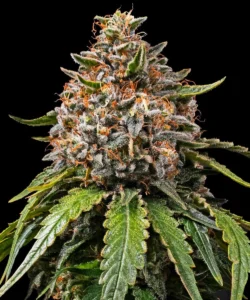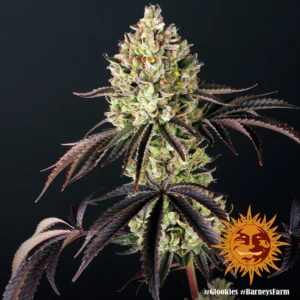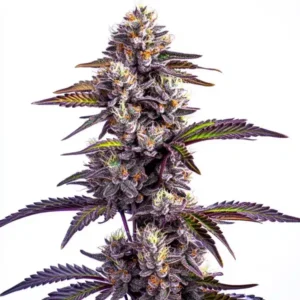


Chlorosis is a common problem for cannabis growers, characterized by the yellowing of leaves. It can occur in both soil and hydroponic systems, but the causes and solutions can vary depending on the growing medium. Recognizing the differences in chlorosis between soil-grown and hydroponic cannabis is crucial for maintaining healthy plants.
In soil-growing systems, chlorosis often results from nutrient deficiencies, pH imbalances, or poor soil aeration, which can lead to root problems. In contrast, hydroponic cannabis faces unique challenges, like nutrient lockout or improper nutrient solution concentrations, which can quickly lead to chlorosis if not addressed.
Recommended Strains
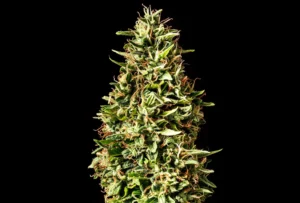
Runtz Auto

|
THC | 26% - 27% (High) |

|
Lineage | Gelato x Zkittlez x Ruderalis |

|
Type | Autoflowering |

|
Height | 7.05 ft | 2.15 m |

|
Yield | High |

|
Yield Indoor | 1.47 - 1.64 oz/ft² | 450 - 500 g/m² |

|
Yield Outdoor | 3.53 - 5.29 oz/plant | 100 - 150 g/plant |

|
Life Cycle | 8 - 9 weeks |

|
Phenotype | 50% Indica / 50% Sativa |

|
Effects | Balanced |

|
Flavors | Earthy, Floral, Sweet |
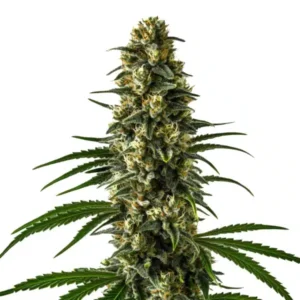
Girl Scout Cookies
|
|
THC | 18% - 25% (High) |
|
|
Lineage | Durban Poison x OG Kush |
|
|
Type | Feminized |
|
|
Height | 4.92 ft | 1.5 m |
|
|
Yield | High |
|
|
Yield Indoor | 1.64 oz/ft² | 500 g/m² |
|
|
Yield Outdoor | 21.16 - 24.69 oz/plant | 600 - 700 g/plant |
|
|
Flowering Time | 8 - 10 weeks |
|
|
Phenotype | 60% Indica / 40% Sativa |

|
Medical | Fatigue, Muscle Spasms, Stress |
|
|
Effects | Happy, Relaxed, Talkative |
|
|
Flavors | Fruity, Sweet |
For those growing popular strains like Runtz Auto, Girl Scout Cookies, and White Widow XXL from Growlantis, managing chlorosis effectively is key to achieving optimal yields and potency. Each strain has its own set of characteristics and requirements, making it essential to tailor your approach to chlorosis based on the specific strain and growing method.
Causes of Chlorosis in Soil-Grown Cannabis
Soil-grown cannabis can experience chlorosis due to several factors. One of the primary causes is nutrient deficiencies. Essential nutrients like nitrogen, magnesium, and iron are vital for healthy cannabis growth. When these nutrients are insufficient, the leaves may start to yellow, indicating chlorosis.
Identifying the specific nutrient needs for each strain can help mitigate chlorosis. For instance, Runtz Auto requires a balanced mix of micro and macronutrients to maintain its vibrant growth and high THC levels. By conducting regular soil tests, growers can identify any potential deficiencies early and apply targeted nutrient amendments. Additionally, maintaining a consistent watering schedule with proper drainage can prevent nutrient runoff and ensure that the plants absorb the necessary nutrients, reducing the risk of soil-grown cannabis leaf yellowing.
Nutrient Deficiencies
Nitrogen deficiency is a common issue in soil-grown cannabis. It results in yellowing of the older leaves, eventually spreading throughout the plant. To prevent this, ensure your soil is rich in nitrogen or use a nitrogen supplement. Magnesium and iron deficiencies can also lead to chlorosis, often manifesting as yellowing between the leaf veins.
For strains like Runtz Auto, maintaining balanced soil nutrients is crucial. This strain is known for its robust growth and high THC content, but it requires a well-aerated and nutrient-rich soil to thrive.
pH Imbalances and Soil Aeration
pH imbalances in the soil can lead to nutrient lockout, making it difficult for plants to absorb essential nutrients, even when they are present. Regularly testing and adjusting the soil pH can prevent this issue. Aim for a pH level between 6.0 and 7.0 for optimal nutrient uptake.
Proper soil aeration is essential for root health. Compact soil can restrict root growth and lead to oxygen deprivation, resulting in chlorosis. Techniques like using perlite or vermiculite in your soil mix can improve aeration and prevent these issues.
Chlorosis Challenges in Hydroponic Systems
Hydroponic cannabis cultivation offers precise control over nutrient delivery but comes with its own set of challenges. Chlorosis in hydroponic systems can occur due to improper nutrient solution concentrations or nutrient lockout.
Hydroponic systems demand constant attention to the nutrient solution’s concentration and composition. For example, Girl Scout Cookies, a strain known for its high yield potential, can suffer from hydroponic cannabis nutrient deficiencies if the nutrient mix is not carefully balanced. Regularly adjusting the nutrient profile to match the plant’s growth stage is crucial. Additionally, investing in a reliable nutrient monitoring system can help growers detect imbalances early, allowing for quick adjustments and minimizing the risk of chlorosis in soil vs hydroponics. This proactive approach ensures the plants receive consistent nourishment, promoting vigorous growth and healthy foliage.
Nutrient Solution Concentrations
Hydroponic systems rely on nutrient solutions to deliver essential minerals directly to the plant roots. If the concentration of nutrients is too high or too low, it can lead to chlorosis. Monitoring and adjusting the electrical conductivity (EC) of your nutrient solution is crucial to prevent this issue.
For strains like Girl Scout Cookies, known for its balanced hybrid effects and high yield potential, maintaining precise nutrient levels is essential. This strain thrives in hydroponic systems when provided with the right nutrient balance.
Nutrient Lockout and pH Levels
Nutrient lockout occurs when nutrients are present but unavailable to the plant due to pH imbalances. In hydroponics, maintaining a pH range of 5.5 to 6.5 is ideal for optimal nutrient absorption. Regularly checking and adjusting pH levels can prevent nutrient lockout and the resulting chlorosis.
Some growers find success by incorporating automated pH monitoring systems, especially when cultivating high-demand strains like White Widow XXL. This strain is renowned for its resin production and potency, requiring precise nutrient management to avoid chlorosis.

Comparing Soil and Hydroponic Chlorosis Management
Managing chlorosis in soil vs hydroponic systems requires different strategies. In soil, the focus is often on improving soil quality and nutrient availability. In hydroponics, the emphasis is on precise nutrient delivery and environmental control.
For cannabis cultivators, analyzing the nuances of soil vs hydroponic cannabis chlorosis management is essential to optimize plant health. Soil growers might benefit from incorporating organic matter to improve soil structure and nutrient retention, while hydroponic growers should prioritize automation for nutrient and pH adjustments. Tailoring these strategies to the specific needs of strains like White Widow XXL ensures the plants receive the right conditions to thrive. Consistent monitoring and timely interventions can make a significant difference in preventing chlorosis, ultimately leading to healthier plants and more bountiful harvests.
Soil-Based Strategies
For soil growers, regular soil testing is a valuable tool for identifying nutrient deficiencies and pH imbalances. Amendments such as compost, lime, or sulfur can be used to adjust soil conditions. Additionally, organic fertilizers can help maintain soil health and prevent chlorosis.
When growing strains like Runtz Auto, which prefers a well-balanced soil environment, incorporating organic matter and maintaining consistent watering schedules can promote healthy growth and reduce the risk of chlorosis.
Hydroponic Solutions
In hydroponic systems, the key is maintaining a stable nutrient solution. Regularly check EC and pH levels, and adjust nutrient concentrations as needed. Automated systems can help maintain consistency, reducing the risk of human error.
Hydroponic growers of Girl Scout Cookies can benefit from using high-quality nutrient solutions tailored to the strain’s needs. This ensures that the plants receive the right nutrients at the right time, minimizing the likelihood of chlorosis.
Real-Life Examples and Tips for Preventing Chlorosis
Preventing chlorosis requires a proactive approach and attention to detail. Here are some real-life examples and tips to help you maintain healthy cannabis plants and avoid chlorosis.
Real-life experiences from growers of Growlantis strains highlight the importance of proactive monitoring and environmental control. For instance, those cultivating White Widow XXL have found that maintaining a slightly cooler environment can enhance resin production while preventing chlorosis. Similarly, Runtz Auto growers emphasize the value of consistent nutrient schedules and soil aeration techniques. Sharing cultivation challenges and solutions within the growing community can provide invaluable insights, helping others to manage chlorosis in cannabis cultivation effectively and achieve successful results.
Proactive Monitoring
Regularly inspect your plants for signs of chlorosis and address issues promptly. Early intervention can prevent the problem from spreading and affecting your entire crop.
For growers of White Widow XXL, known for its high resin content, maintaining a close watch on leaf color and growth patterns is essential. This strain can produce impressive yields when chlorosis is effectively managed.
Environmental Control
Controlling the growing environment is crucial for preventing chlorosis. Ensure that temperature, humidity, and light levels are within the optimal range for your specific strain. This creates a stable environment that supports healthy plant growth.
Using environmental control systems can benefit strains like Runtz Auto, allowing them to reach their full growth potential and produce high-quality buds without the threat of chlorosis.

FAQ
What is cannabis chlorosis, and how can it be identified?
Cannabis chlorosis is the yellowing of leaves due to nutrient deficiencies, pH imbalances, or other environmental factors. It can be identified by the yellowing of leaves, often starting at the leaf edges or between veins. Regular monitoring and addressing the underlying causes are essential to prevent its spread.
Why does chlorosis differ between soil and hydroponic systems?
Chlorosis differs between soil and hydroponic systems due to the distinct ways nutrients are delivered and absorbed. In soil systems, nutrient availability is influenced by soil quality and pH, while in hydroponics, precise nutrient solution management and pH control are crucial to prevent chlorosis.
How can soil-grown cannabis chlorosis be managed?
To manage soil-grown cannabis chlorosis, focus on maintaining nutrient-rich soil, proper pH levels, and adequate aeration. Regular soil testing can help identify deficiencies, allowing for targeted amendments. Using organic fertilizers can also promote soil health and prevent chlorosis.
What are the best practices for preventing chlorosis in hydroponic cannabis?
In hydroponic systems, preventing chlorosis involves maintaining stable nutrient solution concentrations and pH levels. Regular monitoring of EC and pH, along with adjusting nutrient mixes, helps ensure optimal nutrient uptake. Automated systems can enhance consistency and reduce the risk of chlorosis.
Which Growlantis strains are most susceptible to chlorosis?
All cannabis strains can experience chlorosis if not properly managed, but high-demand strains like Girl Scout Cookies, Runtz Auto, and White Widow XXL require particular attention to nutrient and environmental conditions. Ensuring these strains receive the correct nutrients and growing conditions can mitigate the risk of chlorosis.