

In the world of cannabis cultivation, achieving optimal plant health is a primary goal for both novice and experienced growers. One of the indicators of plant health is the Brix level, which measures the sugar content within the plant tissues. Low Brix levels in cannabis plants can signify various issues, from nutrient deficiencies to environmental stresses. Addressing these issues is crucial for enhancing the quality and yield of your crops.
Growlantis offers a range of cannabis strains that can be affected by low Brix levels, including the popular Runtz Muffin, Forbidden Runtz Auto, and Guava X Gelato 41 Auto. Each strain has unique characteristics, and recognizing how to maintain their Brix levels can lead to healthier plants and better harvests. By delving into the specifics of troubleshooting low Brix levels in cannabis plants, you can ensure your grow is as successful as possible.
Recommended Strains

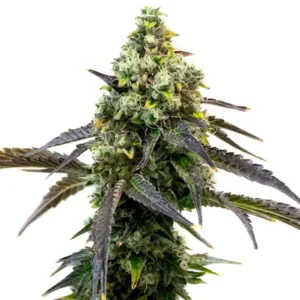
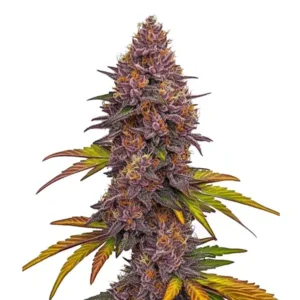
Runtz Muffin

|
THC | 28% - 29% (High) |

|
Lineage | Original Z x Gelato #33 x Orange Punch |

|
Type | Feminized |

|
Height | 5.74 ft | 1.75 m |

|
Yield Outdoor | 35.27 oz/plant | 1000 g/plant |

|
Flowering Time | 8 - 9 weeks |

|
Phenotype | 70% Indica / 30% Sativa |

|
Effects | Uplifted, Euphoric, Relaxed, Happy, Calming |

|
Flavors | Fruity, Candy, Pineapple, Citrus |
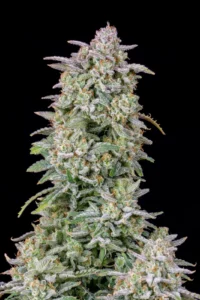
Forbidden Runtz Auto
|
|
THC | 23% - 26% (High) |
|
|
Lineage | Forbidden Fruit x Runtz x Ruderalis |
|
|
Type | Autoflowering |
|
|
Height | 3.94 ft | 1.2 m |

|
Yield | High |

|
Yield Indoor | 1.47 - 1.8 oz/ft² | 450 - 550 g/m² |
|
|
Life Cycle | 9 - 10 weeks |
|
|
Phenotype | 65% Indica / 35% Sativa |
|
|
Effects | Relaxed, Happy, Hungry |
|
|
Flavors | Earthy, Fruity, Sweet |
Runtz Muffin, for instance, is known for its high THC levels and sweet flavor profile. However, low Brix levels in this strain might reduce its potency and sweetness. Forbidden Runtz Auto, with its faster flowering time and ease of growth, can also suffer from low Brix, impacting yield and resin production. Guava X Gelato 41 Auto, admired for its balanced effects and fruity aroma, requires careful monitoring to maintain its quality, especially when Brix levels drop.
What Are Brix Levels and Why They Matter
Brix levels refer to the amount of dissolved sugars in the plant’s sap, a crucial indicator of plant health and vigor. These sugars are the building blocks for various plant functions, including growth, photosynthesis, and stress resistance. In cannabis plants, maintaining adequate Brix levels is essential for maximizing yield, potency, and flavor.
High Brix levels generally indicate a healthy plant with robust growth and strong resistance to pests and diseases. Conversely, low Brix levels can suggest underlying issues that need attention. For strains like Runtz Muffin, which thrives on high potency and flavor, maintaining adequate Brix levels is essential to achieve its renowned sweet and potent profile.
Recognizing the importance of Brix levels goes beyond just measuring sugar content; it’s about grasping the overall vitality of your cannabis plants. Troubleshooting low Brix levels in cannabis cultivation involves looking at the entire ecosystem in which your plants are growing. This includes ensuring that your plants have access to clean water, balanced nutrients, and optimal growing conditions. By focusing on improving Brix levels in cannabis farming, you effectively enhance the plant’s ability to produce sugars, which in turn supports stronger growth and better yields for strains like Guava X Gelato 41 Auto.
The Science Behind Brix Levels
The measurement of Brix is done using a refractometer, an instrument that gauges the sugar content in plant sap. This tool provides a quick assessment of the plant’s overall health. In cannabis cultivation, monitoring Brix levels helps identify potential problems early, allowing growers to make informed decisions about nutrient management and environmental adjustments.
For example, Forbidden Runtz Auto, known for its rapid growth cycle, benefits from regular Brix monitoring to ensure nutrient uptake is optimized throughout its lifecycle. This proactive approach helps maintain the strain’s yield potential and quality.
Common Causes of Low Brix Levels in Cannabis
Several factors can lead to low Brix levels in cannabis crops. Recognizing these factors is the first step in diagnosing and correcting the issue. Environmental stresses, nutrient imbalances, and poor soil quality are among the top contributors to reduced Brix levels.
Environmental conditions such as inadequate light, temperature fluctuations, and poor air circulation can stress cannabis plants, leading to lower Brix levels. Guava X Gelato 41 Auto, which thrives in stable conditions, may exhibit reduced Brix levels if exposed to harsh or inconsistent environments.
Another crucial aspect of troubleshooting low Brix levels in cannabis plants is recognizing the impact of water quality. Poor water quality, often overlooked, can lead to nutrient lockout, preventing the plant from absorbing essential nutrients required for sugar production. Ensuring that your water source is free of contaminants and has the right pH balance can significantly aid in how to fix low Brix levels in marijuana plants like Runtz Muffin. Regularly testing and adjusting water quality, along with addressing nutrient and environmental factors, can result in healthier plants with higher Brix levels.
Nutrient Deficiencies
Nutrient deficiencies are a common reason for low Brix levels. Essential nutrients like nitrogen, phosphorus, and potassium play significant roles in the plant’s metabolic processes. A lack of these nutrients can impede sugar production, resulting in lower Brix levels.
For strains like Runtz Muffin, maintaining a balanced nutrient regimen is crucial to support its high THC content and flavor profile. Adjusting nutrient levels based on Brix readings can help maintain the strain’s desired characteristics.
Poor Soil Quality
Soil quality significantly impacts Brix levels in cannabis plants. Soil that is compacted or lacks organic matter can restrict root growth and nutrient uptake, leading to lower Brix levels. Ensuring soil is well-aerated and rich in organic material can enhance nutrient availability and promote healthy Brix levels.
Forbidden Runtz Auto, with its auto-flowering nature, benefits from high-quality soil that supports its rapid growth cycle. Regular soil amendments and monitoring can prevent Brix level drops and maintain optimal plant health.

Strategies for Improving Brix Levels
Improving Brix levels in cannabis farming involves a combination of adjusting environmental conditions, optimizing nutrient management, and enhancing soil quality. By implementing these strategies, growers can enhance the health and productivity of their cannabis plants.
For cannabis strains like Guava X Gelato 41 Auto, which are prized for their balanced effects and aroma, improving Brix levels can elevate the overall quality of the harvest. Regular monitoring and adjustments based on Brix readings can lead to more flavorful and potent buds.
Utilizing organic farming practices is a strategic approach to improving Brix levels in cannabis farming. Organic methods, such as composting and the use of natural fertilizers, can enrich the soil with essential nutrients and beneficial microorganisms. This improves the soil’s structure and fertility, allowing for better nutrient uptake and higher Brix levels. For strains like Forbidden Runtz Auto, which require consistent nutrient supply throughout their growth cycle, integrating organic practices can support robust growth and higher yields. By fostering a sustainable growing environment, you can effectively troubleshoot low Brix levels in cannabis cultivation and enhance the overall quality of your crops.
Optimizing Nutrient Management
To improve Brix levels, start by reassessing your nutrient management strategy. Ensure your plants receive a balanced diet of macronutrients and micronutrients. Consider using organic fertilizers that release nutrients slowly and improve overall soil health.
Runtz Muffin, with its high THC levels, benefits from a nutrient regimen that supports robust trichome production and flavor development. Adjusting nutrient solutions based on Brix readings can help achieve these goals.
Enhancing Environmental Conditions
Environmental optimization is key to improving Brix levels. Ensure your grow area receives adequate light, maintains stable temperatures, and has proper ventilation. These factors contribute to the plant’s ability to produce and store sugars effectively.
For strains like Forbidden Runtz Auto, optimizing environmental conditions can enhance its yield potential and resin production. Regularly check and adjust your grow setup to support healthy Brix levels.
Monitoring and Diagnosing Brix Levels Effectively
Effective monitoring and diagnosis are vital for maintaining healthy Brix levels in cannabis plants. By using tools like refractometers and maintaining detailed records, growers can identify trends and make informed decisions about their cultivation practices.
For Guava X Gelato 41 Auto, continuous monitoring allows for timely interventions that prevent Brix levels from dropping. This proactive approach ensures the strain maintains its fruity aroma and balanced effects.
Regular communication and collaboration with fellow growers can also be instrumental in diagnosing low Brix levels in cannabis plants. Sharing experiences and strategies can help identify successful techniques for maintaining ideal Brix levels across different strains and growing conditions. Engaging with community forums or local grower groups can provide valuable insights into troubleshooting low Brix levels in cannabis plants like Runtz Muffin. By learning from others and sharing your experiences, you can enhance your knowledge of effective cultivation practices, ultimately leading to healthier plants and higher quality harvests.
Using Refractometers
Refractometers are essential tools for monitoring Brix levels. These instruments provide quick and accurate readings, allowing growers to assess plant health in real-time. Regular use of refractometers can help identify issues early and guide nutrient and environmental adjustments.
When growing Runtz Muffin, regular refractometer readings ensure that the strain’s high THC content and flavor profile are maintained. Use these readings to adjust your growing practices as needed.
Record-Keeping and Trend Analysis
Maintaining detailed records of Brix levels and other cultivation parameters is crucial for diagnosing low Brix levels effectively. By analyzing trends over time, growers can identify patterns and make data-driven decisions about their growing techniques.
For Forbidden Runtz Auto, keeping track of Brix levels throughout its growth cycle can help optimize its rapid flowering process. Use this information to refine your cultivation strategy and improve overall plant health.

FAQ Section
How do I measure Brix levels in my cannabis plants?
To measure Brix levels, you’ll need a refractometer, a tool that measures the sugar content in the plant’s sap. Collect a small sample of sap by gently squeezing a leaf or stem, then place the sap on the refractometer’s prism. Look through the eyepiece to read the Brix level. For accurate results, measure at the same time each day and under consistent environmental conditions.
Monitoring Brix levels regularly can help you identify issues early and make necessary adjustments to nutrient and environmental conditions, ensuring optimal plant health and yield.
What factors can cause low Brix levels in cannabis plants?
Low Brix levels can result from various factors, including nutrient deficiencies, environmental stresses, and poor soil quality. Common nutrient deficiencies include nitrogen, phosphorus, and potassium, which are essential for plant growth and sugar production. Environmental factors such as inadequate light, temperature fluctuations, and poor air circulation can also lead to reduced Brix levels.
Addressing these factors by optimizing nutrient management, enhancing environmental conditions, and improving soil quality can help increase Brix levels and improve overall plant health.
Can improving Brix levels enhance the quality of my cannabis strains?
Yes, improving Brix levels can significantly enhance the quality of your cannabis strains. High Brix levels indicate healthy plants with robust growth, increased resistance to pests and diseases, and improved flavors and potency. For strains like Runtz Muffin, Forbidden Runtz Auto, and Guava X Gelato 41 Auto, maintaining optimal Brix levels is crucial for achieving their desired characteristics.
By focusing on nutrient management, environmental conditions, and soil quality, you can improve Brix levels and ensure a successful harvest with high-quality cannabis.
How often should I check Brix levels in my cannabis plants?
Checking Brix levels regularly is key to maintaining healthy plants. It’s recommended to measure Brix levels at least once a week during the vegetative and flowering stages. This frequency allows you to monitor changes and make timely adjustments to your cultivation practices.
For strains with specific growth cycles, like Forbidden Runtz Auto, more frequent monitoring may be beneficial to ensure optimal conditions are maintained throughout the plant’s rapid development.
What is the ideal Brix level for cannabis plants?
While the ideal Brix level can vary depending on the strain and growing conditions, a Brix level above 12 is generally considered healthy for cannabis plants. Higher Brix levels indicate better nutrient uptake, increased sugar production, and improved overall plant health.
For specific strains like Guava X Gelato 41 Auto, maintaining higher Brix levels can enhance its fruity aroma and balanced effects. Regular monitoring and adjustments based on Brix readings can help achieve these ideal levels.