

When diving into the world of cannabis cultivation, recognizing the nuances of how Brix levels relate to cannabis resin production can be a game-changer. Brix levels, a measure of the sugar content in plant sap, provide valuable insights into the health and vitality of your cannabis plants. Higher Brix levels often indicate a plant’s ability to produce high-quality resin, which is essential for potent and flavorful cannabis. By mastering this concept, growers can enhance their yield and resin quality, making it a crucial aspect of successful cannabis cultivation.
For both first-time buyers of cannabis seeds and seasoned growers, focusing on Brix levels can offer a tangible way to assess plant health. Imagine growing a strain like Hulkberry, known for its high THC levels and aromatic profile. Ensuring optimal Brix levels throughout its growth can dramatically elevate the resin production, enhancing its potency and flavor. This guide will take you through the essentials of monitoring and optimizing Brix levels to maximize your cannabis resin output.
Recommended Strains
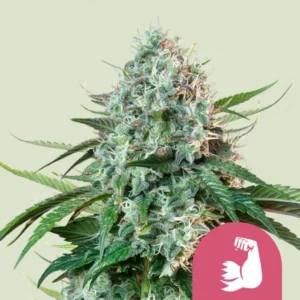
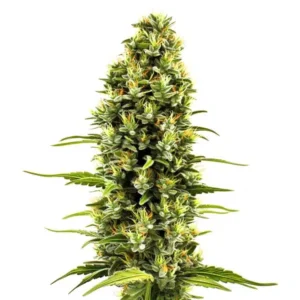
Hulkberry

|
THC | 26% - 27% (High) |

|
Lineage | OG Kush x Strawberry Diesel |

|
Type | Feminized |

|
Height | 5.91 ft | 1.8 m |

|
Yield | Medium |

|
Yield Indoor | 1.31 - 1.47 oz/ft² | 400 - 450 g/m² |

|
Yield Outdoor | 22.93 - 24.69 oz/plant | 650 - 700 g/plant |

|
Flowering Time | 9 - 11 weeks |

|
Phenotype | 35% Indica / 65% Sativa |

|
Effects | Focused, Uplifted |

|
Flavors | Citrus, Diesel, Herbal |

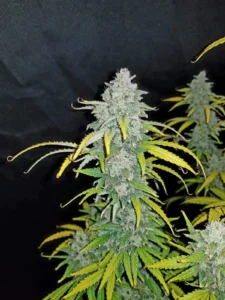
Critical
|
|
THC | 18% - 19% (Medium) |
|
|
Lineage | Afghani x Skunk |
|
|
Type | Feminized |
|
|
Height | 4.59 ft | 1.4 m |
|
|
Yield | High |
|
|
Yield Indoor | 1.8 - 1.97 oz/ft² | 550 - 600 g/m² |
|
|
Yield Outdoor | 21.16 - 22.93 oz/plant | 600 - 650 g/plant |
|
|
Flowering Time | 7 - 9 weeks |
|
|
Phenotype | 60% Indica / 40% Sativa |
|
|
Effects | Sedative, Relaxed |
|
|
Flavors | Candy, Earthy, Fruity, Pine, Skunk |
Consider the Critical strain, another favorite from Growlantis. It’s esteemed for its balance of high yield and resilience. By tracking Brix levels, growers can ensure that the Critical strain reaches its full potential in resin production, thus maintaining its reputation for quality and quantity. As we delve deeper, you’ll see how leveraging Brix levels can transform your cultivation practices and outcomes.
The Importance of Brix Levels in Cannabis Cultivation
Brix levels are measured using a refractometer, a handy tool that estimates the sugar concentration in a plant’s sap. This measurement is crucial because it correlates with the plant’s photosynthesis efficiency, nutrient uptake, and overall health. Higher Brix levels typically signify a thriving plant, which is likely to produce richer resin.
Recognizing how Brix levels relate to cannabis resin production can also help growers fine-tune their cultivation techniques to enhance resin quality. For example, maintaining consistent Brix levels in Super Bud can lead to a more robust cannabinoid profile, ultimately affecting its resin potency. This relationship between Brix levels and cannabis resin quality highlights the importance of regular monitoring and adaptation in cultivation practices. By recognizing how Brix levels impact cannabis resin potency, cultivators can make informed decisions to optimize their plants’ potential.
How Brix Levels Impact Resin Quality
The relationship between Brix levels and cannabis resin quality is significant. High Brix levels often result in better resin quality, characterized by enhanced flavor profiles and increased potency. For example, when Hulkberry is cultivated with an eye on Brix levels, the resulting resin can showcase its full terpene and cannabinoid potential.
In essence, Brix levels serve as an indicator of how well a plant is processing nutrients and converting them into the compounds that form resin. By focusing on these levels, cultivators can predict and improve the quality of the resin their plants produce.
Optimizing Brix Levels for Resin Production
To optimize Brix levels, growers should focus on several factors: soil health, nutrient availability, and environmental conditions. Ensuring that plants like Critical receive balanced nutrients and appropriate sunlight can elevate their sugar levels, thus boosting resin production.
Regularly measuring Brix levels allows for timely interventions, such as adjusting nutrient mixes or modifying watering schedules, to maintain optimal conditions. This proactive approach helps in maximizing the potential of strains known for their resin output.
Factors Influencing Brix Levels in Cannabis Plants
Several factors can influence Brix levels in cannabis plants, each playing a role in how Brix levels relate to cannabis resin production. These include soil quality, nutrient management, and environmental variables like light and temperature.
Another consideration in how Brix levels affect cannabis resin concentration is the plant’s genetic disposition. Strains like Hulkberry, Critical, and Super Bud each have unique growth requirements that directly influence their Brix level potential. By recognizing the specific needs of these strains, growers can tailor their cultivation strategies to enhance Brix level correlation with cannabis resin production. This awareness can lead to more precise interventions, ensuring that the plants consistently produce high-quality resin.
Soil and Nutrient Management
The relationship between soil nutrients and Brix levels is profound. Cannabis plants require a well-balanced mix of macro and micronutrients to maintain high Brix levels. For example, potassium and phosphorus are particularly important for resin production, and a deficiency can lead to lower Brix readings.
When cultivating strains such as Super Bud, which is known for its robust growth, maintaining nutrient-rich soil can enhance both Brix levels and resin production. Regular soil testing and amendment can ensure that the plant receives everything it needs to thrive.
Environmental Conditions
Light and temperature are also critical in influencing Brix levels. Cannabis plants need adequate light for photosynthesis, which is directly linked to sugar production and thus Brix levels. For strains like Critical, optimizing light exposure can be a game-changer in resin production.
Temperature control is equally important, as extreme fluctuations can stress the plant and affect its metabolic processes. Maintaining a stable environment helps ensure that Brix levels remain high, supporting the plant’s ability to produce quality resin.

Measuring and Monitoring Brix Levels
Accurate measurement of Brix levels is vital for growers aiming to optimize cannabis resin production. Utilizing a refractometer, a simple yet effective tool, allows growers to monitor the sugar content in their plants, providing insights into their health and productivity.
Measuring Brix levels for optimal cannabis resin yield involves more than just regular monitoring; it requires a comprehensive recognition of how these levels fluctuate throughout the plant’s life cycle. For strains like Hulkberry, which require precise care, knowing when and how to adjust cultivation techniques can significantly impact the resin’s cannabinoid and terpene profile. This strategic approach to monitoring Brix levels ensures that the plants are always in peak condition for maximum resin production.
Using a Refractometer
A refractometer is a straightforward device that provides a quick snapshot of a plant’s Brix levels. To use it, simply extract a small sample of sap from a leaf or stem and place it on the device’s glass surface. The refractometer will then display the Brix measurement, indicating the sugar concentration.
This tool is invaluable for growers of strains like Super Bud, where consistent Brix levels can lead to enhanced resin production. Regular use of a refractometer helps ensure that plants are on track to produce high-quality resin.
Interpreting Brix Level Readings
Recognizing the readings from a refractometer is key to optimizing cannabis resin production. Higher Brix levels generally indicate better plant health and increased potential for resin production. For instance, a steady increase in Brix readings during the flowering phase of Critical can signal optimal conditions for resin development.
By interpreting these readings, growers can make data-driven decisions to enhance their cultivation practices, ensuring that their plants produce resin that meets or exceeds expectations.
Practical Tips for Enhancing Brix Levels
Improving Brix levels is an ongoing process that requires attention to detail and a willingness to adapt cultivation practices. For cannabis strains like Hulkberry, Critical, and Super Bud, specific strategies can be employed to boost Brix levels and, consequently, resin production.
Implementing a routine of measuring and adjusting Brix levels can be a transformative practice for growers aiming to optimize resin output. Regular checks using a refractometer help identify when a plant’s sugar content may dip, allowing interventions that can prevent potential issues before they affect resin quality. For strains like Critical, this vigilance in maintaining optimal Brix levels ensures the highest possible resin yield, thanks to the consistent application of best practices in cultivation.
Enhancing Nutrient Uptake
Maximizing nutrient uptake is essential for maintaining high Brix levels. This involves ensuring that the soil is rich in necessary nutrients and that the plant’s roots are healthy and capable of absorbing them effectively. Regularly checking soil pH can also aid in nutrient absorption.
For a strain like Super Bud, known for its substantial build and resin output, focusing on nutrient uptake can directly improve Brix levels, leading to superior resin quality. Implementing techniques such as root aeration and organic amendments can further enhance this process.
Adjusting Growing Conditions
Fine-tuning the growing environment is another way to influence Brix levels positively. Adjusting factors such as lighting schedules, temperature, and humidity can create optimal conditions for resin production. For example, providing Hulkberry with adequate light can boost its Brix levels and resin quality.
By maintaining a stable and conducive environment, growers can ensure that their cannabis plants are consistently producing high-quality resin. This proactive approach is vital for strains like Critical, where environmental consistency supports both yield and resin excellence.

FAQ
What are Brix levels, and why are they important for cannabis resin production?
Brix levels measure the sugar content in plant sap, indicating a plant’s photosynthetic efficiency and overall health. High Brix levels are crucial for cannabis resin production because they suggest that the plant is thriving and capable of producing potent and flavorful resin. For strains like Hulkberry, maintaining optimal Brix levels can enhance the resin’s cannabinoid and terpene profile.
How do I measure Brix levels in cannabis plants?
To measure Brix levels, use a refractometer, a device that determines the sugar concentration in plant sap. By regularly extracting and testing sap samples from your cannabis plants, you can monitor Brix levels and adjust your care practices accordingly. This is particularly useful for strains like Super Bud, where consistent Brix levels contribute to superior resin production.
Can environmental conditions affect Brix levels and resin production?
Yes, environmental conditions such as light, temperature, and humidity significantly impact Brix levels and resin production. Adequate lighting is essential for photosynthesis, which influences sugar content and Brix levels. For a strain like Critical, maintaining a stable environment helps ensure high-quality resin production by supporting optimal metabolic processes.
What practical steps can I take to improve Brix levels in my cannabis plants?
To enhance Brix levels, focus on nutrient management, soil health, and environmental conditions. Ensure that your cannabis plants receive balanced nutrients and optimal light exposure. Regular soil testing and environmental adjustments can also support higher Brix levels. Strains like Hulkberry benefit significantly from these practices, resulting in improved resin quality.
Are there any specific strains that benefit most from optimized Brix levels?
While all cannabis strains can benefit from optimized Brix levels, certain strains like Hulkberry, Critical, and Super Bud from Growlantis are particularly responsive. These strains are known for their robust resin production, and maintaining high Brix levels can enhance their cannabinoid and terpene profiles, offering growers a more potent and flavorful product.