
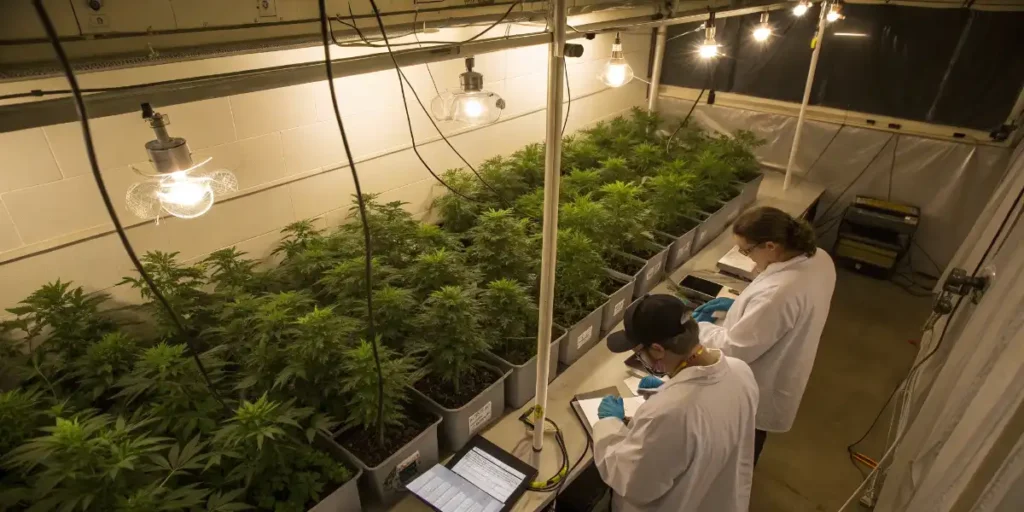

In cannabis cultivation, monitoring Brix levels is a vital practice that can lead to healthier plants and better yields. Brix levels indicate the sugar content in the plant’s sap, reflecting its overall health and vitality. Testing these levels can help identify nutrient uptake issues or pest problems before visible symptoms appear. However, the question remains: how often should these tests be conducted to ensure optimal plant health and yield?
For strains like Wedding Gelato, known for its rich flavors and potent THC levels, maintaining a consistent Brix level is crucial. This strain, with a flowering period of about 8-9 weeks, benefits significantly from regular Brix testing to maximize its potential yield and potency. Similarly, Blue Dream, a favorite among growers for its balanced effects and high yield, requires careful monitoring to ensure its signature sweet berry aroma and robust growth. On the other hand, Cookies Gelato, with its impressive THC content and sweet taste, also demands attention to Brix levels to achieve the best possible results.
Recommended Strains

Wedding Gelato

|
THC | 24% - 25% (High) |

|
Lineage | Wedding Cake x Gelato x Gelato 33 |

|
Type | Feminized |

|
Height | 5.91 ft | 1.8 m |

|
Yield | High |

|
Yield Indoor | 1.47 - 1.64 oz/ft² | 450 - 500 g/m² |

|
Yield Outdoor | 12.35 - 14.11 oz/plant | 350 - 400 g/plant |

|
Flowering Time | 8 - 10 weeks |

|
Phenotype | 60% Indica / 40% Sativa |

|
Effects | Calming, Euphoric, Relaxed |

|
Flavors | Citrus, Earthy, Fruity, Herbal |

Blue Dream
|
|
THC | 17% - 24% (High) |
|
|
Lineage | Blueberry x Haze |
|
|
Type | Feminized |
|
|
Height | 6.56 ft | 2 m |
|
|
Yield | High |
|
|
Yield Indoor | 1.97 oz/ft² | 600 g/m² |
|
|
Yield Outdoor | 17.64 - 24.69 oz/plant | 500 - 700 g/plant |
|
|
Flowering Time | 8 - 10 weeks |
|
|
Phenotype | 50% Indica / 50% Sativa |

|
Medical | Fatigue, Muscle Spasms, Stress |
|
|
Effects | Happy, Relaxed, Talkative |
|
|
Flavors | Berry, Blueberry, Mango, Sweet |
Testing Brix levels too infrequently might lead to missed opportunities to correct issues early on. Conversely, testing too often could result in unnecessary stress and resource expenditure. Recognizing the optimal frequency for testing Brix in cannabis cultivation is essential for both novice and experienced growers aiming for success.
Why Brix Levels Matter in Cannabis Cultivation
Brix levels are an indicator of plant health, revealing how well a plant is photosynthesizing and utilizing nutrients. Higher Brix levels generally mean healthier plants, which are more resistant to pests and diseases. For strains like Blue Dream, known for its resilience, maintaining high Brix levels ensures it can withstand various growing conditions while still providing excellent yields.
Monitoring Brix levels allows growers to make informed decisions about nutrient management. For example, if a strain like Wedding Gelato shows a drop in Brix levels, it might indicate an issue with nutrient uptake or water stress. By addressing these issues promptly, growers can prevent more significant problems down the line.
Additionally, Brix levels can influence the taste and potency of cannabis. Cookies Gelato, with its sweet profile, benefits from optimal Brix levels, ensuring the final product meets the high standards expected by consumers.
Regularly testing Brix levels allows growers to fine-tune their cultivation techniques, adapting to the specific needs of each strain. For instance, growers can experiment with adjusting light cycles or nutrient concentrations in response to Brix readings. This approach not only enhances the overall quality of the cannabis but also provides deeper insights into the ideal growing conditions for strains like Wedding Gelato, Blue Dream, and Cookies Gelato. By continually refining these practices, growers can achieve remarkable consistency in their harvests, satisfying the market’s demand for high-quality products.
Improving Plant Resistance
Higher Brix levels in cannabis plants correlate with increased resistance to pests and diseases. This is particularly important for strains like Blue Dream, which are often grown outdoors and may be exposed to various environmental stressors. By regularly testing and maintaining high Brix levels, growers can reduce the need for chemical pesticides and improve overall plant health.
For instance, if a Blue Dream plant’s Brix levels begin to fall, it could signal an increased risk of pest infestation. Early detection through regular testing allows growers to implement preventative measures swiftly, ensuring the plant remains healthy and productive.
Enhancing Flavor and Potency
Strains like Wedding Gelato and Cookies Gelato are cherished for their unique flavors and high THC content. Brix levels can directly impact these characteristics, as higher sugar content often results in more flavorful and potent buds. Regular Brix testing ensures that these strains develop their full flavor profiles, providing consumers with the rich taste they expect.
For Cookies Gelato, maintaining an optimal Brix level throughout its growth cycle is essential to achieve its sweet, dessert-like taste. Testing Brix levels at key growth stages helps growers make necessary adjustments to nutrient regimens, ensuring the final product is both flavorful and potent.
How to Measure Brix Levels in Cannabis
Measuring Brix levels involves using a refractometer, a tool that estimates the sugar content of plant sap. This simple yet effective device can provide valuable insights into the health of your cannabis plants. For strains like Blue Dream, with its long flowering period, regular Brix measurement is crucial to track its development and ensure optimal results.
To measure Brix levels, growers need to extract a small amount of sap from the plant’s leaves or stems. This is typically done by crushing a leaf and placing a drop of the sap on the refractometer’s lens. The device then provides a reading, indicating the plant’s Brix level.
Regular testing allows growers to monitor changes over time and make data-driven decisions. For Wedding Gelato, with its relatively short flowering period, frequent Brix testing can help optimize nutrient schedules and maximize yield.
Alongside obtaining accurate Brix readings, growers should also consider the timing of their tests. Measuring Brix levels at different times of the day can reveal fluctuations in plant sugar content that may not be apparent with less frequent testing. By conducting tests during both morning and late afternoon, growers can better understand the daily photosynthesis cycle and its impact on strains like Cookies Gelato. This knowledge allows them to adjust lighting and nutrient schedules to enhance the plant’s natural processes, ultimately improving yield and quality.
Choosing the Right Refractometer
Investing in a quality refractometer is essential for accurate Brix measurements. Digital refractometers are often preferred due to their ease of use and precision. When selecting a refractometer, consider factors such as measurement range and ease of calibration.
For growers working with high-yield strains like Blue Dream, a refractometer with a wide measurement range is beneficial. This allows for accurate readings across different stages of plant growth, ensuring that adjustments can be made as needed.
Conducting Brix Tests
Conducting Brix tests involves a few simple steps. Start by selecting a healthy leaf from the plant. Crush the leaf to extract sap, and apply a drop onto the refractometer’s lens. Look through the eyepiece or digital screen to obtain the Brix reading.
For strains like Cookies Gelato, regular testing, especially during the flowering stage, is crucial. This ensures that the plant is receiving the correct balance of nutrients, which is vital for developing its sweet flavor and high THC content. By consistently monitoring Brix levels, growers can make quick adjustments to their cultivation practices.

Optimal Frequency for Testing Brix Levels
Determining the ideal Brix testing intervals for cannabis farming depends on several factors, including the strain being grown, environmental conditions, and the plant’s stage of growth. For strains like Wedding Gelato, with its specific nutrient requirements and flowering time, testing every 7-10 days is often recommended.
Regular testing during the vegetative stage can help establish a baseline for plant health. As the plant transitions to the flowering stage, more frequent testing may be necessary to monitor changes and make timely adjustments. This is particularly true for Blue Dream, which requires careful monitoring to achieve its full potential.
Ultimately, the frequency of Brix level assessment in cannabis gardens should be tailored to the specific needs of the plants being grown. Experienced growers often adjust their testing schedule based on observations and past experiences with similar strains.
It’s important for growers to remain flexible and responsive to the unique demands of each growing cycle. For instance, environmental changes or unexpected plant responses can necessitate adjustments in the testing schedule. By paying close attention to how Brix levels fluctuate in response to these variables, growers of strains like Cookies Gelato can refine their approach, ensuring that each plant receives precisely what it needs to thrive. This adaptability not only promotes healthier plants but also maximizes the potential for high-quality yields, making the most of every cultivation effort.
Adjusting for Growth Stages
During the vegetative stage, testing Brix levels every 10-14 days is typically sufficient. This allows growers to monitor overall plant health and address any nutrient deficiencies early. For strains like Cookies Gelato, maintaining a consistent Brix level during this stage is crucial for robust growth.
As plants enter the flowering stage, increasing the frequency of Brix testing to every 7 days can help track changes more closely. This is essential for strains with specific flavor and potency goals, such as Wedding Gelato, ensuring that the plants develop their desired characteristics.
Environmental Considerations
Environmental factors like temperature, humidity, and soil composition can influence Brix levels. Growers in different climates may need to adjust their testing frequency accordingly. For instance, in areas with fluctuating temperatures, more frequent testing may be necessary to ensure plants like Blue Dream remain healthy.
By considering environmental conditions, growers can develop a testing schedule that meets the unique needs of their cannabis garden. This proactive approach helps prevent issues before they arise, ensuring a successful harvest.
Best Practices for Measuring Brix Levels in Marijuana Growing
Consistent and accurate Brix testing requires adherence to several best practices. These practices help ensure that the data collected is reliable and actionable, allowing growers to make informed decisions about their cultivation processes. For high-value strains like Cookies Gelato, following best practices is essential to achieve the best possible outcomes.
One critical practice is calibrating the refractometer regularly. This ensures accurate readings and prevents skewed data from leading to incorrect conclusions. Additionally, testing at the same time of day can help control for natural fluctuations in Brix levels, providing more consistent results.
Another important consideration is the timing of tests relative to watering and feeding schedules. Testing before watering or feeding provides a baseline reading, while testing after can show the impact of these actions on the plant’s Brix levels. For Wedding Gelato, which thrives with precise nutrient management, this approach can help optimize feeding schedules.
Additionally, documenting Brix readings over time can offer valuable insights into the long-term health and performance of cannabis plants. By maintaining detailed records, growers can identify patterns and trends that may inform future cultivation decisions. This historical data is especially beneficial for strains like Blue Dream, where subtle changes in Brix levels could indicate potential improvements or challenges in cultivation techniques. Such meticulous tracking not only aids in optimizing current growing practices but also equips growers with a holistic view of how often to test Brix levels in cannabis cultivation for optimal results.
Maintaining Consistency
Consistency in testing methods and timing is crucial for obtaining reliable Brix data. Using the same type of refractometer and testing at the same time of day helps control variables that might affect readings. This consistency is especially important for strains like Blue Dream, where growers aim to maximize yield and potency.
By maintaining a consistent testing routine, growers can track trends over time and identify issues quickly. This proactive approach allows for timely interventions, ensuring that plants remain healthy and productive throughout the growing cycle.
Interpreting Brix Data
Interpreting Brix data requires a clear grasp of how different Brix levels correlate with plant health. Generally, higher Brix levels indicate better nutrient uptake and overall vitality. For Cookies Gelato, this means sweeter and more potent buds, which are highly sought after by consumers.
When analyzing Brix data, it’s essential to consider the plant’s growth stage and environmental conditions. For example, a sudden drop in Brix levels might indicate a nutrient deficiency or water stress. By interpreting these signals accurately, growers can implement corrective measures quickly, preventing further decline in plant health.
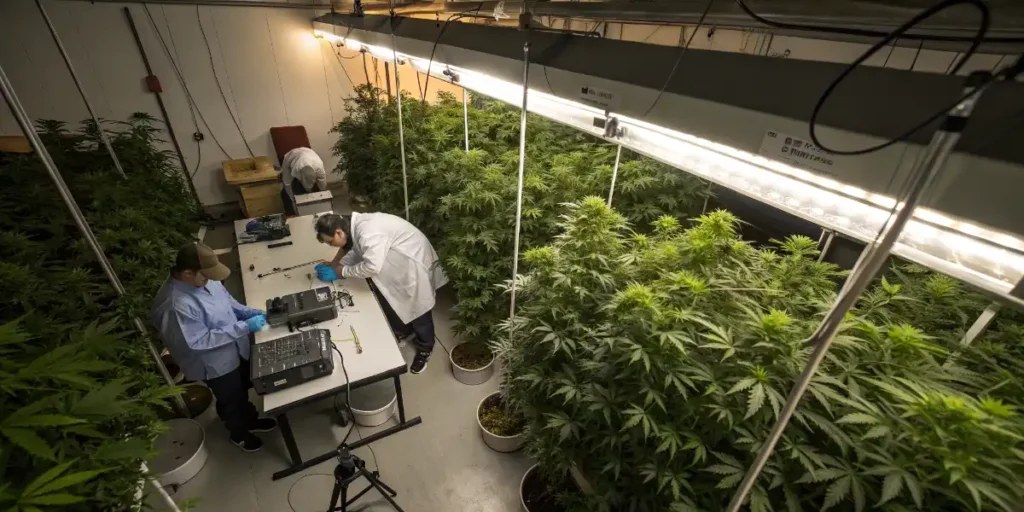
FAQ
How regularly should Brix be tested in cannabis plants?
The regularity of Brix testing in cannabis plants depends on several factors, including the strain, growth stage, and environmental conditions. For most strains, testing every 7-10 days during the flowering stage is recommended. This frequency allows growers to monitor changes and make necessary adjustments to their nutrient regimen.
For strains like Wedding Gelato, which have specific nutrient needs, more frequent testing may be beneficial to ensure optimal growth and yield. Conversely, during the vegetative stage, testing every 10-14 days is generally sufficient to establish a baseline for plant health.
What are the best practices for measuring Brix levels in marijuana growing?
Best practices for measuring Brix levels include calibrating the refractometer regularly, testing at the same time of day, and conducting tests relative to watering and feeding schedules. Consistency in these practices ensures reliable data, allowing growers to make informed decisions about their cultivation processes.
For strains like Blue Dream, maintaining a consistent testing routine is essential to track trends and identify issues quickly. This proactive approach leads to healthier plants and higher yields.
Why are Brix levels important for cannabis cultivation?
Brix levels are important because they provide insight into a plant’s overall health and nutrient uptake. Higher Brix levels are associated with better resistance to pests and diseases, improved flavor, and increased potency. For strains like Cookies Gelato, maintaining optimal Brix levels ensures sweet, potent buds that meet consumer expectations.
Regular Brix testing helps growers identify potential issues early, allowing for timely interventions and optimal plant growth. This is crucial for achieving the best possible results in cannabis cultivation.