
Quick answer: Photosynthesis turns light into sugars, so conditions that improve it (good light, CO2 and temperature) tend to raise the soluble solids a refractometer reads as Brix. Brix therefore reflects photosynthetic efficiency and plant status. It is a comparative signal, not a measure of potency or flavor, which depend on genetics and lab-verified chemistry.
For new and experienced growers alike, knowing how photosynthesis shapes Brix is useful. More effective photosynthesis means more sugars, which shows up as higher sap readings, whether you grow Critical Runtz, Blue Gelato or Forbidden Runtz Auto. Read Brix as a plant-status signal, not a quality score.
Recommended Strains
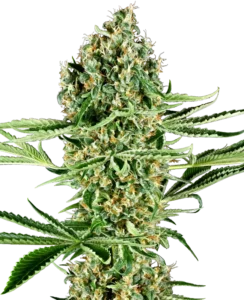
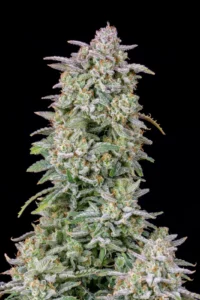
Critical Runtz

|
Type | Feminized |

|
THC | 22% - 24% (High) |

|
Lineage | Critical x Runtz |

|
Phenotype | 70% Indica / 30% Sativa |

|
Effects | Euphoric, Energetic, Relaxed |

|
Flavors | Sweet, Citrus, Berry, Tropical |

|
Flowering Time | 8 - 9 weeks |

|
Yield | High |

|
Yield Indoor | 1.31 - 1.8 oz/ft² | 400 - 550 g/m² |

|
Height | 5.74 ft | 1.75 m |

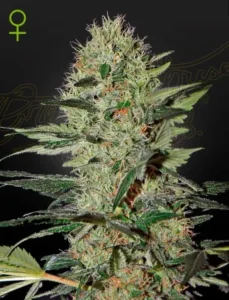
Blue Gelato
|
|
Type | Feminized |
|
|
THC | 23% - 24% (High) |
|
|
Lineage | Blueberry x Thin Mint Girl Scout Cookies x Sunset Sherbert |
|
|
Phenotype | 80% Indica / 20% Sativa |
|
|
Effects | Balanced, Relaxed, Uplifted |
|
|
Flavors | Diesel, Earthy |
|
|
Flowering Time | 9 - 10 weeks |
|
|
Yield | High |
|
|
Yield Indoor | 1.8 - 1.97 oz/ft² | 550 - 600 g/m² |

|
Yield Outdoor | 17.64 - 21.16 oz/plant | 500 - 600 g/plant |
|
|
Height | 5.74 ft | 1.75 m |
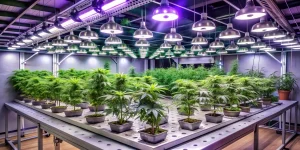
It’s crucial to monitor and optimize environmental conditions, such as light intensity and carbon dioxide levels, to maximize the efficiency of photosynthesis. These factors directly affect the sugar production in cannabis plants, thereby influencing brix levels. Adjusting these parameters can result in significant improvements in crop quality and yield.
Photosynthesis and Its Impact on Cannabis Growth
Photosynthesis is the process by which plants convert light energy into chemical energy, producing sugars and oxygen. This process is vital for the growth and development of cannabis plants, as it provides the necessary energy and building blocks for cellular functions. The impact of photosynthesis on cannabis brix levels is profound, as the sugars produced during this process are directly related to the brix measurements.
For a strain like Critical Runtz, good photosynthetic conditions support healthy growth and steadier Brix trends. That helps the plant perform, but Brix reflects plant status rather than potency; THC depends on genetics and cultivation and is confirmed by lab testing, as covered in can Brix predict THC or CBD.
Blue Gelato, another popular strain, benefits greatly from efficient photosynthesis. Known for its sweet flavor and relaxing effects, Blue Gelato requires precise environmental conditions to reach its full potential. By focusing on photosynthesis, growers can enhance the sugar content, resulting in richer flavors and more potent effects.
Moreover, recognizing the function of photosynthesis in increasing brix levels in cannabis is crucial for maximizing the growth potential of strains like Forbidden Runtz Auto. This strain’s resilience and fast flowering time make it ideal for growers who can effectively manage photosynthesis. By optimizing factors such as light cycles and nutrient intake, growers can significantly impact the plant’s sugar production, leading to higher brix levels and superior quality.
| Factor | Effect on photosynthesis and Brix | Practical note |
|---|---|---|
| Light intensity/spectrum | More effective light raises sugar output | Match to stage; avoid light stress |
| CO2 concentration | Supports photosynthesis when light is adequate | Only helps within a balanced system |
| Temperature | Drives the enzyme activity behind sugar production | Keep it stable, avoid swings |
| Water and nutrients | Needed for healthy photosynthesis | Deficiency or stress lowers readings |
| Remember | Brix reflects sugars/plant status | Not a measure of THC or flavor |
Factors Influencing Photosynthesis in Cannabis
Several factors influence the efficiency of photosynthesis in cannabis plants. Light intensity, carbon dioxide concentration, and temperature all play crucial roles in the photosynthetic process. By controlling these variables, growers can enhance the photosynthetic rate, thereby increasing the sugar content and improving brix levels.
Critical Runtz thrives under specific light conditions, making it essential to provide adequate lighting to support its growth. Similarly, adequate CO2 levels are vital for optimizing photosynthesis, particularly for strains like Blue Gelato, which require precise conditions for optimal sugar production.
Relationship Between Photosynthesis and Brix Levels
The relationship between photosynthesis and brix levels in cannabis plants is integral to producing high-quality crops. Photosynthesis influences sugar content, which directly impacts brix measurements. By recognizing this relationship, growers can make informed decisions to enhance the quality of their cannabis.
For the Forbidden Runtz Auto strain, known for its fast flowering time and resilience, optimizing photosynthesis can lead to increased brix levels and improved plant quality. This autoflowering strain benefits from efficient photosynthetic processes, ensuring robust growth and high sugar content.
Monitoring brix levels provides valuable insights into the health and quality of cannabis plants. By measuring brix, growers can assess the effectiveness of their cultivation practices and make necessary adjustments to optimize photosynthesis and sugar content.
In particular, the impact of photosynthesis on cannabis brix levels underscores the importance of environmental control. For example, providing consistent and controlled lighting conditions can enhance the photosynthesis process, effectively increasing the brix levels in strains like Blue Gelato. This ensures not only a more potent crop but also a more flavorful and aromatic product.
Measuring Brix Levels in Cannabis
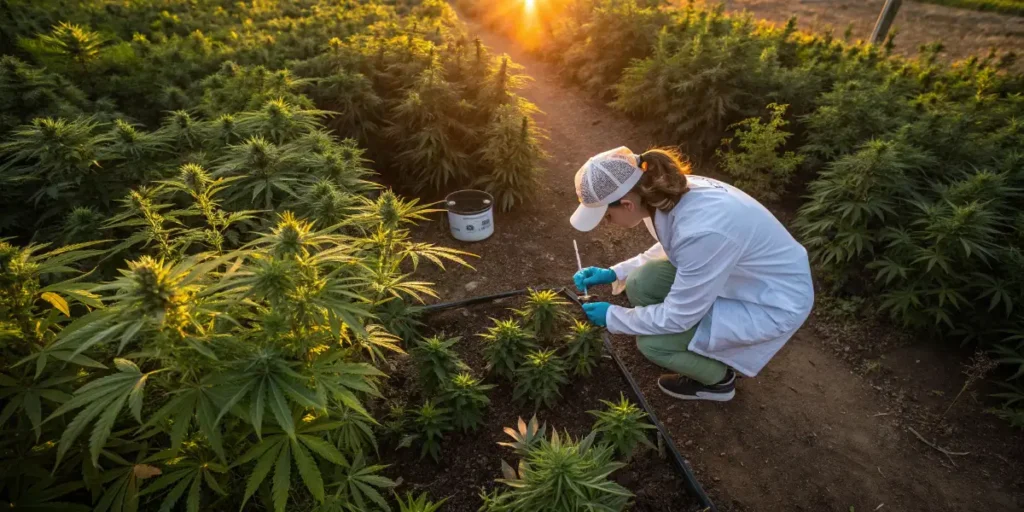
Brix levels can be measured using a refractometer, a simple tool that provides insights into the sugar content of plant sap. Regularly measuring brix levels allows growers to track the impact of their cultivation practices on sugar production and overall plant health.
For strains like Critical Runtz and Blue Gelato, maintaining high brix levels is crucial for achieving the desired flavor and potency. Regular brix measurements can help growers identify areas for improvement and ensure optimal photosynthetic conditions.
Optimizing Photosynthesis for Maximum Brix Levels
To maximize brix levels in cannabis, growers need to optimize photosynthesis through precise environmental control. By adjusting light intensity, CO2 levels, and temperature, growers can enhance the efficiency of photosynthesis and improve sugar content.
Critical Runtz benefits from specific lighting schedules that maximize photosynthetic activity. By providing consistent and adequate light, growers can ensure optimal sugar production and increased brix levels.
Blue Gelato, with its demand for precise environmental conditions, requires careful monitoring and adjustment of temperature and CO2 levels. By maintaining ideal conditions, growers can enhance photosynthesis and achieve superior plant quality.
For an adaptable autoflower like Forbidden Runtz Auto, good photosynthetic conditions support steady sugar production and healthy growth. Techniques like supplemental lighting and CO2 enrichment can raise sap readings, but treat Brix as a plant-status signal rather than a measure of final bud quality.
Practical Tips for Enhancing Photosynthesis
Growers can enhance photosynthesis by implementing several practical strategies. Ensuring proper light distribution, maintaining optimal CO2 levels, and controlling temperature are key factors in maximizing photosynthetic efficiency.
For Forbidden Runtz Auto, providing consistent light exposure and maintaining stable environmental conditions is essential for robust growth. By focusing on these factors, growers can optimize photosynthesis and achieve high brix levels.
Real-Life Examples from Growlantis
Growlantis offers a range of cannabis strains, each with unique characteristics and growing requirements. Recognizing how photosynthesis affects brix levels in cannabis is essential for achieving the best results with these strains.
Critical Runtz is renowned for its high THC levels and robust growth. By optimizing photosynthesis, growers can enhance its potency and achieve impressive yields.
Blue Gelato, known for its sweet flavor profile, benefits from precise environmental conditions that maximize photosynthetic activity. By focusing on sugar production, growers can enhance its flavor and effects.
Forbidden Runtz Auto, with its fast flowering time and resilience, thrives under efficient photosynthetic conditions. By optimizing environmental factors, growers can achieve high brix levels and superior plant quality.
Specifically, Growlantis’ emphasis on the relationship between photosynthesis and brix levels in cannabis plants has led to innovative cultivation practices. For instance, the integration of tailored lighting systems for Critical Runtz has been shown to significantly boost photosynthetic efficiency, resulting in a remarkable increase in brix levels. Similarly, Blue Gelato’s sugar content has been optimized through strategic environmental adjustments, showcasing the profound impact of photosynthesis on cannabis brix levels.
Strain-Specific Considerations
Each cannabis strain has unique requirements for optimal growth. For Critical Runtz, providing consistent lighting and maintaining proper nutrient levels is crucial for maximizing photosynthesis and brix levels.
Blue Gelato requires precise environmental control to achieve its full potential. By focusing on temperature and CO2 levels, growers can enhance photosynthesis and produce high-quality buds.
Forbidden Runtz Auto benefits from stable conditions that support efficient photosynthesis. By maintaining optimal light and temperature, growers can achieve impressive results with this autoflowering strain.
Frequently Asked Questions
How does photosynthesis affect brix levels in cannabis?
Photosynthesis produces the sugars that a refractometer reads as Brix, so conditions that improve photosynthesis tend to raise readings. Brix therefore reflects photosynthetic efficiency and plant status. Optimizing light, CO2 and temperature can steady your readings, but Brix indicates plant status rather than measuring potency.
What factors influence photosynthesis in cannabis plants?
Light intensity and spectrum, CO2 concentration and temperature are the main drivers, along with water and nutrient availability. When these are balanced, the plant photosynthesizes efficiently and produces more sugars. Managing them well supports healthy growth and steadier Brix trends across the cycle.
How can I measure brix levels in my cannabis plants?
Use a refractometer: place a small sap sample on the prism and read the Brix value. Sample consistently and calibrate the device so trends are comparable. Regular readings help you see how your conditions affect plant status over time, rather than judging a plant on a single number.
What are the benefits of high brix levels in cannabis?
Higher Brix usually indicates a well-fed, photosynthetically active plant, which supports healthy development and can accompany good flavor and vigor. It does not measure potency, though; cannabinoid and terpene content depend on genetics and cultivation and are confirmed by lab testing, so treat Brix as a plant-status signal.
Which cannabis strains from Growlantis benefit the most from optimized photosynthesis?
Strains like Critical Runtz, Blue Gelato and Forbidden Runtz Auto all respond to better photosynthetic conditions with healthier growth and steadier sugar production. Focusing on light, CO2 and temperature supports each one, with Brix trends as a way to monitor how well your conditions are working.