
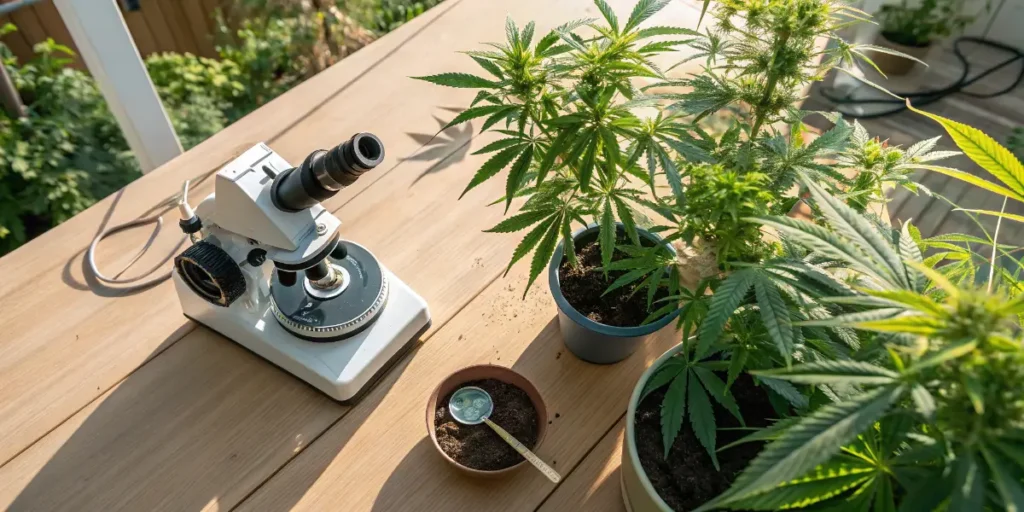

Refractometers are becoming an essential tool for cannabis growers who want to ensure optimal plant health. By measuring the brix level, or sugar content, within the plant’s sap, refractometers provide insights into the plant’s overall vitality. This measurement is crucial as it can indicate the plant’s health and its ability to resist pests and diseases. For those cultivating strains like Gelato 44 – Tyson S from Growlantis, recognizing how refractometers measure plant health in cannabis can make the difference between a good harvest and a great one.
Gelato 44 – Tyson S, known for its dense buds and high THC content, benefits significantly from precise nutrient management. Refractometers help in this by offering a quick assessment of the plant’s sugar levels, which reflect its nutrient uptake. Achieving the right brix level can lead to enhanced flavor and potency, key attributes of Gelato 44 – Tyson S.
Recommended Strains
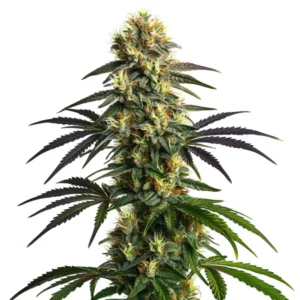
Gelato Fast Blooming

|
THC | 19% - 22% (Medium) |

|
Lineage | Gelato x Secret Hybrid |

|
Type | Fast Flowering |

|
Height | 4.92 ft | 1.5 m |

|
Yield | High |

|
Yield Indoor | 1.64 - 1.8 oz/ft² | 500 - 550 g/m² |

|
Yield Outdoor | 22.93 - 24.69 oz/plant | 650 - 700 g/plant |

|
Flowering Time | 6 - 8 weeks |

|
Phenotype | 50% Indica / 50% Sativa |

|
Medical | Fatigue, Muscle Spasms, Stress |

|
Effects | Happy, Relaxed, Talkative |

|
Flavors | Earthy, Sweet |

Corkscrew Auto - Tyson S
|
|
THC | 18% - 19% (Medium) |
|
|
Lineage | Cherry Pie Auto x Tangie |
|
|
Type | Autoflowering |
|
|
Height | 2.79 ft | 0.85 m |
|
|
Yield | High |
|
|
Yield Indoor | 1.47 - 1.64 oz/ft² | 450 - 500 g/m² |
|
|
Yield Outdoor | 3.17 - 6.17 oz/plant | 90 - 175 g/plant |
|
|
Life Cycle | 8 - 10 weeks |
|
|
Phenotype | 40% Indica / 55% Sativa / 5% Ruderalis |
|
|
Effects | Focused, Uplifted |
|
|
Flavors | Candy, Citrus, Pineapple |
As cannabis cultivation becomes more sophisticated, tools like refractometers are no longer just for large-scale operations. Even small-scale and home growers can utilize these devices to maintain plant health. For fast-flowering varieties like Gelato Fast Blooming, which requires careful monitoring to maximize its rapid development, refractometers offer actionable insights into nutrient management and plant stress levels.
With the rise of automated growing systems and precision agriculture, recognizing the nuances of plant health through refractometry is becoming more accessible. The OG Kush Auto, a strain appreciated for its resilience and ease of growth, can still benefit from the detailed insights a refractometer provides, ensuring each plant reaches its full potential.
The Science Behind Refractometers
Refractometers operate based on the principle of light refraction. When light passes through a liquid, it changes direction; this change is measured as the refractive index. In cannabis plants, this index correlates with the sugar content in the plant’s sap. Higher sugar levels generally indicate healthier plants.
Using refractometers for cannabis nutrient analysis allows growers to adjust feeding schedules and nutrient concentrations effectively. The refractive index gives immediate feedback on whether plants are receiving the right amount of nutrients. For strains like Gelato Fast Blooming, which have a rapid growth cycle, timely adjustments can prevent nutrient deficiencies that might stunt growth.
Moreover, refractometer readings for optimized cannabis growth are critical for maintaining the balance between growth and potency. A consistent reading can indicate that the plant is not under stress and is processing nutrients efficiently. This is particularly important for strains that are sensitive to nutrient fluctuations.
Cannabis plant health assessment with refractometry provides growers with a non-invasive way to keep tabs on plant vitality. By correlating refractive index readings with environmental factors and growth stages, growers can fine-tune their cultivation practices. For instance, Gelato 44 – Tyson S might have specific refractive index thresholds that indicate optimal nutrient absorption. Recognizing how refractometers measure plant health in cannabis can thus serve as a crucial tool in achieving robust and potent harvests.
Practical Application of Refractometers in Cannabis Cultivation
Incorporating refractometers into your cannabis cultivation routine can be straightforward with a bit of practice. Start by selecting a few representative plants and measuring their brix levels at various growth stages. This data can help establish a baseline for what is normal under your specific growing conditions.
For a strain like OG Kush Auto, which is known for its robustness, refractometers can help optimize its growing conditions despite its already resilient nature. Regular brix measurements can ensure that even the most forgiving plants are given the best environment to thrive.
As you gain experience, you can use refractometry data to compare different feeding regimens and adjust accordingly. For instance, if the refractometer indicates a drop in sugar levels during flowering, it might be necessary to increase phosphorus and potassium nutrients to support bud development.
Refractometry in cannabis cultivation is about more than just numbers; it’s about interpreting the story behind each reading. When measuring cannabis plant vitality using refractometers, consider not just the immediate needs of the plant but also its long-term health. For Gelato Fast Blooming, this might mean tweaking nutrient ratios at key growth stages to support its vigorous flowering. Regular measurements ensure that growers can act swiftly, making critical adjustments that contribute to a healthier and more productive plant.
Integrating Refractometry with Strain-Specific Cultivation
Each cannabis strain has unique characteristics that can affect how refractometry data should be interpreted. Gelato 44 – Tyson S, for example, may require different nutrient levels compared to a strain like OG Kush Auto. Recognizing these nuances helps tailor the use of refractometers for effective plant health measurement.
Gelato Fast Blooming, with its accelerated growth cycle, might benefit from more frequent brix measurements to ensure no nutrient is lacking during its rapid development. Adjusting the nutrient mix based on refractometer readings can lead to earlier flowering and higher yields.
For strains with high THC levels, like Gelato 44 – Tyson S, maintaining optimal sugar levels throughout the growth cycle can enhance the potency and flavor profile. Refractometers help in tracking these levels, providing growers with the opportunity to make precise adjustments.
Integrating refractometry into strain-specific cultivation requires an clear grasp of each strain’s genetic and environmental needs. Through consistent monitoring, growers can identify patterns in refractometer cannabis plant health measurement that align with the desired growth outcomes. For OG Kush Auto, this might mean fewer but more targeted adjustments, leveraging its natural resilience while maximizing yield. This tailored approach ensures that refractometry becomes a pivotal tool in mastering the art of cannabis cultivation.
Challenges and Considerations in Using Refractometers
While refractometers offer valuable insights, they are not without challenges. Reading accuracy can be influenced by factors such as ambient temperature and the presence of other dissolved solids in the sap. It’s important to calibrate the device regularly for accurate readings.
Another consideration is the interpretation of the data. Since refractometers measure a refractive index rather than direct sugar content, recognizing how this translates to overall plant health requires experience and context. Comparing readings from different plants and strains can help refine this knowledge.
Finally, while refractometers are a powerful tool, they should be used in conjunction with other plant health assessment methods. Observing plant behavior, checking for pests, and monitoring environmental conditions all contribute to a holistic approach to cannabis cultivation.
Recognizing how refractometers measure plant health in cannabis also involves acknowledging the limitations of the tool. Factors like varying sap composition between strains can affect results, necessitating a customized approach to cannabis plant health measurement. For Gelato 44 – Tyson S, maintaining a log of refractometer readings alongside other growth data can provide a more holistic view of plant health. This multi-faceted approach helps growers make informed decisions, ensuring optimal outcomes even amidst the complexities of cannabis cultivation.
FAQ
What is the main benefit of using refractometers for cannabis cultivation?
The primary benefit of using refractometers in cannabis cultivation is the ability to monitor plant health through brix levels, which indicate sugar content in the plant’s sap. This insight allows growers to make informed decisions about nutrient management, helping ensure plants receive the right balance of nutrients for optimal growth and resistance to pests and diseases. For fast-growing strains like Gelato Fast Blooming, timely nutrient adjustments based on refractometer readings can significantly impact yield and quality.
How often should refractometer readings be taken during the growth cycle?
The frequency of refractometer readings depends on the growth stage and specific strain requirements. Generally, taking readings weekly can provide a good baseline. More frequent readings may be necessary during critical periods such as flowering or when environmental conditions change. For strains like Gelato 44 – Tyson S, which require precise nutrient management, consistent monitoring ensures that the plants remain healthy and potent.
Can refractometers be used for all cannabis strains?
Yes, refractometers can be used for all cannabis strains, though their application might vary depending on the strain’s growth characteristics. Strains like OG Kush Auto, known for their resilience, may not require as frequent monitoring as more delicate varieties. However, all strains can benefit from the insights provided by refractometer readings, which can help optimize nutrient delivery and overall plant health.
Are there any limitations to using refractometers in cannabis cultivation?
While refractometers are a valuable tool, they have limitations. They measure the refractive index rather than direct sugar content, so interpreting the data requires some experience. Additionally, readings can be affected by external factors such as temperature and the presence of other dissolved solids. It’s important to use refractometers alongside other health assessment methods for a holistic understanding of plant health.
How can refractometry data improve the cultivation of specific strains like Gelato 44 – Tyson S?
For strains like Gelato 44 – Tyson S, refractometry data can guide nutrient management to enhance the plant’s natural attributes, such as THC content and flavor. By monitoring brix levels, growers can adjust feeding schedules to ensure consistent nutrient uptake, leading to healthier plants and more potent buds. This targeted approach helps in meeting the specific needs of each strain, maximizing their unique characteristics.