
Chlorosis in cannabis plants is a common issue that many growers face. It manifests as yellowing leaves, a sign that your plants aren’t getting the nutrients they need. Whether you’re a novice or an expert grower, tackling this problem is essential for a healthy yield. This guide will walk you through how to fix chlorosis in cannabis plants effectively. We’ll cover everything from identifying the symptoms to implementing remedies.
When chlorosis strikes, it’s crucial to act quickly. The yellow leaves signal that your cannabis plants are struggling to photosynthesize. Without intervention, this could lead to stunted growth or even plant death. By recognizing the causes and treatments, you can ensure a thriving cannabis crop.
Recommended Strains
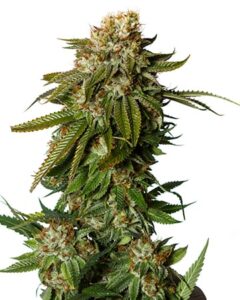
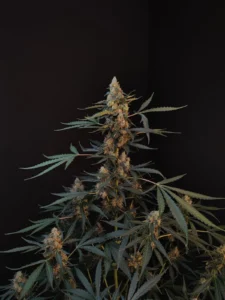
GG4 Autoflower
 | THC | 23% - 29% (High) |
 | Lineage | Sour Dubb x (Chem’s Sister x Chocolate Diesel) x Ruderalis" |
 | Type | Autoflowering |
 | Height | 3.94 ft | 1.2 m |
 | Yield | Medium |
 | Yield Indoor | 1.47 oz/ft² | 450 g/m² |
 | Yield Outdoor | 19.4 oz/plant | 550 g/plant |
 | Life Cycle | 9 - 10 weeks |
 | Phenotype | 40% Indica / 60% Sativa |
 | Effects | Euphoric, Relaxed, Uplifted |
 | Flavors | Citrus, Earthy, Fruity |
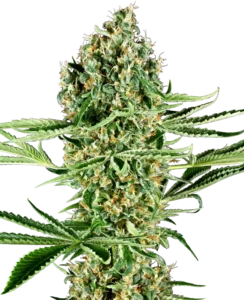
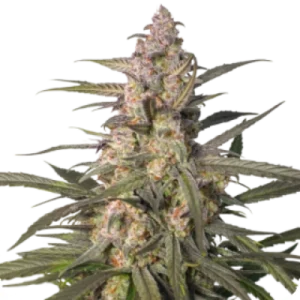
Critical Runtz
| | THC | 22% - 24% (Medium) |
| | Lineage | Critical x Runtz |
| | Type | Feminized |
| | Height | 5.74 ft | 1.75 m |
| | Yield | Medium |
| | Yield Indoor | 1.31 - 1.8 oz/ft² | 400 - 550 g/m² |
| | Flowering Time | 8 - 9 weeks |
| | Phenotype | 70% Indica / 30% Sativa |
| | Effects | Euphoric, Energetic, Relaxed |
| | Flavors | Sweet, Citrus, Berry, Tropical |
Chlorosis is often linked to nutrient deficiencies, such as lacking nitrogen, iron, or magnesium. These nutrients are vital for the plant’s green pigment, chlorophyll, which is necessary for photosynthesis. Fixing nutrient deficiency in cannabis involves proper diagnosis and treatment, which we will delve into further in this article.
Choosing the right cannabis strains can also play a role in managing chlorosis. For instance, strains like Gorilla Glue #4 Auto, Critical Runtz, and Northern Lights Auto from Growlantis are known for their resilience. Identifying their specific needs and traits can help you maintain plant health and maximize yield.
Identifying Chlorosis in Cannabis Plants
Diagnosing chlorosis in cannabis plants is the first step in resolving the issue. This condition is primarily characterized by the yellowing of leaves, starting at the tips and moving inward. Observing these changes early can prevent further damage.
Chlorosis often starts with the older leaves at the bottom of the plant. As the deficiency progresses, the yellowing spreads to the younger leaves. It’s important to distinguish chlorosis from other issues like pest infestations or overwatering, which can also cause leaf discoloration.
One way to diagnose is by examining the pattern of yellowing. If the veins remain green while the leaf tissue turns yellow, this indicates a nutrient deficiency, commonly iron or magnesium. On the other hand, even yellowing suggests a nitrogen deficiency. Knowing these distinctions can aid in choosing the right remedy for cannabis plant chlorosis.
Alongside visual clues, using soil and water tests can provide confirmation of specific nutrient deficiencies. These tests will help pinpoint which nutrients are lacking, allowing for a targeted approach in how to fix chlorosis in cannabis plants. Moreover, keeping a consistent log of plant health and environmental conditions can help identify patterns that precede chlorosis, giving you the upper hand in prevention.
Common Causes of Chlorosis
Several factors can cause chlorosis, with nutrient deficiencies being the most prevalent. The lack of essential nutrients like nitrogen, magnesium, and iron impacts chlorophyll production. This leads to the telltale yellowing of leaves.
Another cause is poor soil pH, which affects nutrient uptake. Cannabis plants thrive in slightly acidic to neutral pH levels. If the pH is off, the roots cannot absorb nutrients efficiently, leading to deficiencies and chlorosis. Regularly testing and adjusting soil pH is crucial for healthy plant growth.
It’s also important to consider the quality of water used for irrigation. Tap water with high chlorine or fluoride content can affect the root’s ability to absorb nutrients, leading to chlorosis. Using filtered or rainwater can mitigate these effects and improve overall plant health. By analyzing these common causes, growers can implement effective chlorosis solutions to maintain vibrant plants.
Environmental Factors
Environmental conditions also play a significant role in chlorosis. Low light levels, excessive watering, and poor drainage can all contribute to the condition. Cannabis plants like Gorilla Glue #4 Auto require adequate light and a well-draining medium to prevent root issues that could lead to chlorosis.
Temperature fluctuations and humidity levels can further stress the plants, exacerbating chlorosis. Maintaining optimal growing conditions is essential for preventing and treating chlorosis. This involves controlling temperature, humidity, and light exposure to ensure your cannabis plants remain healthy.
To prevent environmental stress, consider using automated systems that regulate light and climate conditions. These systems can maintain consistent light cycles and stable temperatures, reducing the likelihood of chlorosis. Additionally, integrating fans or ventilation systems can improve air circulation, further helping to create an environment less conducive to chlorosis.
Remedies for Cannabis Plant Chlorosis
Once you have identified chlorosis, implementing cannabis chlorosis solutions for growers is crucial. The first step is addressing any nutrient deficiencies. This can be achieved through the use of appropriate fertilizers or nutrient solutions designed for cannabis.
For nitrogen deficiencies, a balanced fertilizer with a higher nitrogen ratio can help. Magnesium and iron deficiencies may require specialized supplements. Products like Epsom salts (for magnesium) or chelated iron solutions can be effective in remedying these deficiencies.
Adjusting soil pH is another important remedy. Use a pH meter to check the levels and adjust as necessary. Lime can be used to raise pH, while sulfur can lower it. Ensuring optimal pH levels facilitates nutrient absorption and reduces the risk of chlorosis.
Embracing a holistic approach by combining nutrient management with environmental adjustments can enhance the effectiveness of remedies for cannabis plant chlorosis. Ensuring adequate watering practices, proper lighting, and choosing the right strains, such as those from Growlantis, can create an environment that supports recovery and prevents future occurrences of chlorosis.
Using Strains Resistant to Chlorosis
Choosing resilient strains is a proactive measure in preventing chlorosis. Gorilla Glue #4 Auto is known for its robustness and high yield. It’s less susceptible to nutrient deficiencies, making it ideal for beginners.
Critical Runtz is another great choice, offering a balanced growth pattern and high THC levels. Its resilience makes it easier to manage, even if chlorosis occurs. By selecting strains like these, you reduce the risk of nutrient-related issues.
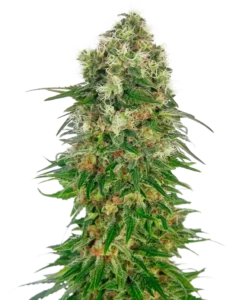
Northern Lights Auto is a classic strain praised for its hardy nature. It thrives in various conditions, reducing the chances of chlorosis. Its quick flowering time and ease of growth make it a favorite among both novice and experienced growers.
Natural and Organic Solutions
Many growers prefer natural solutions when addressing chlorosis. Compost teas and organic fertilizers can provide a nutrient-rich boost without the harsh chemicals found in some synthetic options. These natural remedies support long-term soil health and plant vitality.
Another approach is using beneficial microbes. Products containing mycorrhizal fungi or beneficial bacteria can enhance nutrient uptake and improve overall plant health. These natural allies work symbiotically with your cannabis plants, reducing the risk of chlorosis.
Preventing Chlorosis in Future Grows
Prevention is always better than cure when it comes to cannabis cultivation. Implementing preventive measures can save time and resources in the long run. Regularly monitoring your plants and maintaining optimal growing conditions are key strategies.
Start by ensuring a balanced nutrient regimen. Using complete fertilizers and supplements tailored for cannabis can prevent deficiencies that lead to chlorosis. Keep a close eye on your plants and adjust feeding schedules based on their growth stage and specific needs.
Regular soil testing can help maintain the right pH levels. Investing in a reliable pH meter and testing kits is worthwhile for any serious grower. This ensures that your plants can absorb the nutrients effectively, reducing the risk of chlorosis.
Incorporating a routine of preventative maintenance and monitoring is crucial in how to fix chlorosis in cannabis plants before it starts. By adopting a proactive approach such as regular soil and water testing, adjusting environmental factors, and selecting strains from Growlantis you can significantly lower the chances of chlorosis impacting your future cannabis crops.
Creating an Optimal Growing Environment
Maintaining an optimal environment is crucial for preventing chlorosis. Ensure your grow space has good air circulation and adequate lighting. Strains like Northern Lights Auto benefit from consistent light cycles and moderate temperatures.
Proper watering techniques are also essential. Overwatering can lead to root problems and exacerbate chlorosis. Allow the soil to dry out between waterings and use pots with good drainage to prevent waterlogging.
Regular Monitoring and Maintenance
Consistent monitoring and maintenance are vital for healthy cannabis plants. Regularly inspect your plants for signs of stress or nutrient deficiencies. This allows you to address issues before they develop into serious problems like chlorosis.
Keep detailed records of your growing conditions and any interventions you apply. This information can help you fine-tune your growing practices and avoid recurring issues. By staying proactive, you can ensure a successful and bountiful harvest.
FAQ
What is chlorosis in cannabis plants?
Chlorosis is a condition characterized by the yellowing of cannabis plant leaves due to insufficient chlorophyll. It’s often caused by nutrient deficiencies, particularly in nitrogen, magnesium, or iron, and can lead to reduced growth and yield if not addressed.
Identifying chlorosis early is crucial. Look for yellowing that starts at the leaf tips and moves inward, often affecting older leaves first. Correcting nutrient levels and maintaining optimal growing conditions can effectively treat and prevent chlorosis.
How can I treat chlorosis caused by nutrient deficiencies?
To treat chlorosis caused by nutrient deficiencies, first identify the lacking nutrient. Use a balanced fertilizer with a higher proportion of the deficient nutrient, such as nitrogen, magnesium, or iron. Products like Epsom salts or chelated iron solutions can be beneficial.
Adjusting soil pH is also important, as incorrect pH levels can hinder nutrient absorption. Use lime or sulfur to correct pH imbalances and ensure your soil is conducive to nutrient uptake. This helps in maintaining healthy and vibrant cannabis plants.
Are there cannabis strains that are resistant to chlorosis?
Yes, selecting resilient strains can help prevent chlorosis. Gorilla Glue #4 Auto, Critical Runtz, and Northern Lights Auto from Growlantis are known for their robustness. These strains are less susceptible to nutrient deficiencies, making them ideal for growers concerned about chlorosis.
These strains offer different benefits. Gorilla Glue #4 Auto is robust and yields high, Critical Runtz provides a balanced growth with high THC levels, and Northern Lights Auto is known for its hardiness and quick flowering time. These traits make them excellent choices for avoiding chlorosis.
What environmental factors contribute to chlorosis?
Environmental factors like poor lighting, incorrect watering, and inadequate drainage can contribute to chlorosis. Cannabis plants require sufficient light, proper watering techniques, and well-draining soil to prevent stress that can lead to chlorosis.
Temperature and humidity levels also affect plant health. Fluctuations can stress plants, making them more susceptible to chlorosis. Maintaining consistent and optimal growing conditions is essential for preventing this condition and supporting healthy growth.
How can I prevent chlorosis in future cannabis grows?
Preventing chlorosis involves implementing a balanced nutrient regimen and maintaining proper soil pH. Regularly test your soil and adjust nutrient levels as needed to ensure your plants receive adequate nutrition.
Creating an optimal growing environment is also crucial. Ensure good air circulation, adequate lighting, and proper watering techniques. Regular monitoring and maintenance, along with selecting resilient strains like those from Growlantis, can help prevent chlorosis in your cannabis plants.