
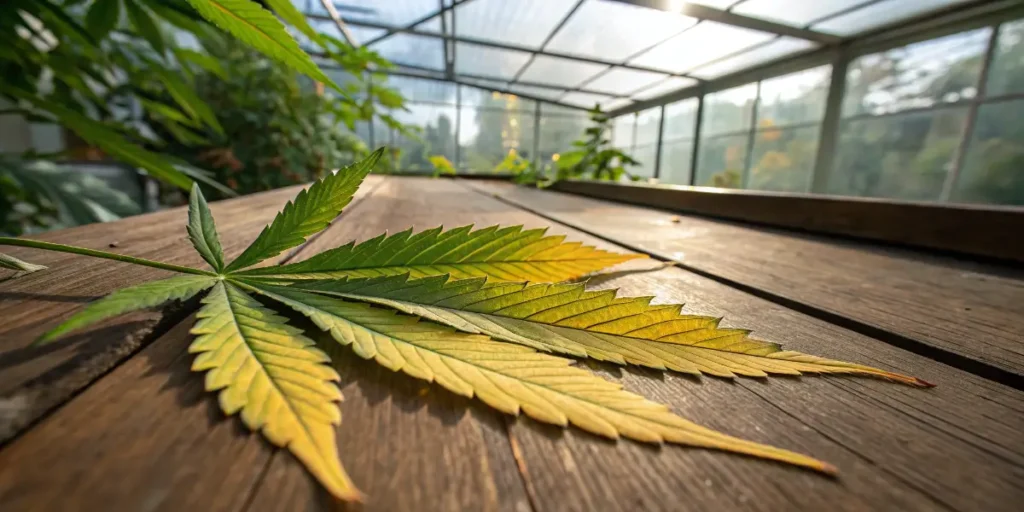
Leaf chlorosis in weed can be a frustrating issue for both novice and seasoned growers. Recognizing the signs early can save your plants from further damage. When cannabis leaves turn yellow, it’s often a sign of chlorosis, which is the lack of chlorophyll. This condition can be caused by various factors such as nutrient deficiencies, pests, or environmental stress. Identifying the root cause is crucial for a successful harvest.
For growers of strains like Runtz X Layer Cake, which is known for its robust growth and high THC levels, maintaining optimal leaf health is vital. This strain, with its rich, complex flavors, thrives when nutrient levels are balanced. Recognizing the specific needs of your plants will help in diagnosing issues like chlorosis effectively.
Recommended Strains
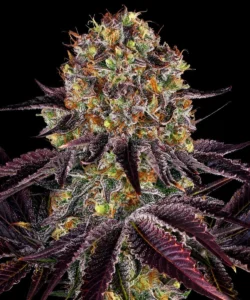
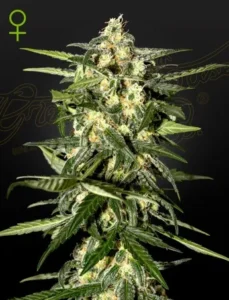
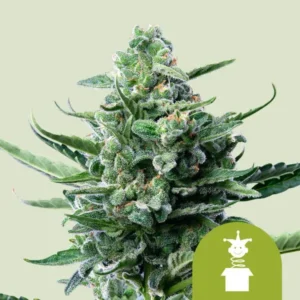
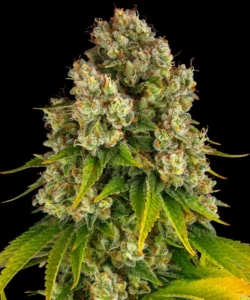
Runtz X Layer Cake

|
THC | 27% - 28% (High) |

|
Lineage | RUNTZ x LAYER CAKE |

|
Type | Feminized |

|
Height | 5.74 ft | 1.75 m |

|
Yield Outdoor | 88.19 oz/plant | 2500 g/plant |

|
Flowering Time | 9 - 10 weeks |

|
Phenotype | 50% Indica / 50% Sativa |

|
Effects | Creative, Powerful, Uplifted, Relaxed |

|
Flavors | Citrus, Diesel, Earthy, Spicy |
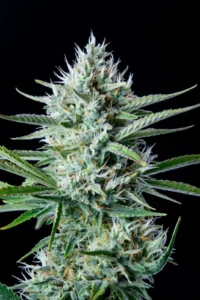
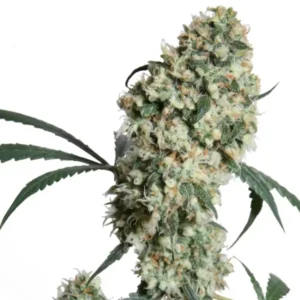
White Widow Auto
|
|
THC | 20% - 21% (Medium) |
|
|
Lineage | White Widow x Ruderalis |
|
|
Type | Autoflowering |
|
|
Height | 3.94 ft | 1.2 m |

|
Yield | High |

|
Yield Indoor | 1.31 - 1.64 oz/ft² | 400 - 500 g/m² |
|
|
Life Cycle | 9 weeks |
|
|
Phenotype | 70% Indica / 30% Sativa |
|
|
Effects | Focused, Relaxed |
|
|
Flavors | Musk, Spicy, Earthy, Sweet |
Leaf chlorosis can also affect White Widow Auto, a strain celebrated for its fast flowering time and ease of growth. This auto-flowering variety is popular among beginners, but even easy-to-grow strains require attention to detail to prevent issues like yellowing leaves. Ensuring adequate light and proper pH levels can prevent nutrient lockout, a common cause of chlorosis.
For those growing Auto Jack Herer, known for its cerebral high and medicinal benefits, maintaining leaf health is crucial for potency. This strain, with its balanced THC/CBD levels, can suffer from chlorosis if nutrient deficiencies are not addressed promptly. Keeping a watchful eye on your plant’s foliage will help ensure a healthy, bountiful yield.
Common Causes of Leaf Chlorosis in Weed
Leaf chlorosis is often a symptom of underlying issues. Without proper intervention, it can lead to stunted growth and reduced yields.
Nutrient deficiencies are a leading cause of chlorosis. When cannabis plants lack essential nutrients like nitrogen, iron, or magnesium, their leaves may begin to yellow. It’s important to recognize the specific deficiency affecting your plant. For instance, a nitrogen deficiency typically starts at the base of the plant, while iron deficiency affects new growth.
Poor soil pH levels can also lead to chlorosis. Cannabis plants prefer slightly acidic soil with a pH of 6.0 to 6.5. If the pH is too high or too low, nutrient uptake is hindered, leading to deficiencies. Regularly testing the pH of your soil or growing medium can help prevent these issues.
Environmental stress, such as extreme temperatures or insufficient light, can exacerbate chlorosis. Cannabis plants like Auto Jack Herer require stable conditions to thrive. Sudden fluctuations in temperature or light intensity can stress the plant, resulting in yellowing leaves.
Alongside these factors, improper watering practices can also contribute to chlorosis. Overwatering can lead to root rot, depriving the plant of oxygen, while underwatering can stress the plant and inhibit nutrient uptake. For strains like Runtz X Layer Cake, consistent moisture levels are particularly important to maintain their robust growth. Hence, adjusting watering schedules and monitoring soil moisture are essential steps in how to identify leaf chlorosis in weed and prevent it.
Nutrient Deficiencies Explained
Nutrient deficiencies manifest in various ways, with leaf chlorosis being a common sign. Each nutrient plays a specific role in plant health, and a lack can disrupt growth. Nitrogen is crucial for leaf development and overall plant vigor. When nitrogen is deficient, older leaves turn yellow, and growth slows.
Magnesium deficiency is another common issue, leading to interveinal chlorosis where the space between leaf veins turns yellow. This condition often appears on older leaves first and can spread if not addressed. Ensure that your nutrient solution or soil amendments contain adequate magnesium to prevent this.
Importance of Soil pH
Maintaining the correct soil pH is critical for nutrient absorption. Cannabis plants like Runtz X Layer Cake require a slightly acidic environment to uptake nutrients efficiently. If the pH is off, even if nutrients are present in the soil, the plant may not be able to absorb them, leading to chlorosis.
Regular soil testing can help you monitor and adjust pH levels. Use a pH meter or test strips to check the acidity or alkalinity of your growing medium. If the pH is not within the optimal range, consider using pH adjusters to correct it.
How to Spot Leaf Chlorosis in Cannabis Plants
Early detection of leaf chlorosis is key to managing the condition effectively. Recognizing the symptoms allows you to take corrective action before the plant’s health is severely compromised.
Yellowing leaves are the most apparent sign of chlorosis. In strains like White Widow Auto, pay attention to the pattern of yellowing. Is it affecting new growth, or is it more pronounced on older leaves? This can give clues about the type of deficiency.
Leaf spots and discoloration can also indicate chlorosis. In some cases, yellow spots may appear between leaf veins, suggesting a magnesium or iron deficiency. Monitoring these changes can help you diagnose the issue accurately.
Another symptom to watch for is leaf curling or wilting, which often accompanies chlorosis. This can indicate root issues or environmental stress. Ensuring that your growing conditions are stable will help alleviate these symptoms.
Furthermore, the texture of the leaves can provide important clues in identifying chlorosis symptoms in marijuana leaves. For instance, if the leaves of Auto Jack Herer become brittle or papery, it may indicate a more severe nutrient deficiency or pH imbalance. By closely observing not only color but also texture and firmness, growers can gain a more identify understanding of how to identify leaf chlorosis in weed, allowing for more targeted interventions.
Recognizing Yellowing Patterns
Different nutrient deficiencies cause distinct yellowing patterns. For example, a nitrogen deficiency typically causes older leaves to yellow and droop, while an iron deficiency affects new growth, causing the youngest leaves to turn pale. Analyzing these patterns can help you pinpoint the deficiency.
When growing strains like Auto Jack Herer, observe the leaf color and texture closely. This strain, known for its balanced effects, requires careful nutrient management to prevent chlorosis. Keeping detailed notes on your plants’ growth can help identify patterns and potential issues.
Diagnosing Nutrient Deficiency in Cannabis Leaves
Accurate diagnosis of nutrient deficiencies is essential for restoring plant health. Each deficiency has specific indicators that can help you identify the problem and take corrective measures.
Start by examining the overall health of your cannabis plants. Are the leaves uniformly yellow, or does the yellowing affect specific areas? This can provide clues about the deficiency. For instance, if the upper leaves are yellowing while the lower ones remain green, it may indicate an iron deficiency.
Consider the growing conditions and recent changes in your cultivation practices. Have you altered the nutrient solution or watering schedule? Changes in these areas can lead to nutrient imbalances, resulting in chlorosis.
Additionally, utilizing tools like leaf tissue analysis can provide a more precise assessment of nutrient status in your plants. This method allows growers to identify specific deficiencies before they visually manifest, offering a proactive approach to managing plant health. For strains such as Runtz X Layer Cake, where nutrient balance is crucial for their vigorous growth, such diagnostic tools can be invaluable. This approach not only aids in diagnosing nutrient deficiencies in cannabis leaves but also provides deeper insight into chlorosis in hemp plant foliage.
Testing and Adjusting Nutrient Levels
Once you’ve identified a potential nutrient deficiency, testing and adjusting nutrient levels is crucial. Use a nutrient testing kit to analyze the levels of key nutrients in your soil or hydroponic solution. This will help confirm your diagnosis and guide your corrective actions.
After identifying the deficiency, adjust your feeding regimen to address the specific nutrient shortfall. For example, if a magnesium deficiency is detected, consider incorporating a magnesium supplement into your nutrient solution or soil amendments.
Utilizing Strain-Specific Knowledge
Each cannabis strain, such as Runtz X Layer Cake or White Widow Auto, has unique nutrient requirements. Addressing these specifics can help you tailor your nutrient management strategy to prevent chlorosis. For instance, Runtz X Layer Cake may require higher nitrogen levels during its vegetative phase to support its vigorous growth.
By leveraging strain-specific knowledge, you can optimize your cultivation practices and prevent nutrient-related issues. This approach not only helps in preventing chlorosis but also enhances overall plant health and yield potential.
Practical Tips for Managing Leaf Chlorosis
Managing leaf chlorosis requires a proactive approach to plant care. By implementing practical strategies, you can minimize the risk of chlorosis and ensure healthy plant growth.
Regular monitoring of your plants is essential. Inspect your cannabis plants daily for any signs of yellowing or other stress indicators. Early detection allows for prompt corrective action, reducing the impact of chlorosis on your crop.
Maintaining a consistent watering schedule is also crucial. Overwatering or underwatering can stress plants, leading to nutrient deficiencies and chlorosis. Ensure that your plants receive the right amount of water based on their growth stage and environmental conditions.
Lastly, consider the use of supplements or additives that support plant health. Products containing beneficial microbes or enzymes can enhance nutrient uptake and improve soil health, reducing the likelihood of chlorosis.
Furthermore, integrating advanced monitoring systems can greatly aid in managing leaf chlorosis. These systems can track environmental parameters such as humidity, temperature, and light levels, providing real-time data that helps in maintaining optimal growth conditions. For strains like White Widow Auto, where environmental stability is key, such tools can be particularly beneficial. Adopting these technologies can be a game-changer for those learning how to spot leaf chlorosis in cannabis plants, ensuring timely interventions and healthier crops.
Implementing a Nutrient Management Plan
A well-structured nutrient management plan can prevent chlorosis and promote robust plant growth. Start by identifying the nutrient requirements of your specific cannabis strains. For example, Auto Jack Herer may have different needs compared to other strains due to its unique genetic profile.
Develop a feeding schedule that aligns with your plants’ growth stages, adjusting nutrient levels as necessary to support vegetative and flowering phases. Regularly review and refine your plan based on plant performance and environmental changes.
Utilizing Environmental Controls
Environmental controls play a significant role in preventing chlorosis. Ensure that your grow area maintains stable temperature and humidity levels. Strains like White Widow Auto benefit from consistent conditions, which reduce stress and nutrient issues.
Investing in tools such as fans, heaters, or humidifiers can help create an optimal environment for your cannabis plants. Regularly monitor these conditions to ensure they remain within the ideal range for your chosen strains.
FAQ
What are the first signs of leaf chlorosis in cannabis plants?
The first signs of leaf chlorosis in cannabis plants usually include yellowing of the leaves. This yellowing often starts at the edges or between the veins and can be more pronounced in older or newer leaves, depending on the nutrient deficiency. Monitoring these changes can help you catch chlorosis early.
Beyond yellowing, you might notice other symptoms such as leaf curling or wilting. These signs often accompany chlorosis and can indicate stress factors like nutrient imbalances or environmental issues. Addressing these symptoms promptly can prevent further plant health decline.
How does nutrient deficiency lead to chlorosis in marijuana leaves?
Nutrient deficiency leads to chlorosis in marijuana leaves due to insufficient levels of essential nutrients required for chlorophyll production. Chlorophyll is responsible for the green color of leaves, and its absence results in yellowing. Nutrients like nitrogen, iron, and magnesium are crucial for chlorophyll synthesis.
When these nutrients are deficient, the plant cannot produce enough chlorophyll, leading to chlorosis. Identifying the specific deficiency and adjusting your nutrient regimen can help restore healthy leaf coloration and prevent further issues.
Can environmental stress cause chlorosis in weed plants?
Yes, environmental stress can cause chlorosis in weed plants. Factors such as extreme temperatures, inconsistent light exposure, and improper humidity levels can stress the plants, affecting their ability to absorb nutrients efficiently. This stress often manifests as yellowing leaves.
To prevent environmental stress-induced chlorosis, maintain stable growing conditions. Use tools like fans, lights, and humidifiers to create an optimal environment that supports your cannabis plants’ health and reduces the risk of nutrient-related issues.
How do I adjust pH levels to prevent chlorosis in cannabis?
To adjust pH levels and prevent chlorosis in cannabis, regularly test your soil or nutrient solution using a pH meter or test strips. Cannabis plants prefer a pH range of 6.0 to 6.5 for optimal nutrient uptake. If the pH is outside this range, use pH adjusters to correct it.
For soil grows, add lime to raise pH or sulfur to lower it. In hydroponic systems, use commercial pH up or down solutions. Regular monitoring and adjustment ensure that your plants can absorb the necessary nutrients, reducing the risk of chlorosis.
Are certain cannabis strains more prone to chlorosis?
Certain cannabis strains may show different susceptibilities to chlorosis based on their genetic makeup and nutrient requirements. For example, strains like Runtz X Layer Cake, with its vigorous growth, may have higher nutrient demands, making it more prone to deficiency-related chlorosis if not properly managed.