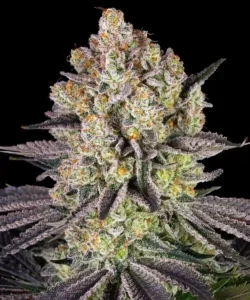


Refractometers are invaluable tools for cannabis growers, providing insights into the plant’s health and potential yield. These devices measure the Brix level, which indicates the sugar content in plant sap. High Brix levels often correlate with healthier plants and better yields, making refractometers essential for both novice and experienced cultivators.
While using a refractometer may seem daunting at first, it’s a straightforward process that can be mastered with practice. By recognizing how to interpret refractometer readings in cannabis, growers can make informed decisions to enhance plant quality. Whether you’re nurturing Blue Gelato, Runtz, or OG Kush, knowing how to utilize this tool can significantly impact your cultivation results.
Recommended Strains

Blue Gelato

|
THC | 23% - 24% (High) |

|
Lineage | Blueberry x Thin Mint Girl Scout Cookies x Sunset Sherbert |

|
Type | Feminized |

|
Height | 5.74 ft | 1.75 m |

|
Yield | High |

|
Yield Indoor | 1.8 - 1.97 oz/ft² | 550 - 600 g/m² |

|
Yield Outdoor | 17.64 - 21.16 oz/plant | 500 - 600 g/plant |

|
Flowering Time | 9 - 10 weeks |

|
Phenotype | 80% Indica / 20% Sativa |

|
Effects | Balanced, Relaxed, Uplifted |

|
Flavors | Diesel, Earthy |

Tarte Tatin Greenhouse Seeds
|
|
THC | 22% - 23% (Medium) |
|
|
Lineage | Caramel Apple Gelato x King’s Tart |
|
|
Type | Feminized |
|
|
Height | 6.56 ft | 2 m |
|
|
Yield Outdoor | 35.27 oz/plant | 1000 g/plant |
|
|
Flowering Time | 8 - 9 weeks |
|
|
Phenotype | 65% Indica / 35% Sativa |
|
|
Effects | Relaxed, Energetic, Balanced |
|
|
Flavors | Sweet, Earthy, Fruity, Vanilla |
Let’s delve into the specifics of using refractometers in cannabis cultivation, examine how they can help you achieve optimal plant health, and learn about the unique qualities of popular strains from Growlantis. With the right approach, you’ll be equipped to boost your growing success.
What is a Refractometer and How Does It Work?
A refractometer is a device used to measure the refractive index of liquids. In cannabis cultivation, it helps determine the Brix level, which is the sugar concentration in the plant’s sap. This measurement is crucial because it can indicate the overall health of the plant.
The refractometer works by bending light through the liquid sample. The degree to which the light is bent, or refracted, is proportional to the density of the liquid. Higher Brix levels, often seen in healthier plants, will bend light more significantly, giving higher refractometer readings.
Using a refractometer is simple. Collect a small sample of sap from your cannabis plant, place it on the prism of the refractometer, and look through the eyepiece to read the Brix level. Regular testing allows growers to monitor plant health and make necessary adjustments.
Recognizing cannabis refractometer readings for potency is essential, as it provides insight into the plant’s potential cannabinoid levels. By accurately interpreting these readings, growers can tailor their nutrient and light regimens to enhance the plant’s development. For instance, consistently high Brix readings in strains like OG Kush can indicate they are receiving the right balance of nutrients, leading to a more potent and flavorful harvest.
Applications in Cannabis Cultivation
Refractometers are particularly useful in cannabis cultivation for assessing plant health. By measuring and interpreting Brix levels, growers can identify nutrient deficiencies or pest issues. For instance, low Brix levels might indicate a need for improved soil quality or better pest management strategies.
Different strains, such as Blue Gelato and Runtz from Growlantis, may naturally exhibit varying Brix levels. Recognizing these differences can help tailor cultivation practices to each strain’s needs, optimizing growth and yield potential.
Analyzing cannabis plant health with refractometer readings also allows growers to adapt their techniques to specific environmental conditions. For example, a sudden drop in Brix levels during a heatwave might suggest that the plants are under stress, prompting the need for increased hydration or shade. By closely monitoring these readings, cultivators can swiftly respond to changes, ensuring that plants like Runtz continue to thrive despite external challenges.
Interpreting Brix Levels in Cannabis Cultivation
Interpreting Brix levels involves recognizing what the readings mean for your cannabis plants. Typically, higher Brix levels suggest better plant health, with increased resistance to pests and diseases. This is because healthier plants produce more sugars, which are reflected in higher Brix readings.
For example, OG Kush, a strain known for its potency and resilience, may exhibit high Brix levels when grown under optimal conditions. Monitoring these levels helps ensure that plants like OG Kush are receiving adequate nutrients and care.
How to interpret refractometer readings in cannabis becomes even more critical when dealing with fluctuations in environmental factors. A consistent schedule of readings can help identify patterns that might be linked to specific cultivation practices. For example, if Blue Gelato consistently shows lower Brix levels after a nutrient change, it might indicate a need to revisit the nutrient mix to enhance plant health and yield.
Importance of Regular Monitoring
Regular monitoring of Brix levels allows growers to catch potential issues early. By routinely checking refractometer readings, you can maintain the health and productivity of your cannabis plants. This proactive approach is crucial for strains like Runtz, which thrive with consistent care.
Implementing a schedule for Brix level checks, particularly during key growth stages, can help ensure that your plants are thriving. Adjustments to your cultivation practices based on these readings can lead to improved yields and quality.
Refractometer usage for cannabis quality testing is not only about maintaining plant health but also about ensuring the final product meets desired standards. By integrating regular Brix level assessments into your cultivation routine, you can make timely adjustments to light, water, and nutrients, ensuring that your harvest, whether Blue Gelato or OG Kush, reaches its full potential in terms of quality and potency.

Refractometer Usage for Cannabis Quality Testing
Refractometers are not only useful for monitoring plant health but also for assessing the quality of cannabis. By analyzing Brix levels, growers can gauge the potential potency of their harvest. Higher Brix levels often correlate with greater cannabinoid content, enhancing the overall quality of the cannabis.
For instance, Blue Gelato is known for its high THC content and unique flavor profile. Using a refractometer to track Brix levels can help ensure that these desirable traits are fully developed during cultivation.
Recognizing how to read a refractometer for cannabis plants enables growers to back their cultivation strategies with data-driven insights. By consistently documenting Brix levels, cultivators can develop a holistic recognition of how different inputs affect plant development. This knowledge is particularly valuable when cultivating strains like Runtz, where maintaining specific flavor and potency profiles is essential for market success.
Actionable Tips for Effective Use
To get the most out of your refractometer, ensure that you are using it correctly. Clean the device thoroughly before each use to avoid contamination. Consistently collect sap samples from the same part of the plant to ensure accurate readings.
It’s also beneficial to keep a record of your readings over time. This historical data can reveal trends and help you understand the impact of different cultivation strategies on Brix levels, particularly when growing strains like OG Kush and Runtz.
Analyzing Cannabis Plant Health with Refractometer Readings
Analyzing refractometer readings provides a holistic view of your cannabis plant’s health. By recognizing these readings, you can make informed decisions about nutrient management, pest control, and overall cultivation practices.
For example, consistent low Brix readings might suggest an underlying issue with soil fertility or the need for additional nutrients. Addressing these issues promptly can prevent more significant problems and improve plant performance.
Interpreting Brix levels in cannabis cultivation adds a layer of precision to your growing practices. By correlating Brix readings with environmental conditions, you can pinpoint factors that might be affecting plant health. For instance, if OG Kush shows fluctuating Brix levels, it might be worth investigating changes in light cycles or humidity levels to ensure optimal growth and resilience.
Practical Examples and Case Studies
Consider a scenario where a grower notices declining Brix levels in their OG Kush plants. By analyzing the readings and adjusting nutrient applications, the grower can restore plant health and enhance yield. This proactive approach showcases the value of refractometer readings in real-world cultivation.
Similarly, a grower working with Runtz might use refractometer data to optimize light exposure, ensuring that plants receive the right amount of light for robust growth. These practical applications demonstrate how refractometer readings can lead to successful cannabis cultivation.

FAQ
How do I read a refractometer for cannabis plants?
Reading a refractometer for cannabis plants involves placing a drop of sap on the device’s prism and looking through the eyepiece to see where the light refracts. The point where the light line falls on the scale indicates the Brix level. Regular calibration of the refractometer ensures accurate readings.
What are typical Brix levels for cannabis plants?
Typical Brix levels for healthy cannabis plants range from 12 to 18. However, specific levels can vary based on the strain and growing conditions. Monitoring these levels in strains like Blue Gelato and OG Kush can provide insights into plant health and potential yield.
Can refractometer readings predict cannabis potency?
While refractometer readings primarily measure sugar content, they can indirectly indicate potential potency. Higher Brix levels often correlate with increased cannabinoid production, suggesting a more potent harvest. This makes refractometers useful tools for anticipating the quality of strains such as Runtz.
How often should I check Brix levels in my cannabis plants?
It’s advisable to check Brix levels weekly, particularly during critical growth phases. Regular monitoring allows you to track changes over time and make necessary adjustments. This frequency ensures that strains like OG Kush and Blue Gelato receive optimal care throughout their growth cycle.
Are there any limitations to using refractometers in cannabis cultivation?
While refractometers provide valuable insights, they focus primarily on sugar content and may not capture all aspects of plant health. Factors like nutrient balance and environmental conditions also play crucial roles. Therefore, refractometer readings should be used alongside other cultivation practices for holistic plant management.