
Using a refractometer on cannabis plants opens a new world of insight for growers. This tool, often used in winemaking and brewing, measures the sugar levels in plant sap. For cannabis cultivators, recognizing this measurement can determine plant health, stress levels, and even the right time to harvest. By learning how to use a refractometer on cannabis plants, growers can optimize their cultivation practices and maximize yields.
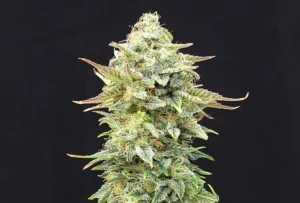
Blue Dream Auto strain from Growlantis, known for its balanced THC and CBD levels, benefits greatly from refractometer readings. With its autoflowering nature, Blue Dream Auto requires precise monitoring to ensure optimal growth. A refractometer helps by providing real-time data on sugar levels, indicating how well the plant is photosynthesizing and if it requires any nutrient adjustments.
Recommended Strains
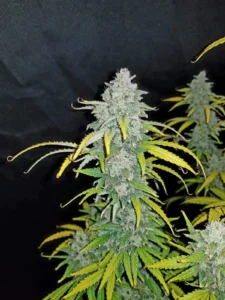
Blue Dream Autoflower

|
THC | 22% - 23% (Medium) |

|
Lineage | Blue Dream x Ruderalis |

|
Type | Autoflowering |

|
Height | 3.94 ft | 1.2 m |

|
Yield | High |

|
Yield Indoor | 1.47 - 1.97 oz/ft² | 450 - 600 g/m² |

|
Life Cycle | 9 - 11 weeks |

|
Phenotype | 25% Indica / 75% Sativa |

|
Effects | Happy, Creative, Relaxed |

|
Flavors | Cherry, Berry, Lemon, Pine |

Critical Runtz
|
|
THC | 22% - 24% (High) |
|
|
Lineage | Critical x Runtz |
|
|
Type | Feminized |
|
|
Height | 5.74 ft | 1.75 m |
|
|
Yield | High |
|
|
Yield Indoor | 1.31 - 1.8 oz/ft² | 400 - 550 g/m² |
|
|
Flowering Time | 8 - 9 weeks |
|
|
Phenotype | 70% Indica / 30% Sativa |
|
|
Effects | Euphoric, Energetic, Relaxed |
|
|
Flavors | Sweet, Citrus, Berry, Tropical |
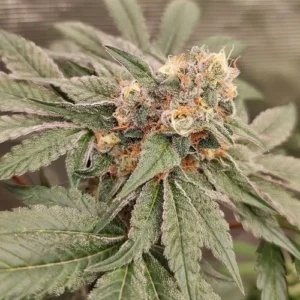
Critical Runtz, another popular strain from Growlantis, is celebrated for its high THC content and robust yield. Using a refractometer on this strain allows growers to track the plant’s sugar production, a key indicator of its overall vigor and potency. By keeping an eye on these levels, growers can tweak environmental conditions to enhance the plant’s natural strengths.
Cookies Gelato Auto, with its sweet aroma and potent effects, thrives under careful management. The autoflowering characteristics of this strain mean it has a set lifecycle, and monitoring with a refractometer ensures that each phase of growth is supported by adequate nutrition. This guarantees that the plant reaches its full potential, producing the rich flavors and effects that make it a favorite among enthusiasts.
Using a Refractometer for Cannabis Cultivation
A refractometer is an invaluable tool for cannabis cultivators looking to optimize their growing practices. By measuring the sugar levels in a plant’s sap, growers can make informed decisions about nutrients and watering. This is particularly useful for strains like Blue Dream Auto, where balanced growth is crucial for achieving its signature effects.
Refractometer calibration for cannabis plant analysis is essential for achieving accurate results. Growers can gain insights into the plant’s metabolic processes and adjust their cultivation techniques accordingly. For instance, Blue Dream Auto may show varying Brix levels depending on its growth stage, guiding nutrient adjustments. Similarly, Critical Runtz can benefit from precise refractometer readings to maintain its high THC levels, while Cookies Gelato Auto’s terpene profile can be enhanced by monitoring sugar content closely. Recognizing how to use a refractometer on cannabis plants can thus lead to more targeted and effective cultivation strategies.
Measuring Cannabis Plant Sugar Levels with a Refractometer
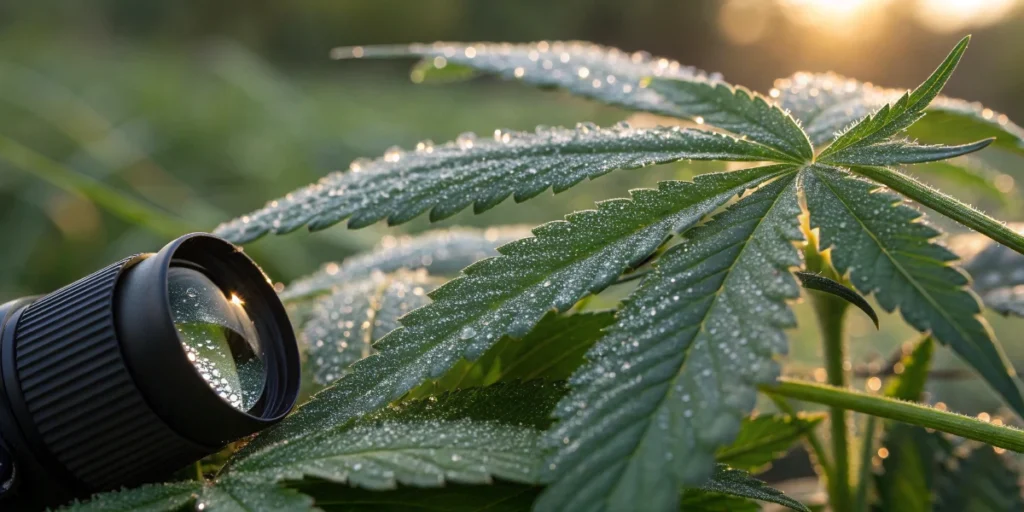
To measure cannabis plant sugar levels with a refractometer, start by taking a small sample of sap from a leaf. Be gentle to avoid damaging the plant. Place the sap on the refractometer’s prism and close the cover plate to spread the liquid evenly.
Look through the refractometer’s eyepiece to read the Brix level, which appears as a line on the scale. This measurement indicates the percentage of sugar in the plant’s sap, providing a snapshot of its health and vigor. Optimal refractometer readings for cannabis cultivation vary but generally, a Brix level above 12 is desirable.
Optimal Refractometer Readings for Cannabis
Knowing the optimal refractometer readings for cannabis cultivation can help you fine-tune your growing environment. For instance, a Brix level of 12 or higher is typically seen as an indicator of a healthy, nutrient-rich plant.
Recognizing how to measure cannabis plant sugar levels with a refractometer is crucial for maximizing the potential of each strain. For Blue Dream Auto, maintaining optimal sugar levels ensures a balanced cannabinoid ratio, critical for its therapeutic effects. Critical Runtz, on the other hand, relies on high Brix readings to achieve its renowned potency. Cookies Gelato Auto benefits from consistent sugar levels to develop its complex terpene profile. By using refractometer for cannabis potency testing, growers can ensure each strain reaches its peak performance, ultimately leading to superior harvests.
Tips for Accurate Refractometer Readings
To get the most accurate refractometer readings, ensure that the tool is clean and properly calibrated. Regular calibration is essential, especially if you’re switching between different strains or environmental conditions.
Sample collection is also crucial. Take samples from healthy, mature leaves, as these provide the most consistent readings. Avoid sampling during or immediately after watering, as this can dilute the sap and skew results.
Integrating Refractometer Data into Growing Practices
Integrating refractometer data into your growing practices allows for more precise nutrient management. By tracking the plant’s sugar levels, you can adjust feeding schedules to match the plant’s needs.
Utilizing how to use a refractometer on cannabis plants can transform growing practices by providing data-driven insights into nutrient needs and environmental conditions. For instance, Blue Dream Auto may require specific nutrient adjustments to maintain its characteristic balance of cannabinoids, which can be fine-tuned using refractometer data. Critical Runtz can achieve maximum potency and yield by aligning growth practices with Brix level trends, while Cookies Gelato Auto benefits from nutrient strategies aimed at enhancing its aromatic profile. This strategic approach helps growers mitigate risks and capitalize on each strain’s unique characteristics, ensuring a successful cultivation cycle.
Practical Applications of Refractometer Readings
Using refractometer readings, growers can make informed decisions about harvest timing. High Brix levels often signal that the plant is reaching peak potency, making it an ideal time to harvest.
Refractometer data also aids in diagnosing plant issues. Low sugar levels can indicate stress or disease, prompting early intervention to save the crop. This proactive approach is especially beneficial for maintaining the health of high-value strains like Critical Runtz.

FAQs
Why should I use a refractometer on cannabis plants?
A refractometer provides valuable insights into the health and vigor of your cannabis plants by measuring sugar levels in the sap. This measurement helps in making informed decisions about nutrient and water management, ultimately leading to healthier plants and better yields. Strains like Blue Dream Auto and Critical Runtz benefit greatly from this data, ensuring optimal growth and potency.
How do I calibrate a refractometer for cannabis plant analysis?
Calibrating a refractometer is simple and essential for accurate readings. Start by placing a few drops of distilled water on the refractometer’s prism. Adjust the calibration screw until the reading is at zero. This sets a baseline, ensuring that subsequent measurements reflect true sugar levels in your cannabis plants.
What do optimal refractometer readings look like for cannabis?
Optimal refractometer readings for cannabis typically show Brix levels of 12 or higher. These readings indicate a healthy plant with sufficient sugar levels to support growth and potency. For strains like Cookies Gelato Auto, high Brix levels ensure the development of rich terpenes and flavors, enhancing the overall quality of the harvest.
How often should I take refractometer readings?
Regular monitoring is key to making the most of refractometer data. Aim to take readings weekly, or more frequently if you’re adjusting environmental conditions or nutrients. Consistent tracking allows you to see trends and make timely adjustments to your growing practices, ensuring optimal plant health and yield.
Can refractometer readings predict harvest time for cannabis?
Yes, refractometer readings can help predict the best harvest time by indicating peak sugar levels in the plant. High Brix readings often coincide with maximum potency, signaling that the plant is ready for harvest. This is particularly useful for strains like Critical Runtz, where maximizing THC content is a priority.