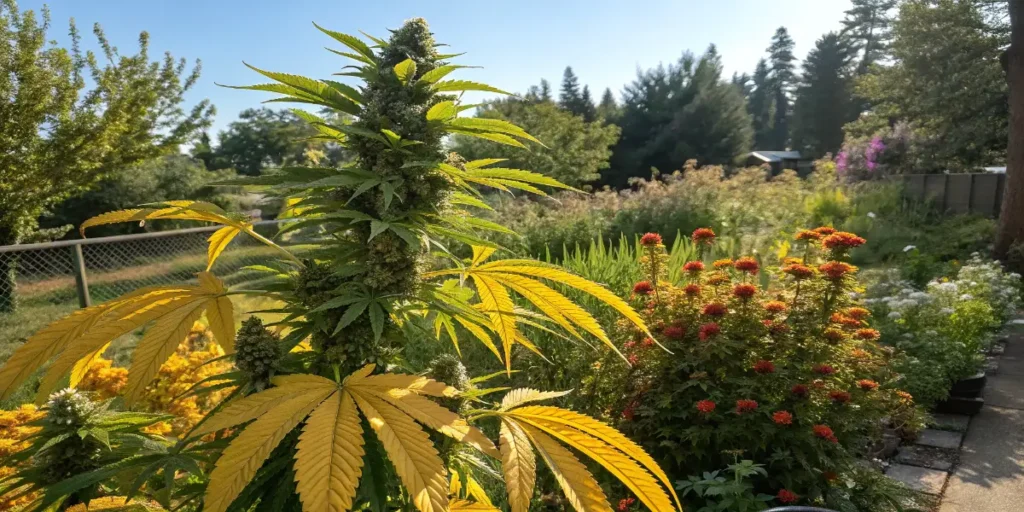

Leaf chlorosis during the flowering stage of cannabis can be a perplexing challenge for growers. This phenomenon, characterized by yellowing leaves, often signals underlying issues that need immediate attention. Both first-time cannabis seed buyers and seasoned growers may encounter this issue, making it crucial to understand the factors contributing to it. Addressing nutrient deficiencies, environmental stressors, and other potential causes can help ensure a healthy and productive flowering stage.
One of the most common reasons for leaf chlorosis during flowering stage cannabis is nutrient deficiency. As cannabis plants transition from vegetative growth to flowering, their nutritional needs change. Failing to adjust the nutrient mix can lead to yellow leaves on cannabis during the flowering stage. Managing these changes is essential for maintaining plant health and maximizing yields.
Recommended Strains
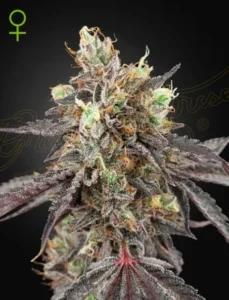
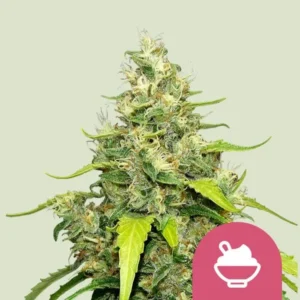
Gelato 41 X Gelato 41 Auto

|
THC | 20% - 21% (Medium) |

|
Lineage | Gelato 41 x Gelato 41 Auto |

|
Type | Autoflowering |

|
Height | 3.77 ft | 1.15 m |

|
Yield Outdoor | 2.82 oz/plant | 80 g/plant |

|
Life Cycle | 9 - 10 weeks |

|
Phenotype | 70% Indica / 30% Sativa |

|
Effects | Euphoric, Relaxed |

|
Flavors | Citrus, Diesel, Grape |
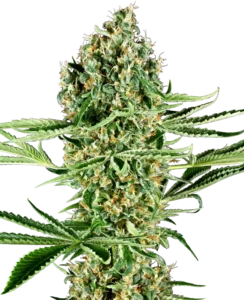
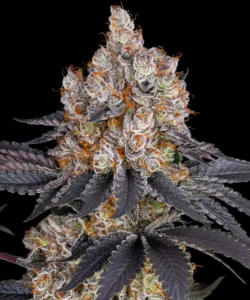
Critical Runtz
|
|
THC | 22% - 24% (High) |
|
|
Lineage | Critical x Runtz |
|
|
Type | Feminized |
|
|
Height | 5.74 ft | 1.75 m |

|
Yield | High |

|
Yield Indoor | 1.31 - 1.8 oz/ft² | 400 - 550 g/m² |
|
|
Flowering Time | 8 - 9 weeks |
|
|
Phenotype | 70% Indica / 30% Sativa |
|
|
Effects | Euphoric, Energetic, Relaxed |
|
|
Flavors | Sweet, Citrus, Berry, Tropical |
Certain cannabis strains, such as Gelato 41 X Gelato 41 Auto from Growlantis, are known for their robust flowering capabilities. However, even these resilient strains can experience leaf chlorosis under stress. Recognizing the specific needs of each strain is critical in diagnosing cannabis leaf yellowing in flowering and implementing effective solutions.
Environmental factors also play a significant role in leaf chlorosis during flowering. Excessive heat, inadequate watering, and poor soil conditions can exacerbate the issue. By creating a stable and supportive environment, growers can prevent many common causes of leaf chlorosis and promote vigorous flowering.
Nutrient Deficiencies and Leaf Chlorosis
Nutrient deficiencies are a primary cause of leaf chlorosis during the flowering stage of cannabis. As plants shift their focus to flower production, their demand for certain nutrients, such as phosphorous and potassium, increases. If these needs aren’t met, chlorosis can quickly develop.
Critical Runtz, another strain from Growlantis, is particularly sensitive to nutrient imbalances during flowering. To prevent nutrient deficiencies causing chlorosis in cannabis flowering, it’s crucial to provide a balanced fertilizer tailored to the flowering phase. Monitoring and adjusting the nutrient mix can prevent yellowing leaves on cannabis during the flowering stage.
Regular soil testing can help identify deficiencies before they cause visible symptoms. By analyzing the nutrient profile of your growing medium, you can make informed adjustments to your feeding regimen. This proactive approach is vital in managing leaf chlorosis in flowering cannabis plants.
It’s also important to consider that some nutrient deficiencies may not be due to a lack of nutrients in the soil but rather an inability of the plant to absorb them. This can be caused by incorrect pH levels in the soil, which can lock out essential nutrients. Testing and adjusting the soil pH to an optimal range (typically between 6.0 and 7.0 for soil grows) can enhance nutrient uptake, further preventing cannabis leaf chlorosis during flowering.
Key Nutrients for Flowering Cannabis
Phosphorous and potassium are essential nutrients during the flowering stage. Phosphorous supports bud development, while potassium enhances overall plant vigor and disease resistance. A lack of either nutrient can lead to nutrient deficiencies causing chlorosis in cannabis flowering.
Calcium and magnesium also play critical roles. Calcium strengthens cell walls, while magnesium is vital for chlorophyll production. A deficiency in magnesium is a common cause of yellow leaves on cannabis during flowering stage and should be addressed promptly to maintain plant health.
Adjusting Nutrient Regimens
Adapting your nutrient regimen to the flowering stage involves more than just increasing amounts. It’s about providing the right balance. Gelato 41 X Gelato 41 Auto, known for its rich terpene profile, flourishes with a carefully calibrated nutrient schedule. Tailoring your approach to the specific needs of your strain can prevent leaf chlorosis.
Foliar feeding is another technique to consider. This involves applying nutrients directly to the leaves, offering a quick remedy for certain deficiencies. However, it’s essential to follow foliar feeding guidelines to avoid damaging the plant tissue.
Environmental Factors Affecting Leaf Health
Environmental stressors are another significant contributor to leaf chlorosis during the flowering stage. Cannabis plants thrive in stable conditions, and fluctuations in temperature, humidity, or light can disrupt their growth.
Blue Gelato, a strain with a reputation for resilience, still requires careful environmental management to avoid stress-induced leaf yellowing. Ensuring consistent temperature and humidity levels is crucial for diagnosing cannabis leaf yellowing in flowering and preventing further issues.
Excessive heat can cause leaf chlorosis by accelerating transpiration and depleting moisture faster than the plant can absorb it. Similarly, low humidity can lead to dehydration, affecting nutrient uptake. Monitoring and controlling these factors can help in managing leaf chlorosis in flowering cannabis plants.
Beyond temperature and humidity, light quality and duration are critical environmental factors. While Blue Gelato is robust, it still requires a lighting schedule that mimics natural sunlight patterns to thrive. Ensuring that your grow lights provide a full spectrum and are adjusted to the correct distance from the canopy can reduce stress and prevent leaf chlorosis during flowering stage cannabis, promoting optimal plant health.
Temperature and Humidity Control
Maintaining optimal temperature and humidity is key to preventing environmental stress. During flowering, cannabis plants prefer temperatures between 68-77°F (20-25°C) and humidity levels ranging from 40-50%. Deviations from these conditions can lead to leaf chlorosis.
Using tools like hygrometers and thermostats can help maintain ideal conditions. Automated systems, although an investment, provide precise control and peace of mind, ensuring your plants remain healthy throughout the flowering stage.
Lighting and Airflow
Proper lighting is essential during the flowering stage. Excessive light intensity or prolonged exposure can cause stress, leading to yellow leaves on cannabis during flowering stage. Adjusting light schedules and distances can mitigate this risk.
Airflow is equally important. Stagnant air can lead to mold and mildew, while excessive airflow may dry out the leaves. Fans should provide gentle circulation, ensuring fresh air reaches all parts of the plant without causing leaf damage.
Choosing the Right Cannabis Strain
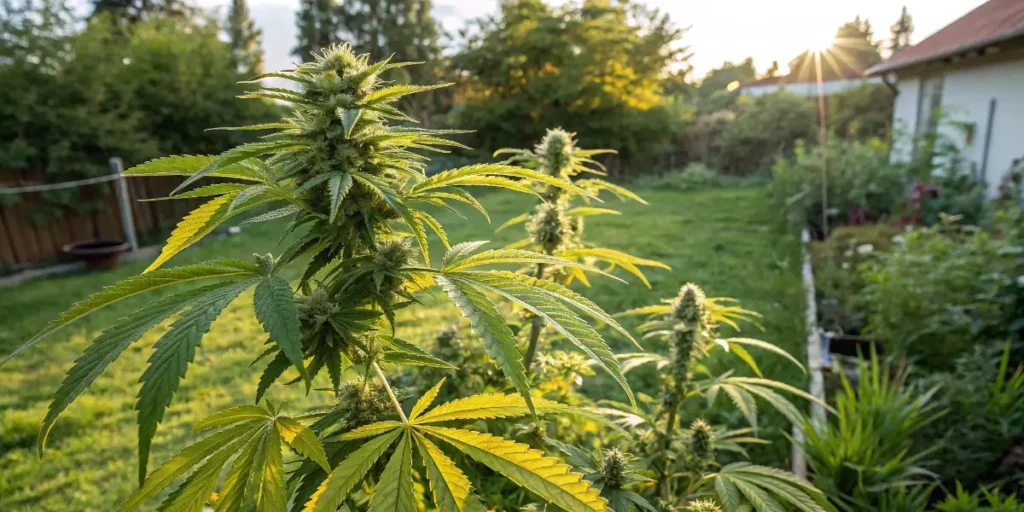
Selecting the appropriate cannabis strain for your growing conditions can significantly impact your success rate, especially in preventing leaf chlorosis during the flowering stage. Each strain has unique characteristics and requirements.
Gelato 41 X Gelato 41 Auto is favored for its adaptability and robust growth. Its ability to thrive in various conditions makes it an excellent choice for both novice and experienced growers aiming to minimize issues like leaf chlorosis.
Critical Runtz, with its high THC levels and generous yields, demands diligent care and attention to detail. Proper nutrient management is crucial for this strain, particularly during flowering, to prevent nutrient deficiencies causing chlorosis in cannabis flowering.
For those looking for a rewarding yet challenging grow, Blue Gelato offers a unique experience. Known for its vibrant colors and rich flavors, this strain requires precise environmental control, making it ideal for growers ready to tackle the demands of flowering-stage chlorosis prevention.
When choosing strains, it’s also important to consider the specific challenges of your growing environment. For instance, if you’re growing indoors with limited control over humidity, the robust nature of Gelato 41 X Gelato 41 Auto might be beneficial. On the other hand, if you’re experienced and can maintain precise environmental control, the unique characteristics of Blue Gelato can offer a fulfilling cultivation journey, despite its higher sensitivity to stressors that can lead to leaf chlorosis during flowering stage cannabis.
Strain Characteristics and Requirements
The flowering time of a strain is a critical consideration. Gelato 41 X Gelato 41 Auto typically flowers in 8-10 weeks, offering a quick turnaround for growers eager for results. Tracking this timeline helps in planning and executing effective nutrient and environmental strategies.
Critical Runtz’s flowering period aligns with its need for careful nutrient adjustments. Regular monitoring and tailored feeding schedules ensure healthy growth and prevent common issues like leaf chlorosis during flowering stage cannabis.
Matching Strains to Growing Conditions
Matching your chosen strain to your specific growing conditions can help prevent issues such as leaf chlorosis. For example, Blue Gelato thrives in environments with stable temperatures and humidity, making it ideal for controlled indoor setups.
By aligning strain characteristics with your grow environment, you can reduce the risk of stress-related problems, ensuring a healthy flowering stage and a bountiful harvest.
Practical Tips for Managing Leaf Chlorosis
Preventing and managing leaf chlorosis during the flowering stage requires a proactive approach. Regular monitoring, timely interventions, and a keen managing of your plants’ needs are essential.
One of the best practices is to keep detailed records of your growing conditions and changes made to your regimen. This data can help identify patterns and issues early, allowing for quicker resolution and less impact on your cannabis plants.
Regularly inspecting your plants for signs of stress or nutrient deficiencies is crucial. Early detection of yellow leaves on cannabis during flowering stage allows for prompt corrective measures, preventing further damage and ensuring a successful harvest.
Alongside keeping records, utilizing technology can significantly aid in managing leaf chlorosis in flowering cannabis plants. Tools like digital thermometers, hygrometers, and pH meters provide real-time data that can help you make informed decisions quickly. Many modern growers also use smartphone apps to track their plants’ progress and environmental conditions, offering a convenient way to stay on top of potential issues such as cannabis leaf chlorosis during flowering.
Monitoring and Record-Keeping
Keeping a grow journal is an invaluable tool for any cannabis cultivator. Documenting everything from nutrient schedules to environmental conditions helps in diagnosing cannabis leaf yellowing in flowering and implementing effective solutions.
By reviewing past records, you can identify trends and make informed decisions about future growing cycles. This proactive approach is essential for managing leaf chlorosis in flowering cannabis plants.
Adjusting Practices Based on Observations
Adapting your practices based on observations is key to successful cannabis cultivation. If you notice signs of leaf chlorosis, consider factors like recent nutrient changes, environmental conditions, or potential pest issues.
Making timely adjustments, whether in nutrient mix or environmental settings, can prevent further complications and promote healthy flowering, ensuring the best possible results from your cannabis plants.
FAQ Section
What causes leaf chlorosis during the flowering stage of cannabis?
Leaf chlorosis during the flowering stage is often caused by nutrient deficiencies, particularly of phosphorous and potassium, which are crucial for bud development. Environmental stressors like improper temperature and humidity levels can also contribute to leaf yellowing.
Regular monitoring and adjusting nutrient regimens, along with maintaining optimal environmental conditions, help in preventing and managing chlorosis in cannabis plants.
How can I prevent yellow leaves on cannabis during the flowering stage?
To prevent yellow leaves, ensure your plants receive the appropriate nutrients for the flowering stage. Regularly test soil and adjust nutrient levels as needed. Creating a stable environment with consistent temperature, humidity, and lighting conditions is also vital.
Choosing resilient strains, such as Gelato 41 X Gelato 41 Auto from Growlantis, can also reduce the risk of chlorosis due to their adaptability to various growing conditions.
Is leaf chlorosis a sign of a serious problem?
While leaf chlorosis can indicate underlying issues, it doesn’t always signify a severe problem if addressed promptly. It often points to nutrient imbalances or environmental stress, which can be corrected with timely interventions.
Ignoring chlorosis, however, can lead to reduced plant health and yield. Regular monitoring and adjustments are essential in preventing serious complications.
What steps should I take if I notice leaf chlorosis in my cannabis plants?
If you observe leaf chlorosis, start by analyzing your nutrient regimen and environmental conditions. Check for any recent changes or disruptions that could have caused stress to the plants.
Make necessary adjustments, such as altering nutrient mixes or environmental settings, and continue to monitor your plants closely for improvements. Early intervention is key to resolving chlorosis issues effectively.
Can certain strains resist leaf chlorosis better than others?
Some strains, like Blue Gelato, are more resilient to environmental stressors and nutrient fluctuations, making them less prone to leaf chlorosis during flowering. These strains typically require precise care but can offer robust growth and high yields when managed correctly.
Choosing the right strain for your growing conditions and experience level is crucial in minimizing the risk of chlorosis and achieving a successful harvest.