

In the world of organic cannabis cultivation, growers constantly seek methods to enhance the quality and potency of their plants. One tool that has gained popularity for its precision and effectiveness is the refractometer. Using refractometers in organic cannabis cultivation allows cultivators to measure specific indicators that can lead to improved plant health and higher yields. This tool is not just for seasoned growers; first-time cannabis seed buyers can also benefit from recognizing how refractometers work.
Refractometers are devices used to measure the concentration of soluble solids in plant juices. By using refractometers, growers can determine the Brix level of their cannabis plants, which is an indicator of sugar content and overall plant health. This measurement can give insights into the nutritional status of the plant, helping growers make informed decisions about fertilization and watering. The Mochi Gelato strain, known for its rich terpene profile and balanced THC/CBD levels, can particularly benefit from such precision measurements.
Recommended Strains
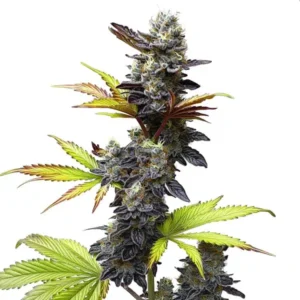
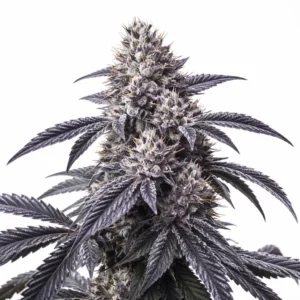
Mochi Gelato

|
THC | 20% - 25% (High) |

|
Lineage | Gelato 47 (Sunset Sherbert x Thin MInt Cookies) aka Mochi Gelato |

|
Type | Feminized |

|
Height | 4.92 ft | 1.5 m |

|
Yield | High |

|
Yield Indoor | 1.64 - 1.97 oz/ft² | 500 - 600 g/m² |

|
Yield Outdoor | 21.16 - 28.22 oz/plant | 600 - 800 g/plant |

|
Flowering Time | 8 - 10 weeks |

|
Phenotype | 40% Indica / 60% Sativa |

|
Medical | Anxiety, Migraines, Pain |

|
Effects | Energetic, Euphoric, Happy |

|
Flavors | Earthy, Herbal, Sweet |
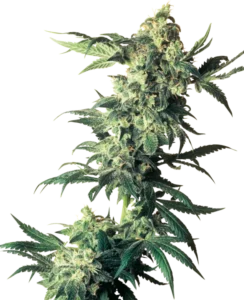
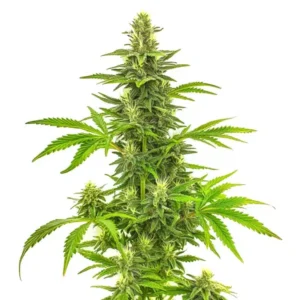
Northern Lights Seeds
|
|
THC | 17% - 21% (Medium) |
|
|
Lineage | Thai x Afghani |
|
|
Type | Feminized |
|
|
Height | 6.56 ft | 2 m |
|
|
Yield | High |
|
|
Yield Indoor | 1.64 - 1.97 oz/ft² | 500 - 600 g/m² |
|
|
Flowering Time | 6 - 8 weeks |
|
|
Phenotype | 90% Indica / 10% Sativa |
|
|
Effects | Uplifted, Happy, Relaxed |
|
|
Flavors | Sweet, Pungent, Citrus, Pine |
Furthermore, using refractometers for cannabis potency testing is an emerging trend. While traditional methods of potency testing require lab equipment, refractometers offer a more accessible approach for small-scale growers. Although not as precise as lab testing, refractometers can still provide a relative measure of potency, especially useful for strains like Northern Lights, which is celebrated for its high THC content and relaxing effects.
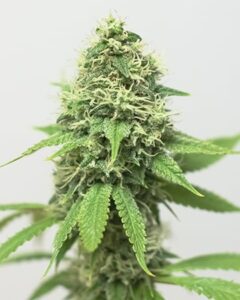
Incorporating refractometers into your cultivation process can lead to significant improvements in yield and quality. For example, the Bruce Banner Fast Blooming strain is known for its rapid flowering time and high yields. By optimizing the Brix levels throughout its growth cycle, cultivators can maximize the strain’s genetic potential. This guide will examine the various ways refractometers can be used to enhance organic cannabis cultivation.
Why Use Refractometers in Organic Cannabis Cultivation?
Refractometers offer several benefits that can greatly enhance the organic cannabis growing process. First and foremost, they provide an easy and cost-effective method to monitor plant health. By measuring the Brix levels, growers can gauge the nutritional uptake of their plants, ensuring they are receiving the right nutrients at the right time. This is crucial for strains like Mochi Gelato, which require precise nutrient management to develop their distinctive flavor profile.
A noteworthy benefit of using refractometers in organic cannabis cultivation is their ability to facilitate early detection of nutrient imbalances. By establishing a baseline Brix level for strains like Northern Lights, growers can quickly identify deviations that may indicate potential stress or deficiencies. This proactive approach allows for timely interventions, preventing long-term effects on growth and yield. Additionally, the consistent use of refractometers aids growers in refining their organic practices over time, leading to more resilient and vigorous plants.
Another advantage of using refractometers is their ability to help growers optimize organic cannabis growth. By consistently monitoring Brix levels, growers can adjust their fertilization and irrigation strategies to suit the specific needs of their plants. This proactive approach can prevent issues such as nutrient lockout or overwatering, common problems in organic cultivation. For the Northern Lights strain, maintaining optimal Brix levels can lead to enhanced resin production, further boosting its potency.
Moreover, refractometers can play a crucial role in achieving consistent yields. The Bruce Banner Fast Blooming strain, known for its robust growth and high yields, can benefit greatly from regular Brix monitoring. By ensuring the plants are in peak health throughout their growth cycle, growers can achieve uniformity in size and potency, essential for commercial operations.
Benefits of Refractometers in Organic Cannabis Growing
The benefits of refractometers extend beyond just measuring sugar levels. They can provide insights into the overall health of the plant, including its resistance to pests and diseases. Healthier plants with higher Brix levels are generally more resilient, making them less susceptible to common issues faced in organic growing. For instance, the robust nature of Northern Lights can be further enhanced by maintaining optimal Brix levels.
Furthermore, refractometers can aid in the fine-tuning of harvest timing. By monitoring Brix levels as the plants approach maturity, growers can determine the optimal time to harvest. This ensures that the plants are at their peak potency and flavor, crucial for premium strains like Mochi Gelato. The ability to accurately time the harvest can lead to a better product and higher market value.
How Refractometers Improve Organic Cannabis Yield
Improving yield is a primary goal for many cannabis growers, and refractometers can be a valuable tool in achieving this. By providing real-time data on plant health, growers can make informed decisions that directly impact yield. For example, the Bruce Banner Fast Blooming strain, with its rapid growth cycle, can benefit from precise adjustments in nutrient delivery, ensuring maximum output in a shorter time frame.
Additionally, using refractometers in organic cannabis cultivation enables growers to fine-tune their environmental controls. By correlating Brix levels with environmental data, such as light intensity and humidity, growers can better understand the optimal conditions for each stage of plant development. This integration of data allows for customized growing strategies, enhancing the overall performance and vigor of strains like Mochi Gelato. Effective environmental management, informed by refractometer readings, can lead to a healthier crop and superior harvests.
Additionally, refractometers can help identify potential issues early in the growth cycle. By regularly checking Brix levels, growers can spot deviations from the norm, allowing for quick interventions before problems escalate. This proactive approach minimizes crop loss and maximizes yield, particularly important in commercial operations where consistency and reliability are key.
Using Refractometers for Cannabis Potency Testing
While refractometers are not a replacement for lab-based potency testing, they offer a convenient alternative for small-scale growers. By measuring the Brix levels, growers can get a rough estimate of the plant’s potency. This is particularly useful for strains like Northern Lights, where THC levels are a major selling point. Regular monitoring can help growers adjust their cultivation practices to enhance potency over time.
Moreover, using refractometers for cannabis potency testing provides greater autonomy for growers who may not have access to sophisticated lab facilities. This method empowers cultivators to conduct their own evaluations of plant health and potency, fostering a deeper knowledge of the crop’s development cycle. For growers focusing on strains like Bruce Banner Fast Blooming, this self-reliance allows for more tailored cultivation approaches that can enhance both yield and cannabinoid profiles. Over time, growers can develop a holistic dataset, improving their ability to predict outcomes and make strategic decisions.
It’s important to note that while refractometers provide relative potency measurements, they should be used in conjunction with other testing methods for a holistic view of the plant’s chemical profile. For instance, combining refractometer data with visual inspections and sensory evaluations can provide a more complete picture of the plant’s quality.
Refractometer Measurements for Organic Cannabis Cultivation
The primary measurement obtained from a refractometer is the Brix level, which indicates the sugar content of the plant’s sap. Higher Brix levels are generally associated with healthier plants and better flavor profiles. For the Mochi Gelato strain, consistently high Brix levels can enhance its rich, sweet taste and aromatic qualities.
Alongside sugar content, refractometer measurements for organic cannabis cultivation can serve as a diagnostic tool for detecting stress factors. A sudden change in Brix levels may signal environmental stressors such as temperature fluctuations or pest infestations. By capturing these changes early, growers can implement targeted interventions to mitigate negative impacts on plant health. For instance, maintaining stable Brix readings in Northern Lights can ensure consistent potency and quality, even in fluctuating environmental conditions.
Alongside Brix levels, refractometers can also provide insights into other aspects of plant health. For instance, a sudden drop in Brix levels can indicate stress or nutrient deficiencies, allowing growers to take corrective action. Monitoring these changes can be particularly beneficial for fast-growing strains like Bruce Banner Fast Blooming, where quick responses are crucial.
Optimizing Organic Cannabis Growth with Refractometers
To optimize growth using refractometers, growers should establish a regular monitoring schedule. This involves taking Brix measurements at key stages of the plant’s life cycle, such as during vegetative growth, flowering, and pre-harvest. By tracking these changes, growers can fine-tune their cultivation practices to match the plant’s needs at each stage.
Furthermore, optimizing organic cannabis growth with refractometers involves integrating data-driven strategies into everyday cultivation practices. By analyzing Brix trends over multiple growth cycles, growers can identify patterns that correlate with successful outcomes, such as optimal terpene development in Mochi Gelato. This ongoing analysis promotes a cycle of continuous improvement and adaptation, enabling growers to refine techniques and achieve superior results with each subsequent harvest. This iterative process not only boosts yield but also enhances the overall quality and marketability of the cannabis produced under the Growlantis brand.
For example, during the flowering stage of the Northern Lights strain, maintaining high Brix levels can lead to increased resin production and a more potent final product. By adjusting nutrient delivery based on refractometer readings, growers can ensure that their plants remain healthy and productive throughout the growth cycle.
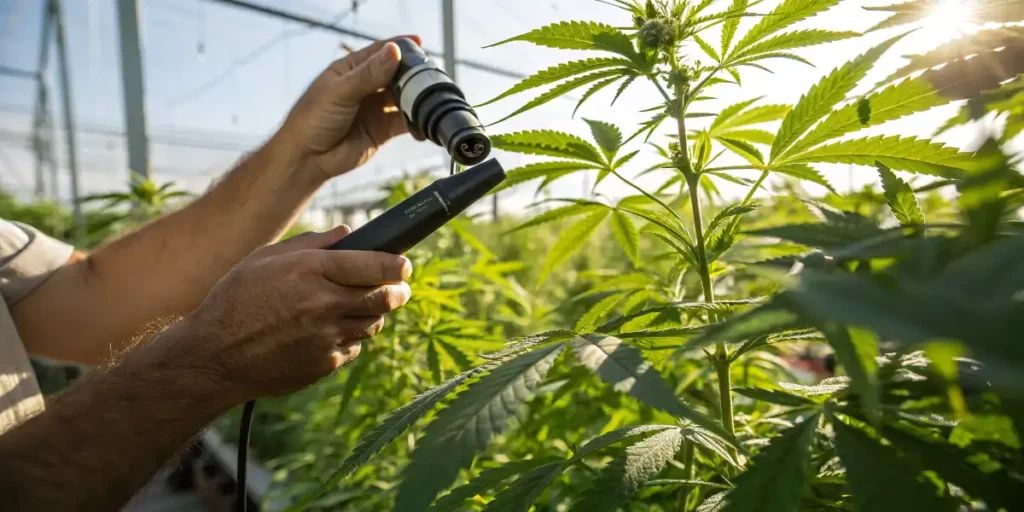
Practical Tips for Using Refractometers in Cannabis Cultivation
When using refractometers in organic cannabis cultivation, it’s essential to follow best practices to obtain accurate and reliable data. One of the first steps is to calibrate the refractometer correctly. This ensures that the readings are precise and reflective of the plant’s actual condition. Regular calibration is particularly important when working with high-value strains like Mochi Gelato, where every detail counts.
Another practical tip is to take samples consistently. This means collecting sap from the same part of the plant at the same time of day to ensure consistency. Variations in sampling can lead to inaccurate readings, which can affect decision-making. Consistent sampling is crucial when managing the rapid growth cycle of Bruce Banner Fast Blooming, where time is of the essence.
Growers should record their measurements regularly and track changes over time. This data can provide valuable insights into the plant’s growth patterns and help identify trends or issues early on. For Northern Lights, maintaining detailed records can lead to a better knowledge of how environmental factors impact potency and yield.
Tools and Equipment for Effective Use
To effectively use refractometers, growers need the right tools and equipment. A high-quality refractometer is essential, as it provides accurate and reliable measurements. Investing in a durable and easy-to-use model can save time and prevent errors in readings. For growers cultivating strains like Mochi Gelato, where precision is key, a reliable refractometer is a worthwhile investment.
Alongside the refractometer, growers should have a clean and sharp instrument for collecting sap samples. This ensures that the samples are not contaminated and reflect the true condition of the plant. Proper sample collection is particularly important for maintaining the integrity of fast-blooming strains like Bruce Banner Fast Blooming.
Common Mistakes to Avoid
When using refractometers, some common mistakes can lead to inaccurate readings and misguided decisions. One such mistake is failing to calibrate the refractometer regularly. Without proper calibration, the readings may not be accurate, leading to incorrect conclusions about plant health.
Another common error is inconsistent sampling. Taking samples from different parts of the plant or at different times of day can lead to variations in readings. This inconsistency can be misleading and impact the effectiveness of using refractometers for cannabis potency testing.
Frequently Asked Questions
How do refractometers work in cannabis cultivation?
Refractometers measure the concentration of soluble solids, such as sugars, in plant sap. In cannabis cultivation, they are used to determine the Brix level, which indicates the plant’s sugar content and overall health. By using refractometers, growers can gain insights into the plant’s nutritional status and make informed decisions about fertilization and irrigation.
These tools are particularly useful for organic growers who want to optimize their practices without relying on chemical inputs. For strains like Mochi Gelato, maintaining optimal Brix levels can enhance flavor and potency. Regular monitoring with a refractometer can help achieve these goals.
Can refractometers be used to test cannabis potency?
While refractometers are not as precise as lab equipment for potency testing, they can provide a relative measure of potency based on Brix levels. Higher Brix levels often correlate with higher THC content, making refractometers a useful tool for small-scale growers. For example, with Northern Lights, growers can use refractometers to monitor changes in potency throughout the growth cycle.
However, it is important to use refractometer readings in conjunction with other testing methods for accurate potency assessment. Visual inspections and sensory evaluations can complement refractometer data to provide a holistic view of the plant’s quality.
What are the advantages of using refractometers in organic cannabis growing?
Refractometers offer several advantages for organic cannabis growers. They provide a cost-effective and non-invasive method to monitor plant health and nutritional status. By measuring Brix levels, growers can make informed adjustments to their cultivation practices, leading to improved yield and quality.
Additionally, refractometers can help optimize the timing of harvests, ensuring that plants are harvested at peak potency and flavor. This is particularly beneficial for premium strains like Mochi Gelato and Bruce Banner Fast Blooming, where quality is paramount.
How can refractometers improve cannabis yield?
By providing real-time data on plant health, refractometers enable growers to make precise adjustments to their cultivation practices. For example, by maintaining optimal Brix levels, growers can ensure that their plants receive the right nutrients at the right time, leading to healthier plants and higher yields.