
Quick answer: A refractometer is a cheap, non-destructive way to track plant-sap Brix, so its main benefits are early problem-spotting, better-timed feeding and a consistent record of plant status. Its limits matter too: Brix does not measure potency, prove pest resistance, or set a validated target. Use it for trends, and confirm quality with EC, pH, inspection and lab testing.
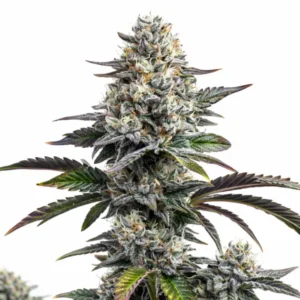
Blue Gelato, with its rich terpene profile, benefits from careful monitoring of plant status. Pink Runtz Auto, a fast autoflower, rewards consistent readings, and Gorilla Glue 4 can be kept well-fed with a steady sampling routine. In each case the refractometer guides feeding; it does not measure potency.
Recommended Strains

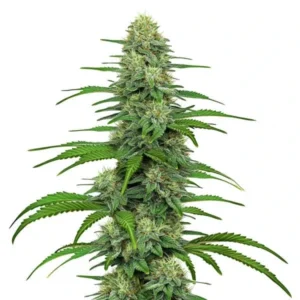
Blue Gelato

|
Type | Feminized |

|
THC | 23% - 24% (High) |

|
Lineage | Blueberry x Thin Mint Girl Scout Cookies x Sunset Sherbert |

|
Phenotype | 80% Indica / 20% Sativa |

|
Effects | Balanced, Relaxed, Uplifted |

|
Flavors | Diesel, Earthy |

|
Flowering Time | 9 - 10 weeks |

|
Yield | High |

|
Yield Indoor | 1.8 - 1.97 oz/ft² | 550 - 600 g/m² |

|
Yield Outdoor | 17.64 - 21.16 oz/plant | 500 - 600 g/plant |

|
Height | 5.74 ft | 1.75 m |
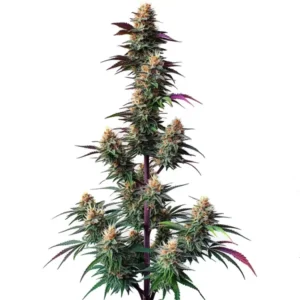
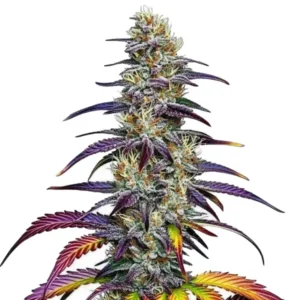
Pink Runtz Auto
|
|
Type | Autoflowering |
|
|
THC | 20% - 24% (High) |
|
|
Lineage | Gelato x Zkittlez x Ruderalis |
|
|
Phenotype | 50% Indica / 50% Sativa |
|
|
Effects | Energetic, Euphoric, Uplifted |
|
|
Flavors | Cherry, Fruity, Sour, Sweet |
|
|
Life Cycle | 8 - 10 weeks |
|
|
Yield | High |
|
|
Yield Indoor | 1.31 - 1.64 oz/ft² | 400 - 500 g/m² |
|
|
Yield Outdoor | 4.23 - 5.29 oz/plant | 120 - 150 g/plant |
|
|
Height | 3.94 ft | 1.2 m |

|
Medical | Fatigue, Muscle Spasms, Stress |
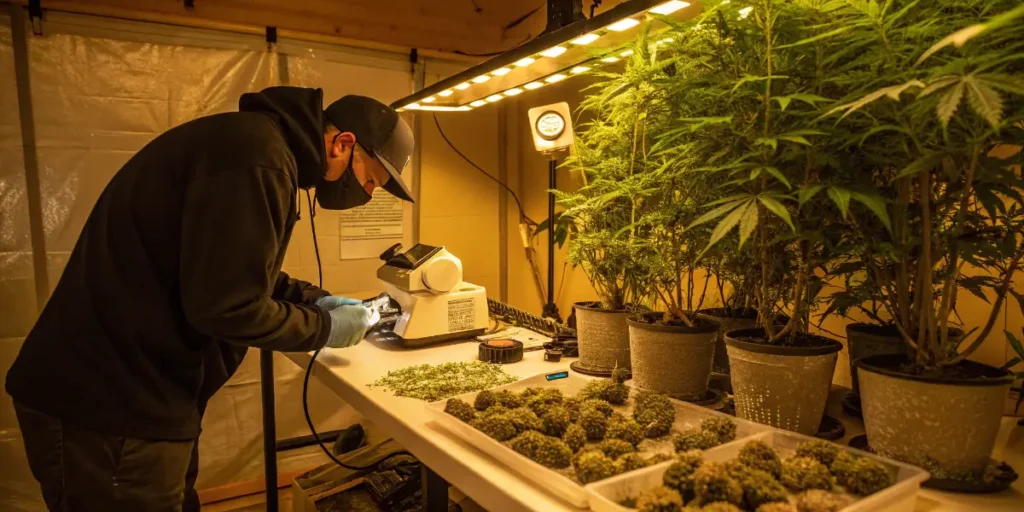
Measuring cannabis plant health with a refractometer allows growers to identify issues before they become problematic. This preventative approach leads to healthier plants and, ultimately, a more successful harvest. As you dive deeper into cannabis cultivation, recognizing how to utilize a refractometer effectively will set you apart as a grower.
How a Refractometer Works in Cannabis Cultivation
A refractometer measures the refractive index of sap, reported as Brix, which indicates plant status and how well it is feeding. A higher reading often accompanies a healthy plant, but be cautious with claims that it proves pest and disease resistance, which is not well supported, as we cover in Brix and pest resistance.
| Benefit | What it gives you | Keep in mind |
|---|---|---|
| Quick, non-destructive readings | A fast read on plant status | It is a trend signal, not a verdict |
| Early problem-spotting | Catch stress or deficiency sooner | Confirm the cause by inspection |
| Better-timed feeding | Adjust nutrients on the trend | Manage feed strength with EC/PPM |
| Consistency over time | A record to compare against | No validated “ideal” Brix number |
| Not for | Potency or pest-resistance claims | Verify potency by lab testing |
For cannabis growers, recognizing the refractive index and its correlation to plant health is essential. The benefits of using a refractometer in cannabis cultivation extend to its ability to provide real-time data on plant status, allowing for immediate reactions to any changes in Brix levels. This is particularly advantageous for strains like Pink Runtz Auto, where rapid flowering requires consistent nutrient levels. The instant feedback from a refractometer empowers growers to maintain optimal conditions, ultimately leading to higher quality yields and improved plant vitality.
Advantages of a Refractometer in Cannabis Growth
Utilizing a refractometer offers several advantages in cannabis growth. First, it provides an easy and quick method to assess the health status of your plants. This information allows for immediate adjustments in nutrient management. Moreover, it can help in predicting the yield and potency of strains like Blue Gelato, which thrives when its nutritional needs are met precisely.
The advantages of using a refractometer in cannabis growth are multifaceted. Alongside offering a non-destructive testing method, refractometers enable precise measurements that can detect subtle shifts in plant health before they become visible. For instance, with Gorilla Glue 4, known for its dense and resinous buds, maintaining high Brix levels can prevent nutrient imbalances that might otherwise affect bud development. This proactive approach ensures that each plant receives the care it needs, leading to consistent and high-quality harvests.
Optimizing Cannabis Yield with a Refractometer
For growers aiming to maximize their yield, recognizing the benefits of using a refractometer in cannabis cultivation is crucial. By regularly monitoring the Brix levels, you can determine the plant’s nutrient uptake efficiency. This is especially important for high-yield strains like Gorilla Glue 4, which require precise nutrient management to produce their renowned sticky and potent buds.
Optimizing cannabis yield with a refractometer involves more than just monitoring; it requires strategic adjustments based on the data collected. For Blue Gelato, a strain that demands precise environmental conditions, keeping a close watch on Brix levels ensures that nutrient and light cycles are perfectly aligned with the plant’s growth stages. This careful calibration not only boosts yield but also enhances the plant’s overall quality, showcasing the powerful impact of a refractometer in fine-tuning cultivation practices.
Improving Cannabis Potency with a Refractometer
Potency comes from a plant’s cannabinoid and terpene profile, shaped by genetics and cultivation. A refractometer supports the healthy growth behind a good harvest by guiding feeding, but it does not measure or raise potency; that is confirmed by lab testing, not a Brix reading.
For a strain like Pink Runtz Auto, consistent Brix trends help you keep metabolism and feeding on track, which supports healthy development. The balance and concentration of cannabinoids still depend on genetics and cultivation, so treat Brix as a plant-status signal rather than a potency gauge.
Refractometer Use in Cannabis Quality Control
Quality control is an integral part of cannabis cultivation. A refractometer can be a vital tool in ensuring consistent quality across your crops. By regularly checking the Brix levels, you can maintain a standard level of quality, which is crucial for commercial growers who need to meet market demands.
Refractometer use in cannabis quality control is indispensable for maintaining the reputation of high-demand strains like Gorilla Glue 4. By ensuring consistent Brix readings, growers can confidently produce batches that meet expected standards for potency and flavor. This consistency is particularly important in commercial settings, where maintaining brand reputation is crucial. The refractometer serves as an invaluable tool for achieving uniform quality in every harvest, reinforcing the benefits of using a refractometer in cannabis cultivation.
Measuring Cannabis Plant Health with a Refractometer
The health of a cannabis plant directly affects its growth and yield. Using a refractometer, you can monitor plant health through Brix level readings. This data allows you to assess photosynthesis efficiency and nutrient uptake, which are critical for plant development.
Measuring cannabis plant health with a refractometer provides insights that are not immediately visible to the naked eye. For cultivators of Blue Gelato, where terpene richness is a hallmark, tracking Brix levels helps ensure that the plant’s physiological processes are running smoothly, ultimately enhancing flavor profiles. Regular checks can detect early signs of stress or nutrient deficiency, allowing growers to take preemptive measures to safeguard plant health and maximize yield potential.
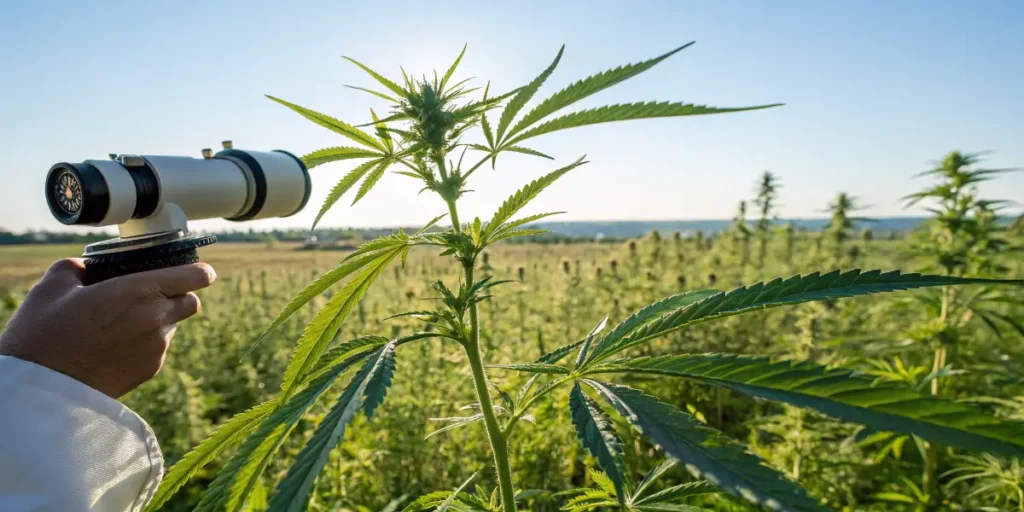
Practical Tips for Using a Refractometer in Cannabis Cultivation
Incorporating a refractometer into your cannabis cultivation routine can significantly enhance your growing outcomes. Here are some practical tips to maximize its effectiveness:
First, ensure your refractometer is calibrated correctly. Calibration is essential for accurate readings. Most refractometers come with calibration instructions, and following them ensures you get reliable data. Regular calibration, especially before measuring, will provide consistency in your readings.
Sampling Techniques
For accurate Brix level readings, proper sampling techniques are critical. Always take samples from the same part of the plant for consistency, ideally from mature leaves. This approach provides a more accurate representation of the plant’s overall health.
Consider the time of day when sampling. Early morning samples might show different results compared to those taken later in the day due to the plant’s photosynthesis cycle. Keeping your sampling consistent in terms of timing will yield more reliable data.
Data Interpretation and Action
Recognizing the data from your refractometer is crucial. High Brix levels generally indicate healthy plants with strong photosynthesis and nutrient uptake. In contrast, low levels might suggest stress or nutrient deficiencies.
Use this data to adjust your cultivation practices. For instance, if growing Blue Gelato, a high Brix reading can allow you to maintain current nutrient levels, while a low reading might prompt an increase in nutrient supply. This targeted approach helps in achieving the best results for each strain.
Frequently asked questions
What is a refractometer used for in cannabis cultivation?
A refractometer measures Brix, the soluble-solids level in a plant’s sap, which is a comparative indicator of plant status and how well it is feeding. It helps growers make informed nutrient and care decisions for strains like Blue Gelato, Pink Runtz Auto and Gorilla Glue 4, but it does not measure potency.
How does a refractometer improve cannabis potency?
It does not raise potency directly. By helping you keep a plant well-fed and metabolizing efficiently, a refractometer supports the healthy growth behind cannabinoid and terpene development. Actual potency depends on genetics and cultivation and is confirmed by lab testing, so use Brix trends to guide feeding, not to gauge THC.
Can a refractometer help in diagnosing plant health issues?
Yes, as an early signal. Changes in Brix can flag stress or nutrient deficiency before they are obvious, so a sudden drop in a strain like Pink Runtz Auto is a cue to check feeding and conditions. The reading points you to look; inspection and testing confirm the cause.
What are the sampling best practices when using a refractometer?
Sample the same part of the plant, ideally mature leaves, at a consistent time of day, since photosynthesis shifts readings through the day. Calibrate the device first. Consistent sampling is what makes the data reliable and the trend comparable over time.
How often should I use a refractometer in cannabis cultivation?
Use it regularly through the growth cycle, more often when adjusting nutrients or environment. Frequent, consistent readings catch issues early and help you keep high-yield strains like Gorilla Glue 4 on track. Treat it as ongoing monitoring, paired with EC, pH and inspection, rather than a one-off check.