
Quick answer: If you suspect mislabelled cannabis seeds, document everything (photos of seeds, packaging and plants), compare growth against the expected cultivar and contact the supplier about a replacement or refund. In most cases a label error only becomes clear during the grow, because seed appearance alone cannot confirm a strain.
Whether you are a first-time buyer or an experienced grower, a labelling error is frustrating, but it is usually manageable if you keep good records and raise it with the seller.
Recommended Strains
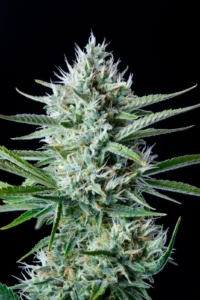
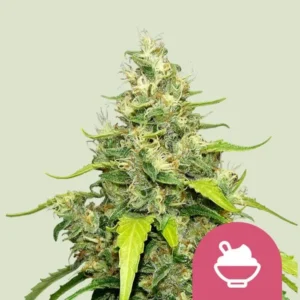
White Widow Auto

|
Type | Autoflowering |

|
THC | 20% - 21% (Medium) |

|
Lineage | White Widow x Ruderalis |

|
Phenotype | 70% Indica / 30% Sativa |

|
Effects | Focused, Relaxed |

|
Flavors | Musk, Spicy, Earthy, Sweet |

|
Life Cycle | 9 weeks |

|
Yield | High |

|
Yield Indoor | 1.31 - 1.64 oz/ft² | 400 - 500 g/m² |

|
Height | 3.94 ft | 1.2 m |
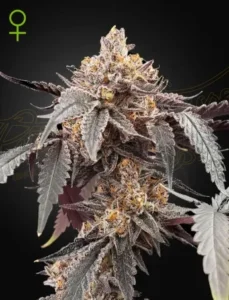
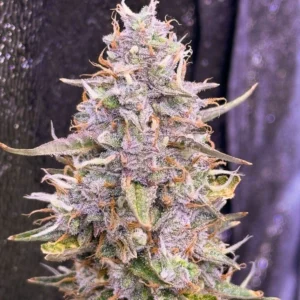
Guava X Gelato 41 Auto
|
|
Type | Autoflowering |
|
|
THC | 20% - 21% (Medium) |
|
|
Lineage | Guava x Gelato 41 Auto |
|
|
Phenotype | 70% Indica / 30% Sativa |
|
|
Effects | Relaxed, Creative |
|
|
Flavors | Sweet, Fruity, Cream |
|
|
Life Cycle | 9 - 10 weeks |

|
Yield Outdoor | 2.82 oz/plant | 80 g/plant |
|
|
Height | 3.61 ft | 1.1 m |
Knowing the expected traits of the cultivar you ordered helps. If you expected White Widow Auto, Guava x Gelato 41 Auto or Blue Gelato and the plant behaves very differently, that difference is your main clue.
The steps below cover how to spot a likely error, document it and resolve it, and how appearance alone cannot prove a seed is the right strain.
Spotting a likely labelling error
A mislabelled seed rarely looks obviously wrong. The clearest signs appear during the grow, when flowering time, structure, aroma or potency do not match the cultivar you ordered.
If you expected a fast autoflower such as White Widow Auto and the plant flowers on a very different timeline, or the expected aroma never appears, that mismatch is a reasonable reason to question the label.
Seed appearance tells you little about identity
Seed colour, size and pattern vary naturally and cannot confirm which cultivar you have. A dark, firm seed is a rough maturity cue, not proof of identity or even viability.
Do not rely on “it looks like the right seed.” Judge identity from how the plant actually grows, and judge viability from germination, not from the shell.
Compare against expected growth
Each cultivar has a typical growth pattern, flowering time and size. If your plants consistently diverge from what the breeder describes, a labelling error is one possible explanation.
If you expected Guava x Gelato 41 Auto and its characteristic aroma and vigour are absent, note it, but remember that environment and stress can also change how a plant performs.
| Step | What to do | Why |
|---|---|---|
| 1. Observe | Compare growth, flowering time and aroma with the expected cultivar | Mislabeling usually shows at grow-out, not in the seed |
| 2. Document | Photograph seeds, packaging and plants; keep the order and messages | Evidence supports a replacement or refund |
| 3. Contact the supplier | Share details politely and ask about their policy | Reputable sellers have a resolution process |
| 4. Adapt or replace | Grow out the plant you have or request replacements | Keeps the cycle productive |
Steps to take if seeds are mislabelled
If you suspect an error, act promptly and methodically. Good documentation makes resolution much faster.
Record the order details, photograph the seeds, packaging and plants, and keep any messages with the seller. This evidence supports a request for a replacement or refund.
Contact the supplier
Reach out to the seller first. Share clear photos and a description of the mismatch, along with your order reference.
A reputable supplier will have a process for these cases. Being polite and specific usually speeds up a replacement, refund or store credit.
Keep records
Keep your order confirmation, the packaging and photos of the seeds and plants until the issue is resolved.
These records help with the current case and give you a reference point if you order the same cultivar again.
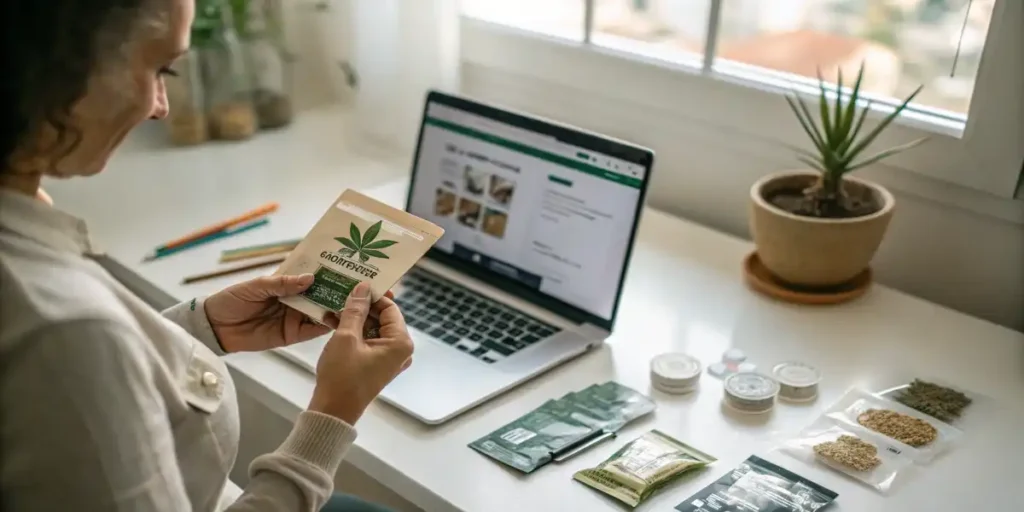
Checking seed labels and provenance
Before planting, it helps to know the cultivar you ordered and to keep the packaging and any batch information the seller provides.
Not every seed pack carries a verifiable code, so provenance comes mainly from buying through a trustworthy supplier and keeping documentation rather than from a hologram alone. If anything looks off, ask the seller before planting.
Check packaging and batch details
Inspect the packaging and labelling for clear cultivar and batch information and for any signs of damage or tampering.
If a seller offers an online verification code or batch lookup, use it. If not, the packaging and your receipt are your main records, so keep them.
Use any verification the seller offers
Some sellers let you confirm a batch or product code online. Where that exists, it is a useful extra check before planting.
Where it does not exist, contact the supplier directly with your order details if you have any doubt about what you received.
Resolving the problem
Even with care, errors happen. Knowing how to resolve them saves time and protects your grow.
Grower communities and forums can be a useful place to compare notes on how a cultivar should look and behave, which can help you judge whether you really have a mismatch.
Replacement or refund
Once you are confident the seeds were mislabelled, ask the supplier for a replacement, refund or credit according to their policy.
Be clear about what you want. A specific, documented request is easier for the seller to act on.
Adapting your grow
If replacements are not practical, you can still grow out the plant you have. Research the cultivar it appears to be and adjust your setup to suit it.
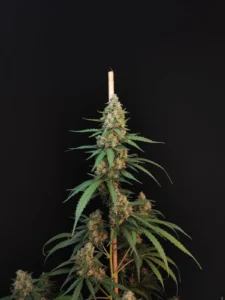
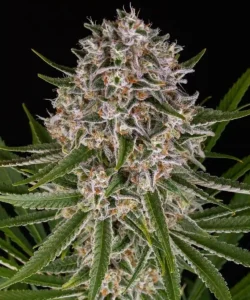
For example, if the plant behaves like Blue Gelato, look up its preferences and adapt feeding, training and climate so the grow stays productive.
Preventing future mix-ups
Prevention mostly comes down to buying from reliable sellers and keeping good records of what you ordered and received.
Staying in contact with your supplier and noting any changes to packaging or batches makes it easier to catch a problem early next time.
Choose a reliable supplier
Buy from suppliers with a solid track record for accurate labelling and good customer service. Reviews and repeat experience are useful signals.
A careful choice of seller upfront prevents many problems later and makes any issue easier to resolve.
Know the cultivar you ordered
Learn the expected growth habit, flowering time and aroma of the cultivar before you plant. That knowledge is what lets you spot a mismatch quickly.
Knowing, for example, that White Widow Auto flowers fast and yields moderately helps you notice early if something does not line up.
Frequently asked questions
How can I identify if my cannabis seeds are mislabeled?
Mislabelling usually shows during the grow rather than in the seed, because appearance cannot confirm a cultivar. Watch for flowering time, plant size, structure and aroma that do not match what the breeder describes for the strain you ordered. If the plant consistently behaves differently, note it and consider contacting your supplier for verification.
What should I do if I receive mislabeled cannabis seeds?
If your seeds appear mislabelled, contact the supplier promptly and share clear evidence such as photos of the seeds, packaging and plants, plus your order details. A reputable seller will usually work toward a replacement, refund or credit. Keep a record of all communication so the resolution process is straightforward and well documented.
How can I verify the authenticity of cannabis seed labels?
Before planting, note the cultivar you ordered and keep the packaging and any batch information. Not every seed pack has a verifiable code, so provenance comes mainly from a trustworthy supplier and good records rather than from a hologram. If anything looks inconsistent, ask the seller to confirm before you plant.
What actions can I take to prevent mislabeled seeds in the future?
To reduce future problems, buy from suppliers with a strong track record for accurate labelling and clear customer service, and keep records of each order. Learn the expected growth habit, flowering time and aroma of the cultivars you grow, since that knowledge is what lets you spot a labelling error early rather than at harvest.
Can I still use mislabeled seeds, and how should I adapt my growing strategy?
Yes, you can still grow mislabelled seeds by adapting to the strain you actually received. Research its likely growth characteristics and adjust feeding, training and climate to suit it. If the plant behaves like Blue Gelato, for instance, follow that cultivar’s preferences so the grow stays productive even though the outcome differs from your original plan.