
No. Bong water is not a fertiliser and pouring it on plants does more harm than good. What is in it is ash, tar, resin, dissolved combustion products and whatever bacteria has been growing in it since you last changed it, which is a different thing from plant nutrition. The ash contributes a little potassium, and that is the entire grain of truth behind the idea. Everything else in there either does nothing or actively hurts: the pH is unpredictable, the tar coats roots and soil particles, and the bacterial load invites exactly the problems you do not want in a pot.
Bong water is essentially the water left over after smoking cannabis through a bong. It contains residue from the smoke, such as tar, ash, and other particles. These components are not typically found in tap water, raising questions about their effects on plant growth.
Recommended Strains
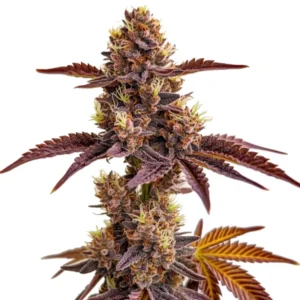
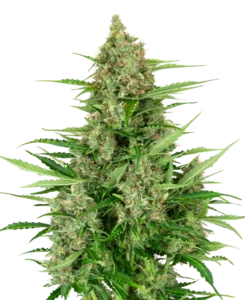
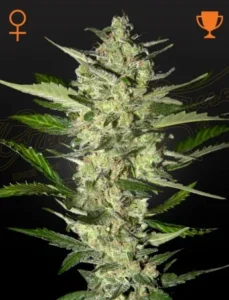
Gorilla Sherbet

|
Type | Feminized |

|
THC | 26% - 30% (High) |

|
Lineage | GG4 x Sunset Sherbert |

|
Phenotype | 70% Indica / 30% Sativa |

|
Effects | Energetic, Giggly, Relaxed |

|
Flavors | Chocolate, Citrus, Earthy |

|
Flowering Time | 8 - 10 weeks |

|
Yield | High |

|
Yield Indoor | 1.97 oz/ft² | 600 g/m² |

|
Yield Outdoor | 21.16 - 28.22 oz/plant | 600 - 800 g/plant |

|
Height | 4.92 ft | 1.5 m |

|
Medical | Arthritis, Insomnia, Pain |
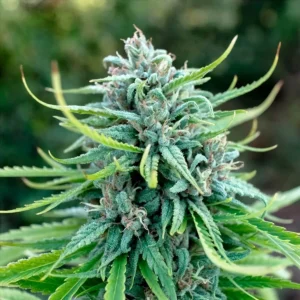
Fast Eddy CBD Auto
|
|
Type | CBD Autoflowering |

|
CBD | 13% – 14% (Medium) |
|
|
Lineage | Cheese x Juanita la Lagrimosa x Ruderalis |
|
|
Phenotype | 40% Indica / 50% Sativa / 10% Ruderalis |
|
|
Effects | Calming, Focused |
|
|
Flavors | Citrus, Earthy |
|
|
Life Cycle | 10 - 12 weeks |
|
|
Yield | Medium |
|
|
Yield Indoor | 1.31 - 1.47 oz/ft² | 400 - 450 g/m² |
|
|
Yield Outdoor | 2.82 - 4.59 oz/plant | 80 - 130 g/plant |
|
|
Height | 3.94 ft | 1.2 m |
For those new to growing cannabis or houseplants, using bong water fertilizer for plants might seem like a clever hack, but the risks often outweigh any perceived benefits. However, understanding its impact is essential. It’s important to weigh the potential benefits of bong water for gardening against its possible downsides.
What Bong Water Does to a Plant
Introducing foreign substances to your plants can be risky. Bong water contains residues that may disrupt the delicate balance of nutrients in the soil. This imbalance can lead to poor plant growth or even plant death. The components of bong water, such as ash and tar, are not known for promoting healthy plants.
When comparing watering plants with bong water versus tap water, clean water is almost always the safer and healthier option. Tap water is generally clean and free from harmful residues. While it may contain minerals like chlorine or fluoride, these are usually at levels considered safe for most plants. Bong water, on the other hand, is unpredictable and may introduce toxins into your plant’s environment.
Furthermore, the effects of bong water on plant growth can vary significantly depending on the plant species and the specific composition of the bong water. Some plants might show immediate negative reactions, while others may not exhibit signs of distress until much later. This unpredictability is a key reason why many gardeners opt for safer alternatives.
In addition, the microbial life in the soil can be adversely affected by the introduction of bong water. Beneficial bacteria and fungi that aid in nutrient uptake may be compromised, leading to an overall decline in soil health. This can further exacerbate the negative effects on plant growth, making it clear that bong water is not a reliable choice for plant care.
Why Bong Water Is Not a Fertiliser
Some growers have tried using bong water fertilizer for plants, believing cannabis residue may help growth, but this assumption is not supported by plant science. However, the reality is more complex. The substances in bong water can lead to a buildup of harmful chemicals in the soil, affecting plant health.
It’s important to remember that plants require specific nutrients to thrive, like nitrogen, phosphorus, and potassium. Bong water does not provide these in the right amounts, if at all. Instead, it introduces impurities that could hinder plant development.
While the idea of using bong water as plant fertilizer might sound innovative, it’s crucial to consider the potential long-term damage to your plants. Over time, the accumulation of toxins in the soil can lead to irreversible damage to the root systems, making it difficult for plants to recover.
Moreover, the presence of tar and ash in bong water could potentially alter the soil’s pH levels, creating an inhospitable environment for plant roots. This could result in nutrient lockout, where essential nutrients are present in the soil but are unavailable for plant uptake due to pH imbalances.
Bong Water Toxicity to Houseplants
Houseplants can be particularly sensitive to environmental changes. The impurities in bong water may be too much for them to handle. Even hardy houseplants like succulents or ferns could suffer from the introduction of bong water toxins.
Using clean water is crucial for maintaining healthy houseplants. Bong water toxicity to houseplants is a real concern, as it can lead to leaf discoloration, wilting, and in severe cases, plant death. It’s always best to err on the side of caution and stick with water you know is safe.
In addition to physical symptoms, bong water toxicity to houseplants can manifest in the form of slowed growth. This can be particularly frustrating for plant enthusiasts who might not immediately associate these signs with the use of bong water. The subtle yet detrimental impact on plant vitality underscores the risks involved.
Given the potential for damage, it’s better to reserve bong water for non-plant-related disposal. Proper care and attention to your houseplants, including the use of appropriate watering techniques, will ensure they remain healthy and vibrant over time. Avoiding bong water entirely reduces the risk of inadvertently harming your cherished plants.
Bong Water vs Regular Water for Plants
| Factor | Bong Water | Tap / Clean Water |
|---|---|---|
| Contains toxins | Yes (tar, ash, residue) | No |
| Nutrient balance | Unpredictable | Stable |
| Safe for roots | High risk | Safe |
| Effect on soil microbes | Harmful | Neutral / beneficial |
| Recommended for plants | No | Yes |
What to Do With Bong Water Instead
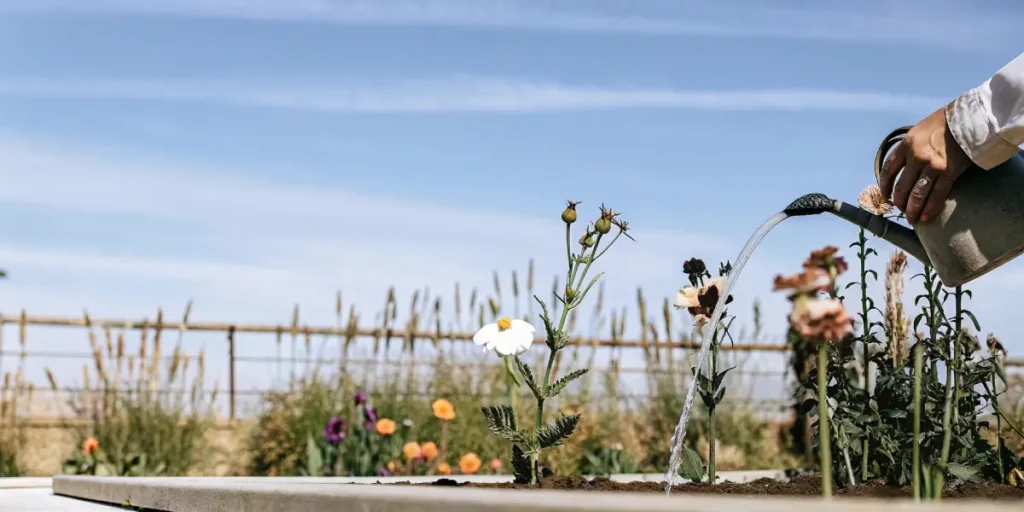
Instead of using bong water, consider alternative methods to improve your plant’s health. Compost tea, for instance, is a natural fertilizer made by steeping compost in water. It enriches the soil with nutrients and beneficial microbes without the risk of contamination.
Rainwater is another excellent option. It’s naturally soft and free from the chemicals found in tap water. Collecting rainwater can be an eco-friendly way to nourish your plants safely. Just ensure your collection system is clean and free from pollutants.
In addition to compost tea and rainwater, other alternatives like diluted fish emulsion can also provide the necessary nutrients for plant growth without the drawbacks associated with bong water. These options are often rich in essential nutrients and promote healthier, more robust plant development.
Mulching is another effective strategy. By covering soil with organic material, you can help retain moisture, suppress weeds, and gradually improve soil health as the mulch breaks down. These practices enhance your gardening efforts without introducing any of the uncertainties associated with using bong water.
Frequently asked questions
Can I use bong water on any type of plant?
No plant benefits from it, and the ones in pots suffer most because there is nowhere for the residue to go. Outdoor soil dilutes a one-off splash; a houseplant or a cannabis plant in a container does not.
What are the signs that bong water is harming my plants?
Yellowing, a smell from the soil, a slimy or crusted surface, fungus gnats appearing, and growth slowing without an obvious cause. The soil usually looks wrong before the plant does.
Are there any safe uses for bong water?
Not really. Composting it in a large outdoor pile is the least bad option, because the volume dilutes it and the heat deals with the bacteria. Straight onto soil, no.
How does bong water compare to other household fertilisers?
Badly. Unlike diluted urine or spent coffee grounds, which at least contain nitrogen in a usable form, bong water contributes almost no nutrition and carries combustion residue instead. It is the worst of the household options people try.
What strains from Growlantis are best for beginners?
For novice growers, strains like OG Kush, Blue Dream, and White Widow from Growlantis are excellent choices. These strains are known for their resilience and ease of growth, making them ideal for those just starting out.
OG Kush offers a balanced high and thrives with proper care. Blue Dream is famous for its sweet berry aroma and forgiving nature. White Widow is a classic strain, known for its robustness and quality yields. These strains provide a great foundation for learning and experimenting with cannabis cultivation.
Each of these strains offers unique characteristics that appeal to different preferences. OG Kush, for instance, is renowned for its high THC content, while Blue Dream provides a more mellow experience. White Widow’s balanced effects make it a popular choice among both recreational and medicinal users.
As you gain experience, experimenting with different strains can enhance your understanding of cannabis cultivation. This knowledge will allow you to tailor your growing techniques to achieve the best possible results, ensuring a rewarding and successful gardening journey.