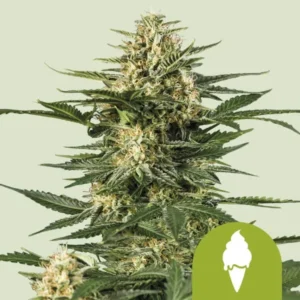


In the world of cannabis cultivation, one factor that growers are increasingly focusing on is the Brix level of their plants. The Brix level is a measure of the sugar content in the plant’s sap, and it can be a critical indicator of plant health and quality. It’s fascinating to see how the genetic makeup of a cannabis strain can influence these Brix levels, affecting not only the plant’s sweetness but also its overall robustness and yield.
Genetic influence on Brix levels in cannabis strains is a complex topic, as it ties directly into the plant’s ability to photosynthesize effectively and generate energy. Healthier plants with higher Brix levels are often more resistant to pests and diseases, making them highly desirable for both novice and experienced growers. Recognizing the genetic factors affecting Brix levels in cannabis can empower growers to select strains that will thrive in their specific environments.
Recommended Strains
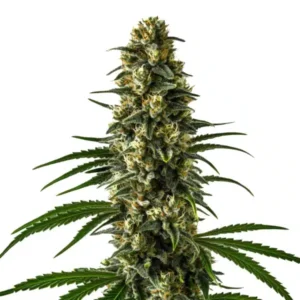
Girl Scout Cookies

|
THC | 18% - 25% (High) |

|
Lineage | Durban Poison x OG Kush |

|
Type | Feminized |

|
Height | 4.92 ft | 1.5 m |

|
Yield | High |

|
Yield Indoor | 1.64 oz/ft² | 500 g/m² |

|
Yield Outdoor | 21.16 - 24.69 oz/plant | 600 - 700 g/plant |

|
Flowering Time | 8 - 10 weeks |

|
Phenotype | 60% Indica / 40% Sativa |

|
Medical | Fatigue, Muscle Spasms, Stress |

|
Effects | Happy, Relaxed, Talkative |

|
Flavors | Fruity, Sweet |

Gelato-K
|
|
THC | 18% - 19% (Medium) |
|
|
Lineage | Gelato x Bubba Kush |
|
|
Type | Feminized |
|
|
Height | 4.43 ft | 1.35 m |
|
|
Yield | High |
|
|
Yield Indoor | 1.64 oz/ft² | 500 g/m² |
|
|
Yield Outdoor | 22.93 oz/plant | 650 g/plant |
|
|
Flowering Time | 8 - 9 weeks |
|
|
Phenotype | 45% Indica / 55% Sativa |
|
|
Effects | Balanced |
|
|
Flavors | Fruity, Sweet, Floral |
The strain Girl Scout Cookies from Growlantis is a prime example of how genetics can play a pivotal role in determining Brix levels. Known for its sweet and earthy aroma, this strain typically features a high Brix level, contributing to its rich flavor profile. With a flowering time of about 9-10 weeks and a THC content often exceeding 20%, Girl Scout Cookies is a favorite among growers looking for a potent and flavorful yield.
Genetic Factors Affecting Brix Levels in Cannabis
Genetic factors are intrinsic characteristics passed down from parent plants to offspring, and they significantly affect the Brix levels in cannabis strains. These genetic determinants are responsible for a plant’s ability to produce sugars, which in turn influences its taste, aroma, and overall quality.
Certain strains, like Gelato-K, are bred specifically for their high Brix levels. Gelato-K, another offering from Growlantis, is renowned for its creamy and fruity flavor with a flowering time of approximately 8-9 weeks. Its genetic makeup ensures a rich terpene profile and high sugar content, making it a popular choice for those seeking a flavorful cannabis experience.
The genetic variation and Brix levels in cannabis plants are influenced by several factors, including the plant’s photosynthetic efficiency and its genetic predisposition to produce certain terpenes and cannabinoids. Strains with a genetic inclination toward higher Brix levels tend to produce more robust plants that are better equipped to handle environmental stressors.
Moreover, the genetic influence on Brix levels in cannabis strains is reflected in how different strains respond to various cultivation techniques. For instance, manipulating light cycles or optimizing nutrient delivery can have varied impacts on Brix levels depending on the genetic composition of the strain. Growers can experiment with these factors to see how strains like Cookies Gelato Auto react, thereby maximizing their genetic potential for high sugar content.
Photosynthesis and Genetic Influence
Photosynthesis is the process by which plants convert light energy into chemical energy, creating sugars that contribute to the plant’s Brix level. The genetic makeup of a cannabis plant can impact how efficiently it performs photosynthesis. Strains with superior genetic traits for photosynthesis often exhibit higher Brix levels, resulting in healthier and more productive plants.
For instance, Cookies Gelato Auto, a strain from Growlantis, showcases this genetic advantage. This autoflowering strain with a rapid growth cycle of about 8-9 weeks from seed to harvest, achieves impressive Brix levels due to its genetics. It’s perfect for growers looking for fast results without compromising on quality and flavor.
Terpenes and Cannabinoids
Terpenes and cannabinoids are compounds found in cannabis that contribute to the plant’s aroma, flavor, and effects. Genetics play a crucial role in determining the terpene and cannabinoid profile of a strain, which in turn influences the Brix level. Strains with a rich terpene profile often have higher Brix levels, adding complexity to the plant’s taste and aroma.
Girl Scout Cookies, known for its complex terpene profile, is a prime example of how genetic variation affects Brix levels in cannabis plants. This strain’s genetic lineage ensures a unique blend of flavors and aromas, making it a sought-after choice for both recreational and medicinal users.
How Genetics Impact Brix in Marijuana Strains
The genetic influence on Brix levels in cannabis strains is profound, with certain strains inherently predisposed to higher sugar content than others. This genetic predisposition can be the difference between a mediocre and an exceptional harvest.
Growers looking to maximize the Brix levels in their plants should consider the genetic background of the strains they choose. By selecting strains with a genetic history of high Brix levels, growers can enhance the quality and yield of their crops. Gelato-K is a perfect example of a strain with genetics tailored for high Brix levels, resulting in its exceptional flavor and yield.
Additionally, recognizing how genetics impact Brix in marijuana strains allows growers to fine-tune their cultivation practices. By focusing on strains like Girl Scout Cookies and Cookies Gelato Auto, growers can tailor their strategies to suit the genetic strengths of these plants, ensuring optimal conditions for sugar production. This approach not only enhances the Brix levels but also improves the overall resilience and quality of the plants.
Selective Breeding
Selective breeding is a process where growers choose parent plants with desirable traits to produce offspring with specific characteristics. This technique is vital in developing strains with high Brix levels. By selecting plants that consistently exhibit high sugar content, breeders can create new strains that inherit these favorable traits.
The process of selective breeding allows for the enhancement of genetic traits that contribute to higher Brix levels. For instance, by breeding strains like Cookies Gelato Auto, which naturally possess high Brix levels, growers can produce offspring that maintain these desirable characteristics.
Environmental Adaptation
Environmental factors also play a role in the genetic expression of Brix levels in cannabis. While genetics lay the foundation, the environment can influence how these genetic traits are expressed. For instance, optimal light conditions, nutrient availability, and stress management can enhance the genetic potential of a strain to produce high Brix levels.
Strains like Girl Scout Cookies, with its robust genetic background, can adapt well to various growing conditions, allowing it to maintain high Brix levels even in less-than-ideal environments. This adaptability makes it a versatile choice for growers facing different cultivation challenges.

Influence of Genetics on Cannabis Brix Content
The genetic determinants of Brix levels in cannabis are a blend of the plant’s inherent characteristics and its adaptability to environmental conditions. Genetics not only dictate the potential Brix level but also influence how the plant responds to cultivation practices.
Cookies Gelato Auto, with its autoflowering genetics, highlights how certain genetic traits can lead to high Brix levels. Its ability to flower automatically, combined with a robust sugar production profile, exemplifies the influence of genetics on cannabis Brix content.
Moreover, the influence of genetics on cannabis Brix content is evident in the way certain strains are cultivated for specific outcomes. For example, Gelato-K’s genetic framework supports high sugar production, making it a target for growers aiming for maximum flavor and yield. By recognizing these genetic influences, cultivators can better plan their growth strategies to achieve the desired Brix levels.
Yield and Quality
The relationship between genetics and Brix levels extends to the yield and quality of the cannabis harvest. Strains with high Brix levels often produce more resinous and aromatic buds, which are desirable traits for both recreational and medicinal users.
Gelato-K, with its high Brix level, is a testament to how genetics can enhance both yield and quality. Its dense buds are rich in flavor and potency, thanks to its superior genetic makeup that promotes high sugar content.
Resistance to Pests and Diseases
High Brix levels in cannabis plants are often a sign of robust health and increased resistance to pests and diseases. This is because the sugars in the plant’s sap can strengthen cell walls and make the plant less palatable to pests.
Girl Scout Cookies, with its genetically high Brix levels, often shows increased resistance to common pests and diseases. This resilience is a significant advantage for growers looking to reduce the need for pesticides and other interventions.
Genetic Variation and Brix Levels in Cannabis Plants
Genetic variation among cannabis strains is a critical factor influencing Brix levels. This variation arises from the diverse genetic backgrounds of different strains, each bringing unique traits to the table.
Cookies Gelato Auto is an example of a strain with significant genetic variation that contributes to its high Brix levels. Its autoflowering nature, combined with a rich terpene profile, highlights the benefits of genetic diversity in achieving desirable cultivation outcomes.
Furthermore, the genetic variation and Brix levels in cannabis plants can determine how well a strain responds to different environmental conditions. For example, strains like Gelato-K and Girl Scout Cookies, which have genetic inclinations for high Brix production, can thrive across various climates and soil types. By leveraging this genetic diversity, growers can optimize their harvests regardless of their local growing conditions.
Crossbreeding for Enhanced Brix Levels
Crossbreeding is a technique used to combine the best traits of different strains to create a new hybrid with enhanced characteristics. This method is particularly effective in developing strains with high Brix levels, as it allows breeders to select for traits such as sugar content, flavor, and aroma.
Through crossbreeding, breeders can create strains like Gelato-K, which boast a rich genetic lineage that contributes to their superior Brix levels. This genetic blending results in plants that offer both exceptional taste and a robust growing experience.
Market Demand and Genetic Selection
Market demand plays a significant role in the selection of cannabis strains for cultivation. Strains with high Brix levels are often more desirable due to their enhanced flavor and aroma profiles, driving breeders to focus on these genetic traits.
Girl Scout Cookies, with its high market demand, exemplifies how genetic selection is influenced by consumer preferences. Its sweet, earthy aroma and high Brix level make it a go-to choice for growers aiming to meet market needs while ensuring a superior product.

FAQs
What are Brix levels, and why are they important in cannabis cultivation?
Brix levels measure the sugar content in the sap of cannabis plants. They are important because higher Brix levels often indicate healthier plants that are more resistant to pests and diseases. Additionally, plants with higher Brix levels typically produce buds with enhanced flavor and aroma, making them more desirable for both recreational and medicinal use.
Recognizing the genetic influence on Brix levels in cannabis strains can help growers select varieties that will thrive and produce high-quality yields. Strains like Girl Scout Cookies, Gelato-K, and Cookies Gelato Auto are known for their high Brix levels, offering superior taste and plant health.
How do genetics influence Brix levels in cannabis strains?
Genetics play a crucial role in determining the Brix levels in cannabis strains by affecting the plant’s ability to produce and store sugars. Strains with genetic traits for high sugar production will naturally have higher Brix levels, contributing to their overall quality and flavor.
For example, Gelato-K is bred for its high Brix levels, resulting in a flavorful and aromatic cannabis experience. By selecting strains with the right genetic makeup, growers can enhance the quality and yield of their cannabis plants.
Can environmental factors override genetic influence on Brix levels?
While genetics set the foundation for Brix levels in cannabis plants, environmental factors can influence how these genetic traits are expressed. Factors such as light, nutrients, and stress management play a role in the plant’s ability to reach its genetic potential for sugar production.
However, strains with robust genetic backgrounds, like Cookies Gelato Auto, can maintain high Brix levels even in less-than-ideal growing conditions, showcasing the importance of selecting the right genetics for successful cultivation.
What are some tips for selecting cannabis strains with high Brix levels?
To select cannabis strains with high Brix levels, focus on strains known for their genetic predisposition to produce high sugar content. Research strains with a track record of high Brix levels, such as Girl Scout Cookies, Gelato-K, and Cookies Gelato Auto, which are renowned for their rich flavor profiles and robust health.
Additionally, consider the growing conditions and environmental factors that can enhance the expression of these genetic traits, ensuring that the plants achieve their full potential in terms of sweetness and quality.
How do high Brix levels benefit cannabis growers?
High Brix levels benefit cannabis growers by indicating healthier plants that are more resistant to pests and diseases. Plants with higher Brix levels often produce buds with enhanced flavor and aroma, making them more appealing to consumers.
For growers, selecting strains with proven genetic traits for high Brix levels, such as Gelato-K and Girl Scout Cookies, can lead to superior yields and a more rewarding cultivation experience. These strains offer a balance of potency, flavor, and resilience, making them ideal for both novice and experienced growers.