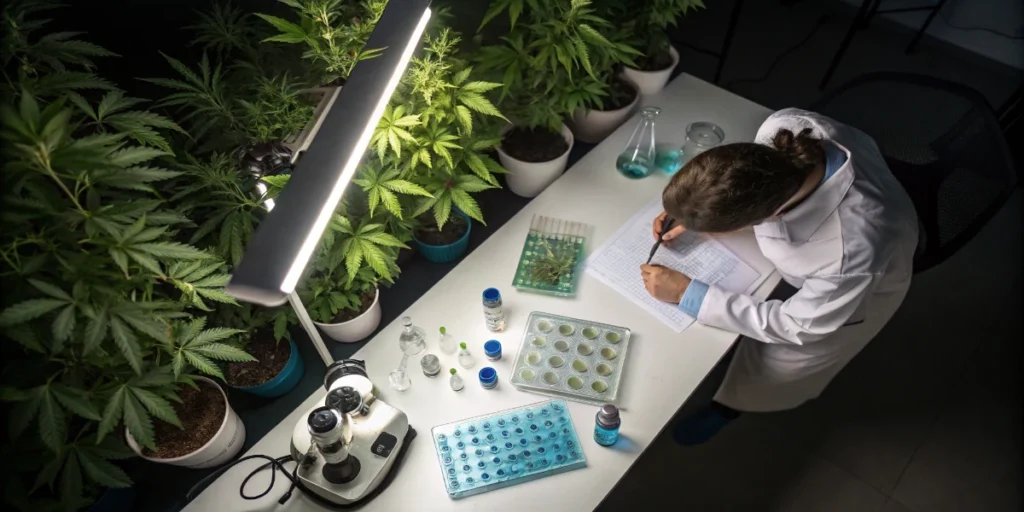

Water quality is a critical factor in cannabis cultivation, directly influencing brix levels, which measure the sugar content in plant sap. High brix levels are often associated with healthier plants and higher yields. For both first-time cannabis seed buyers and seasoned growers, recognizing how water quality impacts brix levels in cannabis can lead to more successful harvests.
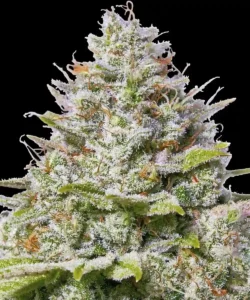
Gelato, one of the popular strains from Growlantis, showcases the importance of water quality. Known for its rich flavor and balanced effects, Gelato requires specific water conditions to thrive. Ensuring the right mineral content and pH levels can enhance its brix levels, resulting in a more potent flavor profile.
Recommended Strains
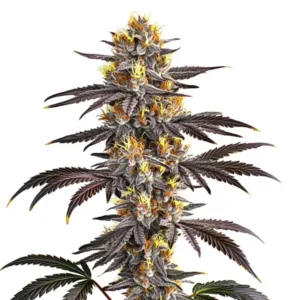
Gelato

|
THC | 27% (High) |

|
Lineage | Sunset Sherbet x Thin Mint Girl Scout Cookies |

|
Type | Feminized |

|
Height | 6.56 ft | 2 m |

|
Yield | High |

|
Yield Indoor | 1.64 oz/ft² | 500 g/m² |

|
Yield Outdoor | 21.16 - 28.22 oz/plant | 600 - 800 g/plant |

|
Flowering Time | 8 - 10 weeks |

|
Phenotype | 50% Indica / 50% Sativa |

|
Medical | Arthritis, Insomnia, Pain |

|
Effects | Happy, Relaxed, Talkative |

|
Flavors | Berry, Citrus, Sweet |
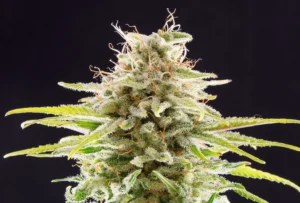
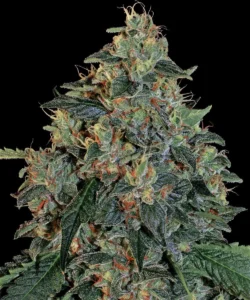
Super OG Kush
|
|
THC | 22% - 23% (Medium) |
|
|
Lineage | Lemon Thai x Hindu Kush x Black Domina |
|
|
Type | Feminized |
|
|
Height | 4.43 ft | 1.35 m |
|
|
Yield | High |
|
|
Yield Indoor | 1.97 oz/ft² | 600 g/m² |
|
|
Yield Outdoor | 28.22 oz/plant | 800 g/plant |
|
|
Flowering Time | 8 - 9 weeks |
|
|
Phenotype | 70% Indica / 30% Sativa |
|
|
Effects | Relaxed |
|
|
Flavors | Fruity, Spicy, Earthy |
Similarly, Super OG Kush, another strain from Growlantis, benefits significantly from optimal water quality. This strain is renowned for its high THC content and robust growth. By managing water salinity and hardness, growers can optimize the brix levels, leading to healthier plants with a superior yield.
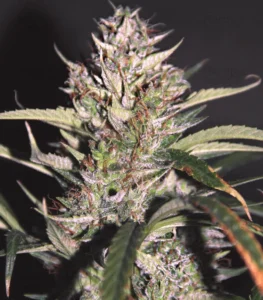
Blue Gelato 41, also from Growlantis, offers a unique cultivation challenge. With its complex terpene profile, maintaining ideal water quality is essential for achieving desirable brix levels. The specific balance of mineral content and pH can greatly enhance this strain’s aromatic properties.
Water pH and Its Influence on Cannabis Brix Levels
The pH level of water is a crucial factor in cannabis cultivation. It affects nutrient availability, which in turn impacts brix levels. Maintaining a balanced pH ensures that plants can absorb nutrients efficiently, leading to optimal growth and higher sugar content in the sap.
For strains like Gelato, which have a specific nutrient requirement, water pH plays a pivotal role. A pH range of 5.5 to 6.5 is generally recommended for cannabis cultivation. This range allows for maximum nutrient uptake, enhancing brix levels and overall plant health.
Recognizing how water pH influences cannabis brix can help growers optimize their cultivation practices. For instance, using buffered soil amendments or hydroponic solutions can stabilize pH fluctuations, especially in Super OG Kush, which demands a precise environment for its high THC production. Ensuring a stable pH not only supports nutrient uptake but also fosters an environment where Gelato and Blue Gelato 41 can express their full flavor profiles, thus enhancing the overall quality of the yield.
Adjusting Water pH for Optimal Growth
Adjusting the water pH involves testing and calibrating the water supply. Simple pH meters and water additives can help maintain the desired range. Regular monitoring is essential, especially in strains like Super OG Kush, where nutrient absorption is critical for high THC production.
Practical steps include using pH-adjusting products available at most gardening stores. These solutions can quickly bring water pH to the desired level, fostering an environment conducive to high brix levels.
The Impact of pH Fluctuations
Fluctuations in water pH can lead to nutrient lockout, where plants cannot access essential nutrients. This situation can negatively impact brix levels, making it imperative for growers to maintain stable pH conditions. For Blue Gelato 41, consistency in water pH ensures a stable brix level, enhancing the strain’s terpene profile.
Frequent pH testing helps prevent fluctuations. Investing in a reliable pH meter can provide peace of mind and contribute to healthier cannabis plants with higher brix levels.
Mineral Content’s Impact on Cannabis Brix Levels
Minerals in water supply, including calcium, magnesium, and potassium, play a significant role in plant health and brix levels. These minerals support various physiological functions, contributing to stronger plants and higher sugar content.
In strains like Gelato, the right balance of minerals can enhance flavor and potency. Ensuring adequate mineral content in the water supply can lead to improved brix levels, resulting in a better quality yield.
Recognizing the impact of mineral content on cannabis brix levels is crucial for achieving vigorous plant growth. For example, Super OG Kush requires a precise balance of calcium and magnesium for optimal cell development. Additionally, Blue Gelato 41 benefits from targeted potassium levels to boost its unique terpene composition. By regularly testing and adjusting mineral concentrations, growers can prevent deficiencies that might compromise the health and brix levels of their cannabis plants, ultimately leading to a more rewarding cultivation experience.
Essential Minerals for Cannabis Growth
Calcium and magnesium are critical for cell structure and photosynthesis, respectively. Their presence in the water supply can directly influence the brix levels in cannabis. Growers of Super OG Kush should focus on maintaining these minerals to support the strain’s robust growth characteristics.
Potassium, another essential mineral, aids in sugar transport within the plant. For Blue Gelato 41, maintaining optimal potassium levels can enhance its unique flavor profile by boosting brix levels.
Monitoring and Adjusting Mineral Content
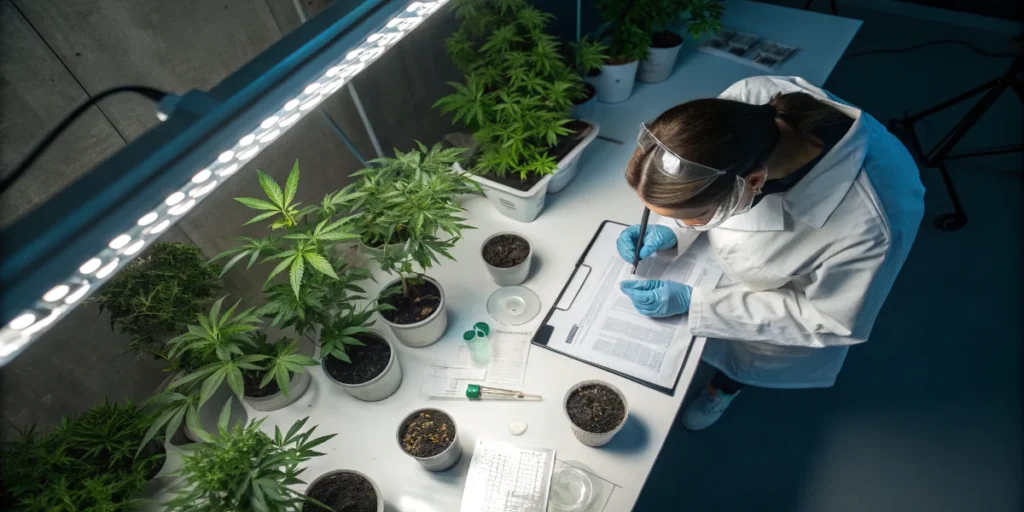
Regular water testing can identify deficiencies or excesses in mineral content. Products like calcium-magnesium supplements can help adjust mineral levels, ensuring that cannabis plants receive the nutrients they need for optimal growth and high brix levels.
For strains that demand specific mineral balances, such as Gelato, precise adjustments can make a significant difference in the final yield quality and potency.
Water Salinity and Its Relationship with Brix Levels
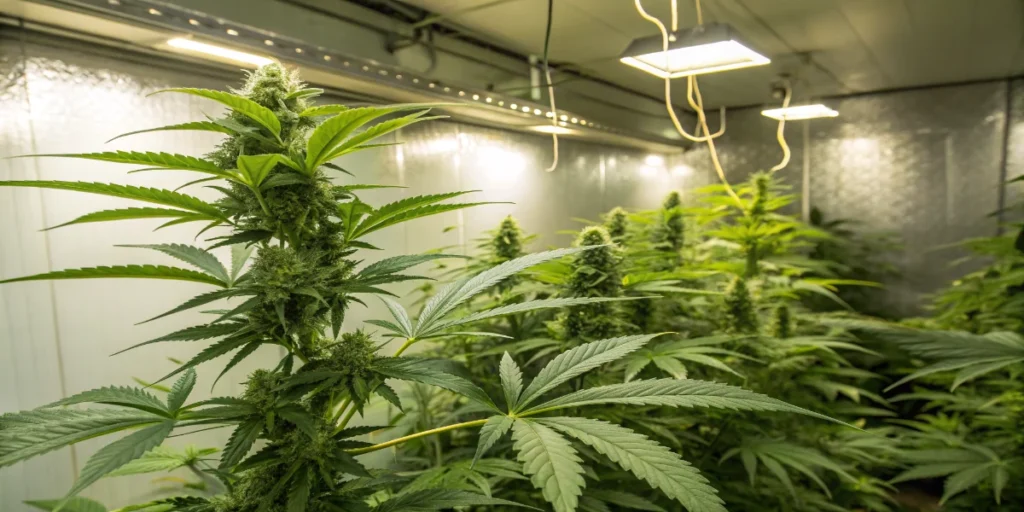
Water salinity, or the concentration of salts in water, is another factor affecting cannabis brix levels. High salinity can lead to nutrient imbalances, while low salinity might result in deficiencies. Finding the right balance is crucial for maintaining healthy brix levels.
Super OG Kush, known for its high yield potential, can be particularly sensitive to water salinity. Managing salinity levels ensures that nutrients are available without causing stress to the plants.
Recognizing the cannabis brix levels and water salinity relationship is vital for successful cultivation. For instance, Gelato responds well to a balanced salinity level that prevents nutrient lockout while promoting vigorous growth. Meanwhile, Blue Gelato 41 thrives when salinity is carefully regulated to support its aromatic terpene profile. Utilizing techniques such as reverse osmosis or blending water sources can help mitigate the risks associated with high salinity, ultimately enhancing the quality and brix levels of these specific strains.
Effects of High Salinity on Cannabis
High salinity can cause nutrient lockout, where plants struggle to absorb essential nutrients. This condition can lead to reduced brix levels and stunted growth. For strains like Blue Gelato 41, maintaining low salinity levels helps ensure a high-quality terpene profile.
Growers can use reverse osmosis systems or rainwater collection to reduce water salinity. These methods provide a clean water source, minimizing the risk of salinity-related issues.
Balancing Salinity for Optimal Growth
Regular testing of water salinity can help growers maintain the ideal balance. Simple salinity meters are available to measure and monitor salt concentrations in water supplies.
Adjustments might include blending different water sources or using specific nutrients designed to counteract high salinity levels. These strategies help maintain healthy brix levels in cannabis strains like Gelato.
Water Hardness and Its Effects on Brix Levels in Cannabis
Water hardness, primarily caused by calcium and magnesium, can affect cannabis brix levels if not managed properly. Hard water can lead to nutrient lockout, impacting plant health and sugar content.
For strains such as Gelato, which require precise nutrient management, controlling water hardness is crucial for achieving optimal brix levels. Softening the water can enhance nutrient uptake and improve plant vitality.
Addressing water hardness effects on brix levels in cannabis involves both prevention and correction strategies. For example, Super OG Kush may require water softening techniques to facilitate nutrient absorption and maximize its growth potential. Similarly, Blue Gelato 41 can benefit from reduced water hardness, which helps maintain its characteristic terpene profile. By investing in water testing and filtration systems, growers can ensure that their plants receive the optimal conditions needed to thrive and achieve superior brix levels.
Identifying and Managing Hard Water
Water hardness can be identified through water testing kits available at gardening centers. These kits provide a measure of calcium and magnesium concentrations, informing growers of necessary adjustments.
Using water softeners or filtering systems can help reduce hardness, allowing strains like Super OG Kush to thrive by maximizing nutrient absorption and brix levels.
Effects of Softening Water on Cannabis
Softened water can enhance nutrient availability, promoting healthier plants and higher brix levels. For Blue Gelato 41, managing water hardness can lead to a more pronounced terpene profile and superior yield.
Growers should aim for a balanced approach, ensuring that water is neither too hard nor too soft, to maintain ideal growing conditions for various cannabis strains.
FAQ
How does water quality impact cannabis brix levels?
Water quality affects cannabis brix levels by influencing nutrient availability and absorption in plants. Poor water quality can lead to nutrient lockout, reducing sugar content and overall plant health. Ensuring optimal pH, mineral content, and salinity levels helps maintain high brix levels, resulting in healthier plants and better yields.
What is the ideal pH level for cannabis water?
The ideal pH level for cannabis water typically ranges from 5.5 to 6.5. This range allows for maximum nutrient uptake, which is crucial for maintaining high brix levels. Regular monitoring and adjusting of pH levels can prevent nutrient lockout and promote healthier plant growth.
Can mineral content in water affect cannabis growth?
Yes, mineral content in water significantly affects cannabis growth and brix levels. Essential minerals like calcium, magnesium, and potassium support various plant functions. Maintaining the right balance of these minerals in the water supply can enhance plant health and improve sugar content in the sap.
How does water salinity influence cannabis plants?
Water salinity influences cannabis plants by affecting nutrient availability. High salinity can cause nutrient lockout, while low salinity might lead to deficiencies. Balancing salinity levels is crucial for maintaining healthy brix levels and ensuring optimal plant growth.
What are the effects of water hardness on cannabis cultivation?
Water hardness, caused by high levels of calcium and magnesium, can lead to nutrient lockout, affecting cannabis brix levels. Managing water hardness through softening or filtration systems can enhance nutrient uptake, promoting healthier plants and higher sugar content in the sap.