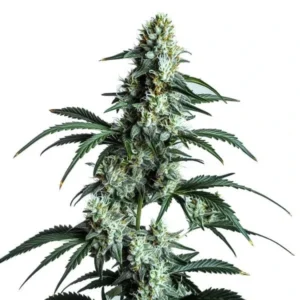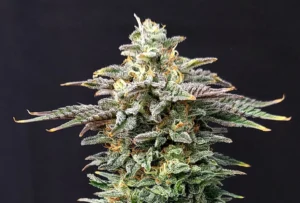


Growing cannabis can be a rewarding experience, but it often comes with challenges, especially for those battling nutrient deficiencies in their soil. Autoflower strains offer a convenient solution, and some varieties are particularly resilient against nutrient issues. This article delves into the top autoflower strains resistant to nutrient deficiencies, helping both novice and seasoned growers make informed decisions.
Autoflower strains have gained popularity for their ability to flower automatically, regardless of light cycles. This characteristic makes them ideal for growers who face environmental constraints or seek an easier cultivation experience. Among these, certain strains are known for their resistance to nutrient deficiencies, ensuring healthy growth even in less-than-ideal conditions.
Recommended Strains
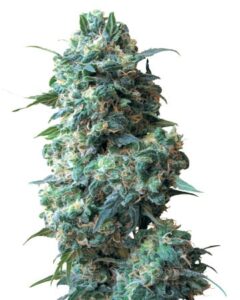
Sour Kush Autoflower

|
THC | 24% - 25% (High) |

|
Lineage | OG Kush x Sour Diesel x Ruderalis |

|
Type | Autoflowering |

|
Height | 3.28 ft | 1 m |

|
Yield | Medium |

|
Yield Indoor | 1.15 - 1.31 oz/ft² | 350 - 400 g/m² |

|
Yield Outdoor | 17.64 - 21.16 oz/plant | 500 - 600 g/plant |

|
Life Cycle | 9 - 10 weeks |

|
Phenotype | 60% Indica / 40% Sativa |

|
Effects | Energetic, Euphoric, Happy |

|
Flavors | Diesel, Earthy, Pungent |

Auto Blackberry Kush
|
|
THC | 15% - 20% (Medium) |
|
|
Lineage | Blueberry X Dark hash plant |
|
|
Type | Autoflowering |
|
|
Height | 2.3 ft | 0.7 m |
|
|
Yield | Medium |
|
|
Yield Indoor | 1.31 - 1.47 oz/ft² | 400 - 450 g/m² |
|
|
Yield Outdoor | 7.05 oz/plant | 200 g/plant |
|
|
Life Cycle | 10 - 11 weeks |
|
|
Phenotype | 70% Indica / 30% Sativa |
|
|
Effects | Sedative, Powerful, Relaxed |
|
|
Flavors | Fruity, Kush, Earthy |
Identifying which strains are best suited for nutrient-poor environments can save time, effort, and resources. By choosing strains like Sour Kush Auto, Orion F1 Auto, and Strawberry Cough Auto from Growlantis, growers can cultivate robust plants without the constant worry of nutrient imbalances.
The Resilient Sour Kush Auto
Sour Kush Auto is a standout strain from Growlantis, renowned for its resilience against nutrient deficiencies. This strain is a cross between Sour Diesel and OG Kush, which gives it a robust genetic profile. It thrives in various environments, making it a favorite among growers dealing with inconsistent nutrient supplies.
One of the key characteristics of Sour Kush Auto is its rapid flowering time. It typically completes its life cycle in about 8 to 10 weeks. This quick turnaround means less time for nutrient issues to develop and impact the plant. Additionally, its sturdy nature makes it less susceptible to common problems like yellowing leaves or stunted growth.
For growers working with nutrient-poor soil, Sour Kush Auto proves to be a reliable choice. Its adaptability means it can still produce a respectable yield even when nutrients are scarce. This strain offers an average yield of 400-500g/m² indoors, which is impressive considering its ability to withstand nutrient deficiencies.
Thanks to its genetic lineage and autoflower characteristics, Sour Kush Auto is among the best autoflower strains for nutrient-poor soil. Its ability to flourish with minimal intervention makes it a popular choice for those seeking autoflower strains with nutrient deficiency resistance. This strain’s resilience is further highlighted by its capability to maintain potency and yield even when grown in challenging conditions, making it a staple for those dealing with nutrient issues.
Sour Kush Auto’s THC and CBD Profile
When it comes to potency, Sour Kush Auto does not disappoint. It typically boasts a THC level of around 15-20%, offering a balanced experience for both recreational and medicinal users. This makes it a versatile choice for those seeking a potent yet manageable strain.
In terms of CBD content, Sour Kush Auto maintains a low profile, usually below 1%. This composition is ideal for those looking for a primarily THC-driven effect, characterized by relaxation and euphoria. Its ability to thrive in nutrient-poor conditions ensures that its potency remains unaffected.
Orion F1 Auto: A Hardy Choice
Orion F1 Auto is another exceptional autoflower strain from Growlantis, known for its resistance to nutrient deficiencies. As an F1 hybrid, it benefits from hybrid vigor, which enhances its growth capabilities and resilience. This strain is perfect for growers who want a reliable plant that can withstand minimal nutrient input.
Orion F1 Auto is celebrated for its fast flowering time, typically ready for harvest in just 9 weeks. This speedy growth cycle minimizes the exposure to potential nutrient issues, allowing the plant to flourish despite any shortages in the soil. Its robust genetic makeup further contributes to its ability to withstand nutrient challenges.
This strain is particularly suitable for outdoor growers who may face unpredictable soil conditions. Orion F1 Auto can yield up to 450g/m² indoors, showcasing its productivity even when nutrients are limited. Its adaptability makes it a sought-after choice for those seeking nutrient deficiency resistant autoflower varieties.
Orion F1 Auto stands out among hardy autoflower strains for minimal nutrients due to its vigorous growth and adaptability. This strain’s ability to withstand nutrient deficiencies makes it an ideal candidate for growers who may not have access to elaborate feeding schedules or advanced cultivation techniques. Its resistance traits are enhanced by its rapid life cycle, ensuring that even novice growers can achieve impressive results without worrying about nutrient imbalances.
Orion F1 Auto’s Growing Difficulty and Yield
While Orion F1 Auto is relatively easy to grow, it’s important to provide it with basic care to maximize its yield potential. Regular watering and occasional feeding with a balanced nutrient solution can enhance its growth, even though it can manage with less.
Its resilience against nutrient issues makes it an excellent choice for beginners. The plant’s structure and growth pattern are forgiving, allowing new growers to experiment and learn without significant risk of crop failure. This strain exemplifies hardy autoflower strains for minimal nutrients.

Strawberry Cough Auto: Flavor Meets Resilience
Strawberry Cough Auto is another gem from Growlantis, combining a delightful flavor profile with resilience against nutrient deficiencies. Known for its sweet, berry-like aroma and taste, this strain appeals to both the senses and the practical needs of growers.
Strawberry Cough Auto is particularly resistant to common nutrient-related issues like magnesium and calcium deficiencies. Its strong genetic lineage, derived from Strawberry Fields and Haze, contributes to its ability to thrive under less-than-perfect conditions.
This strain is also known for its balanced growth cycle, typically flowering within 9 to 10 weeks. Its ability to produce substantial yields, even in nutrient-poor soil, makes it a preferred choice for those seeking a flavorful yet durable plant.
In the world of autoflower cannabis resistant to nutrient issues, Strawberry Cough Auto offers a unique combination of flavor and hardiness. Its resilience in the face of nutrient deficiencies ensures that growers can enjoy a bountiful harvest without sacrificing taste or aromatic quality. This strain is a testament to how nutrient deficiency resistant autoflower varieties can provide both sensory delight and practical advantages, making it a top choice for growers looking to maximize both yield and experience.
THC Levels and Aromatic Profile of Strawberry Cough Auto
Strawberry Cough Auto boasts a THC content of about 15-18%, providing a moderate yet satisfying high. Its effects are often described as uplifting and euphoric, making it a popular choice for social settings or creative endeavors.
The aromatic profile of Strawberry Cough Auto is one of its standout features. The sweet, strawberry-like aroma is a treat for the senses, enhancing the overall growing and consumption experience. This strain exemplifies how autoflower cannabis resistant to nutrient issues can also offer exceptional flavor.
Tips for Growing Nutrient-Deficient Resistant Autoflowers
Successfully cultivating autoflower strains resistant to nutrient deficiencies requires some attention to detail and best practices. Here are some practical tips to ensure your plants thrive:
Firstly, start with quality seeds from reputable sources like Growlantis. High-quality seeds ensure robust genetics that can withstand nutrient challenges. Secondly, consider the growing medium. While these strains can handle poor soil, using a well-aerated and slightly enriched medium can boost growth and yield.
Monitoring water quality is also crucial. Even nutrient-resistant strains can suffer if the water contains high levels of chlorine or other contaminants. Use filtered water or let tap water sit out overnight to dissipate chlorine before watering your plants.
Growing autoflower strains with nutrient deficiency resistance involves recognizing the specific needs of your chosen strains. Regular observation and adjustment based on plant feedback are essential. Keeping a journal to track growth patterns, nutrient feedings, and environmental changes can help in fine-tuning your growing strategy to ensure the best results. This proactive approach not only optimizes growth but also enhances your skills as a cultivator of nutrient deficiency resistant autoflower varieties.
Feeding and Watering Strategies
When it comes to feeding, less is often more. Autoflowers typically require fewer nutrients than photoperiod strains. Use a diluted nutrient solution to avoid overfeeding, which can be just as detrimental as a deficiency. Pay attention to the plants’ appearance and adjust as necessary.
Watering should be done regularly but with care to avoid overwatering. Allow the top layer of soil to dry out between waterings to prevent root rot. Consistency is key, ensuring the plants receive steady moisture without drowning them.
Managing Environmental Factors
Environmental conditions play a significant role in the success of growing autoflower strains resistant to nutrient deficiencies. Temperature, humidity, and light all impact plant health and productivity.
Maintain a stable temperature range between 70-85°F (21-29°C) for optimal growth. Extreme temperatures can exacerbate nutrient deficiencies, so it’s crucial to keep the environment controlled. Humidity levels should be adjusted based on the plant’s stage of growth; lower humidity during flowering helps prevent mold and mildew.
Lighting is another critical factor. Autoflowers thrive under consistent light schedules, typically 18-24 hours of light per day. Adequate lighting supports photosynthesis and overall plant health, compensating for any nutrient shortfalls the plants may encounter.
To maximize the potential of autoflower cannabis resistant to nutrient issues, it’s crucial to maintain a balanced and controlled environment. This involves using grow lights that mimic the natural light spectrum and adjusting humidity and temperature to suit each growth stage. By paying close attention to these factors, growers can prevent stress on their plants, ensuring that their autoflower strains with nutrient deficiency resistance can develop to their fullest potential, resulting in a healthy and abundant harvest.
Preventing Common Nutrient Deficiencies
Even with resistant strains, some common nutrient deficiencies can occur. Being able to identify and address these issues early is vital. Look out for symptoms like yellowing leaves, purple stems, or slow growth, which may indicate a deficiency.
Implementing preventive measures, such as using a balanced nutrient solution and ensuring proper pH levels, can mitigate these issues. Maintaining a soil pH of 6.0-7.0 ensures nutrient availability and uptake. Regular monitoring and adjustments help prevent deficiencies from hindering plant growth.

FAQ
What makes autoflower strains resistant to nutrient deficiencies?
Autoflower strains resistant to nutrient deficiencies possess robust genetic profiles that allow them to thrive in various conditions. Their ability to flower automatically and quickly reduces the time available for nutrient imbalances to affect growth. Additionally, these strains have adapted to require fewer nutrients, making them ideal for environments with poor soil quality.
How do I choose the best autoflower strain for nutrient-poor soil?
When selecting autoflower strains for nutrient-poor soil, consider their genetic background, flowering time, and yield potential. Strains like Sour Kush Auto, Orion F1 Auto, and Strawberry Cough Auto from Growlantis are specifically bred for resilience. Their ability to produce satisfactory yields even with minimal nutrients makes them excellent choices for challenging growing conditions.
Can autoflower strains thrive with minimal nutrients?
Yes, many autoflower strains are designed to thrive with minimal nutrients, thanks to their genetic adaptations. These strains are less demanding in terms of nutrient needs, allowing them to grow healthily in less fertile environments. Providing them with basic care and occasional feeding can optimize their growth and yield.
What common nutrient deficiencies affect cannabis plants?
Common nutrient deficiencies in cannabis plants include nitrogen, phosphorus, potassium, magnesium, and calcium shortages. These deficiencies can manifest as yellowing leaves, stunted growth, or purple stems. Identifying and addressing these issues early is crucial to maintaining plant health and productivity.
How can I prevent nutrient deficiencies in autoflower strains?
Preventing nutrient deficiencies in autoflower strains involves using quality seeds, maintaining proper pH levels, and providing a balanced nutrient solution. Regularly monitoring environmental conditions such as temperature and humidity also helps. By implementing these strategies, growers can ensure that their nutrient deficiency resistant autoflower varieties remain healthy and productive.