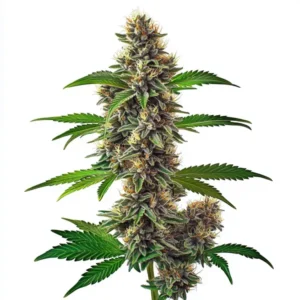
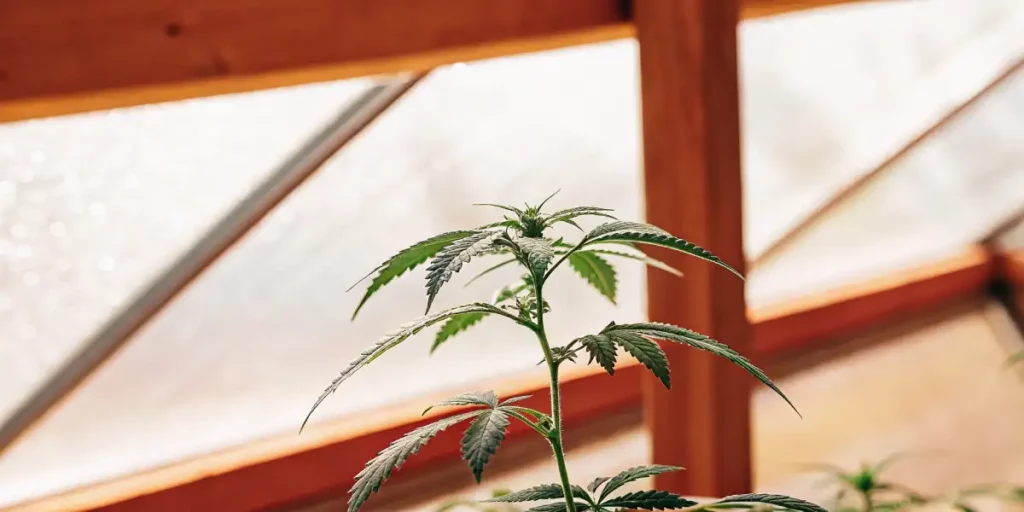

Autoflower plants are cannabis varieties that flower by age rather than by a change in light hours, thanks to ruderalis genetics crossed into the line. That one difference makes them the fastest, most forgiving way to grow: no light flip, a short seed-to-harvest cycle, and a compact plant that suits small tents, balconies, and first grows. This guide covers how to grow autoflowers from seed to cure, with the handful of rules that matter most.
This is a general cultivation guide. For strain-specific timing and yields, check the individual grow guide and the datasheet for the variety you choose, and browse the full autoflowering cannabis seeds collection at Growlantis.
Recommended Strains
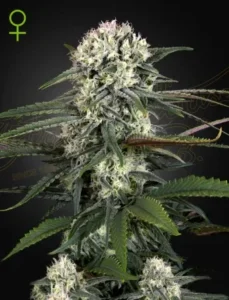
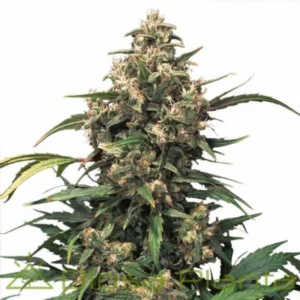
Auto Bomb Seeds

|
THC | 15% - 17% (Medium) |

|
Lineage | Green-O-Matic x Big Bang Autoflowering |

|
Type | Autoflowering |

|
Height | 3.44 ft | 1.05 m |

|
Yield Outdoor | 1.76 oz/plant | 50 g/plant |

|
Life Cycle | 7 - 8 weeks |

|
Phenotype | 80% Indica / 20% Sativa |

|
Effects | Relaxed, Calming |

|
Flavors | Sweet, Fruity |

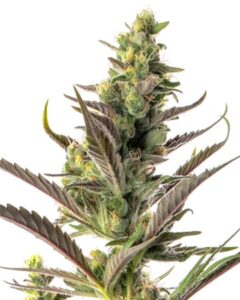
Blue Auto Mazar
|
|
THC | 15% - 20% (Medium) |
|
|
Lineage | Auto Blueberry X Auto Mazar |
|
|
Type | Autoflowering |
|
|
Height | 2.62 ft | 0.8 m |

|
Yield | High |

|
Yield Indoor | 1.64 oz/ft² | 500 g/m² |
|
|
Yield Outdoor | 3.53 oz/plant | 100 g/plant |
|
|
Life Cycle | 10 - 11 weeks |
|
|
Phenotype | 70% Indica / 30% Sativa |
|
|
Effects | Relaxed, Focused |
|
|
Flavors | Sweet, Earthy, Fruity |
Autoflowers at a Glance
| Point | What it means for the grow |
| Flowering trigger | Age, not light hours (no 12/12 flip needed) |
| Light schedule | 18/6 or 20/4 from seed to harvest |
| Typical cycle | About 8-12 weeks seed to harvest |
| Typical height | Compact, often 2-4 ft (varies by strain) |
| Best container | Final pot from day one, 3-5 gallon |
| Training | Gentle low-stress training; avoid heavy stress |
| Feeding | Light; below photoperiod levels |
The appeal is speed and simplicity. Because an autoflower sets its own clock, you do not switch the lights to start bloom, and the whole cycle usually runs about 8-12 weeks. The trade-off is that the plant has no time to recover from mistakes, so the goal is a smooth, low-stress run from start to finish.
How Autoflowers Are Different
A photoperiod plant stays in vegetative growth until the daily light drops to about 12 hours, which is when you “flip” it to bloom. An autoflower ignores the light schedule and begins flowering a few weeks after germination on its own. That means the full grow time already includes the seedling and early-growth weeks, and you never add a separate veg stage the way you would with a photoperiod plant. It also means the plant is usually smaller and quicker, which is why autoflowers suit discreet and fast grows.
Germinating and Potting
Autoflowers recover poorly from transplant shock within their short life, so the single most important rule is to plant into the final container from the start.
- Germination (days 1-3): Use the paper-towel method at 70-79 F until the taproot shows, then plant the sprouted seed half an inch deep, taproot down.
- Final pot from day one: Start the seed directly in its final 3-5 gallon container rather than potting up. Disturbing the roots mid-cycle can stunt a plant that has no time to bounce back.
- Light, airy medium: Use a well-draining mix so the small root zone never sits wet.
Light Cycle: No 12/12 Needed
This is the key difference from a photoperiod grow. Autoflowers do not need a 12/12 light switch to bloom. Run 18/6 (18 hours on, 6 off) or 20/4 from seed all the way to harvest. More daily light simply fuels more growth over the short cycle, and many growers keep 18/6 for the whole run to balance growth and power use. There is no flip to time and no dark-period discipline to maintain, which is a big part of why autoflowers are so beginner-friendly.
Feeding and Watering
Autoflowers are light feeders, and the short cycle makes restraint the rule. Overfeeding is the most common mistake.
- Build nutrient strength up slowly and keep it below photoperiod levels.
- Start with a quarter-strength feed in early growth, move to a light bloom feed as pistils show, and taper to plain water in the final week or two.
- Water when the top inch of the medium dries; the small root zone is easy to overwater.
- Watch for tip burn as a sign you are feeding too hard, and ease off if you see it.
Training Without Stress
Because an autoflower cannot recover from hard stress, keep training gentle and early.
- Low-stress training (LST): Gently tie down branches in the first couple of weeks to open the canopy and even out the light. This is the safest way to lift yield.
- Skip heavy techniques: Avoid topping, fiming, and heavy defoliation on most autoflowers; there is no veg time to recover before bloom starts.
- Act early: Any training should happen in early growth, before the plant commits to flowering.
Flowering and Harvest
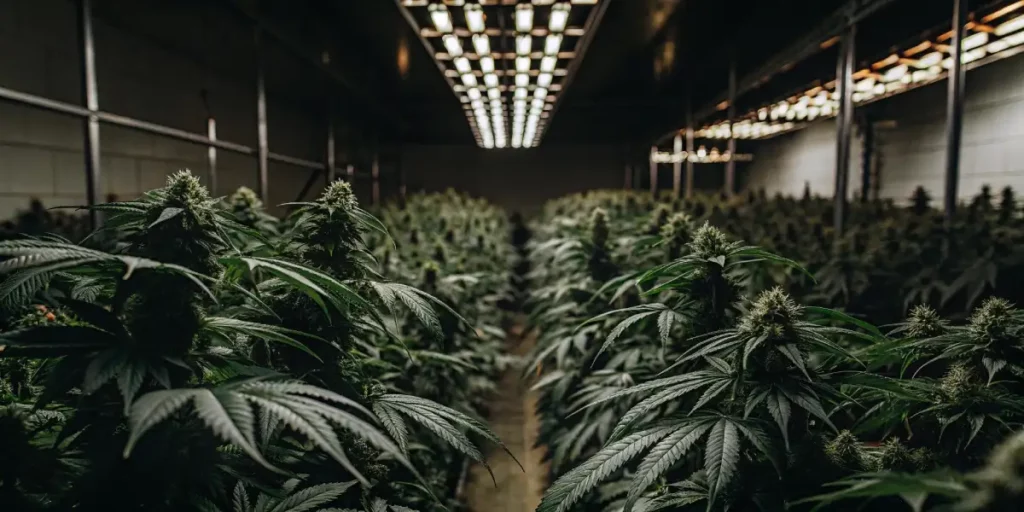
- Pre-flower (around weeks 2-4): The plant begins to flower automatically, with no change to the light schedule.
- Bloom: Buds fill in over the back half of the cycle. Hold humidity around 40-45% and keep airflow steady to protect the buds.
- Harvest: Check trichomes as the strain’s cycle nears its end. Harvest when most are cloudy, with a little amber for a more relaxing finish. Flush with plain water in the final stretch and cure slowly in jars for the best flavor.
Flowering Time vs Full Grow Time
With autoflowers these are effectively the same number. The flowering time is the bloom window from the first pistils to harvest, and the full grow time, seed to harvest, usually runs about 8-12 weeks depending on the strain, because the seedling and early-growth weeks are already included. You do not add a separate veg stage, which is why autoflowers finish so much faster than photoperiod plants.
Best US Climates for Autoflowers
Autoflowers are flexible because they do not depend on the season’s light cycle to bloom.
- Short-season northern states (Pacific Northwest, Northeast, Upper Midwest): the quick cycle finishes before the autumn cold, and you can often fit more than one outdoor run into the warm months.
- Warm and dry regions (Southwest, inland California): strong sun drives growth; watch watering in the heat.
- Humid southern states: workable with good airflow and low canopy humidity around the buds.
- Indoors anywhere: the compact size and simple 18/6 schedule make autoflowers one of the easiest indoor options.
Common Problems When Growing Autoflowers
Transplanting mid-cycle
Moving an autoflower between pots is the classic mistake. Start in the final container so the roots are never disturbed during the short life.
Overfeeding
A small, fast plant needs little. Keep nutrients gentle, build up slowly, and back off at the first sign of tip burn.
Heavy training or stress
Topping and heavy defoliation can stall a plant that has no veg time to recover. Stick to early, gentle low-stress training.
Timing the harvest
The cycle moves quickly, so start checking trichomes earlier than you would with a photoperiod plant and be ready to harvest on time.
Autoflowers in the Catalog
Growlantis carries a wide range of autoflowers, from quick, compact indicas to high-yielding, flavor-forward hybrids. Popular places to start include the Northern Lights Auto for an easy, calming indica, the Gorilla Cookies Auto for high-THC dessert flavor, and the Gelato Auto for a sweet, balanced grow. Browse the full autoflowering cannabis seeds collection, and check each strain’s own grow guide for its exact timing, height, and yield. Specs vary between strains and packs, so confirm the datasheet before planning your grow.
Frequently Asked Questions
Do autoflowers need a 12/12 light cycle?
No. Autoflowers flower by age, not by light hours, so there is no 12/12 flip. Run 18/6 or 20/4 from seed to harvest, and keep that schedule for the whole cycle. More daily light fuels more growth, which is why many growers simply leave autoflowers on 18/6 from start to finish.
How long do autoflowers take from seed to harvest?
Most autoflowers finish in about 8-12 weeks from seed, depending on the strain. Because they flower by age, the seedling and early-growth weeks are already included in that total; you do not add a separate veg stage. Always check the specific strain’s datasheet for its exact cycle length.
Can you top or train autoflowers?
Gentle low-stress training early in the grow is fine and helps even the canopy, but skip topping and heavy defoliation on most autoflowers. The short cycle leaves no veg time to recover from hard stress, so train lightly in the first couple of weeks and then let the plant run.
What size pot do autoflowers need?
Start the seed directly in its final 3-5 gallon container. Autoflowers recover poorly from transplant shock within their short life, so avoid potting up mid-cycle. A light, well-draining medium in the final pot from day one gives the roots an undisturbed run to harvest.
Are autoflowers good for beginners?
Yes. Autoflowers are among the most beginner-friendly cannabis plants because there is no light flip to time, the cycle is short, and the plants stay compact. The main rules are simple: plant in the final pot, feed lightly, train gently, and keep airflow steady through bloom.