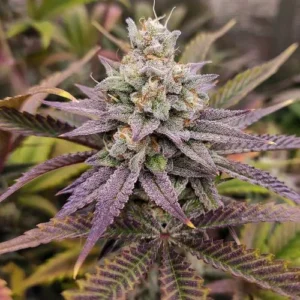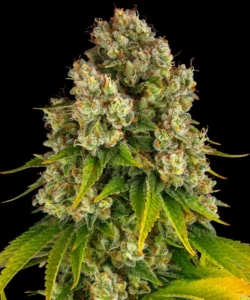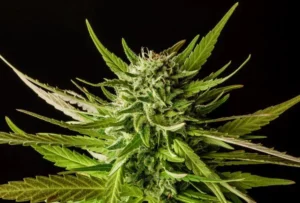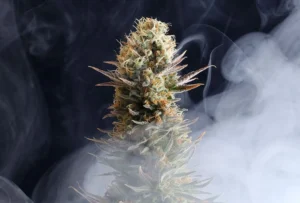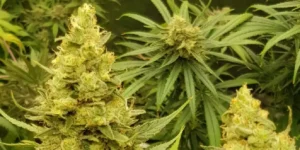


Refractometers are often used in the cannabis industry to measure sugar content, but how accurate are they for this purpose? When cultivating strains like Cream Auto, Gorilla Cookies FF, and Flower Bomb Kush from Growlantis, recognizing sugar content can help optimize growth and potency. This raises the question: are refractometers truly reliable for measuring cannabis sugar content?
Refractometers work by measuring the degree to which light changes direction, or refracts, as it passes through a liquid. In cannabis cultivation, this tool is used to gauge the sugar concentration in the plant’s sap, which can indicate overall plant health and potential yield. However, the accuracy of refractometers in this context is subject to various factors, including the device’s calibration, the user’s skill, and the unique properties of each cannabis strain.
Recommended Strains
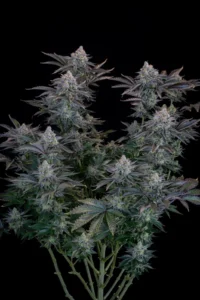
Gorilla Cookies FF

|
THC | 28% - 29% (High) |

|
Lineage | (GSC x GG#4) x Gorilla Cookies Auto |

|
Type | Fast Flowering |

|
Height | 4.92 ft | 1.5 m |

|
Yield | High |

|
Yield Indoor | 1.64 - 2.13 oz/ft² | 500 - 650 g/m² |

|
Flowering Time | 7 weeks |

|
Phenotype | 45% Indica / 55% Sativa |

|
Effects | Balanced, Euphoric, Powerful, Relaxed |

|
Flavors | Cookie, Earthy, Kush |

Flower Bomb Kush
|
|
THC | 22% - 23% (Medium) |
|
|
Lineage | Green Crack x OG Kush |
|
|
Type | Feminized |
|
|
Height | 4.59 ft | 1.4 m |

|
Yield Outdoor | 35.27 oz/plant | 1000 g/plant |
|
|
Flowering Time | 8 - 9 weeks |
|
|
Phenotype | 70% Indica / 30% Sativa |
|
|
Effects | Creative, Powerful, Relaxed |
|
|
Flavors | Earthy, Herbal, Fruity, Sweet |
Growlantis offers strains such as Cream Auto, which is known for its relatively short flowering time and high yield. The sugar content in such strains can significantly affect the final product’s quality. A refractometer might provide useful insights here, but the effectiveness of refractometers for cannabis sugar testing can vary. Let’s dive deeper into how accurate refractometers are and what growers need to know.
How Refractometers Work in Cannabis Cultivation
Refractometers are essential tools in many agricultural sectors, including cannabis cultivation. They measure the sugar content by determining the Brix level, which is a scale that quantifies the sugar content in an aqueous solution. This measurement can help growers understand the health and potential yield of their cannabis plants.
For cannabis cultivators, Recognizing the Brix level can provide a benchmark of plant vitality, making refractometer accuracy in cannabis sugar testing crucial. For instance, with Cream Auto, growers might track Brix levels at different growth stages to tailor nutrient feedings more precisely. Utilizing a refractometer effectively allows them to make data-driven decisions to enhance plant vigor and maximize yield. This makes knowing how to measure sugar in cannabis with a refractometer invaluable for optimizing cultivation practices and achieving superior outcomes.
The Science Behind Refractometers
The principle of refractometry relies on how light bends when it passes through different substances. A refractometer measures this bending to calculate the Brix level. In cannabis, the Brix level can indicate the concentration of sugars and other soluble solids, which are critical for recognizing plant quality and vigor.
For instance, high sugar content in strains like Gorilla Cookies FF, known for its robust THC levels and dense buds, suggests a thriving plant likely to produce a potent harvest. However, accurate readings depend on multiple factors, including proper calibration of the refractometer and the user’s experience.
Using Refractometers in Practice
Using a refractometer involves placing a small sample of plant sap on the device’s prism and reading the Brix level through the eyepiece. The accuracy of this reading can be influenced by the refractometer’s calibration, the ambient temperature, and the precision in sample collection.
For growers of Flower Bomb Kush, a strain noted for its balanced THC/CBD ratio and ease of growth, consistent monitoring of sugar content can aid in maximizing both yield and quality. Recognizing how to properly use and interpret refractometer readings is crucial for achieving the desired outcomes.
Factors Affecting Refractometer Accuracy
Several factors can influence the accuracy of refractometers in measuring cannabis sugar content. Recognizing these can help growers make informed decisions about using this tool effectively.
One of the primary aspects to consider in cannabis sugar content measurement with refractometers is the consistency of sample preparation and testing conditions. For instance, variations in sap collection from different parts of the plant or inconsistencies in sample size can lead to discrepancies in readings. Growers of Gorilla Cookies FF might standardize their sampling techniques to ensure the reliability of their measurements. This disciplined approach is essential for leveraging refractometer accuracy in cannabis sugar testing and achieving reproducible and actionable insights.
Calibration and Maintenance
Accurate measurements depend heavily on the refractometer’s calibration. Regular calibration against a known standard is essential to ensure the device’s accuracy. Without proper calibration, readings can be misleading, impacting the grower’s ability to assess plant health accurately.
Routine maintenance, such as cleaning the prism after each use and storing the device properly, also plays a significant role in maintaining its precision. Neglecting these practices can lead to erroneous readings, particularly when testing strains like Cream Auto, where precise sugar content measurement can directly impact the plant’s development.
Environmental Conditions
Temperature and humidity can affect refractometer readings. Many refractometers are equipped with automatic temperature compensation, but sudden changes in environmental conditions can still skew results. This is particularly relevant in outdoor cannabis growing environments.
For Gorilla Cookies FF, which thrives in controlled indoor settings, maintaining consistent environmental conditions helps ensure accurate sugar measurements, aiding in the prediction of the plant’s growth and potency trajectory.

Benefits and Limitations of Using Refractometers
While refractometers offer several advantages for cannabis growers, they are not without limitations. Recognizing both can help decide if this tool is suitable for specific cultivation needs.
The effectiveness of refractometers for cannabis sugar analysis hinges on their ability to provide rapid feedback, which is invaluable during critical growth phases. For instance, timely sugar content data for Flower Bomb Kush can guide nutrient adjustments to enhance cannabinoid profiles. However, growers must be cautious not to over-rely on these readings without considering other plant health metrics. This balanced approach ensures that the refractometer’s benefits are maximized while acknowledging its limitations in providing a holistic view of plant health.
Advantages in Cannabis Cultivation
Refractometers provide quick and relatively easy measurements of sugar content, offering immediate insights into plant health. For varieties like Flower Bomb Kush, timely sugar content adjustments can enhance flowering and cannabinoid production.
The non-destructive nature of refractometer testing allows for continuous monitoring without harming the plant, helping growers make informed decisions throughout the growing cycle. This is crucial for maintaining the quality and yield of strains with specific needs, such as Cream Auto.
Limitations and Considerations
Despite their benefits, refractometers have limitations. Their readings can be affected by factors such as the presence of other solutes in the sap and the grower’s proficiency with the tool. Moreover, refractometers measure total soluble solids, not just sugars, which can lead to misinterpretations if not carefully considered.
For growers of Gorilla Cookies FF, Recognizing these limitations is essential to avoid overestimating the plant’s health based solely on refractometer readings. Complementary tests and observations may be necessary for a holistic Recognizing of the plant’s condition.
Alternative Methods for Measuring Cannabis Sugar Content
While refractometers are popular, other methods can also provide insights into cannabis sugar content. Exploring these alternatives can offer additional data points for growers.
Incorporating alternative methods such as chromatography provides a deeper dive into the specific sugar profiles and other chemical constituents of strains like Cream Auto, offering a more nuanced knowledge than refractometers alone. This holistic approach enables cultivators to pinpoint specific areas for improvement, whether in nutrient regimens or environmental controls. By juxtaposing the immediate feedback from refractometers with the detailed insights from lab-based methods, growers can develop a robust framework for cannabis sugar content measurement, ensuring the highest quality outcomes.
Chromatography Techniques
Chromatography is a more sophisticated method that separates plant compounds to analyze specific sugars and other components. Although more expensive and time-consuming than refractometry, it offers detailed insights into the chemical makeup of cannabis plants.
For strains like Cream Auto, where precision in cannabinoid and terpene profiles is crucial, chromatography can supplement refractometer data to fine-tune cultivation practices.
Lab Testing Services
Professional lab testing provides thorough analysis of cannabis plants, including sugar content. While not as immediate as refractometer readings, lab tests offer accuracy and detail unmatched by handheld devices.
Growers of Flower Bomb Kush might leverage lab services to confirm refractometer findings, ensuring their plants are on track for optimal potency and yield. This dual approach can enhance the reliability of sugar content assessments in cannabis cultivation.
Practical Tips for Using Refractometers Effectively
Maximizing the utility of refractometers in cannabis sugar content measurement requires attention to detail and consistent practices. Here are some actionable tips for growers.
For effective cannabis sugar analysis with refractometers, growers should establish a protocol that includes regular instrument calibration and consistent sampling methods. This practice is particularly beneficial for strains like Gorilla Cookies FF, where precision in sugar content measurement can inform nutrient management strategies. Additionally, integrating refractometer data with observational indicators such as leaf color and growth patterns can provide a holistic view of plant health, enhancing decision-making processes and ultimately improving yield and quality.
Regular Calibration and Testing
Consistent calibration is key to accurate refractometer readings. Establish a routine for calibrating your device, especially before major growth phases of strains like Gorilla Cookies FF. This ensures that the measurements reflect true sugar content and plant health.
Regular testing throughout the growth cycle can help track changes in sugar levels, allowing for timely interventions that optimize plant development and yield.
Interpreting Brix Levels
Recognizing what Brix levels mean for your specific strains is crucial. For instance, high Brix levels in Flower Bomb Kush may indicate robust plant health, while lower levels could signal stress or nutrient deficiencies.
Using historical data and observations, correlate Brix readings with other plant indicators to refine your cultivation strategies. This holistic approach can lead to better outcomes and more potent harvests.

FAQ
How accurate are refractometers for measuring cannabis sugar content?
Refractometers can be quite accurate for measuring cannabis sugar content when used correctly. Calibration, proper use, and Recognizing the Brix scale are crucial for getting reliable readings. For strains like Cream Auto, consistent monitoring can help optimize growth and yield.
What factors affect refractometer accuracy in cannabis testing?
Several factors impact refractometer accuracy, including calibration, environmental conditions, and user expertise. Ensuring the device is properly calibrated and used under stable conditions is essential for accurate readings, especially for strains such as Gorilla Cookies FF.
Can refractometers measure other components besides sugar?
Refractometers primarily measure total soluble solids, which include sugars and other compounds. While they provide a general indication of plant health, they do not isolate sugars from other solutes, which is important to consider for strains like Flower Bomb Kush.
Are there alternatives to refractometers for cannabis sugar content measurement?
Yes, alternatives such as chromatography and lab testing offer more detailed analyses of cannabis sugar content. These methods are more precise but also more costly and time-consuming, providing valuable insights for growers of strains like Cream Auto.
What are some tips for using refractometers effectively in cannabis cultivation?
To use refractometers effectively, regular calibration, proper sample collection, and Recognizing Brix levels are essential. Combining refractometer data with other plant health indicators can enhance decision-making for growing strains like Flower Bomb Kush.