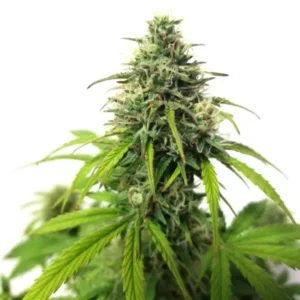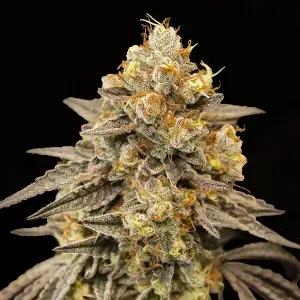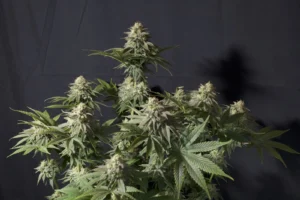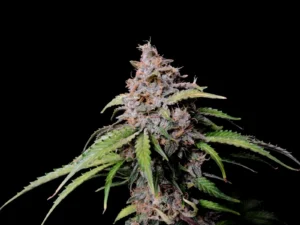

Easy Bud Auto is the Growlantis name for Royal Queen Seeds’ Easy Bud, a compact indica-dominant autoflower created from White Indica and Ruderalis genetics. It is designed around simplicity, short stature and a rapid lifecycle, making it particularly suitable for first-time growers and small spaces.
Current Easy Bud Auto seeds reach approximately 50–60 cm indoors and 60–110 cm outdoors. Royal Queen Seeds lists the complete lifecycle at about 65–70 days from germination, with indoor yields of 275–325 g/m² and outdoor yields of 30–80 g per plant.
Recommended Strains
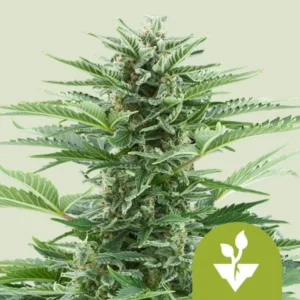
Easy Bud Auto

|
THC | 12% - 13% (Low) |

|
Lineage | White Indica x Ruderalis |

|
Type | Autoflowering |

|
Height | 2.95 ft | 0.9 m |

|
Yield | Low |

|
Yield Indoor | 0.9 - 1.07 oz/ft² | 275 - 325 g/m² |

|
Yield Outdoor | 1.06 - 2.82 oz/plant | 30 - 80 g/plant |

|
Life Cycle | 9 - 10 weeks |

|
Phenotype | 55% Indica / 15% Sativa / 30% Ruderalis |

|
Effects | Relaxed |

|
Flavors | Citrus, Herbal |
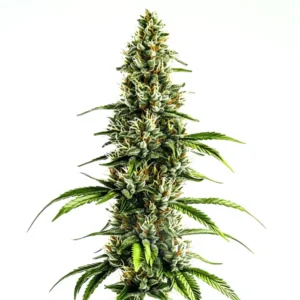
Chocolopez
|
|
THC | 18% - 20% (Medium) |
|
|
Lineage | OG Chocolate Thai x Cannalope Haze |
|
|
Type | Feminized |
|
|
Height | 9.84 ft | 3 m |
|
|
Yield | High |
|
|
Yield Indoor | 1.31 - 1.8 oz/ft² | 400 - 550 g/m² |
|
|
Yield Outdoor | 22.93 - 26.46 oz/plant | 650 - 750 g/plant |
|
|
Flowering Time | 8 - 10 weeks |
|
|
Phenotype | 30% Indica / 70% Sativa |

|
Medical | Anxiety, Depression, Insomnia |
|
|
Effects | Happy, Relaxed, Talkative |
|
|
Flavors | Fruity, Herbal |
| Easy Bud Auto Grow Info | Current specification |
|---|---|
| Breeder | Royal Queen Seeds |
| Genetics | White Indica × Ruderalis |
| Seed type | Autoflowering |
| Indica / Sativa / Ruderalis | 55% / 15% / 30% |
| THC | Up to 12% |
| CBD | Low |
| Flowering time | 35–45 days |
| Total lifecycle | 65–70 days after germination |
| Indoor height | 50–60 cm |
| Outdoor height | 60–110 cm |
| Indoor yield | 275–325 g/m² |
| Outdoor yield | 30–80 g/plant |
| Climate classification | Long Summers |
| Flavor | Citrus, Herbal |
| Reported effect | Physically Relaxing |
Easy Bud Auto Genetics
Easy Bud Auto combines White Indica with Ruderalis to create a compact autoflowering cultivar.
Royal Queen Seeds publishes its genetic composition as 55% Indica, 15% Sativa and 30% Ruderalis. The Ruderalis contribution provides the automatic flowering trait, allowing plants to transition into bloom according to age and development rather than a change in photoperiod.
The strong Indica influence also contributes to the plant’s low, compact structure.
Easy Bud is closely related in concept to other small RQS autoflowers but remains its own cultivar with specific height, yield and lifecycle data.
Growers interested in other genetics from the same breeder can browse the Royal Queen Seeds collection.
Easy Bud or Easy Bud Auto?
Royal Queen Seeds officially markets the cultivar as Easy Bud, while Growlantis uses the name Easy Bud Auto to make its autoflowering behavior immediately clear.
They refer to the same Royal Queen Seeds cultivar covered in this guide.
The “Auto” label is useful because it distinguishes Easy Bud from photoperiod strains and clarifies that flowering begins automatically.
This also explains why searches for Easy Bud, Easybud, Easy Bud Auto and Easy Bud Autoflower can all refer to the same seed line.
Is Easy Bud Indica or Sativa?
Easy Bud is an indica-dominant autoflower.
Royal Queen Seeds publishes a genetic composition of 55% Indica, 15% Sativa and 30% Ruderalis.
The strong Indica contribution is reflected in the plant’s short stature and compact growth, while the Ruderalis genetics are responsible for automatic flowering.
The breeder describes the reported effect primarily as physically relaxing rather than strongly cerebral.
The percentages describe the commercial seed line itself. Individual plants can still show some variation in structure and growth while remaining within the overall Easy Bud profile.
How Much THC Does Easy Bud Auto Have?
Royal Queen Seeds currently lists Easy Bud at up to 12% THC.
This moderate potency is one of the strain’s defining characteristics and separates it from many modern autoflowers bred primarily for very high THC.
The wording “up to” is important. Twelve percent represents the breeder’s published potency potential rather than a guaranteed laboratory result from every plant.
Phenotype, light, plant health, harvest maturity and post-harvest handling can all affect measured cannabinoid concentration.
Older Growlantis ranges of 12–13% or 15–22% should not replace the current breeder specification.
Easy Bud Auto Flavor and Aroma
Easy Bud combines citrus and herbal flavors.
Royal Queen Seeds describes sweeter lemon characteristics alongside herbaceous and Skunk-like notes that become increasingly noticeable as flowers mature.
The resulting profile is relatively simple compared with heavily dessert-oriented modern hybrids, but that straightforward citrus-and-herbal character is part of Easy Bud’s established identity.
A general grow guide does not need to assign one universal dominant-terpene hierarchy to the cultivar. The current breeder specification provides stronger support for the documented flavor profile than for presenting individual terpenes as guaranteed dominant compounds.
How Long Does Easy Bud Auto Take to Grow?
Easy Bud has a complete breeder-listed lifecycle of approximately 65–70 days from germination to harvest.
That works out to roughly nine to ten weeks in total.
This is the entire autoflower lifecycle, not a vegetative period followed by another nine or ten weeks of flowering.
Royal Queen Seeds separately lists approximately 35–45 days of flowering within that total cycle.
Easy Bud develops continuously from seedling growth into automatic pre-flower, flowering and maturity. Individual plants can vary somewhat, but 65–70 days is the most precise current planning reference for the commercial seed line.
Easy Bud Auto Flowering Time
Royal Queen Seeds currently lists Easy Bud at approximately 35–45 days of flowering.
This figure needs to be distinguished from the total 65–70 day seed-to-harvest lifecycle.
Flowering begins automatically as the plant reaches the appropriate developmental stage. Growers do not need to wait for a specific week and then trigger bloom by changing the light schedule.
The 35–45 day flowering range therefore forms part of the complete lifecycle rather than being added after a separate grower-controlled vegetative phase.
Use both specifications together when planning the crop.
Does Easy Bud Auto Need a 12/12 Light Cycle?
No. Easy Bud Auto does not require a 12/12 light schedule to start flowering.
Its Ruderalis genetics allow the plant to transition automatically according to age and development.
There is therefore no reason to reach week seven and then change the photoperiod to trigger flowering.
An autoflower-appropriate light schedule can remain in place throughout the grow.
This distinction is particularly important for Easy Bud because its entire lifecycle lasts only 65–70 days. By the seventh week, the plant should already be well into flowering rather than just beginning the transition.
Easy Bud Auto Height and Plant Structure
Easy Bud is one of Royal Queen Seeds’ more compact autoflowers.
Indoors, plants generally reach approximately 50–60 cm. Outdoors, the breeder lists a broader range of approximately 60–110 cm.
These environment-specific measurements are much more useful than describing Easy Bud with one universal 0.9 m height.
Its naturally short stature makes the cultivar particularly suitable for small tents, discreet indoor setups and other spaces where vertical clearance is limited.
Final size still depends on root volume, light, plant health and outdoor conditions, but even untrained plants remain relatively small compared with many modern autoflowers.
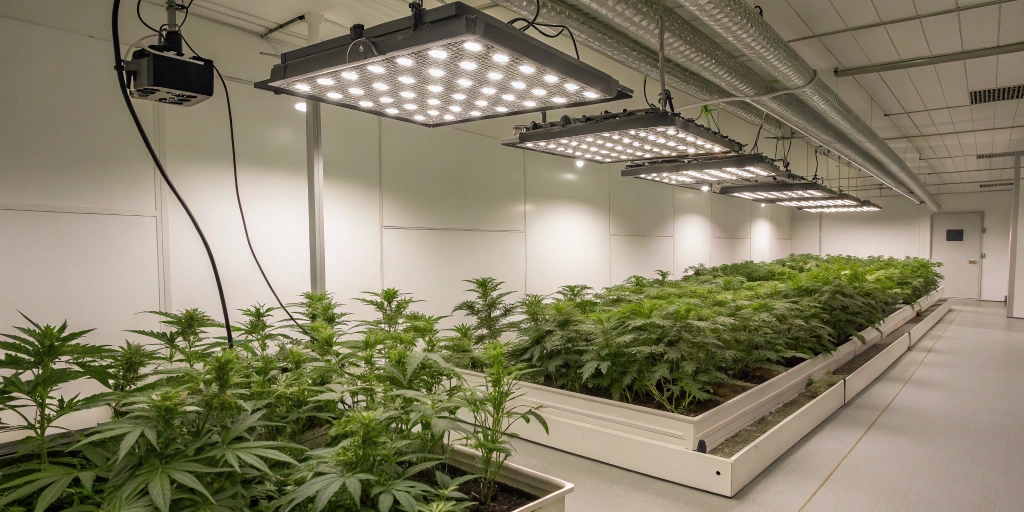
Growing Easy Bud Auto Indoors
Easy Bud currently produces approximately 275–325 g/m² indoors.
Its 50–60 cm indoor height is particularly useful where vertical space is limited. The compact structure also reduces the amount of canopy management required compared with taller autoflowers.
Because the complete lifecycle lasts only around 65–70 days, early plant health matters. Severe overwatering, root disturbance or excessive fertilizer concentration can consume a meaningful part of the available development time.
Focus on establishing healthy roots, providing useful light coverage and allowing the plant to progress through its automatic lifecycle without unnecessary stress.
The strain’s appeal lies in simplicity rather than in requiring an elaborate indoor training or feeding program.
Growing Easy Bud Auto Outdoors
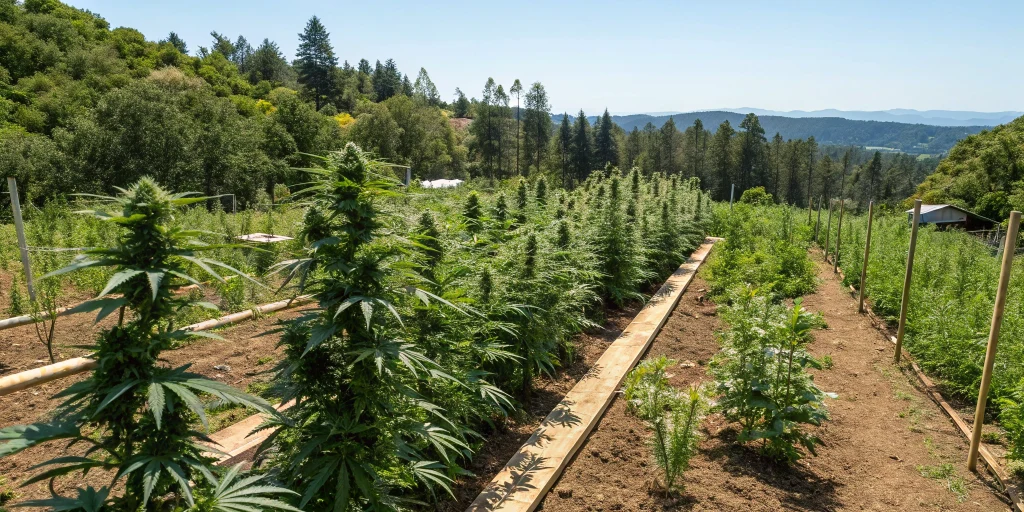
Outdoors, Easy Bud reaches approximately 60–110 cm and produces around 30–80 g per plant according to Royal Queen Seeds.
The breeder places the cultivar in its Long Summers climate category.
Because flowering occurs automatically, outdoor plants do not need to wait for shorter autumn days before entering bloom. The complete 65–70 day lifecycle allows growers to position the crop within a suitable part of the outdoor season.
Final size and yield still depend on sunlight, root space, weather and early plant health.
The upper figures should therefore be treated as breeder-listed potential rather than guaranteed results from every outdoor plant.
Easy Bud Auto Yield
Current breeder data lists Easy Bud at approximately 275–325 g/m² indoors and 30–80 g per plant outdoors.
These are modest yields compared with larger modern autoflowers, but they need to be considered alongside the cultivar’s very compact structure and short 65–70 day lifecycle.
Indoor production is expressed by canopy area because several plants can share the same grow space. Outdoor production is measured per plant because root and canopy space vary considerably.
Neither range is guaranteed. Light, root development, plant health and environmental conditions influence the final result even with a cultivar bred for straightforward cultivation.
How to Germinate Easy Bud Auto Seeds
Easy Bud does not require an unusual strain-specific germination method.
Seeds need stable warmth, consistent moisture and access to oxygen without remaining permanently saturated. Once a taproot develops, the seed should be transferred carefully into a suitable growing medium with minimal disturbance.
Because Easy Bud completes its entire lifecycle relatively quickly, avoiding unnecessary stress during establishment is useful.
Early watering should reflect the small size of the new root system rather than the requirements of a mature plant.
For more detailed information on moisture and temperature during establishment, see the cannabis seed germination guide.
Early Growth and Automatic Flowering
Easy Bud should not be divided into a long grower-controlled vegetative period followed by flowering triggered on command.
Early development focuses on roots, leaves and the compact plant structure. Once the plant reaches sufficient age and development, it moves naturally toward pre-flower and bloom.
No 12/12 switch is required.
The short overall lifecycle makes consistent early growth more important than following a rigid week-by-week calendar. Avoid chronic overwatering, excessive fertilizer concentration and unnecessary root disturbance while the plant establishes itself.
Use the plant’s actual development together with the breeder’s 65–70 day total-cycle reference instead of forcing every specimen into an artificial twelve-week schedule.
Training Easy Bud Auto
Easy Bud naturally stays very small, so extensive training is rarely necessary.
Where horizontal space is available but vertical clearance is extremely limited, gentle early low-stress training can reposition branches and keep the canopy even lower.
Training should remain mild because the total lifecycle is only around 65–70 days. Any technique that causes a significant setback leaves relatively little time for recovery.
Topping or other high-stress methods should not be treated as requirements for reaching the breeder’s yield specifications.
For most growers, allowing Easy Bud to maintain its naturally compact structure while making only minor adjustments where needed is the simplest approach.
Feeding Easy Bud Auto
Easy Bud does not require one universal strain-specific nutrient formula.
Nutrition should be matched to the growing medium, fertilizer system, water quality, root volume, plant size and actual response.
There is no need to automatically use a nitrogen-heavy formula during early growth and then aggressively increase phosphorus and potassium as flowering develops.
Likewise, bloom supplements should not be presented as requirements for producing healthy flowers.
The short lifecycle favors gradual adjustments because a serious nutrient problem can consume a significant part of the plant’s available development time.
Use visible growth and actual symptoms as feedback rather than following a rigid Easy Bud feeding calendar.
Watering Easy Bud Auto
Easy Bud’s small stature does not mean it should follow one fixed watering schedule.
A young seedling with a limited root system requires much less water than a mature flowering plant. Pot size, growing medium, environmental conditions and plant development all influence how quickly the root zone dries.
Avoid leaving the substrate permanently saturated, particularly during early growth.
In containers, moisture level and pot weight can help indicate when irrigation is genuinely needed.
The autoflower watering guide explains how irrigation demand changes throughout an automatic plant’s rapid lifecycle.
Airflow and Flower Development
Easy Bud’s compact size makes canopy management relatively simple, but flowering plants still benefit from even airflow.
The objective is gentle circulation around and through the plant rather than excessive wind directed at individual branches.
As flowers develop, local moisture conditions inside plant material can differ from the value shown by a room sensor.
Reasonable spacing, clean growing conditions and removal of dead material help reduce unnecessary microbial pressure.
The guide to microbial risk in cannabis growing explains why persistent moisture, flower structure and poor circulation can interact even when a cultivar is otherwise considered easy to grow.
Common Easy Bud Auto Growing Problems
The most important avoidable mistake is treating Easy Bud like a photoperiod strain. It does not require a week-seven switch to 12/12.
A second issue is relying on outdated specifications. Royal Queen Seeds currently publishes up to 12% THC, 35–45 days of flowering and 65–70 days from germination to harvest.
Overwatering can also slow root development during a lifecycle that leaves relatively little time for recovery.
Finally, avoid unnecessary complexity. Easy Bud was bred around compact growth and straightforward cultivation. A large number of supplements, aggressive training techniques or rigid weekly interventions are not required simply because the plant is autoflowering.
When to Harvest Easy Bud Auto
Royal Queen Seeds currently gives Easy Bud an expected harvest window of approximately 65–70 days after germination.
Use this timing as the primary planning reference while assessing the maturity of the individual plant.
The breeder also lists 35–45 days of flowering, which should fit inside that overall lifecycle rather than being added after it.
As harvest approaches, inspect actual flower development and trichome maturity instead of cutting automatically on one exact calendar day.
Drying and curing begin after harvest and should remain separate from the plant’s 65–70 day lifecycle.
Easy Bud Auto Effects
Royal Queen Seeds describes Easy Bud as producing a physically relaxing reported effect.
With up to 12% THC, the strain sits at a much more moderate potency level than many modern autoflowers.
The breeder describes the experience as mild enough to enjoy the cultivar’s characteristics without extremely intense psychoactivity.
These descriptions remain subjective rather than guaranteed effects. Dose, tolerance and the complete chemical composition of an individual harvest can all influence the experience.
The most accurate general description is therefore mild and physically relaxing rather than strongly energetic, highly creative or intensely cerebral.
Easy Bud Auto FAQs
How long does Easy Bud Auto take from seed to harvest?
Royal Queen Seeds currently lists Easy Bud at approximately 65–70 days from germination to harvest. That is the complete autoflower lifecycle, not an additional flowering period after vegetation. The breeder separately lists around 35–45 days of flowering within that total cycle, although individual plants can finish slightly differently.
How much THC does Easy Bud Auto have?
Royal Queen Seeds currently lists Easy Bud at up to 12% THC. Growlantis still shows 12–13% in its product card and 15–22% in the old grow guide, so those figures should be corrected. The breeder specification describes potency potential, and individual harvests can still test somewhat differently.
How tall does Easy Bud Auto grow?
Easy Bud stays very compact indoors, where Royal Queen Seeds lists a height of approximately 50–60 cm. Outdoors, plants can reach around 60–110 cm. These environment-specific ranges are more useful than Growlantis’ current universal 0.9 m figure, because root space, sunlight and growing conditions can change final size.
How much does Easy Bud Auto yield?
Current breeder data lists Easy Bud at approximately 275–325 g/m² indoors and 30–80 g per plant outdoors. These figures describe production potential rather than guaranteed harvests. Light, root space, plant health and outdoor conditions influence the final result, even with a compact beginner-friendly autoflower such as Easy Bud.
Does Easy Bud Auto need a 12/12 light cycle?
No. Easy Bud is an autoflower and does not require a 12/12 light-cycle switch to begin flowering. The current Growlantis week-seven instruction should be removed. Flowering starts automatically according to age and development, so growers can keep an autoflower-appropriate schedule instead of using 12/12 as a trigger.
Is Easy Bud Indica or Sativa?
Easy Bud is indica dominant. Royal Queen Seeds currently publishes a genetic composition of 55% Indica, 15% Sativa and 30% Ruderalis. The Ruderalis component provides the automatic flowering trait, while the overall plant remains short and compact. RQS describes the reported effect primarily as physically relaxing rather than strongly cerebral.