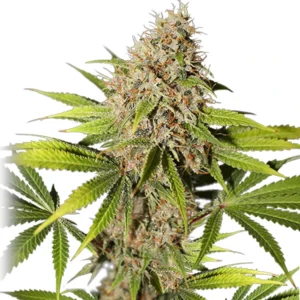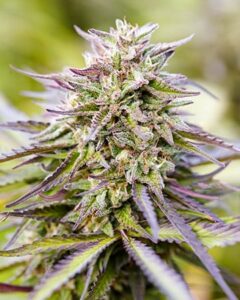

Kiss by Kannabia Seeds is a classic cheese strain for growers who want big, easy harvests. Inspired by British Cheese and built from Cheese x Afghan, it blends a rich, earthy, spicy cheese flavor with Afghan resilience and a relaxing effect. It is a feminized, indica-dominant photoperiod plant at a comfortable 21-22% THC that yields heavily, up to 800 g per plant outdoors, and asks for minimal care, making it a dependable workhorse.
This is a feminized photoperiod strain, not an autoflower, so it flowers when you shorten the light cycle and gives you full control over veg length, training, and cloning. The figures below are Kannabia’s breeder values; check your own pack for the exact numbers.
Recommended Strains
Kiss Strain

|
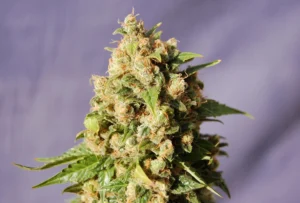
THC | 21% - 22% (Medium) |

|
Lineage | Cheese x Afghan |

|
Type | Feminized |

|
Height | 5.74 ft | 1.75 m |

|
Yield | High |

|
Yield Indoor | 1.8 oz/ft² | 550 g/m² |

|
Yield Outdoor | 28.22 oz/plant | 800 g/plant |

|
Flowering Time | 8 - 9 weeks |

|
Phenotype | 70% Indica / 30% Sativa |

|
Effects | Relaxed |

|
Flavors | Spicy, Earthy |
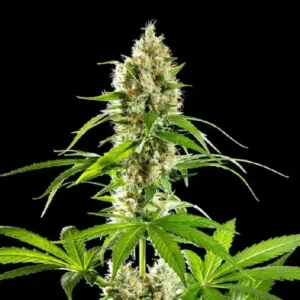
Auto Desfran
|
|
THC | 17% - 19% (Medium) |
|
|
Lineage | Auto Daiquiri Lime x Desfrán |
|
|
Type | Autoflowering |
|
|
Height | 4.27 ft | 1.3 m |
|
|
Yield | High |
|
|
Yield Indoor | 1.47 - 1.64 oz/ft² | 450 - 500 g/m² |
|
|
Life Cycle | 13 - 14 weeks |
|
|
Phenotype | 30% Indica / 70% Sativa |
|
|
Effects | Uplifted, Energetic, Focused |
|
|
Flavors | Skunk, Tropical, Sour |
Kiss Grow Info
| Trait | Kiss (Kannabia) |
| Genetics | Cheese x Afghan |
| Seed type | Feminized photoperiod |
| Genetic profile | 70% indica / 30% sativa |
| THC | 21-22% (medium-high) |
| Flowering time | 8-9 weeks |
| Height | Around 1.75 m |
| Indoor yield | High, around 550 g/m² |
| Outdoor yield | High, around 800 g per plant |
| Effects | Relaxed |
| Flavor | Cheese, earthy, spicy |
These are Kannabia’s published figures for the Kiss line at Growlantis. When you need an exact THC percentage, height, or yield, check the specification on your own Kiss seed pack.
What Makes Kiss Worth Growing
Kiss is a dependable cheese classic. Its Cheese parent brings the unmistakable rich, tangy, earthy cheese flavor that has a loyal following, while the Afghan side adds resilience, resin, and a relaxing body effect. At 21-22% THC, it delivers a solid, tranquil high without being overwhelming, and the earthy, spicy profile is satisfying and distinctive.
For the grower, the appeal is easy productivity. It is resilient across indoor and outdoor setups, forgiving of minimal care, finishes in 8-9 weeks, and yields a high 550 g/m² indoors or up to 800 g per plant outdoors. For anyone who wants a big, reliable cheese harvest without fuss, it is an excellent choice.
Is Kiss Indica or Sativa?
Kiss is indica dominant, listed at 70% indica and 30% sativa, from Cheese crossed with Afghan.
That indica dominance, anchored by the Afghan parent, gives it a relaxing, calming, tranquil effect and a sturdy, resinous structure. It is a strain for unwinding rather than daytime energy, and the Afghan genetics also make it hardy and easy to grow, a classic easygoing indica.
Flowering Time vs Full Grow Time
Because Kiss is a photoperiod strain, these two numbers are separate, and mixing them up is the most common planning mistake.
- Flowering time: 8-9 weeks. This is the bloom stage, which starts only when you switch the lights to 12/12 indoors (or when days shorten outdoors). It is a quick, convenient flower.
- Full grow time (seed to harvest): flowering plus however long you veg. Indoors, a typical grow runs around 4 to 5 months from seed, depending on veg length.
The practical point: you control the total time by choosing your veg length, and the quick flower keeps the cycle efficient. Outdoors, expect to finish around early to mid October.
Does Kiss Need a 12/12 Light Cycle?
Yes. Kiss is a photoperiod strain, so indoors it needs a 12/12 light cycle (12 hours on, 12 hours off) to start and maintain flowering.
Keep it on a long veg schedule, usually 18/6, for as long as you want it to grow, then flip to 12/12 when it has the size and shape you want. Account for the stretch and flip while it is under your height limit. Outdoors, shortening late-summer days trigger flowering naturally.
Kiss Grow Timeline, Week by Week
Treat this as a development pattern, not a fixed schedule, since veg length is up to you.
- Weeks 1-2: germination and seedling. The taproot and first true leaves establish. Keep humidity up and feeding minimal.
- Weeks 3-5: vegetative growth (your choice). The plant builds its frame under 18/6. This is when you top and train.
- Week 0 of flower: the flip. Switch to 12/12. Expect a moderate stretch.
- Weeks 1-3 of flower: stretch and bud set. Vertical growth finishes and flower sites form.
- Weeks 4-7 of flower: bud development. Dense buds fill out and the earthy cheese aroma builds.
- Weeks 8-9 of flower: ripening and harvest. Judge by trichomes, not the calendar.
Choosing Your Setup: Space, Light and Pots
Kiss reaches around 1.75 m with a moderate stretch, so flip to 12/12 while it is comfortably under your height limit. Low stress training or a SCROG net keeps the canopy even and lifts the high yield.
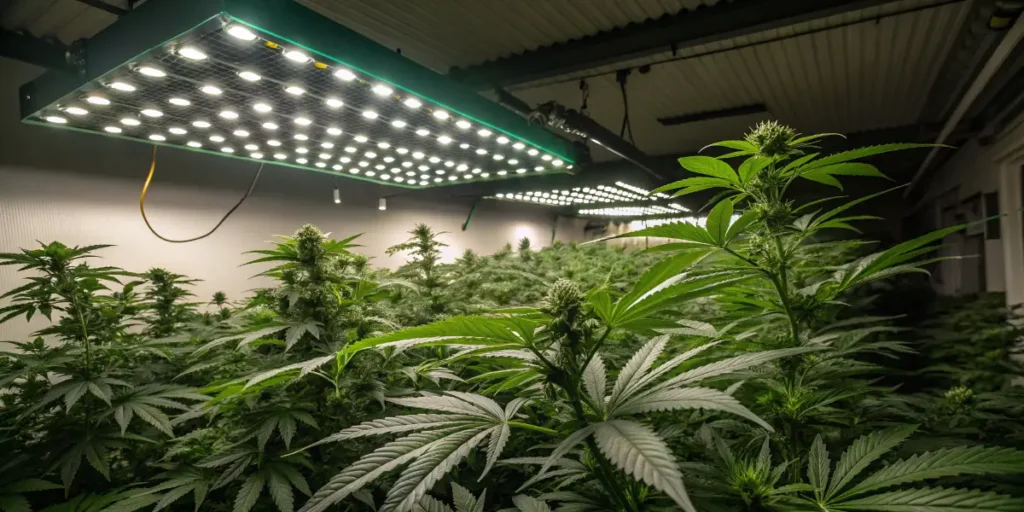
Give it good light to back the yield. A full-spectrum LED at 30-40 watts per square foot over the flowering canopy keeps the buds dense. Add a good inline exhaust fan and a carbon filter, since the pungent cheese aroma is strong in flower.
For pots, 3-5 gallon containers suit most indoor grows, scaled to veg time and plant size. Fabric pots improve root airflow and help prevent overwatering.
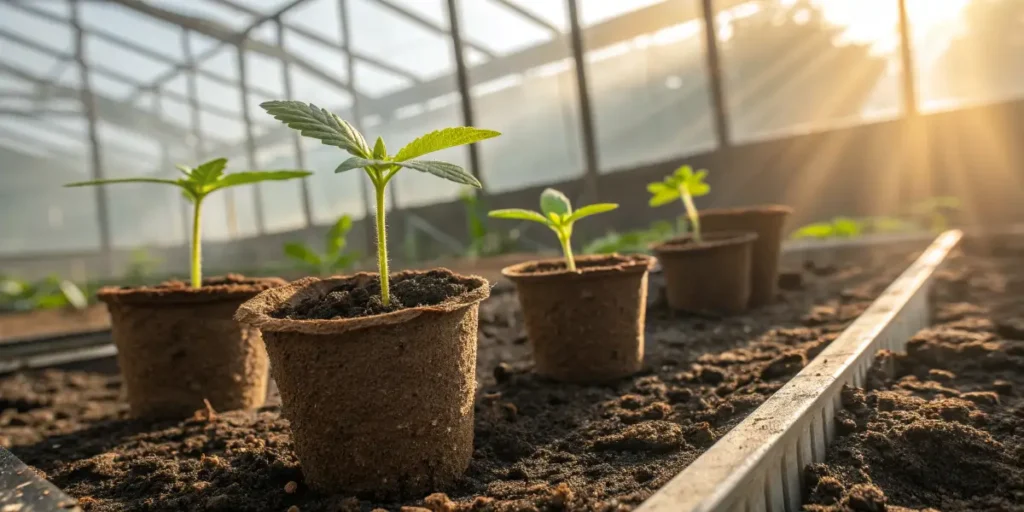
Germinating and Raising Seedlings
The paper towel method is the simple, reliable start. Soak the seeds for 12-24 hours, then place them between damp paper towels on a covered plate, kept dark and warm at 70-85°F (21-29°C). A taproot usually appears within two to three days.
When the taproot reaches about 1-2 cm, plant it root-down a knuckle deep in a light mix and keep the surface moist until the seedling emerges. Hold off on nutrients at this stage. New to growing? Our beginner growing guides cover germination step by step.
The Vegetative Stage, Topping and Training
Veg is where you shape a photoperiod plant, and Kiss’s sturdy, resilient frame takes training well. Keep it under 18/6 with a nitrogen-rich feed and build a strong, even base before you flower.
Topping the main stem early encourages multiple colas and a wider, flatter canopy, which spreads the heavy yield. Combine it with low stress training or a SCROG net to open the canopy and get light to all the bud sites. Its hardy Afghan genetics tolerate training well. Finish before the flip, and you can clone a plant you like before flowering.
Feeding and Watering Kiss
Feed to the stage. Use a nitrogen-forward base through veg, then move to a bloom formula higher in phosphorus and potassium once you flip to 12/12 and buds form. Kiss is a hardy, forgiving feeder, so start moderate and increase based on how the plant responds rather than overfeeding.
Water by root-zone moisture, not a timetable. Let the top inch or two of medium dry between waterings, then water thoroughly until a little drains. Fabric pots and this water-to-weight habit keep the roots healthy and prevent overwatering.
Flowering and Knowing When to Harvest
Once you flip to 12/12, expect a moderate stretch, then dense buds fill out over the 8-9 week bloom. The rich, earthy, spicy cheese aroma develops and gets pungent, so keep air moving and run a carbon filter indoors, since cheese strains are famously smelly.
Let ripeness, not the calendar, decide the harvest. Check the trichomes under a loupe and cut when most are cloudy with a few turning amber for the fullest, most relaxing effect. After harvest, hang the branches in the dark at about 60°F (15-16°C) and 55-60% humidity for 7-14 days, then cure in sealed jars, burping daily for the first couple of weeks to develop the cheese flavor.
Growing Indoors vs Outdoors
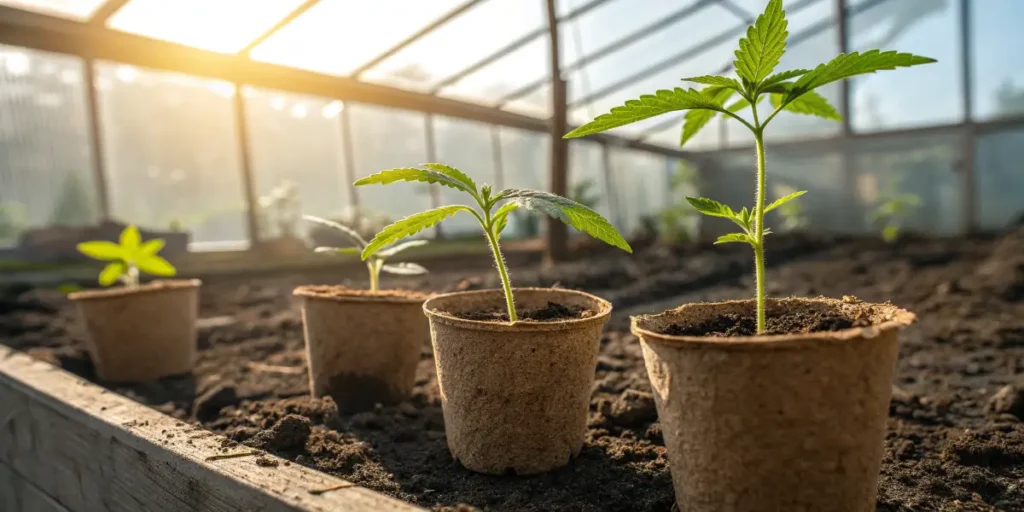
Indoors, Kiss is an easy, productive grow. Hold 18/6 for veg, flip to 12/12, train the canopy open, and the high 550 g/m² yield is very reachable under good light.
Outdoors, its resilient Afghan genetics shine, returning a big 800 g per plant and handling variable weather well, usually finishing around early to mid October. Give it full sun, rich well-draining soil, and strong airflow around the pungent buds. Be mindful that the cheese smell carries outdoors.
How Tall and How Much? Height and Yield
Height is easy to plan for. Kiss reaches around 1.75 m with a moderate stretch, so flip early enough and train to keep the final canopy within your space.
On yield it is a strong producer, listed as high at around 550 g/m² indoors and a big 800 g per plant outdoors. Strong light, a trained canopy, and a healthy root zone are what turn that potential into real weight, and its hardy genetics make those numbers dependable.
Best US Climates for Kiss
Kiss does well in a warm, sunny climate, so growers in California, the Southwest, and warmer Western and Southern states can comfortably take it to an early-to-mid October finish outdoors with its big yields. Its resilience and quick 8-9 week flower also make it workable in cooler, shorter-season states.
Its Afghan toughness helps it handle variable weather, though in the humid Southeast you should keep airflow strong around the dense buds. Its manageable size suits indoor growing anywhere. For more options, browse our full how-to-grow guide library.
Common Problems When Growing Kiss
A few predictable issues are easy to head off, though this is a forgiving strain.
Underestimating the smell
Cheese strains are famously pungent. Run a carbon filter from early flower, especially in a shared or discreet space, since the earthy cheese aroma is strong and carries.
Bud rot in dense indica colas
The dense, resinous buds can trap moisture. Keep humidity moderate in late flower and air moving through the canopy, especially outdoors in a humid climate.
Overfeeding a hardy plant
Kiss’s resilient genetics do not need heavy feeding. Start moderate and increase based on the plant’s response, watching the leaf tips for nutrient burn.
Harvesting by the calendar
The 8-9 week window is a guide, not a cutting date. Read the trichomes and pistils before you cut, since phenotype and environment shift the timing.
Making the Most of Your Harvest
Do not waste the trim. The resinous sugar leaves make good bubble hash, dry sift, or infused oil that keeps the earthy cheese character. The stems, roots, and fan leaves compost well and feed your next grow.
Is Kiss Right for You?
If you want a classic, pungent cheese strain that is resilient, easy, and high-yielding, with a relaxing effect, yes. Its Afghan toughness forgives mistakes, and its big harvests and distinctive cheese flavor make it a reliable, satisfying grow. If you dislike strong smells or want a daytime sativa, look elsewhere. Browse our full how-to-grow guide library for more.
Frequently Asked Questions
Is Kiss indica or sativa?
Kiss is indica dominant, listed at 70% indica and 30% sativa, from Cheese crossed with Afghan. Anchored by the Afghan parent, it gives a relaxing, calming, tranquil effect and a sturdy, resinous structure. It is a strain for unwinding rather than daytime energy, and the Afghan genetics also make it hardy and easy to grow.
Does Kiss need a 12/12 light cycle?
Yes. Kiss is a photoperiod strain, so indoors it needs a 12/12 light cycle to start and maintain flowering. Keep it on 18/6 during veg for as long as you want it to grow, then flip to 12/12 when it has the right size. Outdoors, shortening late-summer days trigger flowering naturally.
How long does Kiss take to grow?
Kiss flowers in a quick 8 to 9 weeks once you switch to 12/12. Total seed-to-harvest time depends on your veg length, usually around 4 to 5 months indoors. Outdoors it finishes around early to mid October. Judge the finish by trichome maturity rather than the calendar, as conditions shift it.
How much does Kiss yield?
Kiss is a high yielder, producing around 550 g/m2 indoors and a big 800 g per plant outdoors. Strong light, a topped or SCROG canopy, and a healthy root zone are what turn that potential into real weight. Its hardy Afghan genetics make those numbers dependable even with fairly minimal care.
What does Kiss taste like?
Kiss has a rich, earthy, spicy cheese flavor, inspired by British Cheese and reinforced by its Afghan side. It is pungent and distinctive rather than sweet. To protect and develop that flavor, run a carbon filter in flower, dry slowly at around 60°F with moderate humidity, and cure in sealed jars, burping daily early on.
Can you clone Kiss?
Yes. As a photoperiod strain, Kiss clones well. Take a cutting from a healthy plant in veg, root it, and keep it under 18/6 light. Cloning lets you preserve a plant you like and run repeatable harvests without buying new seeds each time, which autoflowers cannot do.
Is Kiss good for beginners?
Yes. Its resilient Afghan genetics, forgiving nature, quick 8-9 week flowering, and high yield make it an excellent beginner strain. It needs only minimal care to perform well. The main thing to manage is its strong cheese smell, so run a carbon filter, but otherwise it is a dependable, easygoing grow.