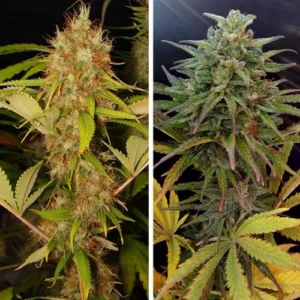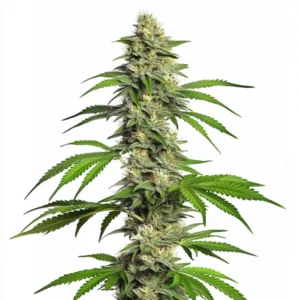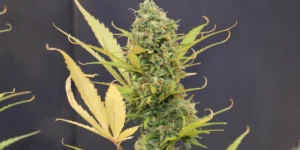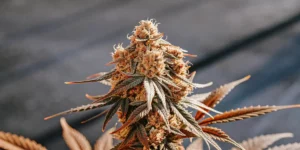
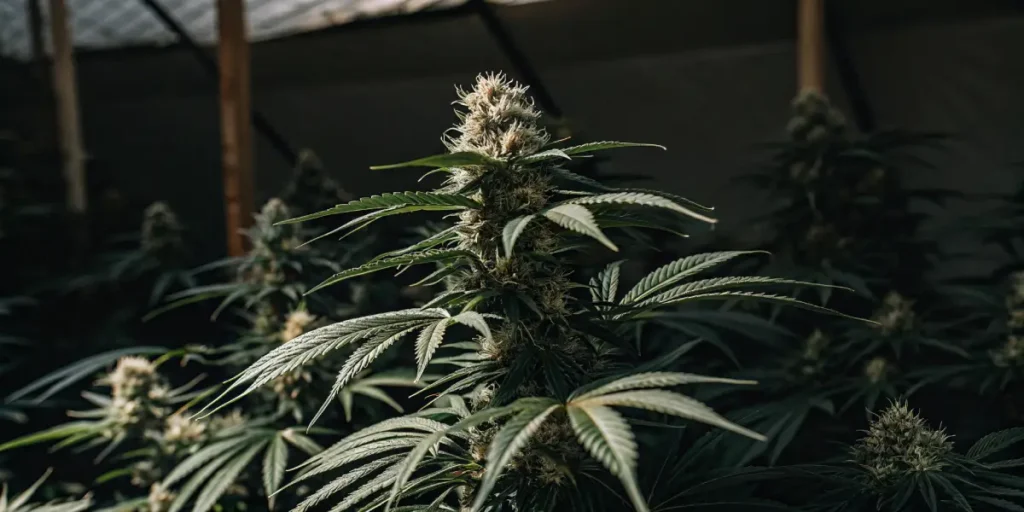

Pamir Gold is a Dutch Passion hybrid with mountain heritage and a hardy, outdoor-friendly nature. Built from a Western Himalayas hybrid, it is a balanced 50/50 strain at 15-20% THC that finishes fast, resists tough conditions, and warms to golden and amber tones as it ripens, which is where the name comes from. It is a reliable, forgiving plant with a sweet, earthy, piney flavor and strong yields.
This is a photoperiod feminized strain, so it flowers when you shorten the light cycle. The figures below are Dutch Passion breeder values; check your own pack for the exact numbers.
Recommended Strains
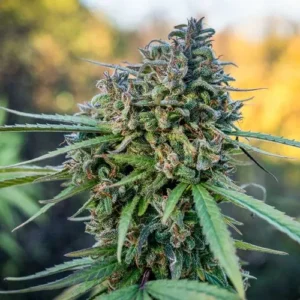
Pamir Gold

|
THC | 15% - 20% (Medium) |

|
Lineage | Western Himalayas Hybrid |

|
Type | Feminized |

|
Height | 5.74 ft | 1.75 m |

|
Yield | High |

|
Yield Indoor | 1.64 oz/ft² | 500 g/m² |

|
Yield Outdoor | 21.16 oz/plant | 600 g/plant |

|
Flowering Time | 7 - 9 weeks |

|
Phenotype | 50% Indica / 50% Sativa |

|
Effects | Giggly, Energetic, Relaxed |

|
Flavors | Pine, Floral, Earthy |
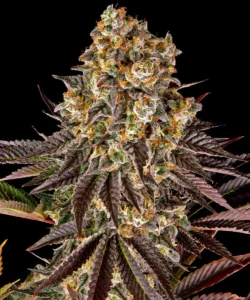
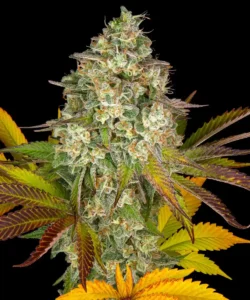
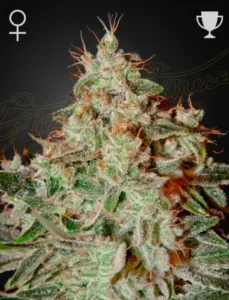
Gelato #45
|
|
THC | 27% - 28% (High) |
|
|
Lineage | Sunset Sherbet x Thin Mint Girl Scout Cookies |
|
|
Type | Feminized |
|
|
Height | 7.05 ft | 2.15 m |
|
|
Yield Outdoor | 52.91 - 70.55 oz/plant | 1500 - 2000 g/plant |
|
|
Flowering Time | 9 - 10 weeks |
|
|
Phenotype | 60% Indica / 40% Sativa |
|
|
Effects | Relaxed, Focused, Uplifted, Euphoric |
|
|
Flavors | Sweet, Mint, Chocolate, Fruity, Berry |
Pamir Gold Grow Info
| Trait | Pamir Gold (Dutch Passion) |
| Genetics | Western Himalayas hybrid |
| Seed type | Feminized (photoperiod) |
| Genetic profile | 50% indica / 50% sativa (balanced) |
| THC | 15-20% (medium) |
| Flowering time | 7-9 weeks |
| Height | Up to 1.75 m, a tall plant |
| Indoor yield | High, up to 500 g/m² |
| Outdoor yield | Up to 600 g per plant |
| Effects | Giggly, energetic, relaxed |
| Flavor | Pine, earthy, floral, sweet-fruity |
These are Dutch Passion’s published figures for the Pamir Gold line at Growlantis. When you need an exact THC percentage, height, or yield, check the specification on your own Pamir Gold seed pack.
What Makes Pamir Gold Worth Growing
Pamir Gold is a hardy outdoor performer with a twist of beauty. Its Himalayan mountain genetics make it tough and adaptable, finishing in a quick 7-9 weeks and standing up to variable weather, while still turning warm golden and amber colors late in flower. For an outdoor grower who wants reliability and good looks, it is a strong, affordable pick.
The effect is balanced and sociable: a giggly, energetic, euphoric lift paired with physical relaxation, good for daytime or easy social use rather than a heavy knockout. Potency is a comfortable 15-20% THC, and yields are high at 500 g/m² indoors and up to 600 g per plant outdoors, so you get a generous harvest from a low-maintenance plant.
Is Pamir Gold Indica or Sativa?
Pamir Gold is a balanced hybrid, listed at 50% indica and 50% sativa, so it sits right in the middle.
That balance shows in the plant and the effect. The plant is tall and vigorous with the hardiness of its mountain heritage, while the high pairs an energetic, giggly head with a relaxed body. It is a flexible all-rounder that works at most times of day rather than a one-note strain.
Flowering Time and Total Grow Time
Because Pamir Gold is a photoperiod strain, two timing numbers matter, and they are not the same.
- Flowering time: 7-9 weeks. This is a short bloom stage, and it starts only when you switch the lights to 12/12 indoors, or the outdoor days shorten in late summer.
- Total grow time (seed to harvest): flowering plus your veg period. Veg length is yours to set, so a typical indoor run from seed lands around 11-14 weeks depending on how long you veg.
The practical point is that the 7-9 week figure is the flowering window, not the whole grow. On a tall plant, veg length is the main lever for final size, so keep it short indoors.
Does Pamir Gold Need a 12/12 Light Cycle?
Yes. Pamir Gold is a photoperiod strain, so indoors it needs a 12/12 light cycle to start flowering. You keep it under a longer schedule, usually 18/6, through veg, then switch to 12 hours on and 12 off to trigger bloom.
Outdoors the season does this for you, with flowering starting as the days shorten in late summer. This is the key difference from an autoflower, which blooms on age no matter the light schedule.
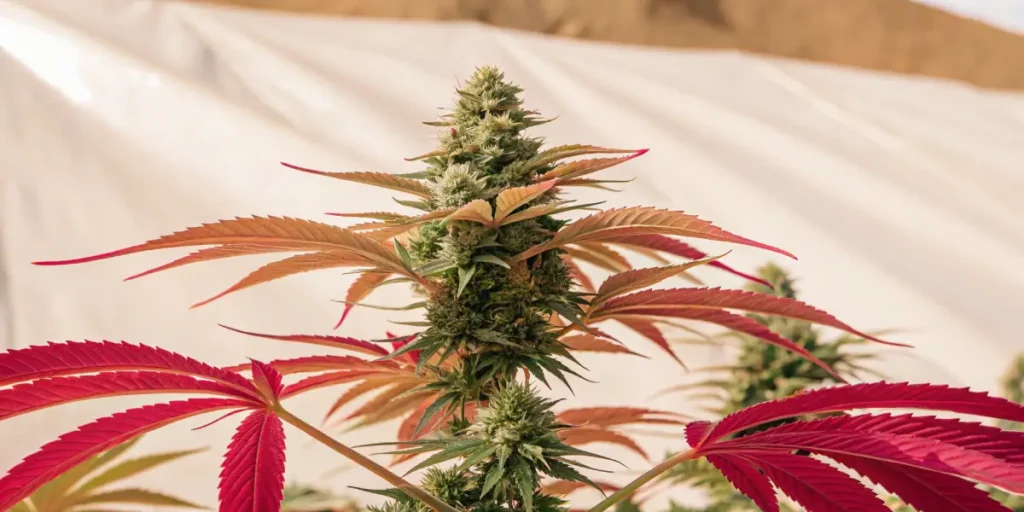
Pamir Gold Grow Timeline, Week by Week
Veg length is up to you, so the flowering weeks are the fixed part. Adjust the start to suit your space.
- Weeks 1-2: germination and seedling. The taproot and first leaves establish. Keep water light and conditions stable.
- Weeks 3-6: vegetative growth. The plant builds height fast. Top it and train early, since it grows tall.
- Flip to 12/12: switch the light cycle when the plant is about two thirds of your target height, to leave room for the stretch.
- Flower weeks 1-3: the stretch and first pistils. Set your supports.
- Flower weeks 4-7: buds fill in and the earthy, piney aroma builds; cool nights start to bring out the golden color.
- Flower weeks 7-9: ripening and harvest. Judge by the trichomes, not the day count.
Choosing Your Setup: Space, Light and Pots
Plan for height. At up to 1.75 m, Pamir Gold wants vertical room indoors, so keep veg short and train, or grow it outdoors where its size is an asset.
Light should be strong and even to fill out the tall frame. A full-spectrum LED at 30-40 watts per square foot over a trained canopy gets the most from its high yield. Keep airflow good through the flowering weeks.
For containers, use 5-7 gallon pots indoors, or larger fabric pots and open ground outdoors where it can reach its full size. As a photoperiod, it transplants fine, so you can pot up as it grows.
Germinating and Raising Seedlings
The paper towel method is the easy, reliable start. Soak the seeds for 12-24 hours, then set them between damp paper towels on a covered plate, kept dark and warm at 70-85°F (21-29°C). A taproot usually shows in two to three days.
When the root reaches about 1-2 cm, plant it root-down a knuckle deep in a light, airy mix and keep the surface moist until it breaks ground. New to germination? Our beginner growing guides walk through it step by step.
The Vegetative Stage and Training
Because Pamir Gold is a photoperiod plant, you can veg as long as you like and use the full training toolkit, which autoflowers cannot handle.
Top it early and use LST or a SCROG net to control the height and spread the canopy, since this is a tall, vigorous strain. Keep nitrogen available through veg, and remember it stretches for two to three weeks after you flip to 12/12, so flip before it reaches your ceiling. Outdoors, let it grow and stake the branches.
Feeding and Watering Pamir Gold
Feed to the plant’s size. A big, vigorous strain can take a full nutrient schedule, but build it up gradually and read the leaves rather than chasing the bottle. Use a nitrogen-forward base through veg, then shift to a bloom formula higher in phosphorus and potassium once you flip to 12/12.
Water by root-zone moisture. A large plant drinks heavily in late veg and flower, so expect demand to climb, and let the top layer dry between waterings to keep oxygen at the roots.
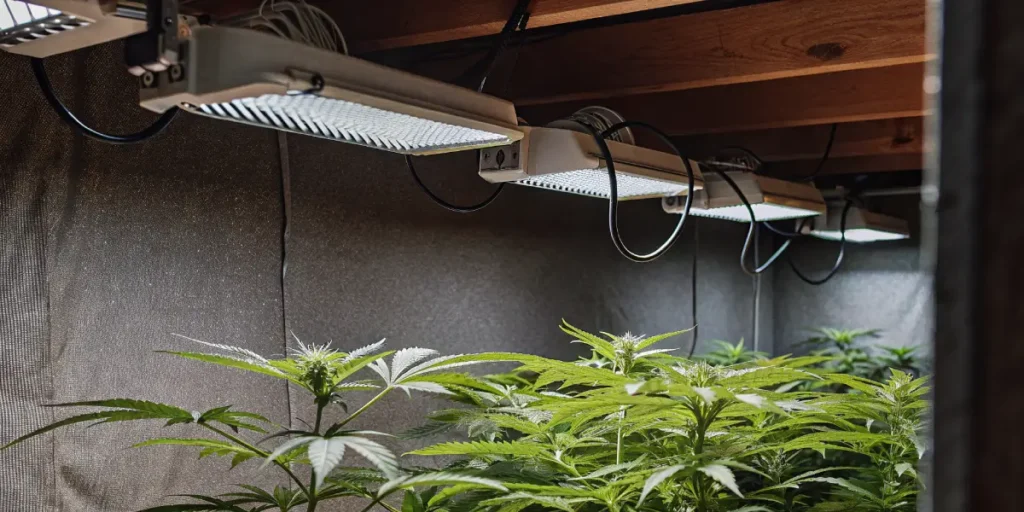
Getting the Golden Color
The warm golden and amber tones are part of Pamir Gold’s appeal, and like most color, they are brought out by temperature. The genetics are there, and the color shows strongest when nighttime temperatures drop in the last two to three weeks of flower.
Aim for a wider day-to-night gap late in bloom, with cooler nights, while keeping days in the normal range. Do not overcool or stress the plant chasing color, since ripeness and health matter more. Outdoor plants often develop their best color naturally as autumn nights cool.
Flowering and Knowing When to Harvest
After the flip, the plant stretches for two to three weeks, then settles into bud production. The earthy, piney, sweet aroma builds through the middle weeks, and the golden tones develop as nights cool. Keep air moving around the colas.
As the 7-9 week window closes, let the trichomes decide. Harvest when most are cloudy with a few amber. After the cut, hang the branches in the dark at about 60°F (15-16°C) and 55-60% humidity for 7-14 days, then cure in jars, burping daily for the first weeks.
Growing Indoors vs Outdoors
Indoors, the main task is managing the height. Keep veg short, flip early, and train into a flat canopy under strong light, and the 500 g/m² indoor yield is reachable.
Outdoors is where Pamir Gold shines. Its hardy mountain genetics handle variable weather, and it returns up to 600 g per plant while developing its best golden color in cool autumn nights. Plant after the last frost, give it full sun and well-drained soil, and let its resilience do the work.
How Tall and How Much? Height and Yield
Height is the planning point. Pamir Gold reaches up to 1.75 m, so give it room outdoors or train and flip early indoors.
Yield is a strong point: up to 500 g/m² indoors and 600 g per plant outdoors. Those are top-end breeder figures, so strong light, canopy management, and healthy roots are what move you toward them. Few hardy outdoor strains yield this well.
Best US Climates for Pamir Gold
Thanks to its Himalayan heritage, Pamir Gold handles cooler, more variable climates better than most. Growers in the Pacific Northwest, the mountain states, and the northern US get a hardy plant that finishes fast and colors up beautifully in cool autumn nights.
It also grows easily in California and the warm West, where strong sun and a long season make it nearly foolproof. In the humid Southeast, keep airflow up late in flower. For another hardy outdoor strain, see our Hollands Hope grow guide.
Common Problems When Growing Pamir Gold
A few predictable issues are easy to avoid.
Running out of vertical space
At up to 1.75 m with a flowering stretch, Pamir Gold overgrows a short tent fast. Keep veg short, flip early, and top plus SCROG to hold a flat canopy indoors.
Expecting color without cool nights
The golden tones are temperature-driven. Without a cooler night period late in flower, the buds may stay green. Widen the day-to-night gap, but do not stress the plant chasing color.
Flipping to 12/12 too late
This tall strain stretches after the flip. Waiting until it is near your light puts the colas into the lamp. Flip at about two thirds of your target height.
Harvesting by the calendar
The 7-9 week window is a guide, not a cutting date. Read the trichomes and wait for mostly cloudy heads before you cut.
Making the Most of Your Harvest
Do not waste the trim. The sugar leaves make good bubble hash, dry sift, or infused oil, and a big outdoor plant leaves plenty. The stems, roots, and fan leaves compost well and feed your next grow.
Is Pamir Gold Right for You?
If you want a hardy, high-yielding outdoor strain that finishes fast and looks striking, yes. Its mountain genetics make it reliable in cooler, tougher climates, and the golden color is a genuine bonus. If you are chasing maximum potency, a modern high-THC hybrid will suit you better. For another hardy outdoor option, see our Hollands Hope grow guide.
Frequently Asked Questions
Is Pamir Gold indica or sativa?
Pamir Gold is a balanced hybrid, listed at 50% indica and 50% sativa, from a Western Himalayas cross. It grows tall and hardy, and the effect pairs a giggly, energetic head with a relaxed body. That balance makes it a flexible all-rounder that works at most times of day rather than a one-sided strain.
Does Pamir Gold need a 12/12 light cycle?
Yes. Pamir Gold is a photoperiod strain, so indoors it needs the light switched to 12/12 to start flowering. You veg it under a longer schedule like 18/6, then flip to 12 hours on and 12 off. Outdoors it flowers naturally as late-summer days shorten.
How long does Pamir Gold take to flower?
Pamir Gold flowers in about 7 to 9 weeks once you switch to 12/12, which is fast. That is the bloom stage only. Total time from seed also includes your veg period, which on a tall plant you often keep short to control size, so plan around flowering plus veg.
Why is it called Pamir Gold, and what color does it turn?
The name reflects the warm golden and amber tones it develops as it ripens, a nod to its Pamir mountain heritage. The color is brought out by cool nights in the last two to three weeks of flower. Outdoor plants finishing in cool autumn nights usually show the best golden color.
How much does Pamir Gold yield?
Pamir Gold is a high yielder, up to 500 g/m2 indoors and 600 g per plant outdoors in good conditions. Those are top-end breeder figures. Strong light, canopy management on a tall plant, and healthy roots move you toward them, and its hardiness helps protect the outdoor harvest.
How tall does Pamir Gold grow?
Pamir Gold is tall, reaching up to about 1.75 m, especially outdoors or with a long veg. Indoors you control the height by vegging less, flipping to 12/12 early, and topping. Expect it to stretch for two to three weeks after the flip, so leave vertical clearance.
Can you clone Pamir Gold?
Yes. As a photoperiod strain, Pamir Gold clones well, unlike autoflowers. Take cuttings from a healthy plant during veg, root them, and keep them under long light until you are ready to flower. Cloning lets you keep a hardy, good-coloring phenotype for your next outdoor run.