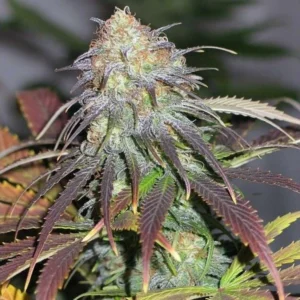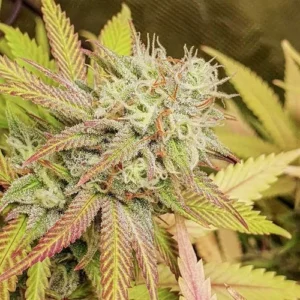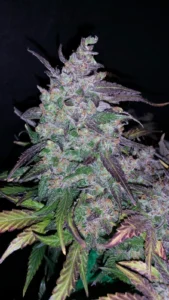
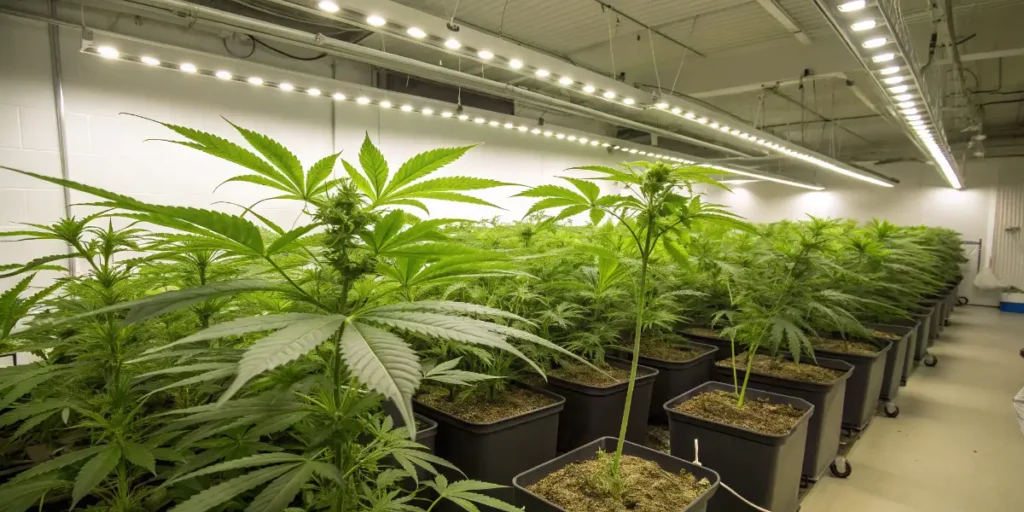

To successfully cultivate Runtz, start by selecting high-quality seeds or clones. This cultivar thrives in a controlled environment with consistent temperature and humidity. It responds well to both indoor and outdoor cultivation. Ensure proper seed germination and early stage care, as this variety is sensitive to overwatering. A balanced nutrient mix will support healthy growth and robust development.
For a fruity spin on Runtz, try Dutch Passion’s Pink Banana Runtz.
Recommended Strains
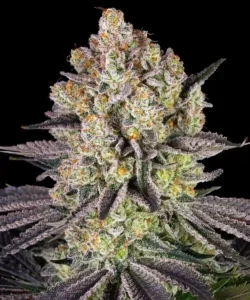
Runtz

|
THC | 28% - 29% (High) |

|
Lineage | Original Z x Gelato Strain |

|
Type | Feminized |

|
Height | 5.41 ft | 1.65 m |

|
Yield Outdoor | 52.91 oz/plant | 1500 g/plant |

|
Flowering Time | 8 - 9 weeks |

|
Phenotype | 50% Indica / 50% Sativa |

|
Effects | Relaxed, Euphoric, Uplifted, Creative |

|
Flavors | Sweet, Candy, Fruity, Skunk, Diesel |
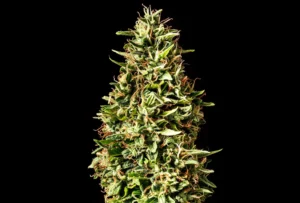
Runtz Auto
|
|
THC | 26% - 27% (High) |
|
|
Lineage | Gelato x Zkittlez x Ruderalis |
|
|
Type | Autoflowering |
|
|
Height | 7.05 ft | 2.15 m |

|
Yield | High |

|
Yield Indoor | 1.47 - 1.64 oz/ft² | 450 - 500 g/m² |
|
|
Yield Outdoor | 3.53 - 5.29 oz/plant | 100 - 150 g/plant |
|
|
Life Cycle | 8 - 9 weeks |
|
|
Phenotype | 50% Indica / 50% Sativa |
|
|
Effects | Balanced |
|
|
Flavors | Earthy, Floral, Sweet |
Once the plant enters the vegetative stage, providing ample light and maintaining ideal environmental conditions is crucial. This strain benefits from practices like topping and training, which promote bushy growth and maximize light exposure. Implementing these techniques can significantly improve both the yield and the bud development in this genetics. Regular monitoring helps in early identification and management of any potential pest or disease issues.
During the flowering phase, which typically lasts 8-9 weeks, it’s essential to adjust nutrients to boost terpene production and enhance the quality of the buds. As Runtz reaches maturity, closely monitor the trichomes to determine the optimal harvest time. Proper drying and curing processes are vital to preserving its unique flavor profile and maintaining the potency of the terpenes. Attention to these details ensures a premium quality end product.
Runtz Strain Overview: Traits, Effects & Genetics
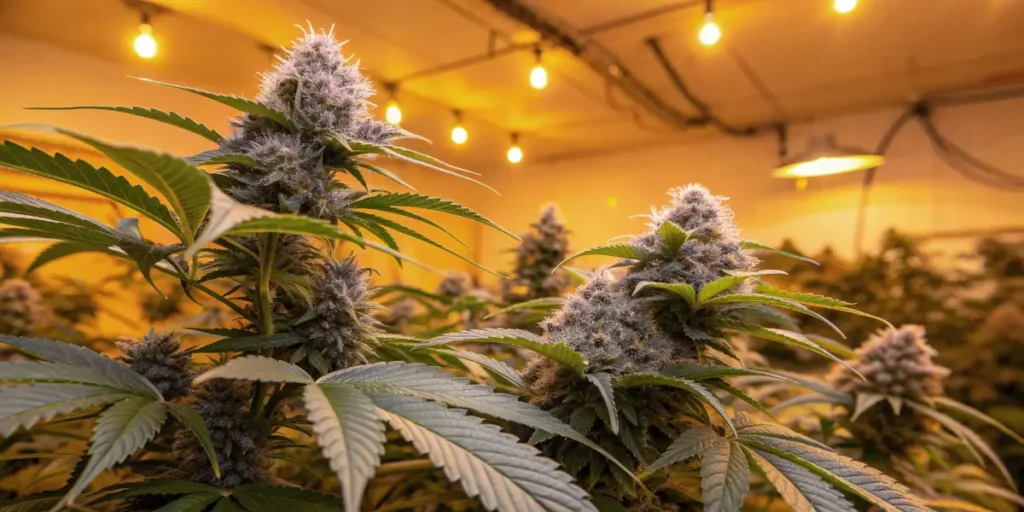
This strain is renowned among cannabis enthusiasts for its balanced blend of impactful effects and favorable cultivation traits. The plant’s buds are typically dense and coated with a generous layer of trichomes, showcasing its potent nature. Growers appreciate its vibrant appearance and the unique terpene profile that contributes to its unforgettable aroma and flavor, making it a standout choice.
Characterized by a vibrant mix of colorful hues, this variety’s visual appeal is matched by its robust flavor profile. The combination of sweet and fruity notes often leaves a lasting impression on those who experience it. With a lineage rooted in Gelato and Zkittlez, the genetics of this cultivar provide stability, making it a viable choice for growers seeking consistent quality and yield.
When it comes to effects, the plant offers a balanced experience, blending the calming attributes of an indica with the uplifting features of a sativa. Users report feelings of euphoria and relaxation, making it suitable for unwinding after a long day. This cultivar is popular for both recreational and medicinal purposes, offering potential relief from stress and anxiety.
In terms of cultivation, this genus requires moderate growing skills, thriving in both indoor and outdoor settings. With a flowering time of around 8-9 weeks and a reasonable yield, it is an attractive choice for cultivators. The demand for Runtz has grown as more people discover its unique attributes, ensuring its place among top cannabis strains.
Optimal Environment to Grow Runtz Successfully
To cultivate this strain effectively, it is crucial to provide a warm and stable climate. This variety thrives in temperatures ranging from 70 to 80 degrees Fahrenheit. Humidity levels should be monitored closely, ideally maintaining around 40% to 50% during the flowering stage. This will ensure the buds develop fully and retain their aroma without the risks of mold.
Lighting plays a significant role in the growth of this plant. Growers should aim to provide a minimum of 18 hours of light during the vegetative stage, decreasing to 12 hours during flowering to mimic its natural cycle. Utilizing LED or HID lights can enhance terpene production, contributing to the rich aroma and potency that defines this cultivar.
This variety demands well-aerated, nutrient-rich soil or a hydroponic setup for optimal growth. If using soil, ensure it has adequate drainage and is mixed with organic compost. A balanced nutrient regimen including nitrogen, phosphorus, and potassium is vital for achieving a bountiful harvest and enhancing the yield quality of this genetics.
As Runtz approaches harvest, carefully monitor its trichomes, which should shift from clear to milky white, before turning amber. This transition indicates peak terpene levels and potency, signaling the right time to harvest. By paying attention to these cues, growers can maximize the quality and quantity of the plant’s yields, making all prior cultivation efforts worthwhile.
Grow Room Setup for Runtz Plants
Creating the ideal environment is crucial for cultivating this strain. The room should have a consistent temperature range between 68-77°F (20-25°C) with relative humidity levels around 40-60%. Proper ventilation is essential to maintain fresh air circulation, which helps in reducing the risk of mold and mildew. These conditions will support the healthy growth of the plant and enhance its terpene profile.
Lighting plays a significant role in the successful cultivation of this variety. Growers should opt for high-quality LED or HID lights, providing 18-24 hours of light during the vegetative stage and 12 hours during the flowering stage. The intensity and spectrum of light can impact both the size and the potency of the buds, thus influencing overall yield.
When setting up a grow room for Runtz, ensure that there is adequate space for the plants to spread and thrive. This cultivar benefits from pruning and training techniques that maximize light exposure and promote air circulation among the branches. Implementing these methods will lead to a more bountiful harvest with high-quality cannabis buds.
Consider the strategic use of nutrients and soil medium specific to cannabis to promote optimal growth and terpene development in this variety. Regular monitoring and adjustments based on the plant’s progress are essential. Keeping a well-organized grow room and maintaining cleanliness can help sustain an environment where the genetics of this cultivar can truly shine.
Indoor Growing Tips for Runtz
To successfully cultivate this strain indoors, focus on creating an optimal environment for the plant’s growth. Maintain temperature levels between 70-80°F and ensure humidity levels are around 40-50%. Proper ventilation is crucial for preventing mold and pests, so utilize inline fans and carbon filters to keep the air circulating and fresh, thereby enhancing the quality of your cannabis buds.
Lighting is another vital element in the cultivation of this variety. Employ full-spectrum LED lights to mimic natural sunlight, promoting healthy growth and robust bud development. Adjust the light cycle to 18 hours on and 6 hours off during the vegetative stage, then switch to 12 hours on and 12 hours off for flowering. This approach maximizes the yield while enhancing the terpenes profile.
Nutrition plays a significant role in obtaining high-quality harvests from this cultivar. Implement a balanced feeding schedule that includes essential macronutrients and micronutrients to support vigorous growth phases. Regularly monitor the pH levels in your growing medium, keeping it within an ideal range of 6.0-6.5. Consistent attention to these details will ensure that the plant thrives and delivers excellent results.
Outdoor Growing Tips for Runtz
When cultivating this strain outdoors, selecting the right location is crucial for optimal growth. This variety thrives in a climate with plenty of sunlight and minimal humidity, promoting healthy buds and terpene development. Ensure that the plant is positioned in a spot that receives direct sunlight for most of the day, which will significantly enhance its yield at harvest time.
It’s essential to monitor local weather conditions as part of the overall cultivation strategy for this genetics. Growers should protect the plant from unexpected heavy rainfall and strong winds, which can damage the buds and reduce overall yield. Using stakes and plant ties can help support this cultivar against environmental challenges, ensuring its structural integrity.
Regular inspection for pests or diseases is critical when growing this variety outdoors. Implementing companion planting strategies or using organic pest control solutions can help safeguard the plant. Healthy soil with rich organic matter and proper nutrients will encourage robust growth and potent buds, maximizing the overall quality and yield of your outdoor crop.
How to Germinate & Propagate Runtz
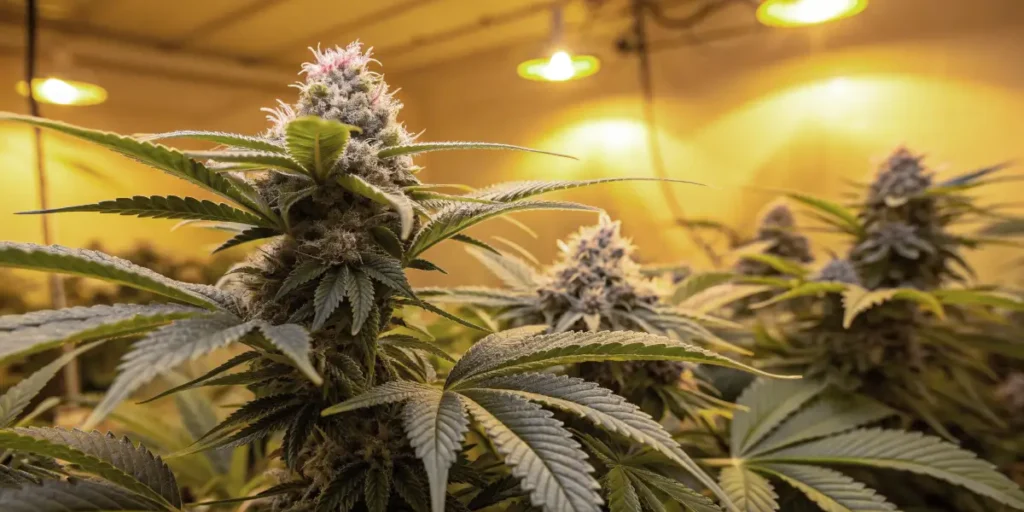
When cultivating this strain, the first step is to successfully germinate its seeds. Start by soaking the seeds in a glass of water for 12-24 hours. This process helps prepare them for planting. Ensure the water is at room temperature to facilitate optimal conditions for this cultivar. After soaking, transfer the seeds to a moist paper towel to continue the germination process.
The next step involves providing the right environment for seed sprouting. Place the moist paper towel with seeds in a ziplock bag, then store it in a warm, dark place. Ideal temperatures for cannabis germination range between 70-85°F (21-29°C). Within a few days, you should see taproots emerging, indicating the seeds are ready to be planted in the growing medium.
For propagation, consider using cuttings from a healthy parent plant of this variety. Select a mature branch with multiple nodes and cut just below a node using sterilized tools. Dip the cutting in rooting hormone for optimal root development. Place the cutting in a growing medium like rock wool or soil, ensuring it remains consistently moist but not soaked.
Runtz is known for its rich terpene profile and substantial yield, so careful propagation can help maximize its potential. Ensure the newly planted cuttings receive ample light and humidity to encourage growth. Under ideal conditions, the cuttings should root within two weeks, setting the stage for the next phase of the plant’s cultivation journey.
Vegetative Stage: Nurturing Your Runtz Plants
During the vegetative stage, it’s crucial to provide optimal conditions for this cannabis variety to flourish. Adequate light is essential, with indoor growers often using high-intensity lamps to simulate natural sunlight. This strain thrives when provided with a stable environment, promoting healthy leaf growth, which is foundational for future bud development and overall yield.
Watering practices play a significant role in the health of the plant. This cultivar requires a balanced moisture level; neither overwatering nor underwatering is ideal. Implementing a regular watering schedule can help maintain a favorable environment, allowing the roots to absorb nutrients efficiently, thus fostering vigorous growth throughout the vegetative phase.
This variety benefits from a rich nutrient regimen. Nitrogen is particularly important during this stage to encourage robust vegetative growth. Fertilizers formulated for cannabis cultivation can enhance nutrient uptake, creating a strong foundation that supports the plant’s transition to the flowering stage. Observing your plant’s response to nutrients can guide any necessary adjustments.
Routine pruning is beneficial for maximizing light exposure and air circulation within the canopy. By removing lower leaves and branches, growers can ensure that the energy is directed towards the most productive parts of the Runtz plant. These practices not only improve the structural integrity of the plant but also set the stage for a bountiful harvest, rich in flavorful terpenes.
Flowering Runtz: What to Expect
As flowering begins, growers cultivating this strain should anticipate a rich aromatic experience due to its unique terpene profile. It is known for its vibrant, dense buds that begin forming early, promising a bountiful harvest. The distinct scent of this variety blends sweet, fruity notes with a hint of earthy undertones, making it a delight for any cannabis enthusiast.
This cultivar typically starts flowering within 8 to 9 weeks, depending on specific growing conditions and techniques employed. Adequate light exposure and temperature control are crucial during this phase to maximize both yield and potency. The plant responds well to various cultivation methods, including SCROG and SOG, which can enhance flower development and overall productivity.
During the flowering stage, the plant benefits from a careful balance of nutrients tailored for cannabis. A phosphorous-rich diet supports bud development, while proper potassium levels enhance flower density. Monitoring humidity levels is equally essential, as excessive moisture can lead to mold issues on the dense buds of this variety. Strategic airflow plays a role in maintaining plant health.
The anticipation peaks just before harvest as the plant’s trichomes transform, signaling the perfect time to collect the fruits of your labor. Runtz typically exhibits a vibrant mixture of colors across its buds as it approaches maturity, providing not just a visual treat but also ensuring a potent, flavorful smoke. This stage is crucial for capturing the full potential of its rich terpene profile.
Feeding Runtz: Fertilizers & Nutrient Schedule
To support the optimal growth of Runtz, a tailored nutrient schedule is essential. This strain thrives on a balanced diet of nitrogen, phosphorus, and potassium, particularly during its vegetative phase. Cannabis cultivators should ensure these nutrients are available in adequate proportions to promote healthy foliage and robust stem development, setting the groundwork for a successful yield.
As the plant transitions to its flowering stage, the emphasis should shift towards an increased phosphorus and potassium regimen. These elements are crucial for bud development and the enhancement of resin production, which in turn boosts the terpenes present in this cultivar. Growers may find that gradually reducing nitrogen intake during this phase helps prevent excessive vegetative growth.
Monitoring the pH level of the soil or growing medium is equally important in cannabis cultivation. Aim for a pH level between 6.0 and 7.0, which allows this variety to absorb nutrients efficiently. Additionally, scheduled flushing with plain water can help prevent nutrient buildup and lockout, ensuring the plant’s roots can access all necessary elements freely.
For Runtz, consistency is key. Establish a regular feeding schedule and adjust based on the plant’s response. Observe how it reacts to changes in nutrient levels and make necessary tweaks to maintain plant health. By doing so, cultivators can expect a bountiful harvest characterized by dense, flavorful buds that reflect the quality of care invested during its growth cycle.
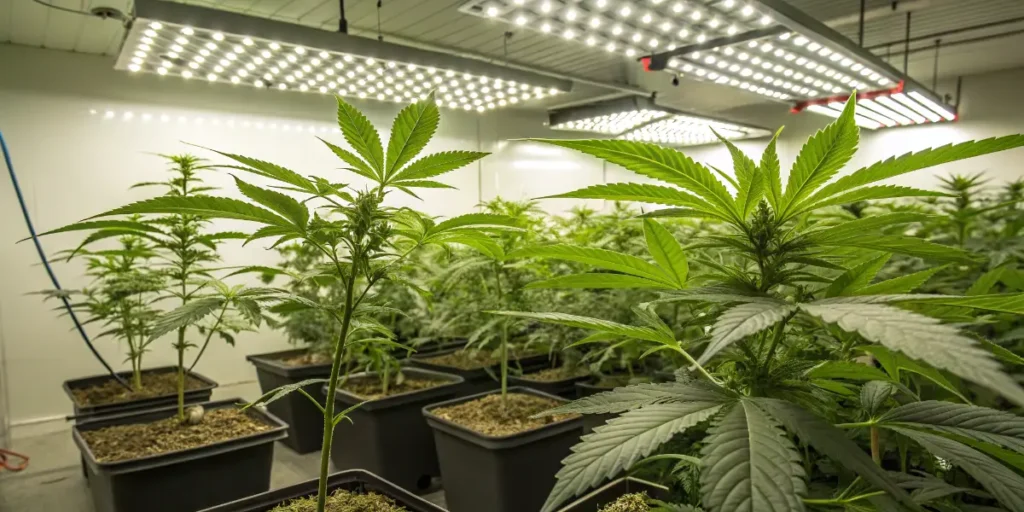
Pest and Disease Prevention for Healthy Cannabis Plants
To ensure the health of your cannabis plants, it is essential to implement effective pest and disease prevention strategies. Regularly inspect this cultivar for signs of common pests such as spider mites and aphids. Using natural predators like ladybugs and beneficial nematodes can help manage these intruders without harming the buds or compromising the harvest quality.
Another critical aspect of maintaining a healthy Runtz garden is preventing diseases like powdery mildew and bud rot. Ensure that the growing environment has adequate air circulation and a stable humidity level, which discourages the development of fungal infections. Keeping the foliage dry by watering at the base of this variety further reduces the risk of disease.
Furthermore, Runtz growers should practice crop rotation and sanitize their tools regularly. This reduces the chance of pests and diseases establishing a presence in the cultivation area. Additionally, selecting resistant cannabis genetics and maintaining healthy soil conditions can contribute significantly to a robust yield with rich terpenes. Through these proactive measures, the plant will thrive throughout its growing cycle.
Harvesting & Drying Runtz the Right Way
Harvest time is crucial in cannabis cultivation, and Runtz is no exception. Growers should observe the trichomes through a magnifying glass to determine the optimal moment. When they appear milky with some turning amber, the plant is ready. This timing ensures peak terpenes and cannabinoid content, enhancing the unique characteristics of this strain.
Once harvested, the plant should be trimmed and hung upside down in a temperature-controlled environment. The drying area should maintain a humidity level of around 50-60% and a temperature of 65-75°F. Proper airflow is crucial, as it helps prevent mold and promotes even drying, which is essential for preserving the delicate terpenes found in this variety.
The drying process typically lasts about 7 to 10 days. Growers should check the buds daily to ensure they haven’t over-dried, which can lead to a harsh smoke. When the stems snap instead of bending, this cultivar is ready for the next step. This careful drying process retains the quality and potency of the buds.
After drying, curing Runtz is the final crucial step to enhance its flavors and smoothness. Place the buds in glass jars, burping them daily for the first week to release moisture. This gradual curing process, which can last several weeks, enhances both the yield’s aroma and the smoking experience, maximizing the potential of this exceptional genetics.
Runtz Strain Type: Indica, Sativa or Hybrid?
Runtz is a hybrid cannabis strain that combines the best characteristics of its parent varieties, resulting in a balanced and versatile plant. This strain is a popular choice among growers seeking a combination of cerebral effects and physical relaxation. Its genetics typically lead to a harmonious mix of indica and sativa, providing both uplifting terpenes and rewarding harvest yields.
With its hybrid nature, this cultivar appeals to both recreational users and medicinal cannabis patients. Many are drawn to the dense buds which exhibit vibrant colors and a unique terpene profile. Cultivation of this variety can be quite fulfilling, as it tends to thrive in various environments, adapting well from indoor gardens to outdoor settings, which ultimately benefits growers.
For optimum yield, proper care and environmental conditions are crucial during its growth cycle. Growers should pay attention to the plant’s fundamentals, such as appropriate light exposure and nutrient levels, to maximize its potential. Given its balanced nature, this strain offers cultivators the opportunity to experience both substantial harvests and the intricate beauty of a hybrid marvel in the cannabis world.
Why Grow Runtz? Key Benefits for Cultivators
Runtz is highly sought after due to its enticing combination of potency and flavor, making it a top choice for cultivators. This strain boasts an impressive terpene profile that combines sweet, fruity notes with hints of creamy goodness. For cannabis growers aiming to produce a unique, aromatic harvest, this variety provides an excellent opportunity to stand out in the market.
This cultivar is known for reliably producing dense, resinous buds that contribute to high yields. Its stable genetics ensure predictable growth patterns, making cultivation more manageable for both novice and experienced growers. Moreover, the plant’s resilience against common pests and molds can significantly reduce maintenance efforts, allowing cultivators to focus on optimizing their growing environment.
Moreover, this variety’s adaptability to various growing conditions, from indoor to outdoor setups, adds to its appeal. Growers have the flexibility to experiment and refine their cultivation methods, enhancing both quality and quantity. With its robust growth and bountiful harvest, Runtz offers a rewarding challenge that culminates in a highly marketable and sought-after product.
Potential Challenges When Growing Runtz
When cultivating this strain, growers might encounter several challenges related to its environmental needs. This cultivar requires a stable climate with consistent temperature and humidity levels to flourish. Sudden changes can impact the quality of the buds and overall yield. Therefore, maintaining an optimal balance is crucial for mitigating stress on the plant and ensuring a successful harvest.
Another challenge when growing this variety is its susceptibility to mold and pests. Its dense buds can become a breeding ground for mold if humidity isn’t controlled, while pests can damage both foliage and flowers. Vigilant monitoring and using preventive measures are essential to keep the plant healthy. Regular inspections and appropriate organic treatments can help prevent these issues.
Runtz also demands a fair amount of attention due to its specific nutrient requirements. The genetics of this strain require a tailored feeding schedule to promote robust growth and maximize terpene production. Over-fertilization can lead to nutrient burn, so careful observation and adjustments to the feeding regimen are advised. Ensuring the right balance will enhance the potency and yield of this cannabis.
Is Runtz Worth Buying? Here’s What You Need to Know
Runtz stands out as a top choice among cannabis enthusiasts due to its well-rounded features. Known for its robust terpenes, the plant offers a flavorful and aromatic experience. Those involved in cultivation appreciate its manageable growth cycle, making it suitable for both novice and experienced growers. This strain is celebrated for producing dense, resinous buds that captivate the senses.
This variety is particularly valued for its impressive yield, with growers reporting satisfactory harvests that are both abundant and high quality. Its unique genetic profile contributes to a balanced effect, suitable for those seeking relaxation without an overpowering high. Many users find it perfect for social settings or quiet evenings, adding to its reputation as a versatile option.
Choosing this cultivar means investing in a proven performer that consistently meets expectations. While it may not be the most economical choice, the quality of the plant justifies the cost for many. Whether you’re intrigued by the terpenes or focused on yield, this cannabis option remains a wise investment for those wanting premium results.
FAQs: Growing Runtz
What is the ideal climate for growing Runtz?
Runtz thrives best in a Mediterranean climate with warm temperatures and low humidity. This strain requires plenty of sunlight if grown outdoors and benefits from stable temperature settings if grown indoors. The plant prefers a controlled environment, so replicating these conditions with indoor settings is vital. If grown outside its ideal climate, consider using a greenhouse to maintain optimal conditions for Runtz.
What is the average yield expected from Runtz?
The average yield for Runtz can vary depending on growing conditions and methods. When cultivated indoors, this variety typically produces around 450–500 grams per square meter. Outdoor growers can expect roughly 600–700 grams per plant if conditions are optimal. Implementing training techniques can positively impact the overall yield, making Runtz a rewarding strain to cultivate with proper care.
How long does it take for Runtz to flower?
The flowering period for Runtz generally spans 8 to 9 weeks. Monitoring the plant closely during this phase is crucial, as environmental factors like lighting and nutrients can influence its pace. Growers should consider using flowering boosters appropriately to enhance bud development and maximize results. Keeping a close eye on trichome maturity ensures harvesting this strain at its peak potency and flavor.
Does Runtz have any common nutrient requirements?
This cultivar demands a balanced nutrient regimen, emphasizing nitrogen during the vegetative stage and increasing phosphorus and potassium during flowering. Runtz benefits from a steady supply of micronutrients as well, ensuring robust growth and maximum yield potential. Testing soil and adjusting nutrient solutions can help achieve optimal results and address any deficiencies the plant may encounter during its growth cycle.
What are common problems when growing Runtz?
Growers may encounter issues like mold and pests, especially if humidity levels are not controlled. Runtz requires regular monitoring for such problems, employing preventive measures like proper ventilation and appropriate pest control. Over or under-watering can also affect its health, so maintaining a consistent watering schedule and ensuring well-draining soil is critical. Keeping an eye on its environmental conditions can mitigate these common growing challenges.