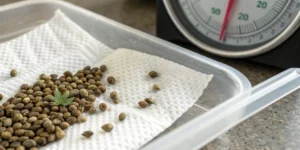


To cultivate Silver Widow successfully, begin with a well-draining soil mix and maintain a pH level between 6 and 7. This variety thrives in a controlled environment where temperature ranges from 70°F to 85°F. Humidity should be kept between 40%-60% during its vegetative stage. Proper ventilation ensures that the plant remains free of mold and pests.
This cultivar responds well to the Screen of Green (SCROG) method, which encourages even light distribution across its canopy, maximizing the yield. Regular pruning is necessary to enhance airflow and avoid overcrowding. Providing balanced nutrients can aid in developing rich terpene profiles essential for robust buds, while ensuring a plentiful harvest.
Recommended Strains

Silver Widow Strain

|
THC | 21% - 22% (Medium) |

|
Lineage | White Widow x White Widow |

|
Type | Feminized |

|
Height | 5.74 ft | 1.75 m |

|
Yield | High |

|
Yield Indoor | 1.97 oz/ft² | 600 g/m² |

|
Yield Outdoor | 24.69 oz/plant | 700 g/plant |

|
Flowering Time | 9 - 10 weeks |

|
Phenotype | 50% Indica / 50% Sativa |

|
Effects | Balanced |

|
Flavors | Spicy, Earthy |

White Widow Seeds
|
|
THC | 18% - 25% (High) |
|
|
Lineage | South Indian x Brazilian |
|
|
Type | Feminized |
|
|
Height | 5.74 ft | 1.75 m |
|
|
Yield | High |
|
|
Yield Indoor | 1.31 - 1.8 oz/ft² | 400 - 550 g/m² |
|
|
Flowering Time | 8 - 10 weeks |
|
|
Phenotype | 65% Indica / 35% Sativa |
|
|
Effects | Euphoric, Sedative, Relaxed |
|
|
Flavors | Spicy, Pine, Citrus, Earthy |
When growing Silver Widow indoors, maintaining a light cycle of 18/6 during the vegetative stage and 12/12 for flowering is crucial. This genetics requires adequate light intensity to develop dense and potent flowers. Be mindful of its flowering time, typically around 8-10 weeks, and monitor trichomes closely to harvest at peak potency.
Silver Widow Strain Overview: Traits, Effects & Genetics
Originating from a robust lineage, Silver Widow combines the best traits from its parent strains, resulting in a resilient and versatile plant. This variety is favored by growers for its high yield and hardy nature, adapting well to diverse cultivation environments. Its buds are dense and covered in frosty trichomes that promise a rich harvest.
The effects of this cultivar are well-regarded for their balance, offering both cerebral stimulation and physical relaxation. This strain has a complex terpene profile that contributes to its unique aroma, often described as a mix of citrus and earthy undertones. Such characteristics make it a popular choice among cannabis enthusiasts seeking multifaceted experiences.
Genetically, this plant stands out due to its stabilized hybrid nature, making it relatively easy to grow for even novice cultivators. It thrives indoors and outdoors, with the ability to withstand common pests and fluctuations in temperature. Its sturdy genetics ensure that it remains a reliable choice for those aiming for a consistent yield.
Silver Widow is renowned not only for its cultivation appeal but also for its richly rewarding harvest. When cultivated with care, this variety produces buds that captivate both visually and aromatically, providing high-quality experiences for users. Its resilience and potency are key reasons why it remains a staple within the cannabis community.
Optimal Environment to Grow Silver Widow Successfully
When cultivating the Silver Widow, ensuring an optimal environment is crucial to achieving a successful harvest. This strain thrives in a climate-controlled setting where temperature and humidity are carefully managed. Ideal temperatures range between 68-80°F (20-27°C) with relative humidity at 40-50% during the vegetative stage, which helps the plant grow robust and healthy.
Lighting plays a significant role in the growth of this variety, requiring potent and consistent illumination. Full-spectrum LED lights are a suitable choice, providing the necessary spectrum for both the vegetative and flowering phases. For effective growth, ensure the plant receives 18 hours of light per day during the vegetative stage and 12 during flowering to stimulate bud production.
The medium used for cultivation also impacts the success of this cultivar. Well-aerated, nutrient-rich soil or hydroponic systems can be used, provided they have good drainage and support healthy root development. Regular feeding with a balanced nutrient solution, rich in nitrogen, phosphorus, and potassium, can substantially enhance terpenes and overall yield.
Proper airflow is vital for preventing mold and pest infestations on the plant. Use oscillating fans to maintain a gentle breeze around the plants, which strengthens stems and aids in terpene concentration. Along with consistent monitoring of environmental conditions, these measures ensure that Silver Widow flourishes and delivers top-quality buds at harvest time.
Grow Room Setup for Silver Widow Plants
Establishing the perfect grow room for Silver Widow involves careful attention to several factors crucial for its development. This strain thrives in an environment where temperature and humidity are meticulously controlled. Aim for a temperature range of 70-80°F during the day and slightly cooler at night. Proper air circulation helps the plant grow robust and prevent mold, promoting healthy cannabis cultivation.
For lighting, this cultivar benefits greatly from full-spectrum LED or HID lights, which mimic natural sunlight and foster optimal growth. Implement a lighting schedule, such as 18 hours on and 6 hours off during the vegetative phase, to encourage vigorous growth and prepare the plant for the flowering stage. The correct lighting will lead to dense and potent buds upon harvest.
This variety also requires nutrient-rich soil or hydroponic setups to reach its full potential. A well-balanced diet is essential to enhance terpene production, providing the unique aroma and flavor that growers favor. Regularly check the pH levels in your medium, keeping it between 6.0 and 7.0 for soil or 5.5 and 6.5 for hydroponics to maximize yield.
To ensure the plant develops optimally, maintain a clean and organized grow room. Regular cleaning reduces the risk of pests and diseases, which can affect the yield and quality of the harvest. Additionally, monitoring CO2 levels can further enhance the plant’s photosynthesis process, leading to larger, more potent buds of this unique genetics.
Indoor Growing Tips for Silver Widow
When cultivating this strain indoors, proper lighting is essential for maximizing yield and enhancing terpenes. Opt for full-spectrum LED lights, which can closely mimic natural sunlight, providing the plant with the necessary energy to thrive. This cultivar appreciates a stable temperature between 70-85°F. Maintaining humidity at around 40-50% during the flowering phase can prevent mold and improve bud quality.
This variety responds well to a regular feeding schedule with balanced nutrients. Ensure to adjust the nutrient levels as it progresses through different growth stages, focusing on higher nitrogen during vegetative growth and increased phosphorus and potassium during flowering. Growers might find that incorporating organic fertilizers can enhance the flavors and aromas of the buds, aligning with the desired harvest profile.
Utilizing training techniques such as topping and low-stress training can promote even canopy development and increase light penetration. This will help the plant develop more colas and generate a higher yield. Regularly monitor pH levels, keeping it between 6.0 and 7.0 to foster optimal absorption of nutrients. This attention to detail will aid in producing robust and aromatic buds.
Outdoor Growing Tips for Silver Widow
When cultivating this strain outdoors, choose a location with plenty of sunlight, as it thrives with at least 6-8 hours of direct light daily. The plant prefers well-draining soil rich in organic matter to support healthy root development. Regular watering is fundamental, but be cautious not to overwater to avoid root rot, a common issue in cannabis cultivation.
For optimal yield, begin feeding this variety with nutrients during its vegetative stage, ensuring a balanced mix for robust growth. As the plant enters the flowering phase, gradually transition to phosphorus and potassium-rich feeds to enhance bud development. Timely pruning and training techniques, such as topping, can promote a bushier structure and a more bountiful harvest.
Monitoring the plant’s environment is crucial, as it is susceptible to pests and mold, particularly in humid conditions. Utilize natural pest control methods to protect the buds and preserve the unique terpene profile this genetics is known for. Harvest time arrives when the trichomes turn milky white, ensuring the utmost potency and flavor from your outdoor cultivation efforts.

How to Germinate & Propagate
Germinating the seeds of this strain successfully involves creating the ideal conditions to foster strong initial growth. Begin by soaking the seeds in warm water for 12-24 hours to jumpstart the process. This cultivar responds well to being placed on a damp paper towel in a warm, dark environment until the root tip emerges. This step is critical for successful cannabis cultivation.
Once the seeds have sprouted, carefully transfer them to a growing medium such as soil or coco coir. It’s pivotal for growers to ensure that the medium is moist but not overly saturated. A gentle watering technique is essential to promote root development. Additionally, placing a humidity dome over the plant can aid in maintaining consistent moisture levels conducive to optimal growth.
The early stages of growth are crucial for the future health and yield of the plant. It’s essential to provide adequate lighting; a fluorescent lamp or LED grow light set at an appropriate distance can help the buds develop robustly. During this period, balancing nutrients to enhance terpenes and overall vigor is key. Pay attention to their nitrogen levels during this delicate phase.
For propagation, cut a healthy branch from a mature Silver Widow plant. This variety can be cloned effectively using rooting gels or powders. Insert the cuttings into a suitable medium and maintain high humidity to encourage root formation. With careful attention and proper techniques, growers can achieve a lush, productive harvest from this genetics.
Vegetative Stage: Nurturing Your Silver Widow Plants
The vegetative stage is crucial for establishing a strong foundation for your Silver Widow plants. During this phase, focus on enhancing root development and overall plant structure, as this determines future yields. Ensure the cannabis plants receive ample light—around 18 hours—and maintain optimal temperatures ranging between 70-85°F. This variety appreciates high humidity levels during this stage, so aim for 60-70% to maximize growth.
Nutrition is vital during this period, as it supports robust growth. Utilize a well-balanced fertilizer rich in nitrogen to foster lush, vibrant foliage. Monitor the pH levels of your growing medium closely, keeping it within the 6.0-7.0 range to ensure nutrient absorption. Growers should also ensure efficient watering routines; avoid waterlogging, which could harm the plant’s development.
Pruning is an essential practice for shaping this cultivar and encouraging bushier growth. By removing lower leaves and topping it, you allow more light penetration and airflow, which is crucial for preventing mold and pests. Additionally, this technique will prepare the plant for an abundant flower stage, leading to superior buds with rich terpene profiles.
As this strain progresses through the vegetative stage, monitor its growth closely for any signs of deficiencies or stress. Utilize this time to fine-tune your cultivation environment, ensuring everything from lighting to nutrients is ideal. These careful adjustments promise a rewarding harvest, as the plant’s robust branches and healthy leaves are the precursors to a successful yield of quality buds.
Flowering Silver Widow: What to Expect
When it comes to flowering, Silver Widow offers growers an exciting journey. This strain typically enters its flowering phase around eight to nine weeks, making it an efficient option for cultivators seeking a swift cycle. During this time, the plant displays lush, green foliage, setting the stage for an impressive yield. Cultivation in optimal conditions will encourage the development of potent buds.
This variety is notable for its dense and resinous buds. As it matures, growners can expect an explosion of trichomes that contribute to a rich profile of terpenes. These compounds are responsible for the strain’s signature aroma and potency. Attention to humidity and temperature can help maintain the health and vitality of these critical flowering components.
The yield of this cultivar is typically abundant, with many growers finding it to be a reliable source of quality cannabis. Healthy feeding regimes and appropriate pruning techniques can enhance the overall output. Utilizing proper lighting during the flowering stage further boosts the plant’s potential, ensuring a bountiful harvest.
Regular monitoring is essential as Silver Widow flowers, allowing for precise adjustments to feeding and environmental conditions. This not only promotes the development of robust buds but also helps in achieving the desired terpene profile. With careful attention, the plant will reward cultivators with a harvest that reflects the full potential of its genetics.
Fertilizers & Nutrient Schedule
For optimal cannabis cultivation, understanding the nutrient needs of Silver Widow is essential. This strain thrives with a balanced diet of nitrogen, phosphorus, and potassium, especially during its growth phase. During vegetation, emphasize nitrogen for robust foliage, while maintaining a balanced nutrient solution and ensuring consistent pH levels to promote healthy growth and prevent nutrient lockout.
Throughout the flowering phase, this cultivar requires higher levels of phosphorus and potassium to develop dense buds and enhance terpene production. Transitioning to a flowering-focused nutrient schedule is crucial as it encourages the plant to focus energy on bud development. Growers should gradually reduce nitrogen levels to avoid leafy growth and focus on boosting the plant’s reproductive processes.
Implementing a regular feeding schedule is important for yielding a successful harvest. Many growers find success with a weekly feeding routine, complemented by fresh water in between to prevent nutrient buildup. It is vital to monitor this variety for any signs of deficiencies or excesses, ensuring adjustments are made swiftly to maintain plant health and optimize yield.
Flushing the plant two weeks before harvest is a common practice among cultivators to enhance bud quality by removing any remaining fertilizer residues. This step ensures a smoother smoke and brings out the full potential of the terpenes. Precision in nutrient management can significantly affect the outcome of your Silver Widow harvest, making it crucial to maintain dedicated attention throughout its lifecycle.

Pest and Disease Prevention for Healthy Cannabis Plants
When cultivating Silver Widow, preventing pests and diseases is crucial to achieving a high-quality harvest. Growers should regularly inspect the plant for common pests like spider mites and aphids. Implementing integrated pest management (IPM) techniques, such as introducing beneficial insects or using organic sprays, can help maintain the health of this cultivar without harming the environment or affecting bud quality.
To protect this strain from diseases, maintaining optimal environmental conditions is essential. Ensure proper air circulation and regulate humidity levels to prevent mold and mildew. Additionally, keeping the growing area clean and removing any debris or fallen leaves minimizes the risk of infections. This variety benefits from being monitored closely for any signs of distress to address issues proactively.
By following these preventive measures, growers can enhance the resilience and yield of the plant while preserving its unique terpenes. Regularly feeding it with appropriate nutrients and keeping a keen eye on its growth stages can lead to a bountiful harvest. With diligence and care, cultivating this genetics can result in robust, healthy cannabis plants that thrive under optimal conditions.
Harvesting & Drying Silver Widow the Right Way
Harvesting Silver Widow at the optimal time is crucial for maximizing potency and flavor. For this strain, growers should look for milky trichomes and just a few amber ones, indicating its peak for cannabinoids and terpenes. It’s essential to avoid harvesting too early or too late, as this could affect both the yield and the quality of the final product.
Once you’ve determined the plant is ready, proceed by carefully cutting the branches. Make sure to handle the buds gently to prevent trichome damage. Trimming the fan leaves while the plant is still fresh can make the process easier and streamline the drying phase. This initial trimming sets the stage for the proper drying and curing that follows.
The drying process is where the flavors and aromas of this cultivar really begin to develop. Buds should be hung upside down in a dark, well-ventilated space with humidity around 50-60%. This controlled environment reduces mold risk and allows the cannabis to dry evenly, preserving the plant’s unique terpene profile and ensuring a smoother smoke.
After drying, curing is the final step to enhance Silver Widow’s smoothness and potency. Place the dried buds in airtight jars, opening them daily for the first couple of weeks to allow moisture to escape. This gradual process not only improves flavor complexity but also maximizes the experience that this variety is renowned for among enthusiasts.
Silver Widow Strain Type: Indica, Sativa or Hybrid?
Silver Widow is a hybrid strain that masterfully combines the characteristics of both Indica and Sativa plants. This variety offers a balanced experience, making it highly sought after by growers and users alike. The plant’s genetics have been carefully selected to optimize the benefits of both parent strains, resulting in a versatile cultivar that appeals to a wide range of cannabis aficionados.
This strain exhibits qualities that are favored in both recreational and medicinal cultivation. Its Sativa lineage contributes to a cerebral uplift, which many users find energizing. In contrast, the Indica aspect of Silver Widow brings about a soothing body relaxation. This perfect blend is particularly prized for those seeking a high that is both euphoric and calming, promising a harmonious harvest.
Growers appreciate the robust nature of this cultivar, as it can adapt to various growing conditions, producing dense buds with rich terpene profiles. The plant is known for its substantial yield, supplied by its vigorous growth patterns and resilience. Success in cultivating Silver Widow requires attention to detail in climate and care, ensuring the ultimate quality of harvest for which it is renowned.
Why Grow Silver Widow? Key Benefits for Cultivators
Silver Widow stands out for its remarkable strength and resilience, making it an excellent choice for both novice and experienced cultivators. This strain is known for its robust growth, which results in a consistently high yield. Additionally, its adaptability to various climates ensures that growers can achieve successful harvests regardless of environmental conditions.
One of the primary attractions of this variety is its potent buds enriched with a diverse profile of terpenes. These compounds not only enhance the aroma and flavor but also contribute to the overall potency, which appeals to consumers. Cultivators appreciate how this cultivar consistently produces high-quality cannabis that satisfies market demands.
Moreover, this plant is relatively easy to manage, requiring minimal intervention to thrive. Its natural resistance to pests and diseases reduces the need for pesticides, promoting a healthier cultivation environment. By growing this cannabis genetics, cultivators benefit from a combination of high yield and quality, ensuring a lucrative harvest season.
Potential Challenges When Growing Silver Widow
When cultivating this strain, growers may face humidity-related issues that can lead to mold development. Due to the dense buds of Silver Widow, monitoring moisture levels is crucial. Ensuring proper air circulation within the grow space can mitigate these risks. Utilizing fans and dehumidifiers can be highly beneficial for maintaining an optimal environment for the plant.
Another challenge with this cultivar is its nutrient sensitivity. This variety often requires a balanced feeding schedule to avoid nutrient burn or deficiency. Careful observation of leaf color and growth patterns can provide clues to its nutritional needs. Adjusting the feeding regimes accordingly will help maintain robust growth and maximize yield potential.
This genetics may also demand attention during the flowering phase, as it can be susceptible to pest infestations. Regular inspections for common cannabis pests, such as spider mites and aphids, are essential. Implementing a regimen of natural pest control methods, like introducing beneficial insects, can help ensure a healthy harvest of Silver Widow.
Is This Strain Worth Buying? Here’s What You Need to Know
For cannabis enthusiasts contemplating their next cultivation venture, this strain offers distinct advantages. Known for its robust growth patterns, the plant thrives in both indoor and outdoor setups. Growers appreciate its resilience, making it suitable for novices and seasoned cultivators alike. The plant’s structure supports a decent yield, appealing to those seeking a productive harvest.
A key feature of this cultivar is its aromatic buds, rich in terpenes that contribute to its distinctive fragrance. This variety develops a harmonious blend of earthy and sweet notes, enhancing the sensory experience. As you approach harvest time, the promise of resin-rich buds becomes evident, rewarding diligent cultivation efforts with potency and quality.
In essence, Silver Widow stands out for its cultivation ease and impressive characteristics. Its balanced profile caters to a wide range of preferences, from casual users to connoisseurs. Investing in this genetics means benefiting from a resilient plant with a reputable yield, adding substantial value to any growing endeavor. With its stable growth and alluring aroma, the decision to incorporate this variety is well justified.

FAQs
What is the ideal climate for cultivating Silver Widow?
Silver Widow thrives in a Mediterranean climate with plenty of sunlight and moderate humidity. This strain prefers temperatures between 70-85°F (21-29°C). For indoor growing, maintaining consistent environmental conditions is crucial to optimize growth and yield. Proper ventilation is vital to ensure air circulation, reducing the risk of mold and pest issues. With the right climate, this cultivar can flourish and produce premium buds.
What should I expect in terms of yield from this strain?
Silver Widow is known for its impressive yields. When grown outdoors under optimal conditions, this variety can produce up to 24 ounces per plant. Indoors, growers can expect around 18 ounces per square meter. Its high yield makes it a popular choice among cultivators looking to maximize production. By providing the plant with ample nutrients and light, you can achieve a generous harvest.
How long does Silver Widow take to flower?
This plant typically has a flowering time of 8-10 weeks. For indoor cultivators, closely monitor the trichomes for optimal harvest timing. Outdoors, Silver Widow usually reaches maturity by late September to early October. Patience during the flowering period is crucial, as it ensures the plant’s potent resin production. By allowing this strain to fully mature, growers can enjoy its best potential in flavor and effect.
What are the common problems associated with growing Silver Widow?
Common issues growers may encounter with Silver Widow include mold, nutrient deficiencies, and pests. Since it thrives in a humid environment, proper air circulation is necessary to prevent mold. The plant is also nutrient-hungry, requiring balanced feeding to prevent deficiencies that could stunt growth. Regular monitoring and preventive measures can help minimize these issues, ensuring robust plant health and productivity.
Which nutrients are crucial for the successful growth of Silver Widow?
To cultivate Silver Widow successfully, provide a balanced mix of essential nutrients, including nitrogen, phosphorus, and potassium. During the vegetative stage, this strain benefits from higher nitrogen levels, while phosphorus and potassium are more critical during flowering. Micronutrients like calcium and magnesium are also vital in preventing deficiencies. Employing a good feeding schedule can ensure the plant’s healthy development and maximize yields.