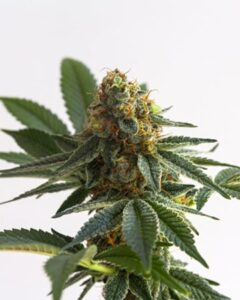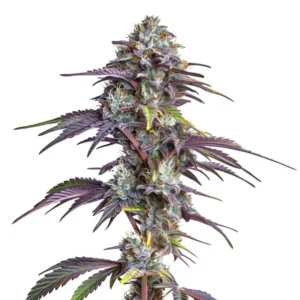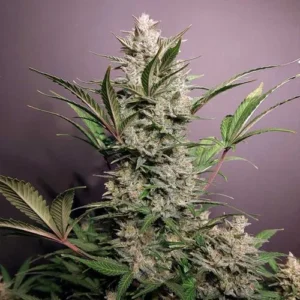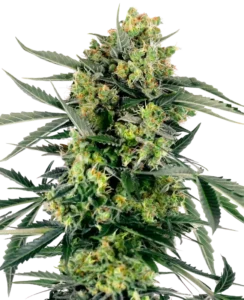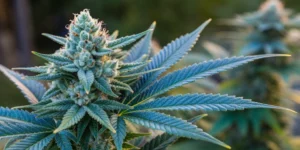


To successfully cultivate Sirius Black, it’s essential to start with quality seeds or clones. This cultivar thrives in both indoor and outdoor settings, but growers should ensure a stable climate with temperatures between 70-80°F. Providing the plant with ample sunlight or consistent grow light exposure is crucial for achieving optimal yield and robust bud development.
When growing this strain, maintaining proper humidity levels is key. During the vegetative stage, this variety prefers a humidity range of 60-70%, which should be gradually decreased to 40-50% during flowering. Adequate airflow is also important to prevent mold and mildew, ensuring the terpenes and aroma of the buds remain uncompromised.
Recommended Strains
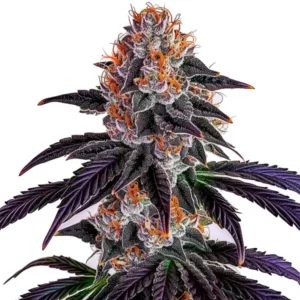
Sirius Black

|
THC | 15% - 25% (High) |

|
Lineage | Secret |

|
Type | Feminized |

|
Height | 4.92 ft | 1.5 m |

|
Yield | High |

|
Yield Indoor | 1.31 - 1.64 oz/ft² | 400 - 500 g/m² |

|
Yield Outdoor | 14.11 - 17.64 oz/plant | 400 - 500 g/plant |

|
Flowering Time | 9 - 10 weeks |

|
Phenotype | 60% Indica / 40% Sativa |

|
Medical | Insomnia, Migraines, Pain |

|
Effects | Euphoric, Powerful, Relaxed |

|
Flavors | Lemon, Strawberry |
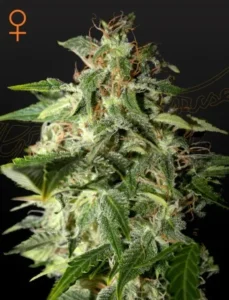
Afgooey Seeds
|
|
THC | 22% - 23% (Medium) |
|
|
Lineage | Afghan x Maui Haze |
|
|
Type | Feminized |
|
|
Height | 5.25 ft | 1.6 m |
|
|
Yield Outdoor | 24.69 oz/plant | 700 g/plant |
|
|
Flowering Time | 8 - 9 weeks |
|
|
Phenotype | 70% Indica / 30% Sativa |
|
|
Effects | Focused, Creative, Powerful |
|
|
Flavors | Citrus, Fruity, Kush, Earthy |
Feeding the plant with balanced nutrients tailored for cannabis will promote vigorous growth. Regular pruning helps manage plant height and encourages lateral growth, maximizing light penetration. Harvest the mature buds when the trichomes are cloudy with some amber coloration to enjoy the rich flavors and potent effects that Sirius Black is known for.
Sirius Black Strain Overview: Traits, Effects & Genetics
Sirius Black is a unique cannabis variety known for its deep purple buds and potent effects. This strain has gained popularity among growers due to its distinctive color and rich terpene profile. Originating from a well-balanced lineage, the plant offers a rewarding cultivation experience, making it a favorite for those seeking a visually striking addition to their garden.
This variety exhibits a robust growth pattern, making it suitable for both novice and experienced cultivators. With its medium height, the plant fits well in diverse grow setups. The buds are dense and resinous, contributing to a hefty yield at harvest. These characteristics make it an attractive choice for growers looking to maximize their efforts while enjoying a unique cannabis experience.
When it comes to effects, this cultivar is celebrated for its relaxing and euphoric properties. It provides a balanced high that can enhance creativity while promoting relaxation. This makes the strain appealing for both recreational and medicinal users. Its diverse terpene profile ensures a delightful aroma and flavor, adding to the overall enjoyment of this exceptional cannabis variety.
Genetically, the plant boasts a rich heritage, contributing to its distinctive traits. The well-rounded background of this strain ensures a stable growth cycle and resilient qualities. Growers appreciate how this genetics adapt well to various cultivation techniques, creating opportunities for experimentation and optimization. The combination of aesthetics, effects, and cultivation ease makes it a sought-after strain in the cannabis community.
Optimal Environment to Grow Sirius Black Successfully
Ensuring the right environment for this strain is crucial for achieving high-quality yields. This variety thrives in a controlled setting where temperature, humidity, and light are carefully regulated. Maintaining an optimal temperature between 70-85°F during the day and slightly cooler at night will foster robust growth in the plant, allowing its cannabis genetics to flourish.
Humidity levels also play a significant role in the cultivation of this variety. During its vegetative stage, aim for 40-60% humidity. Gradually decrease it to 30-40% during flowering to prevent mold and enhance terpene production. This adjustment is essential to promoting healthy buds and ensuring that harvest time leads to a potent final product.
Light is another critical factor for maximizing yield. Utilize a full spectrum of light to mimic natural sunlight, providing 18-24 hours during the vegetative phase and switching to 12-hour cycles as it begins to flower. This careful management helps develop dense, resinous buds, a signature of this cultivar.
While indoor growing offers the best control, Sirius Black can also be cultivated outdoors in sunny, Mediterranean-like climates. Ensure the site receives ample sunlight and has well-drained soil. By replicating these optimal conditions, growers can expect a bountiful harvest that highlights the unique characteristics of this plant’s genetics.
Grow Room Setup for Sirius Black Plants
When embarking on the cultivation journey of this strain, creating the ideal grow room environment is crucial for maximizing yield and quality. Pay close attention to temperature and humidity levels as these factors significantly influence terpene production and bud development. Aim for temperatures between 70-85°F (21-29°C) during the day, with slightly cooler nights to mimic the plant’s natural habitat.
Proper lighting is also essential to ensure healthy growth and robust bud production for the plant. LED lights are recommended due to their efficiency and ability to cover the full spectrum needed for cannabis cultivation. Position these lights at an appropriate distance to prevent light burn while ensuring optimal absorption. Adjust the lighting cycle to support each stage of the plant’s growth.
Ventilation is another critical aspect of setting up a successful grow room for this variety. Implement a reliable system to maintain airflow, which helps in expelling excess humidity and heat, reducing the risk of mold and pests. Fans and exhaust systems work well to create a healthy environment conducive to vigorous growth and eventual harvest.
The grow medium you choose can greatly impact the health and yield of your cannabis plants. Sirius Black flourishes in soil setups with good drainage and nutrient availability. Alternatively, consider hydroponic systems for faster growth. Regularly monitor and adjust pH levels to ensure nutrients are effectively absorbed, promoting the genetic potential of this cultivar.
Indoor Growing Tips for Sirius Black
To maximize the potential of this strain indoors, maintain a consistent temperature of 70-80°F with humidity levels between 40-50%. This cultivar thrives in well-ventilated spaces, so ensure proper air circulation to prevent mold and pest outbreaks. Utilizing high-quality LED grow lights will support optimal growth by mimicking natural sunlight, essential for vigorous buds.
Providing the right nutrient mix is crucial for this variety. Start with a balanced formula high in nitrogen during the vegetative stage and transition to a phosphorus-rich blend as the plant approaches the flowering phase. Regular monitoring of pH levels between 6.0 and 6.5 ensures nutrient uptake, promoting robust terpene profiles and vibrant foliage.
Implement training techniques like topping or low-stress training (LST) to enhance light penetration and improve overall yield. Careful pruning encourages the development of dense buds, ready for a bountiful harvest. With patience and attention to detail, indoor growers can achieve prolific results, making this cultivar a rewarding choice for home cultivation.
Outdoor Growing Tips for Sirius Black
When cultivating this strain outdoors, select a location with ample sunlight and good air circulation, as these conditions are ideal for healthy growth. Ensure the soil is rich in organic matter and well-draining to support the plant’s roots. Regularly monitor the pH level, aiming for a slightly acidic range to maximize nutrient uptake and foster robust buds and terpene production.
It is essential for growers to be mindful of local climate conditions. This variety thrives in warm, temperate weather, so plant it after the last frost to protect young seedlings. Additionally, employing a sturdy trellis or support system will help the plant withstand strong winds, encouraging a higher yield at harvest. Shielding the plant from excessive rain can also prevent mold and mildew.
Regular maintenance is crucial for optimal growth; prune the plant to promote airflow and prevent disease. Using organic fertilizers can boost nutrient levels, ensuring the cultivation process results in top-quality buds. By mid-to-late autumn, when the trichomes appear milky, it signals the right time for harvest, promising a plentiful bounty from this cultivar’s outdoor growing efforts.

How to Germinate & Propagate
To successfully germinate this strain, growers should start by soaking the cannabis seeds in distilled water for about 12 to 24 hours. This step helps soften the seed coating, promoting healthy germination. After soaking, place the seeds in a damp paper towel, ensuring they remain moist but not drenched. Keep the towel in a dark, warm space to encourage sprouting.
Once sprouts appear, typically within a few days, transfer them into small pots filled with quality soil. It is important for the soil to be loose and well-draining to support early root development. For optimal growth, this variety requires a consistent temperature around 70-75°F and moderate humidity. Proper initial care sets the foundation for this cultivar’s future yield and healthy buds.
When propagating the plant, consider using the cloning method. Cut a healthy branch from a mature Sirius Black plant at a 45-degree angle. Dip the cut end in a rooting hormone to enhance root growth, then plant it in a small pot with moist, nutrient-rich soil. Cloning is an effective way to maintain the unique terpene profile and other desired traits of this cultivar.
Proper lighting is crucial for the young clones. Keep them under a gentle light source for about 18 hours a day. This ensures the newly rooted plants grow steadily without unnecessary stress. Monitor for pests or diseases, which can compromise development. With attentive care, Sirius Black can offer robust growth, culminating in a rewarding cultivation experience at harvest.
Vegetative Stage: Nurturing Your Sirius Black Plants
During the vegetative stage, Sirius Black requires specific conditions to thrive and prepare for a fruitful harvest. Providing ample light is essential since this strain benefits significantly from 18 to 24 hours of light per day. Ensuring your growing space is well-lit will help the plant develop a robust structure, laying the foundation for a healthy yield.
The soil should remain consistently moist, but not overly wet, to prevent root rot. Utilizing a well-draining soil mix will help the roots breathe while retaining essential nutrients. Growers often feed this variety with balanced nutrients, ensuring the optimal development of stems and leaves, which support future buds.
Proper airflow is critical for this genetics, as good ventilation helps maintain consistent temperature and humidity levels. Fans can be strategically placed to strengthen the plant’s stems and reduce the risk of mold or pest infestations. These efforts contribute to the overall robustness of this cultivar during the vegetative phase.
Routine monitoring and pruning are beneficial in maximizing the plant’s potential. By removing dead or yellowing leaves, energy is redirected towards more productive parts. These practices not only enhance the growth but also improve the distribution of nutrients and terpenes, setting the stage for a successful flowering in Sirius Black.
Flowering Sirius Black: What to Expect
As growers approach the flowering stage of this strain, they should anticipate lush, dense buds that thrive with proper care. Sirius Black is known for its strikingly dark foliage, creating a unique visual presence in any cannabis garden. Ensuring optimal conditions during this phase will result in rich terpene profiles and a robustly aromatic plant, setting the stage for a rewarding harvest.
Managing light exposure and nutrient levels is crucial when cultivating this variety. Growers should transition to a 12-hour light schedule to encourage flowering, while carefully balancing phosphorus and potassium levels to maximize the plant’s potential. Regular monitoring of environmental conditions will help maintain the health of the buds, enhancing the overall yield and potency of the harvest.
This cultivar typically requires eight to nine weeks to complete its flowering cycle. During this period, paying attention to airflow and humidity is key, as these factors greatly influence bud development and quality. Employing stakes or trellises can provide additional support, preventing branches from succumbing to the weight of its heavy flowers.
As harvest approaches, growers should closely monitor trichome development on the plant. Harvesting at the right time is essential to capture the full spectrum of terpenes that Sirius Black has to offer. A careful, methodical drying and curing process will further enhance the final product, resulting in a potent, flavorful experience that highlights the unique characteristics of this genetics.

Fertilizers & Nutrient Schedule
For growers cultivating Sirius Black, it’s essential to establish a balanced feeding regimen to maximize the potential of this unique cannabis strain. During the vegetative phase, the plant benefits from a higher nitrogen content to support robust growth. Using a well-balanced, organic fertilizer can help boost foliage, critical for supporting the future development of dense buds come harvest time.
As this variety transitions to the flowering stage, adjusting the nutrient schedule becomes vital. At this point, phosphorus and potassium should take precedence in the feeding plan to enhance bud production and terpene content. For optimal results, gradually decrease nitrogen levels to prevent the plant from turning energy towards foliage rather than flower formation.
Implementing a consistent feeding schedule tailored to this cultivar’s specific needs is crucial for healthy growth. Tracking the progress of the plant’s development and adjusting nutrient inputs accordingly can enhance both yield and quality. Ensure the soil’s pH levels remain stable, as fluctuations can impair nutrient uptake, potentially affecting the overall health and output of the strain.
Monitoring and adjusting the nutrient schedule is not just about following a standard guideline but responding to the plant’s signs. If the leaves of this genetics show signs of discoloration or stunted growth, it may be necessary to tweak the feeding regimen. By fine-tuning the nutrients, growers can ensure a successful harvest with high-quality buds.
Pest and Disease Prevention for Healthy Cannabis Plants
Proper pest and disease management is crucial when cultivating Sirius Black to ensure a healthy yield. Start by selecting resistant genetics and maintaining a clean growing environment. Regularly inspect buds, leaves, and stems for signs of pests or infections. Early detection and treatment can prevent these issues from affecting the plant’s overall health and productivity.
This strain benefits from integrated pest management strategies, such as introducing beneficial insects to the cultivation space and using organic sprays if needed. Encourage natural predators like ladybugs to manage common pests like aphids. Monitor humidity and temperature levels closely, as extremes can make the plant more susceptible to diseases and hinder yield.
Providing adequate nutrition with balanced fertilizers ensures robust growth for this variety, helping it resist diseases naturally. Rotating crops and ensuring proper soil drainage can minimize the risk of root rot. Implementing these practices promotes vibrant growth and maximizes the desirable terpenes unique to this cultivar, leading to a successful harvest.
Harvesting & Drying Sirius Black the Right Way
When it comes to harvesting this strain, timing is crucial for maximizing its potential. Growers should monitor trichomes closely, aiming for a mix of milky white and amber hues. This ensures an optimal terpene profile and yield. Early harvesting might lead to diminished potency, while delaying it too long could result in overripe buds, impacting the plant’s overall quality.
Once the decision to harvest is made, carefully cut the branches of this variety and hang them upside down in a dark, well-ventilated area. This step is essential in preserving the cannabinoid and terpene structure, which are vital for this cultivar’s signature aroma and effects. The drying process can take about 10 to 14 days, depending on environmental conditions.
Maintaining proper drying conditions is critical. Aim for a room temperature of roughly 60-70°F with humidity levels around 50-60%. This will allow the buds of the plant to dry evenly, preventing mold and preserving their unique characteristics. Investing in a hygrometer can be beneficial to monitor these environmental factors accurately.
Once adequately dried, the buds should be trimmed and then cured in glass jars. Curing Sirius Black over several weeks enhances its flavor and potency. Be sure to burp the jars daily by opening them for a few minutes to release moisture. This careful approach will ensure the final product is of the highest quality, showcasing all the attributes that it is celebrated for.
Sirius Black Strain Type: Indica, Sativa or Hybrid?
Sirius Black Strain is a unique cannabis variety that stands out for its deep, rich purple buds and an enticing aroma. This strain is primarily Indica, which becomes evident in its growth patterns and effects. Known for its relaxing qualities, the plant is a favorite among growers seeking to cultivate a strain that yields calming experiences often associated with Indica genetics.
This cultivar is cherished for producing dense, resinous buds that are laden with aromatic terpenes. During cultivation, growers should provide ample nutrients and maintain a consistent climate to enhance the plant’s development. Recognizing it as an Indica can guide cultivators in creating the optimal growing conditions for maximizing both yield and quality.
When nurturing this strain, paying attention to its Indica lineage can help predict its growth cycle and harvest time. With proper care, the plant can produce a generous yield of potent buds. Despite being an Indica, Sirius Black can exhibit surprising vigor, making it a rewarding choice for anyone looking to benefit from its robust genetics and soothing effects.
Why Grow Sirius Black? Key Benefits for Cultivators
Sirius Black is an exceptional choice for cultivators seeking a unique and rewarding growing experience. This strain is renowned for its strikingly dark purple buds that captivate aesthetics-minded growers. Its rich resin content makes it ideal for producing extracts, while the plant’s robust nature allows it to thrive indoors and outdoors, presenting an adaptable option for diverse growing environments.
This variety stands out due to its enticing terpene profile that combines fruity and spicy aromas, creating a captivating sensory experience. Cultivators will appreciate the moderate flowering time, ensuring a timely harvest. Furthermore, the plant’s structure supports dense buds, maximizing yield potential. This cultivar’s resilience also aids in preventing common issues like mold, making it a favorite among growers.
Growers are particularly drawn to this genetics for its balanced cannabinoid content, which caters to both recreational and medicinal enthusiasts. The favorable yield of this strain enhances profitability for commercial operations, while its distinctive appearance and aroma ensure it remains a popular choice in competitive markets. Overall, cultivating this variety offers both aesthetic and economic benefits to cannabis growers.
Potential Challenges When Growing Sirius Black
When cultivating Sirius Black, one potential challenge is the strain’s susceptibility to mold and mildew. Due to its dense buds, it requires a carefully controlled environment with optimal humidity levels. Growers should strive for a humidity range between 40-50% during the flowering stage to avoid any fungal issues, ensuring a healthy harvest and preserving the unique terpenes this cultivar offers.
Another obstacle growers may face with this variety is its heightened sensitivity to nutrient levels. This plant responds best to a balanced feeding schedule with measured amounts of nitrogen, phosphorus, and potassium. Over-fertilization can lead to nutrient burn, which may impact the final yield and quality of the buds, so regular monitoring and adjustments are crucial during its growth.
Achieving a successful harvest of this strain can be challenging due to its temperature preference. This genetics thrives in moderate climates, and maintaining temperatures between 68-78°F is ideal. Sudden temperature fluctuations can stress the plant, affecting both growth and bud development. By using stable indoor growing conditions or selecting optimal outdoor planting periods, cultivators can maximize the potential of this exquisite cannabis strain.
Is This Strain Worth Buying? Here’s What You Need to Know
Known for its eye-catching dark purple color and potent effects, Sirius Black has captured the attention of cannabis enthusiasts. This strain offers a unique experience with its rich terpene profile, making it a favorite for those seeking both flavor and potency. As a versatile option, the plant can be suitable for various growing conditions, appealing to both novice and experienced growers alike.
This variety tends to produce impressive yields, making it a great option for those focusing on harvest quality and quantity. The dense buds form beautifully, adding to the aesthetic appeal of any cultivation setup. Furthermore, its robust genetics ensure that the plant remains resistant to common pests and diseases, providing a more manageable growing experience.
Alongside its cultivation benefits, this cultivar is well-regarded for its balanced effects. Providing a mix of relaxation and euphoria, it suits a wide range of preferences, adding significant value to any cannabis collection. If you are considering a new addition to your garden, Sirius Black stands out as a worthy investment due to its diverse attributes and reliable performance.

FAQs
What climate does Sirius Black thrive in?
Sirius Black flourishes in a Mediterranean climate with warm days and cooler nights. This strain prefers temperatures between 70-80°F (21-27°C) during the day and minimal fluctuation at night. It’s well-suited for both indoor and outdoor cultivation but needs protection from excessive humidity and cold. Outdoor growers in suitable environments can achieve optimal results due to the plant’s adaptability to natural atmospheric conditions.
What is the expected flowering time for this strain?
This variety typically flowers within 8-10 weeks. Growers should be patient as the plant transitions into the flowering phase, during which it benefits from a stable light schedule. Regular monitoring ensures that flowers develop healthily and are free from pests and mold. Ensuring this cultivar reaches its full potential involves maintaining optimal environmental conditions throughout the entire flowering period.
What kind of yield can growers expect from Sirius Black?
When grown in ideal conditions, Sirius Black can produce high yields. Indoor growers might see around 400-500 grams per square meter, while outdoor cultivation can yield even more if the plant has ample space and is well-cared for. Adequate nutrients and training techniques can enhance yield, making it a rewarding variety for those who cater to its cultivation needs meticulously.
Does Sirius Black require special nutrient needs?
Sirius Black benefits from a balanced nutrient regimen, particularly during flowering. This strain prefers a higher phosphorus and potassium concentration during the flowering stage, while maintaining adequate nitrogen levels during vegetative growth. Organic soil amendments and supplements can enhance its terpene profile and overall potency. Regular pH monitoring and adjustment are essential for nutrient uptake.
Can training techniques improve the growth of Sirius Black?
Employing training techniques like low-stress training (LST) and topping can significantly enhance the growth and yield of this strain. These methods help manage the plant’s height and create an even canopy, allowing light to penetrate more effectively. By carefully guiding its growth, cultivators can maximize space efficiency and promote more substantial bud production. Advanced growers often leverage these techniques to refine output quality.