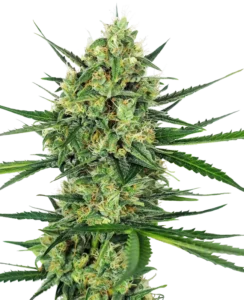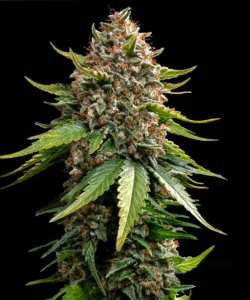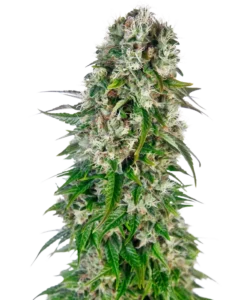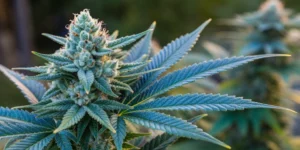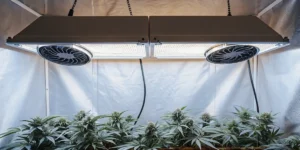


To successfully cultivate Skunk #1, begin with selecting a well-draining soil mix rich in nutrients, ideal for cannabis growth. Ensure the planting site receives ample sunlight if you are growing outdoors. Indoor growers should invest in quality lighting systems to provide the necessary light spectrum for optimal development. Maintaining a stable temperature between 70-80°F is crucial for the plant’s health.
Skunk #1 is the ancestor of countless modern hybrids, and its pungent, reliable genetics are still worth growing today. Nirvana’s Super Skunk amplifies that classic sharp, skunky punch, while our Skunk #1 keeps the original profile intact — two hardy, high-yielding plants that reward growers with heavy, aromatic, resin-coated buds.
Recommended Strains
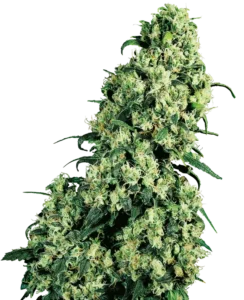
Skunk #1 Seeds

|
THC | 17% - 21% (Medium) |

|
Lineage | Acapulco Gold x Afghani x Colombian Gold |

|
Type | Feminized |

|
Height | 8.2 ft | 2.5 m |

|
Yield | High |

|
Yield Indoor | 1.31 - 1.8 oz/ft² | 400 - 550 g/m² |

|
Flowering Time | 7 - 9 weeks |

|
Phenotype | 65% Indica / 35% Sativa |

|
Effects | Hungry, Happy, Euphoric |

|
Flavors | Skunk, Pungent, Earthy |
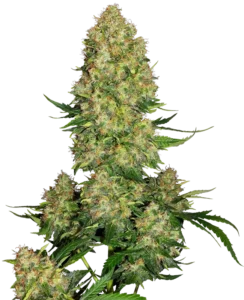
Skunk #1 Automatic
|
|
THC | 11% - 13% (Low) |
|
|
Lineage | Acapulco Gold x Afghani x Colombian Gold x Ruderalis |
|
|
Type | Feminized |
|
|
Height | 8.2 ft | 2.5 m |
|
|
Yield | Low |
|
|
Yield Indoor | 0.39 - 0.66 oz/ft² | 120 - 200 g/m² |
|
|
Flowering Time | 10 - 12 weeks |
|
|
Phenotype | 65% Indica / 35% Sativa |
|
|
Effects | Hungry, Happy, Euphoric |
|
|
Flavors | Skunk, Pungent, Earthy |
This variety thrives in a controlled environment that sustains consistent humidity levels around 40-50% during the flowering phase. As the plant matures, pay attention to pruning and topping to encourage better airflow and light penetration, promoting healthier buds. This cultivar typically has a flowering time of about 8-9 weeks, during which monitoring for pests and diseases is essential.
As harvest time approaches, observe the trichomes closely. They should turn a milky white with some amber coloring, indicating peak potency. Skunk #1 is renowned for its robust terpene profile, contributing to its signature aroma and flavor. Adequate drying and curing processes are vital to preserve these qualities, ultimately enhancing the yield and overall quality of the buds produced from this genetics.
Skunk #1 Strain Overview: Traits, Effects & Genetics
Skunk #1 is a highly renowned cannabis strain known for its distinctive aromatic profile and robust genetics. Favored by growers worldwide, this cultivar is celebrated for its balanced indica and sativa effects, making it versatile for a wide range of cultivation goals. With its consistent quality and resilience, this plant sets a benchmark in the cannabis community.
The unique attributes of this strain include its strong, skunky aroma and dense, productive buds. It typically exhibits rapid growth, allowing cultivators to achieve substantial yields with relative ease. Due to its prolific nature, this variety adapts well to various growing conditions, providing a dependable harvest whether cultivated indoors or outdoors.
This cultivar is cherished for its euphoric and relaxing effects, offering users a potent yet manageable experience. The terpene profile contributes to its distinct fragrance, blending earthy and sweet notes that attract both recreational and medicinal users. For those seeking mood enhancement or stress relief, this plant delivers consistently satisfying results.
Genetically, Skunk #1 represents a pioneering hybrid in cannabis cultivation, combining the best traits of its ancestral strains. Its genetic lineage is a testament to its stability and versatility, ensuring hardy plants that flourish across diverse environments. Growers appreciate this dependable variety for its enduring legacy and remarkable contributions to modern cannabis genetics.
Optimal Environment to Grow Skunk #1 Successfully
The optimal environment for cultivating Skunk #1 begins with setting the right indoor or outdoor conditions. This strain thrives in a controlled setting, where temperature and humidity play crucial roles. Growers should maintain temperatures between 20-28°C (68-82°F) and humidity levels around 40-50%. Such conditions promote healthy growth and ensure that the plant reaches its full potential.
Lighting is another pivotal factor in growing this cultivar. When cultivating indoors, use full-spectrum LED lights to mimic natural sunlight, providing the plant with consistent energy. Ensure the light schedule matches its growth stage, such as 18 hours of light during the vegetative phase. Proper lighting encourages not only growth but also the development of rich terpenes in this variety’s buds.
Ventilation and air circulation are essential to prevent mold and pests. Implement fans to keep the air moving, preventing stagnant pockets of humidity that can damage the crop. Additionally, this strain benefits from CO2 supplementation, which can lead to increased yield and more robust growth. With these practices, the risk of stress on these plants diminishes significantly.
Soil quality and nutrient management significantly impact the harvest of this genetic marvel. Use well-draining, nutrient-rich soil with a balanced pH of around 6.0-6.8. Fertilize the plant according to its growth stage, beginning with nitrogen-rich nutrients in the vegetative phase, followed by phosphorus and potassium as it flowers. Through careful attention and optimal conditions, Skunk #1 will reward growers with a bountiful yield of potent buds.
Grow Room Setup for Skunk #1 Plants
Creating an optimal grow room setup for this strain is essential for maximizing its potential in terms of yield and terpene profile. Temperature control is vital, as this cultivar thrives between 70-85°F with humidity levels around 40-50%. Ensuring good ventilation is crucial to prevent mold and pests from affecting the plant, ensuring healthy growth.
Lighting is another key component in the successful cultivation of this variety. LED lights are recommended to provide sufficient intensity while keeping energy consumption low. Aim for around 18 hours of light during the vegetative stage and 12 hours during flowering to encourage robust buds and optimal harvest from the plant.
The soil choice can significantly impact the health and productivity of Skunk #1. A well-aerated, nutrient-rich medium will support root development and enhance nutrient uptake. Regular feeding with balanced fertilizers will support the plant’s growth cycles, promoting substantial blooms and rich resin production necessary for quality cannabis.
Monitoring pH levels is another critical aspect when cultivating this cultivar. Keeping the pH between 6.0 and 7.0 will ensure that the nutrients are absorbed efficiently. Implementing a reliable watering schedule will help avoid over or under watering, which can stress the plant, affecting the quality of the buds upon harvest.
Indoor Growing Tips for Skunk #1
To successfully cultivate this strain indoors, growers should focus on maintaining optimal environmental conditions. This variety thrives in a controlled climate with temperatures ranging from 68°F to 78°F. Humidity levels should be kept between 40-60% to prevent mold and pests. Ensuring adequate airflow is crucial, so utilize fans and ensure proper ventilation to support healthy growth.
Lighting plays a significant role in maximizing the potential of this cultivar. Use high-quality LED grow lights to replicate the sunlight it needs. A light cycle of 18/6 hours (light/dark) during the vegetation stage and 12/12 hours during flowering will promote vigorous growth and bud development. Adjusting light intensity and distance as the plant matures helps optimize yield.
Nutrient management is a critical aspect for the plant’s cultivation. Feed it with a balanced nutrient regimen, including nitrogen, phosphorus, and potassium in appropriate ratios. Pay attention to its needs as the growing phase progresses and adjust the nutrient mix accordingly. Regularly check soil pH levels to ensure nutrient absorption, aiming for a range of 6.0 to 6.5 for best results.
Outdoor Growing Tips for Skunk #1
When cultivating this strain outdoors, selecting the right location is crucial. Ensure the plant receives ample sunlight, ideally around 12 hours a day, to encourage robust growth and maximize yield. Well-drained, nutrient-rich soil is essential for optimal health, supporting the development of potent buds. Regularly monitor the moisture levels to prevent overwatering, as it can hinder root development and plant vitality.
This variety thrives in a mild climate, preferring a warm environment with moderate humidity. The plant benefits from consistent airflow, which helps to prevent mold and other potential diseases that could affect its growth. Consider using protective measures, such as netting, against pests and animals, ensuring the safety of this cultivar throughout the growing season.
Regular pruning and trimming will enhance air circulation among the branches, contributing to healthier foliage and better light penetration. As harvest time approaches, monitor the development of the buds and the terpenes produced, ensuring peak potency and quality. This genetics is known for its rewarding harvest, with careful attention to detail resulting in an abundant and potent yield.

How to Germinate & Propagate
For successful germination of this strain, it’s essential to begin with high-quality seeds. Soak the seeds in room temperature water for 12 to 24 hours to kickstart the process. This will ensure that the seeds are sufficiently hydrated, increasing the likelihood of healthy seedlings. Growers recommend using the paper towel method, where seeds are placed between moist, not wet, towels.
Once the seeds have developed visible taproots, they are ready to be transferred to a growing medium. This variety thrives in either soil or a hydroponic system. Ensure the environment remains warm and humid to mimic the natural conditions conducive to cannabis growth. Many growers prefer to use seedling plugs or starter cubes to ease transplantation.
Propagation involves taking cuttings from mature Skunk #1 plants. Choose a healthy, thriving mother plant, and use sterile scissors to cut a 4-6 inch stem just below a node. Remove the lower leaves from the cutting, dip it in rooting hormone, and place it in a growing medium. Maintain high humidity around the cuttings to encourage root development.
As the cuttings begin to root, gradually acclimate them to less humid conditions and increase light exposure. Significant root development indicates that the plant is ready to be transplanted into a larger container or growing space. This cultivar, known for its robust growth and potent yield, requires attention to detail during the propagation phase to ensure a bountiful harvest of aromatic buds rich in terpenes.
Vegetative Stage: Nurturing Your Skunk #1 Plants
To ensure robust growth during the vegetative stage, growers need to pay close attention to their cannabis cultivation practices. Providing ample light is critical as this strain thrives with 18 to 24 hours of light per day. Proper spacing is also essential to allow each plant to spread its leaves and absorb maximum light, which will eventually lead to a bountiful yield.
This cultivar requires a nutrient-rich soil with a balanced mixture of nitrogen, phosphorus, and potassium to optimize its vegetative growth. Watering is crucial, but overwatering must be avoided to prevent root rot. Maintaining a temperature range between 70 and 85 degrees Fahrenheit is ideal, as it helps the plants develop strong, healthy structures conducive to abundant buds.
Pruning and topping this variety can encourage bushier growth. By removing lower leaves and topping the plant, growers can enhance light penetration and airflow, which contributes to an increase in potential harvest. Additionally, monitoring for pests and diseases during this period is vital; early detection ensures that the plant stays healthy and vigorous.
With careful attention to detail and consistent care, Skunk #1 can flourish throughout the vegetative stage, setting a strong foundation for its flowering phase. Taking these steps seriously not only promotes better growth but also allows the plant to reach its full potential in terms of yield and terpene profile, promising a rewarding cultivation experience.
Flowering Skunk #1: What to Expect
This strain is renowned among growers for its reliable flowering traits. As you approach the flowering phase, anticipate robust growth and a vibrant display of buds. Typically, the flowering period for this variety spans between 8 to 9 weeks, during which you’ll see the plant transform significantly, making it essential to maintain optimal conditions throughout this crucial stage of cannabis cultivation.
One remarkable feature of this cultivar during flowering is the development of its dense, resin-coated buds. Indoor growers should focus on managing light schedules and ensuring adequate nutrients to support yield. The plant responds well to proper feeding, which in turn enhances its terpene profile, contributing to Skunk #1’s signature pungent aroma and robust flavor. Regular monitoring helps prevent common issues like nutrient burn or pest infestations.
As the flowering phase progresses, you will notice the buds of this variety expanding and the terpenes intensifying. The balance of humidity and temperature is crucial at this stage to prevent mold and bud rot. Experienced growers often recommend consistent airflow and precision humidity control to safeguard the quality of the harvest. Paying close attention to these factors ensures a bountiful and high-quality yield.
Upon nearing the end of the flowering period, the plant’s trichomes will begin to change in color, indicating the prime time for harvest. This visual cue is critical in determining the potency and flavor profile of Skunk #1. It’s advisable to stagger the harvest based on this observable sign, allowing you to target varying effects and nuances in the final product. This careful harvesting approach maximizes the potential of this celebrated lineage.
Fertilizers & Nutrient Schedule
To achieve robust growth and potent buds, feeding this cultivar properly is crucial. Start with a balanced nutrient mix high in nitrogen during the vegetative stage, as it supports lush foliage and root development. This strain responds well to consistent feeding, balanced pH levels, and regular monitoring, ensuring optimal nutrient uptake, essential for successful cannabis cultivation.
As the plant transitions to the flowering stage, adjust the nutrient profile to enhance phosphorus and potassium levels. These nutrients are critical for developing dense, resin-rich buds and maximizing the yield. Careful attention to the feeding schedule can significantly impact the harvest quality and the desirable terpene profile of this variety.
Growers must remain vigilant about nutrient deficiencies or excesses. This strain, like many others, can exhibit signs of stress through leaf discoloration or stunted growth. Regularly check and adjust the nutrient solution to maintain an optimal environment for the plant’s development, ensuring a healthy and productive life cycle for the plant.
Organic fertilizers can be a beneficial choice, promoting a natural approach to feeding this cultivar. Combining organic amendments with a solid nutrient schedule can enhance soil health and contribute to the overall robustness of Skunk #1. Monitoring environmental conditions, alongside strategic feeding, will support a rewarding cultivation experience and a bountiful harvest.

Pest and Disease Prevention for Healthy Cannabis Plants
One of the most effective ways to maintain the health of cannabis like Skunk #1 is through proactive pest management. Regular inspection of the plant for common pests such as spider mites and aphids is crucial. Implementing natural predator insects, like ladybugs, can help keep these pests at bay. Consistent monitoring ensures early detection and control, supporting optimal cultivation conditions.
Environment plays a crucial role in preventing disease in this variety. Proper air circulation and humidity control are essential to minimize mold and mildew, which can devastate cannabis crops. Introducing companion plants and maintaining cleanliness in the grow area can further reduce disease risk. By ensuring a healthy environment, growers can maximize their yield and improve the quality of the buds.
Utilizing organic preventative sprays can bolster the plant’s defense against diseases and pests. Neem oil, for instance, is effective and non-toxic when used correctly. Ensuring that all equipment and tools are sanitized helps reduce disease spread among this cultivar. With these strategies, cultivators can protect their harvest, enhancing the terpene profile and overall potency of the final product.
Harvesting & Drying Skunk #1 the Right Way
Harvesting cannabis at the right time is crucial for ensuring maximum potency and flavor. For this strain, watch for signs such as the darkening of pistils and milky trichomes. The plant is ready when approximately 70% of the pistils have changed color and the trichomes appear cloudy. These visual cues indicate the peak ripeness of Skunk #1, ensuring a quality yield.
Once you’ve determined the optimal harvest time, prepare to cut the plant carefully to maintain the integrity of the buds. Handle this cultivar gently to avoid damaging the delicate trichomes that house the terpenes. By using clean, sharp scissors, you can make precise cuts, which aid the drying process and preserve the rich aroma and potent effects of this variety.
Drying is a critical step in the cultivation process, as it directly impacts the quality of the buds. After trimming, hang the branches upside down in a dark, well-ventilated area. Maintain a temperature between 60-70°F and a humidity level of 45-55% to ensure the plant dries correctly. These conditions help preserve the terpenes and cannabinoids present in the buds.
Once the buds have dried and feel crisp on the outside, it’s time to cure them. Place the buds in airtight glass jars, filling them about 75% full. Regularly open the jars to release excess moisture, a process known as burping. This method enhances the flavor and potency of the cannabis, resulting in a superior end product from Skunk #1.
Skunk #1 Strain Type: Indica, Sativa or Hybrid?
Skunk #1 is widely regarded as a classic hybrid cannabis strain, expertly combining the genetics of both Indica and Sativa. This cultivar offers growers a balanced approach in terms of plant characteristics and effects. Known for its resilient nature, the plant thrives in various cultivation environments, making it an ideal choice for both novice and experienced growers.
This strain offers a harmonious blend of growth traits inherited from its parent Indica and Sativa varieties. The plant’s structure often features strong branches and a robust framework, aiding in supporting its dense buds during harvest. As growers nurture this variety, they can observe a remarkable yielding potential, attributed to the dominant genes from its rich lineage.
Renowned for its potent terpenes, this variety offers an unmistakable aroma that is both pungent and skunky, a signature of this genetics. When cultivating this strain, one can expect a rewarding yield with a profile that appeals to a wide range of preferences. Whether grown indoors or outdoors, Skunk #1 delivers consistently impressive results, cementing its place as a valuable strain in cannabis cultivation.
Why Grow Skunk #1? Key Benefits for Cultivators
Skunk #1 is a foundational strain in the cannabis world, renowned for its robust genetics and ease of cultivation. This cultivar is known for producing consistent and high-quality yields, making it a favorite among growers. Its adaptability allows for successful cultivation both indoors and outdoors, providing flexibility in various climates and environments.
This variety stands out for its impressive yield potential. The plant’s sturdy structure and dense buds ensure a bountiful harvest, appealing to both commercial growers and hobbyists. The terpene profile of this strain, rich with skunky and earthy notes, adds to its widespread popularity. By cultivating this variety, growers can expect a reliable and potent product.
Furthermore, the resilience of this strain against pests and diseases offers a more straightforward cultivation process. Its forgiving nature provides an excellent opportunity for novice growers to hone their skills while ensuring experienced cultivators can focus on optimizing their harvest. Overall, it delivers a balanced blend of quality and efficiency in cannabis cultivation.
Potential Challenges When Growing Skunk #1
One of the primary challenges that growers face with Skunk #1 is managing its strong aroma during cultivation. This strain is renowned for its pungent odor, which stems from its abundant terpenes. Those cultivating it indoors will need efficient ventilation systems to ensure the smell does not become overwhelming. Additionally, monitoring humidity levels is crucial to prevent mold on the buds.
Another hurdle with this plant is achieving optimal yield. This variety flourishes under specific conditions, requiring balanced nutrients and consistent light exposure. Growers should invest in quality soil and nutrients to promote healthy growth. Properly timing the harvest is also essential, as this determines the potency and flavor profile of the cannabis, which are key characteristics of the plant.
Pest management can pose a significant concern when cultivating this genetics. The plant is susceptible to common intruders like spider mites and aphids. Regular inspection and proactive pest control measures are vital to protect the health of the cultivar. Implementing organic pest solutions can help maintain the ecological integrity and quality of the harvested buds.
Is This Strain Worth Buying? Here’s What You Need to Know
Skunk #1 is a well-regarded classic among cannabis enthusiasts, praised for its robust genetics and consistent performance. Growers are drawn to this cultivar for its balanced structure, making it suitable for both indoor and outdoor cultivation. Known for its pungent aroma and potent buds, it consistently delivers high yields, making it a favorite among both novice and experienced cultivators.
This strain’s terpene profile is another reason for its popularity, offering a unique and complex aroma with sweet, earthy, and pungent notes. When it comes to growth, the plant is relatively straightforward, requiring moderate maintenance. With proper care, growers can expect a sizeable harvest, making it a worthwhile investment for those seeking dependable results.
Overall, many find this variety’s balance of potency, yield, and ease of cultivation appealing. While it may require more attention during its early growth stages, the rewards of cultivating this genetics can be substantial. For anyone looking to add a proven performer to their cannabis garden, considering Skunk #1’s track record could make it a valuable choice.

FAQs
What is the ideal climate for cultivating Skunk #1?
Skunk #1 thrives in a Mediterranean climate with warm, sunny conditions. This variety requires consistent temperatures between 70-80°F (21-27°C) for optimal growth. Ample sunshine and low humidity levels help prevent mold and mildew, which this strain is susceptible to. Outdoor growers in cooler climates should consider greenhouse setups or be prepared for shorter growing seasons to ensure the plant reaches its full potential.
How long is the flowering period for Skunk #1?
The flowering time for Skunk #1 typically ranges from 8 to 9 weeks. This cultivar is known for its relatively fast flowering compared to other strains, making it popular among growers who seek quick turnaround times. Providing the plant with the right nutrients and stable environmental conditions during this phase will encourage robust bud development and increase yields.
What yield can growers expect from Skunk #1?
Skunk #1 is renowned for its generous yields, with outdoor plants often producing between 16 to 19 ounces per plant and indoor setups yielding approximately 18 ounces per square meter. This variety benefits greatly from training techniques like SCROG or pruning, which maximize light exposure and air circulation, ensuring larger and denser bud production.
Are there common problems to watch for when growing this strain?
Common issues with Skunk #1 include mold and pest infestations, largely due to its dense bud structure. Growers should maintain good ventilation to reduce humidity and regularly inspect the plant for pests such as spider mites and aphids. Using proactive measures like neem oil can help prevent infestations while ensuring that air and light penetrate the canopy effectively.
What training techniques work best with Skunk #1?
Skunk #1 responds well to numerous training techniques. Low-Stress Training (LST) and topping help increase light exposure to lower branches, boosting yield. Screen of Green (SCROG) is particularly effective in maximizing space and promoting even canopy growth. These methods encourage lateral growth and robust flowering, ensuring that growers can make the most out of this genetics’ potential.