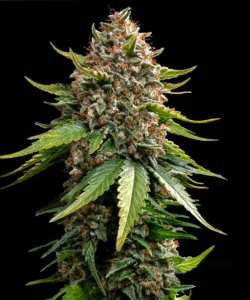


When growing Skunk #1 Auto, you’ll need to start by selecting the right environment. This strain thrives both indoors and outdoors, but consistency in temperature and lighting is key. Ensure that the temperature remains between 70-85°F (21-29°C), and the plant receives 18 hours of light for optimal growth. It’s essential for cannabis growers to maintain humidity levels between 40-60% during cultivation.
If you love that unmistakable skunky aroma but want a faster finish, the Skunk family has you covered. Nirvana’s Super Skunk delivers an intense, sharp skunk punch, while our Skunk #1 offers the timeless original profile — both vigorous, dependable plants that fill the room with pungent, classic skunk fragrance at harvest.
Recommended Strains

Skunk #1 Automatic

|
THC | 11% - 13% (Low) |

|
Lineage | Acapulco Gold x Afghani x Colombian Gold x Ruderalis |

|
Type | Feminized |

|
Height | 8.2 ft | 2.5 m |

|
Yield | Low |

|
Yield Indoor | 0.39 - 0.66 oz/ft² | 120 - 200 g/m² |

|
Flowering Time | 10 - 12 weeks |

|
Phenotype | 65% Indica / 35% Sativa |

|
Effects | Hungry, Happy, Euphoric |

|
Flavors | Skunk, Pungent, Earthy |

Skunk #1 Seeds
|
|
THC | 17% - 21% (Medium) |
|
|
Lineage | Acapulco Gold x Afghani x Colombian Gold |
|
|
Type | Feminized |
|
|
Height | 8.2 ft | 2.5 m |
|
|
Yield | High |
|
|
Yield Indoor | 1.31 - 1.8 oz/ft² | 400 - 550 g/m² |
|
|
Flowering Time | 7 - 9 weeks |
|
|
Phenotype | 65% Indica / 35% Sativa |
|
|
Effects | Hungry, Happy, Euphoric |
|
|
Flavors | Skunk, Pungent, Earthy |
This variety is known for its resilience, but adequate nutrients will enhance its performance. Use a balanced fertilizer mix rich in nitrogen, phosphorus, and potassium for robust growth. As the plant progresses to the flowering stage, adjust the nutrient blend to support bud development. This cultivar will benefit from regular watering, ensuring the soil remains moist without becoming waterlogged, to prevent root rot.
As harvest time approaches, observe the trichomes on the buds for milky white to amber hues, indicating readiness. This should occur around 8-10 weeks after cultivation begins. The plant’s terpene profile will mature during this phase, offering a potent aroma. Proper drying and curing post-harvest will enhance the flavor and potency of the yield, delivering a satisfying final product.
Skunk #1 Auto Strain Overview: Traits, Effects & Genetics
Skunk #1 Auto is an auto-flowering cannabis strain prized for its reliable growth and potent effects. This strain is well-known for its robust genetic lineage, which combines the best traits of its Skunk heritage. Growers appreciate its rapid flowering time and resilience, making it a favorite among beginners and experts alike. The ease of cultivation and consistent quality of the buds make it highly desirable.
In terms of physical traits, this variety often displays medium-sized, dense buds coated with a sticky layer of resin. The plant’s terpene profile is complex, featuring earthy, sweet, and pungent notes. These aromatic qualities contribute not only to its distinctive flavor but also to its strong effects. Due to its manageable size, it can be easily cultivated both indoors and outdoors.
When it comes to effects, this cultivar delivers a pleasant balance of relaxation and euphoria, making it suitable for various occasions. Users often report a sense of calm and clarity, which can aid in creative endeavors or unwind after a long day. Medical cannabis users may find relief from stress and mild pain, thanks to its balanced indica-sativa content.
The genetics of this cultivar provide a harmonious blend of potency and yield, resulting in abundant harvests without compromising on strength. Its auto-flowering nature means it transitions seamlessly from vegetative growth to flowering without requiring changes in light cycles. This feature is particularly beneficial for growers aiming for multiple harvests annually.
Optimal Environment to Grow Skunk #1 Auto Successfully
Creating the perfect environment for Skunk #1 Auto requires attention to several key factors in cannabis cultivation. This strain thrives in a controlled setting where temperature, humidity, and lighting are meticulously balanced. Growers should maintain temperatures between 70°F-85°F (21°C-29°C) to ensure the plant remains healthy. Maintaining this range is crucial for optimizing both growth and bud development.
Humidity control is essential for this variety to reach its full potential. During the vegetative stage, maintain a relative humidity of 40-60% to encourage robust growth. As the plant transitions to the flowering phase, gradually decrease humidity to around 40-50%. Proper management of humidity levels can prevent mold and other moisture-related issues, thus safeguarding the precious terpenes in the buds.
Lighting is another pivotal component in the successful cultivation of this cultivar. Skunk #1 Auto performs best under high-intensity light sources like LEDs or HPS systems, which mimic the sun’s spectrum. The plant requires approximately 18-20 hours of light daily during both vegetative and flowering stages. Consistent lighting schedules can significantly improve yields by enhancing the plant’s growth cycle.
While soil or hydroponic mediums can both be effective, ensuring proper nutrient delivery is vital for this genetics. Utilizing quality cannabis-specific nutrients will support the plant’s vigorous growth and contribute to a successful harvest. By focusing on these environmental parameters, growers can maximize the yield and potency of Skunk #1 Auto, achieving a bountiful and aromatic crop.
Grow Room Setup for Skunk #1 Auto Plants
Setting up a successful grow room for Skunk #1 Auto should start with selecting the right space. Ensure the area is free from pests and has adequate ventilation. This cultivar thrives with consistent air circulation, which aids in avoiding mold and pests. Growers should aim for a temperature range between 70-85°F (21-29°C) to encourage healthy growth and optimal cannabis development.
The lighting in your grow room is pivotal for this variety. Skunk #1 Auto plants need at least 18-20 hours of quality light daily to maintain vigorous growth. Full-spectrum LED lights are ideal as they provide the necessary light spectrum for photosynthesis. Adjusting light distance is crucial; ensure it’s not too close to prevent leaf burn and too far to avoid stretching.
A consistent humidity level between 40-60% is vital for this plant during its vegetative and flowering stages. It helps in maintaining healthy terpenes and robust buds. Utilize a hygrometer to monitor humidity closely. If necessary, dehumidifiers or humidifiers can be employed to regulate moisture levels effectively, enhancing the overall yield and health of the genetics.
The grow medium should be well-draining and nutrient-rich. Consider using a mix of soil or hydroponics tailored for cannabis cultivation. Regular monitoring of pH levels, ideally between 6.0 and 6.8 for soil, ensures nutrient uptake efficiency. Proper feeding with balanced nutrients promotes strong plant structure and results in a generous harvest of fragrant, potent buds.
Indoor Growing Tips for Skunk #1 Auto
Growing this strain indoors allows growers to control environmental factors, ensuring optimum results. Start with a well-ventilated space to prevent mold and pests, considering the robust nature of this variety. Maintain consistent temperatures between 70-77°F and ensure adequate lighting for the plant by using full-spectrum LED lights, promoting healthy photosynthesis and robust buds. Use high-quality soil for best results.
To maximize the yield of this cultivar, consider using techniques such as low-stress training (LST) to improve light penetration and airflow. LST helps the plant develop a more even canopy which aids in maximizing its harvest potential. Additionally, proper pruning and spacing should be implemented to minimize competition for light, allowing terpenes and cannabinoids to develop fully, enhancing the final product’s potency.
Mindful watering is essential for the cultivation of this genetics indoors. Overwatering should be avoided as it can lead to root rot, negatively affecting the plant’s health. Implement a balanced nutrient regimen, utilizing cannabis-specific nutrients to support vigorous growth and flowering. As the flowering phase begins, monitor trichome development closely to determine the optimal harvest time, ensuring a potent and aromatic yield.
Outdoor Growing Tips for Skunk #1 Auto
For successful outdoor cultivation of this strain, choose a location with ample sunlight, as the plant thrives in full sun exposure. Opt for well-draining soil enriched with organic matter to support root health. Start sowing the seeds in spring after the last frost to ensure optimum growth, and consider using fabric pots to encourage a stronger root system and healthier cannabis development.
This cultivar is known for its resilience, yet proper care is essential to maximize its yield. Regular watering, balanced with periods of dryness, can prevent root rot and fungus development. Moreover, monitor the plant for pests, introducing natural predators if necessary. Training techniques such as low-stress training can be employed to increase exposure to light and promote larger bud development.
As it nears harvest, pay close attention to the maturity of the buds. Harvest timing is crucial; look for milky or amber trichomes to determine readiness. This variety’s terpene profile can be enhanced by flushing the plant with pure water in the final weeks, ensuring a rich aroma and flavorful smoke. With these tips, growers can achieve a rewarding harvest.

How to Germinate & Propagate
Germinating Skunk #1 Auto requires precision and care to optimize cannabis profitability. Begin with high-quality seeds from reputable sources to ensure this cultivar’s robust genetics. Soak them in water for 12-24 hours to initiate the process, then transfer the seeds to a damp paper towel. This helps the plant’s taproot to emerge, essential for successful cultivation and future buds.
Once the seeds have begun to sprout, transfer them carefully into a soil medium or starter cubes. Choose a lightweight, nutrient-rich soil to support root development of this strain. Keep the environment consistently warm and humid, mimicking its natural growing conditions. A humidity dome can offer stability, aiding growers in nurturing seedlings into healthy starts for future yields.
As this variety begins to grow, lighting becomes crucial. Implement LED grow lights or fluorescent options to provide the energy necessary for photosynthesis. The plant demands around 18-20 hours of light daily, promoting steady growth. Monitor its progress and adjust heights accordingly to avoid leaf burn, ensuring the proper development of the cannabis’s vibrant terpene profile and ultimate harvest potential.
Avoid common pitfalls by maintaining regular watering and feeding schedules. Skunk #1 Auto excels when given balanced nutrients suited to its specific stage of growth. Regularly check for pests and diseases, as early detection is vital in preserving the plant’s vitality. With diligent care, growers can propagate this variety successfully, leading to robust plants and rewarding yields.
Vegetative Stage: Nurturing Your Skunk #1 Auto Plants
During the vegetative stage, it’s crucial to provide optimal conditions for Skunk #1 Auto to thrive. This strain requires ample light, ideally between 18 to 24 hours daily, to ensure robust growth. Consistent humidity levels of about 50-70% are recommended for this stage, and regular monitoring is vital for preventing mold and other humidity-related issues.
Soil quality and nutrients play a pivotal role in the healthy development of this variety. Rich, well-draining soil supplemented with nitrogen-rich fertilizers can support vigorous growth. Remember, over-fertilization might stunt the plant’s progress, so adhere to recommended dosages. Keep an eye on the plant’s leaves for signs of nutrient deficiency or excess, adjusting accordingly to maintain health.
Watering is another crucial aspect of cannabis cultivation, particularly for this cultivar. Ensuring the soil is moist but not waterlogged will prevent root rot and support nutrient uptake. It’s vital to establish a consistent watering schedule, adjusting based on temperature and humidity levels. These steps will help prepare the plant for successful flowering and, eventually, a bountiful harvest.
As growers, observing the structural integrity and growth patterns of this variety is essential. Regularly checking for pests and pruning lower leaves will improve air circulation, which is beneficial for its overall yield. Not only does this promote strong branching, but it also enhances terpene production, ultimately contributing to the richness of the buds produced before harvest.
Flowering Skunk #1 Auto: What to Expect
When cultivating Skunk #1 Auto, growers can anticipate a flowering period that typically spans between 8 to 10 weeks. This variety is renowned for its relatively quick turnaround, making it a favorite among both novice and experienced cannabis enthusiasts. During this time, the plant focuses its energy on producing robust buds that are dense and resinous, indicative of its rich genetic lineage.
As the plant approaches the flowering phase, expect it to exhibit a shift in its aroma profile, characterized by the distinctive, pungent scent of this strain. It’s crucial for growers to monitor environmental conditions closely, particularly humidity levels, to prevent mold and secure a healthy yield. This cultivar thrives with adequate light exposure, enhancing bud development and overall potency.
Throughout the flowering stage, paying attention to nutrient regimens is vital. The plant largely benefits from a balanced feeding schedule with an emphasis on phosphorus and potassium. These nutrients support the robust growth of the buds and bolster the plant’s terpene profile, leading to flavorful and potent harvests. Properly maintaining these inputs ensures the optimal development of this variety.
Harvesting at the right time is fundamental for Skunk #1 Auto to achieve its maximum potential. Utilizing magnification to check the trichomes’ coloration is a recommended practice, ensuring the perfect balance of potency and flavor. With attentive care and timely harvesting, growers can expect a rewarding yield, full of aromatic and potent buds that reflect the esteemed qualities this strain is known for.
Fertilizers & Nutrient Schedule
Feeding Skunk #1 Auto efficiently is crucial to maximizing its potential yield. As an autoflowering strain, this variety requires a slightly different approach compared to photoperiod counterparts. Start with a good-quality soil that provides a balanced mix of nutrients. A fertile, well-aerated medium can support the plant’s accelerated growth, ensuring it establishes strong roots.
During the vegetative stage, focus on nitrogen-rich fertilizers to promote vigorous growth. This cultivar benefits from a steady regimen of nutrients every week, but always monitor the EC (electrical conductivity) levels to prevent nutrient burn. Cannabis growers should also ensure their feeding schedule reflects the needs of the plant’s swift lifecycle, adapting feedings as necessary.
As the plant transitions to flowering, shift the nutrient focus to phosphorus and potassium, which are crucial for bud development. This genetic line’s terpene profile can be particularly enhanced with organic supplements. Maintain steady watering practices, allowing the medium to dry out slightly between cycles to promote healthy root aeration.
Regular monitoring of pH levels is essential throughout cultivation, as imbalances can lead to nutrition problems. By the time harvest approaches, flushing the medium with pure water can help purify the buds for a smoother flavor. Skunk #1 Auto growers will see the best results when they adapt their nutrition strategies to the plant’s swift growth requirements.

Pest and Disease Prevention for Healthy Cannabis Plants
Ensuring the health of Skunk #1 Auto involves proactive pest and disease prevention measures. Start by maintaining a clean growing environment, as cleanliness deters pests from settling. Regularly inspect this cultivar for signs of common cannabis pests like spider mites and aphids, and immediately remove infested leaves. Using organic pest control solutions can prevent potential yield loss without harming the plant’s precious buds.
Proper ventilation is crucial for preventing fungal diseases in this strain, such as powdery mildew. Keep humidity levels in check to reduce the risk of mold developing on the plant. Equipping your grow space with oscillating fans can encourage air circulation, reducing disease risk. By monitoring environmental conditions, growers can safeguard the health and terpene profile of this variety.
Incorporate companion planting techniques by placing pest-repellent plants, like marigolds, near Skunk #1 Auto. These plants can naturally deter pests, providing an organic layer of defense. Employ neem oil as a preventive spray to further boost the resistance of this genetics against common threats. Consistent efforts in pest and disease management will ensure a robust harvest and optimal yield.
Harvesting & Drying Skunk #1 Auto the Right Way
Identifying the optimal time to harvest is crucial for ensuring the best quality buds. For this strain, observing the trichomes is key; when they shift from clear to a milky white, it’s time to harvest. This stage ensures that the terpenes and cannabinoids are at their peak, providing a potent and flavorful experience for consumers.
Begin the drying process immediately after harvest to preserve the unique characteristics of this variety. Trim the branches and hang them upside down in a dark, well-ventilated space with temperatures between 60-70°F and humidity levels of 50-60%. This environment prevents mold and preserves the rich terpenes that define the quality of the plant.
Monitor the drying process closely, as it typically takes 7-10 days. The buds should be dry to the touch, but not brittle. This careful approach in drying is essential to retain the potency and aromatic profile of this cultivar. Properly dried cannabis ensures a higher yield of usable material and a better overall product for growers and consumers alike.
Once the drying process is complete, cure the buds in airtight jars to enhance their flavor and potency. Open the jars daily to check for mold and ensure proper moisture levels. Curing Skunk #1 Auto for at least two weeks will deepen its aromatic complexity and smoothen the smoke, delivering the best results from your cultivation efforts.
Skunk #1 Auto Strain Type: Indica, Sativa or Hybrid?
Skunk #1 Auto is renowned for its balanced genetics, emerging as a hybrid with a slight Sativa dominance. This variety combines the best attributes of both Indica and Sativa, offering a harmonious blend that’s appreciated by many growers. Its hybrid nature makes it adaptable for cultivation in various climates, contributing to a robust yield and rewarding harvest.
This cultivar’s Sativa characteristics contribute to its vigorous growth and elongated buds, which are packed with aromatic terpenes. Growers often choose this strain for its manageable size and ease of cultivation. The hybrid genetic makeup ensures that the plant maintains a sturdy structure while still delivering high-energy effects, making it a versatile choice for both novices and experienced cultivators.
While the plant leans towards Sativa, its Indica traits provide a relaxing effect that balances out the energetic high. This unique combination makes Skunk #1 Auto highly sought after in the cannabis community. With its diverse cannabinoid profile, enthusiasts can enjoy a wide range of benefits, from potency to flavor, all encapsulated in this exceptional strain.
Why Grow Skunk #1 Auto? Key Benefits for Cultivators
Skunk #1 Auto offers several advantages for cannabis cultivators, making it a popular choice. One of the key benefits of this strain is its rapid growth cycle, which allows growers to achieve a faster harvest. This makes it ideal for those with limited time or anyone aiming to optimize their cultivation schedule without sacrificing quality.
This variety is renowned for its resilience, adapting well to various growing conditions. Its robust genetics provide a stable and consistent yield, while the plant’s structure ensures that it can flourish indoors and outdoors. Additionally, the rich terpene profile of this cultivar contributes to the aromatic and potent buds that many cannabis enthusiasts favor.
Growers particularly appreciate the low-maintenance aspect of the plant, which requires minimal intervention to thrive. Moreover, Skunk #1 Auto’s ability to produce generous yields consistently, coupled with its aromatic buds, highlights its economic efficiency for both novice and seasoned cultivators. Overall, it stands out as a versatile and rewarding choice for anyone looking to enhance their cannabis cultivation efforts.
Potential Challenges When Growing Skunk #1 Auto
Growing this strain can present several challenges that both novice and experienced growers should be mindful of. One common issue is maintaining optimal temperature and humidity levels. This cultivar, like many cannabis varieties, thrives in a controlled environment. Overly high humidity can lead to mold and mildew, which can affect the quality of the buds. Close monitoring of environmental conditions is essential.
Another challenge when cultivating this variety is nutrient management. The plant requires a balanced diet with the right mix of macro and micro-nutrients to reach its full potential. Nutrient deficiencies or imbalances can lead to poor growth and lower yields. Implementing a tailored feeding schedule can support the development of healthy, resin-coated buds rich in terpenes.
Finally, pest control is crucial for ensuring a successful harvest. Although Skunk #1 Auto is relatively resilient, it is not immune to common cannabis pests like spider mites and aphids. Regular inspection and preventative measures can help reduce the risk of infestation. Employing organic pest control methods can protect the plant without compromising its quality.
Is This Strain Worth Buying? Here’s What You Need to Know
Skunk #1 Auto has become a popular option for many cannabis enthusiasts due to its ease of cultivation and reliable yields. This strain, known for its robust genetics, thrives in both indoor and outdoor settings, making it an excellent choice for growers looking for flexibility. Moreover, the plant’s compact size and rapid flowering period appeal to those seeking efficiency.
This variety offers not only convenience in cultivation but also quality in its produce. The buds from this cultivar are densely packed with flavorful terpenes, providing an aromatic experience that delights the senses. Furthermore, the plant consistently produces a significant yield, which is a major draw for both novice and experienced growers alike, promising a rewarding harvest.
For those contemplating whether this strain is worth purchasing, the answer lies in its impressive track record and user-friendly nature. Skunk #1 Auto stands out as a practical choice for anyone interested in cultivating cannabis with minimal hassle. With its consistent performance and satisfying results, this variety is certainly a strong contender in the market.

FAQs
What is the ideal climate for growing Skunk #1 Auto?
Skunk #1 Auto thrives in a temperate climate with plenty of sunshine. This strain prefers consistent warmth, making it suitable for indoor growing where conditions can be controlled. Outdoor growers should aim to cultivate this variety during late spring to early summer to maximize exposure to sunlight. With proper conditions, the plant can reach its full potential in both yield and potency.
How long does Skunk #1 Auto take to flower?
On average, Skunk #1 Auto flowers in about 8-9 weeks from germination. This quick turnaround is typical for autoflowering strains, making it a popular choice for those looking to harvest multiple times a year. The plant transitions smoothly from vegetative to flowering, minimizing the need for complicated light schedules. Ensuring proper nutrient supply and optimal growing conditions will help maintain this schedule.
What are common nutrient needs for Skunk #1 Auto?
Skunk #1 Auto benefits from a balanced nutrient regimen, especially during its rapid growth cycle. It requires higher levels of nitrogen during the vegetative stage and increased phosphorus and potassium once flowering begins. Being an autoflowering strain, this plant can be sensitive to overfeeding, so start with lower nutrient concentrations and adjust as needed. Consistent monitoring will ensure its health and productivity.
What training techniques work best for this variety?
Training techniques like Low-Stress Training (LST) and ScrOG (Screen of Green) are effective for Skunk #1 Auto. These methods help manage the plant’s canopy, promoting light penetration and air circulation. Given the plant’s rapid life cycle, avoid high-stress techniques like topping or fimming, which can stunt its growth. Instead, gentle bending and securing of branches will aid in achieving a more uniform and productive structure.
How can I address common problems with Skunk #1 Auto?
Common issues with Skunk #1 Auto include nutrient burn and overwatering, both of which can be mitigated with careful attention. Ensure a well-draining soil mix to prevent root rot and maintain a consistent watering schedule to avoid stress. Regular inspection for pests and mold, especially in humid conditions, will help keep the plant healthy. Prompt action and adjusting cultivation practices can effectively manage these challenges.