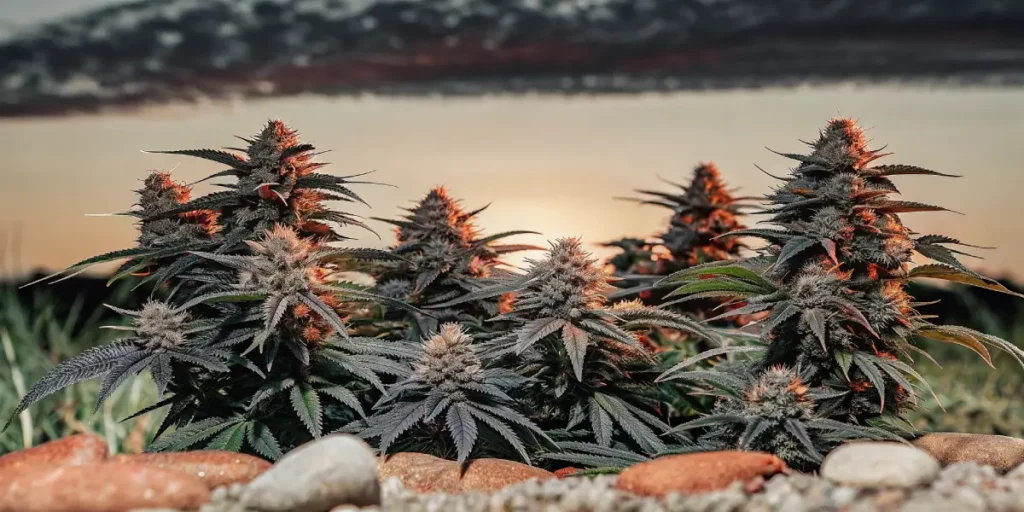

Sour Strawberry is a flavorful hybrid strain loved for its sweet-and-sour strawberry aroma, balanced effects, and grow-friendly resilience. In this guide you’ll learn how to germinate, set up the ideal environment, manage veg and flowering, dial in nutrients, prevent pests, and harvest at peak trichome maturity so you can produce dense, aromatic buds with strong flavor and solid yields indoors or outdoors.
If you love bright, sweet strawberry flavours, this is not the only berry strain worth a grow. Our roundup of the top strawberry cannabis strains gathers the most aromatic, fruit-forward options in one place, helping you choose the berry genetics that fit your garden and your palate for a sweet, flavourful harvest.
Recommended Strains
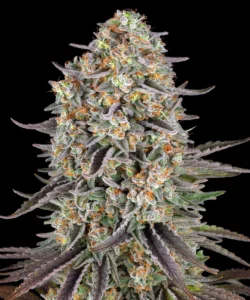
Sour Strawberry

|
THC | 24% - 25% (High) |

|
Lineage | Strawberry Kush x Sour Diesel |

|
Type | Feminized |

|
Height | 5.74 ft | 1.75 m |

|
Yield Outdoor | 52.91 - 70.55 oz/plant | 1500 - 2000 g/plant |

|
Flowering Time | 9 - 10 weeks |

|
Phenotype | 40% Indica / 60% Sativa |

|
Effects | Creative, Energetic, Euphoric, Happy, Relaxed |

|
Flavors | Diesel, Earthy, Pungent, Strawberry, Sweet |
Strawberry Haze Auto
|
|
THC | 15% - 17% (Medium) |
|
|
Lineage | Strawberry Haze x Ruderalis |
|
|
Type | Autoflowering |
|
|
Height | 4.27 ft | 1.3 m |

|
Yield | High |

|
Yield Indoor | 1.97 oz/ft² | 600 g/m² |
|
|
Yield Outdoor | 10.58 oz/plant | 300 g/plant |
|
|
Life Cycle | 10 - 11 weeks |
|
|
Phenotype | 30% Indica / 70% Sativa |
|
|
Effects | Energetic |
|
|
Flavors | Citrus, Strawberry |
Berry lovers rarely stop at one strain, and there is an obvious next grow to line up here. Our step-by-step guide to growing Strawberry Lemonade walks through a zesty, fruit-forward cultivar with similar appeal, covering germination, structure, feeding and flowering, so you know exactly what to expect before committing space to another sweet, aromatic plant.
Growing Sour Strawberry, a unique and flavorful cannabis strain known for its fruity aroma and balanced effects, requires a bit of know-how to ensure optimal results. To start, it’s important to choose high-quality seeds from a reputable source. This strain thrives in both indoor and outdoor environments, but growing indoors allows for greater control over the growing conditions. Initiate the process by germinating the seeds using the paper towel method or directly planting them in a starter medium, ensuring they have access to moisture and warmth to encourage sprouting.
Once the seeds have sprouted, they should be transplanted to a larger pot or plot. Ensure that the growing medium is rich in nutrients, retaining moisture yet allowing for excellent drainage. Sour Strawberry benefits from organic soil enriched with perlite or coco coir to enhance aeration. When cultivating indoors, it is essential to maintain a temperature between 68-77°F (20-25°C) and a relative humidity of 50-60%. Adequate lighting is critical; use high-quality LED or HPS lamps to mimic the sun’s full spectrum for at least 18 hours a day during the vegetative phase.
As the plants progress into the flowering stage, typically around the 8-9 week mark, it is crucial to adjust the lighting schedule to 12 hours of light followed by 12 hours of darkness to encourage budding. Implementing a feeding schedule rich in phosphorus and potassium will promote robust flower development. As flowering progresses, you may notice the distinct sour and strawberry-like aroma intensifying. Regular pruning and trimming will help ensure good air circulation and prevent mold or pest infestations, which can compromise the plant’s health.
Harvest time usually arrives around 8-10 weeks after the onset of flowering. It’s best to harvest when at least half of the trichomes on the buds turn from clear to milky white, with some turning amber for a more relaxing effect. Once harvested, hang the buds in a dark, cool, and well-ventilated area to dry, typically for 7-10 days. Upon achieving the right dryness level, curing is paramount to enhance the flavor profile and potency; store the buds in airtight glass jars, opening them daily for a few minutes in the first week to ensure proper air exchange.
With these steps, you can cultivate Sour Strawberry cannabis with success, ensuring a visually appealing appearance and a memorable taste. Following this guide will aid in achieving high yields and potent, aromatic buds, making the process both rewarding and enjoyable for growers of all experience levels.
Sour Strawberry Strain Overview: Traits, Effects & Genetics
Sour Strawberry is a hybrid cannabis strain that intrigues enthusiasts with its unique characteristics and delightful effects. Its genetic lineage primarily stems from a cross between Strawberry Kush, Razzberry, and East Coast Sour Diesel, resulting in a delightful blend of flavors and effects. This strain is particularly well-regarded for its balanced nature, offering both sativa and indica effects that cater to a wide range of consumers. Its diverse parentage contributes to its multifaceted aroma and taste, making Sour Strawberry a captivating strain for both novice and experienced users.
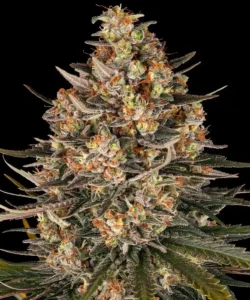
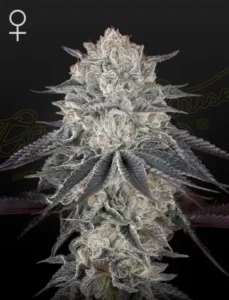
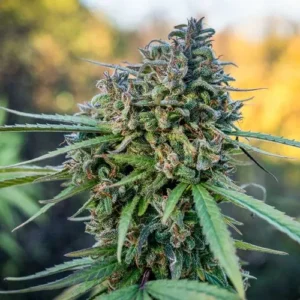
The physical traits of Sour Strawberry manifest in its striking appearance. It typically showcases dense, medium-sized buds that are adorned with a frosty layer of trichomes, reflective of its potent nature. The color palette of Sour Strawberry buds includes deep greens with occasional purple hues, interspersed with vibrant pistils that run a spectrum from orange to red. This strain gets its name from the enticing aroma and taste profile that captures a blend of tart, fruity notes reminiscent of fresh strawberries contrasted with the pungent diesel undertones from its Sour Diesel ancestry.
The effects of Sour Strawberry are particularly favorable for those seeking a balanced high. Users often report an initial cerebral uplift that sparks creativity and conversation, making it an ideal choice for social settings or artistic endeavors. As the high progresses, the more calming indica traits surface, providing a soothing body relaxation without inducing a heavy sense of lethargy. This makes Sour Strawberry suitable for daytime or evening use, catering to individuals looking for relief from stress, anxiety, or mild physical discomfort while maintaining functionality and alertness.
The genetics of Sour Strawberry are a key contributor to its popularity among growers and consumers alike. By combining the desirable traits of its parent strains, it offers a robust growth pattern that thrives under a variety of conditions. For cultivators, its resilience to common pests and molds, combined with a moderate flowering period, makes it an attractive option. Additionally, Sour Strawberry’s rewarding yield and high-quality harvest make it a favored choice for those who appreciate a strain that delivers both in the garden and the smoking session.
| Feature | Details |
|---|---|
| Strain type | Balanced hybrid (Indica + Sativa) |
| Genetics mentioned | Strawberry Kush × Razzberry × East Coast Sour Diesel (also referenced: Strawberry Diesel × Sour Bubble; mentions Sour Bubble elsewhere) |
| Aroma & flavor | Tart strawberry, fruity sweetness, earthy/diesel notes |
| Veg light cycle | 18/6 (up to 18–24 hours mentioned) |
| Flower light cycle | 12/12 |
| Temperature | ~68–77°F (20–25°C) / also referenced 70–80°F (21–27°C) |
| Humidity (veg) | ~50–70% (varies by section) |
| Humidity (flower) | ~40–50% (some sections mention 30–40%) |
| Flowering time | ~8–9 weeks (some sections mention 9–10) |
| Harvest window | ~8–10 weeks after flowering starts; harvest at mostly milky trichomes with some amber |
| Drying | 7–10 days, dark + ventilated (60–70°F, 45–55% RH mentioned) |
| Curing | Airtight jars, daily burping first week |
Optimal Environment to Grow Sour Strawberry Successfully
The Sour Strawberry cannabis strain thrives best in a carefully controlled environment that mimics its natural habitat. To begin with, an ideal temperature range is crucial for the successful growth of this strain. Maintaining temperatures between 70°F and 80°F (21°C to 27°C) during the day helps the plant to maximize photosynthesis and develop robust buds. At night, a slight drop to 60°F to 70°F (16°C to 21°C) ensures the plant experiences the natural temperature fluctuations it thrives on, contributing to a more potent flavor and aroma profile.
Humidity control is another vital aspect. During the vegetative stage, maintain higher humidity levels of around 60% to 70% as the plants will require more moisture to support their rapid growth. As the plants transition into the flowering stage, gradually reduce humidity to about 40% to 50%, which helps in preventing mold and mildew that can threaten bud development. Proper ventilation and air circulation also play critical roles in maintaining these humidity levels and ensuring the plant’s health and productivity.
Lighting is paramount for optimizing indoor growth of Sour Strawberry. This strain benefits from high-intensity lighting, ideally using full-spectrum LED grow lights to simulate natural sunlight. During the vegetative phase, Sour Strawberry requires about 18 to 24 hours of light daily. Once the flowering period starts, switch to a 12-hour light cycle. This emulates the natural light reduction in fall and encourages the plant to produce dense, resinous buds synonymous with the Sour Strawberry name.
Soil quality can significantly influence the success of growing Sour Strawberry. The chosen soil should be nutrient-rich and well-draining, with a slightly acidic pH level of about 6.0 to 6.5. A balanced nutrient feed containing essential macro and micronutrients is crucial throughout the plant’s growth stages. Monitoring the soil’s nutrient levels and pH regularly ensures the Sour Strawberry plants receive all necessary elements to reach their full potential in terms of size, yield, and cannabinoid content.
Grow Room Setup for sour strawberry Plants
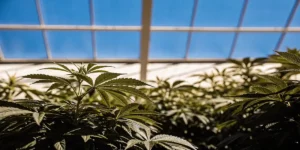
Setting up a grow room for Sour Strawberry plants is an exciting endeavor that promises a fruitful yield when done correctly. The first step in creating an optimal environment is choosing the right space. Sour Strawberry, being a hybrid strain, requires a stable environment for healthy growth. An ideal grow room should be spacious enough to allow for the plant’s lateral expansion. Consider a space that accommodates a ceiling height of at least six feet to enable the plants to reach their potential size without restrictions.
Temperature and humidity control is critical to the successful cultivation of Sour Strawberry cannabis. Maintaining a consistent temperature between 70°F to 80°F (21°C to 27°C) during the vegetative stage and slightly cooler temperatures of around 68°F (20°C) during the flowering stage will keep the plants healthy. Humidity should be kept at 50-60% during vegetative growth and lowered to 40-50% during flowering. Using a combination of digital thermometers, hygrometers, air conditioning units, and humidifiers/dehumidifiers will aid in achieving these conditions.
Lighting is arguably the most crucial factor for robust cannabis plant growth. Sour Strawberry plants thrive under full spectrum LED grow lights that simulate natural sunlight. Ensure that your lights are adjustable to maintain the optimal distance of 12-18 inches above the canopy, preventing light burn while ensuring adequate light penetration. A light schedule of 18 hours of light and 6 hours of darkness during the vegetative stage, followed by 12 hours of light and 12 hours of darkness during flowering, is recommended.
Ventilation is another key component in grow room setup. Proper airflow helps prevent mold and mildew, which can devastate a Sour Strawberry crop. Install an efficient exhaust fan and carbon filter system to remove stale air and odor, paired with oscillating fans to circulate fresh air throughout the grow space. This setup will also help fortify the stems and branches, making them sturdier and better able to support heavy buds.
Finally, consider the layout of your grow room to facilitate ease of access and maintenance. Arrange your Sour Strawberry plants so you can easily reach each one for watering, trimming, and inspecting for pests or diseases. Group your plants based on similar growth stages and consider using benches or tables to elevate them for better access. With a well-thought-out grow room setup, you’ll set the foundation for a successful Sour Strawberry cannabis harvest.
Indoor Growing Tips
The Sour Strawberry strain is known for its delightful blend of sweet and sour flavors, making it a favorite among cannabis enthusiasts. When cultivating Sour Strawberry indoors, the primary focus should be on creating an optimal environment that mirrors its natural habitat. Adequate lighting is crucial; using high-quality LED grow lights can simulate the sunlight needed for the plant’s healthy growth. Aim for a light cycle of 18 hours on and 6 hours off during the vegetative stage, transitioning to 12 hours on and 12 hours off during the flowering stage. This change mimics the natural progression of seasons, encouraging robust bud development.
Temperature and humidity control are essential when growing Sour Strawberry indoors. The ideal temperature ranges between 70-80°F (21-27°C) during the day and slightly cooler at night. Keeping this range steady will ensure the plant’s metabolic processes function smoothly. Humidity should be kept around 40-50% during the vegetative stage to prevent mold and pest infestations while supporting healthy growth. Reducing humidity to 30-40% during flowering helps protect the buds from rot and enhances resin production, ensuring a richer flavor profile.
Another vital consideration is the choice of soil and nutrients. Sour Strawberry thrives best in balanced, well-draining soil rich in organic matter. A mix that includes perlite or vermiculite can improve aeration and prevent waterlogging. Incorporating organic fertilizers rich in nitrogen, phosphorus, and potassium will support vibrant growth and flowering. Regularly feeding the plants and monitoring their nutrient intake will prevent deficiencies. Additionally, maintaining proper air circulation using fans will strengthen the plant’s stems and promote overall resilience, especially during the flowering stage when the plant becomes heavier.
Pruning and training techniques can significantly enhance the indoor yield of Sour Strawberry. Regularly remove any dead leaves and lower branches that are not receiving sufficient light to allow the plant to focus its energy on producing dense, flavorful buds. Implementing methods such as topping or Low-Stress Training (LST) can maximize light exposure across the plant’s canopy, further stimulating growth. These techniques can also help manage the plant’s height, making it more suitable for indoor spaces.
Outdoor Growing Tips
Growing Sour Strawberry outdoors can be a rewarding endeavor, producing a robust yield of buds with a delightful aroma and flavor profile that hints at both its parent strains. To begin with, selecting the right location is crucial. Sour Strawberry plants thrive in a warm and sunny climate, ideally similar to a Mediterranean environment. The location should receive plenty of sunlight, as cannabis plants generally require at least 6 to 8 hours of sun exposure daily to foster optimal growth. Ensure the area is sheltered from fierce winds, which can damage the plants, but also has good air circulation to prevent mold.
Soil quality plays a significant role in the successful cultivation of Sour Strawberry outdoors. Rich, well-draining soil is essential since cannabis does not perform well in waterlogged conditions. It’s advisable to enhance the native soil with organic compost or well-rotted manure to boost its fertility and drainage capacity. Additionally, Sour Strawberry loves a slightly acidic to neutral pH, ideally between 6.0 and 7.0. Regular soil pH checks and amendments may be necessary to maintain optimal conditions for nutrient uptake.
Watering practices need to be carefully managed to encourage healthy plant growth while protecting against mold and root rot. During the initial growth stages, keep the soil consistently moist, but reduce watering as the plants mature. Pay attention to weather conditions, as there may be a need to increase watering during prolonged dry spells or decrease it during wet weather periods. Mulching around the base of the plant can help conserve moisture, regulate soil temperature, and suppress weed growth, establishing a more favorable growing environment.
Finally, training and pruning techniques can be beneficial for outdoor-grown Sour Strawberry. Employing methods like topping or low-stress training (LST) can enhance light penetration and air flow, leading to more robust bud development and yields. Regular pruning of lower leaves also helps prevent pest and disease issues by allowing better air circulation and sun exposure to all parts of the plant. Keep an eye out for signs of pests and disease, and address any issues promptly with suitable organic or natural remedies to maintain plant health without compromising the final product’s quality and safety.
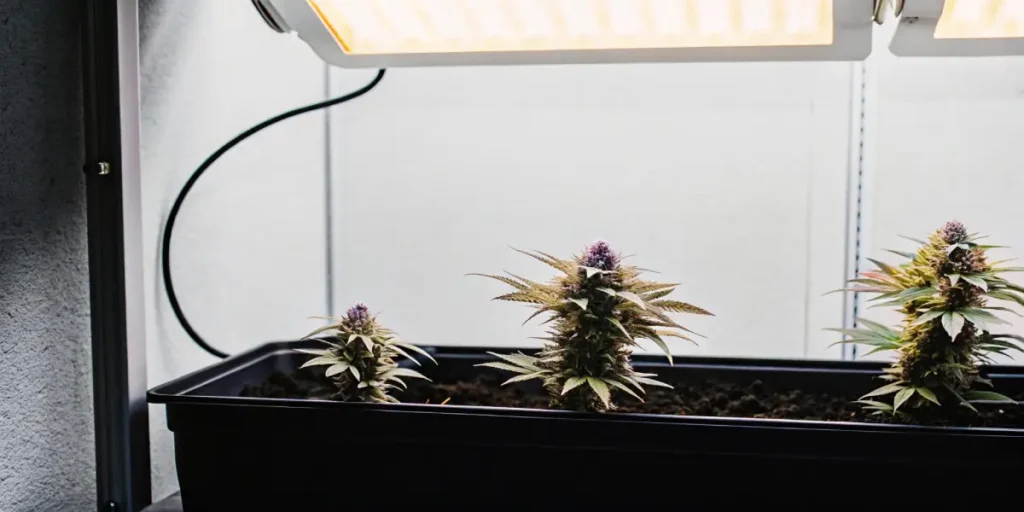
How to Germinate & Propagate Sour Strawberry
Germinating and propagating Sour Strawberry cannabis seeds require specific steps to ensure successful growth. Begin with selecting high-quality seeds which could be purchased from reputable sources. Start the germination process by soaking the seeds in lukewarm water for 12 to 24 hours. This step helps to soften the seed coat and encourage the inner seed to sprout. After soaking, transfer the seeds to a damp paper towel, place it inside a plastic bag or a closed container to maintain humidity, and store it in a warm, dark space such as the top of a refrigerator. Check daily for the emergence of taproots, which typically appear within 48 to 72 hours.
Once the seeds have germinated and the taproots are visible, they are ready to be planted in your chosen growing medium. For Sour Strawberry, a well-aerated soil mix with a pH level of 6.0 to 6.5 works best for initial planting. Create a small hole in the soil, about a quarter inch deep, and gently place the seed in it with the taproot facing down. Cover the seed lightly with more soil and try to avoid compacting it too tightly. Ensure the soil remains moist but not overly saturated, as excessive moisture can lead to rot.
Propagation from cuttings is another effective way to grow Sour Strawberry, allowing you to clone plants with desirable characteristics. To propagate using cuttings, select a healthy mother plant and cut a 4-6 inch section from a lower branch. Trim excess leaves to reduce transpiration and dip the cut end in a rooting hormone to encourage root development. Plant the cutting in a specialized grow medium or potting soil and keep it in a humid, warm environment. Use a plastic dome or mist the cuttings regularly to maintain adequate humidity until new roots form and the plant establishes.
After successful germination and propagation, monitor the light and temperature conditions closely to ensure successful growth. Sour Strawberry cannabis plants thrive in environments with consistent temperatures between 70-85°F during the day and a slightly cooler temperature at night. Keep lighting on an 18-6 schedule (18 hours on, 6 hours off) during the vegetative stage to promote healthy development. With time, care, and attention to these guidelines, you can successfully germinate and propagate Sour Strawberry cannabis plants for a fruitful yield.
Vegetative Stage: Nurturing Your Sour Strawberry Plants
The vegetative stage is a crucial period in the growth cycle of Sour Strawberry cannabis plants, marking the phase where plants develop their leafy structure and increase in size. These early weeks set the foundation for a healthy and robust plant. The Sour Strawberry strain, known for its delightful fruit flavor and aroma, requires careful attention during this stage. To begin, ensure your plants receive about 18-24 hours of light each day. This extended exposure to light mimics the long summer days, promoting vigorous vegetative growth. Why is this so crucial? Proper lighting encourages the development of strong stems and extensive foliage, essential for the plant’s overall health and future yield.
The soil or growing medium is another critical factor during this stage. Sour Strawberry plants thrive in well-aerated soils rich in organic matter. Using high-quality soil with good drainage capabilities will prevent root rot and other moisture-related diseases. Regular monitoring of pH levels is also essential; ideally, soil pH should be kept between 6.0 and 6.5. This range ensures that essential nutrients are readily available for absorption. Remember that over-watering can lead to nutrient lockout and root damage, so aim to water your plants when the top inch of soil feels dry to the touch.
Feeding your Sour Strawberry plants with the correct nutrients is vital for optimal growth during the vegetative stage. They have a higher nitrogen requirement during this period, which is crucial for developing lush, green foliage. Consider using organic fertilizers or specially formulated cannabis nutrients that provide a balanced mix of nitrogen, phosphorus, and potassium. Regularly inspect your plants for any signs of nutrient deficiency or excess, such as yellowing leaves or burnt tips, and adjust your feeding regimen accordingly. Maintaining a consistent feeding schedule while being attentive to your plants’ specific needs will support robust growth during this vital stage.
Temperature and humidity control are also vital aspects of nurturing Sour Strawberry during the vegetative phase. Aim to maintain daytime temperatures between 70°F and 85°F (21°C to 29°C) and slightly lower temperatures during the night. High humidity levels, around 60%-70%, are beneficial in the early vegetative stage, promoting optimal transpiration and nutrient uptake. As the plants grow, gradually decrease humidity levels to about 40%-50% to prevent mold and mildew formation. Ensuring proper airflow within your growing space will support these conditions and further safeguard against pests and diseases.
Ultimately, nurturing Sour Strawberry cannabis during its vegetative stage is a multifaceted process that requires attention to lighting, soil quality, nutrients, and environmental conditions. By providing the ideal settings, you are laying the groundwork for healthy plants capable of producing flavorful and aromatic buds. Paying close attention to the needs of your Sour Strawberry plants during these formative weeks will reward you with a bountiful and high-quality harvest.
Flowering Sour Strawberry: What to Expect
The flowering stage of Sour Strawberry is a crucial phase in the cannabis growing cycle, lasting typically between 8 to 9 weeks. During this time, you’ll notice significant changes as the plant transitions from vegetative growth to producing aromatic and resinous buds. Expect the plant to stretch significantly, up to twice its height in some cases. This strain is known for its beautiful aesthetic, as the flowers tend to develop in varying shades of green, purple, and rust tones. Growers should ensure that this period is monitored closely to optimize health and yield, beginning with appropriate light scheduling and nutrient adjustments specific to the strain’s requirements.
Sour Strawberry’s flowering stage invites a fascinating complexity of aromas. As the buds mature, they emit a compelling fragrance profile characterized by sweet berry scents mingled with earthy undertones, reminiscent of wild strawberries. This aromatic development is a good indication that the plant is healthy and maturing as expected. It’s important for growers to maintain a controlled environment with good air circulation, as this helps prevent mold and mildew, which can be detrimental during the flowering stage.
As the flowering phase progresses, your care routine should adapt accordingly. Nutrient requirements shift significantly, with increased emphasis on phosphorus and potassium to support bud growth and potency. This nutrient adjustment should align with regular feedings but careful not to over-fertilize, as Sour Strawberry can be sensitive to nutrient burn. Monitoring the trichomes—the tiny, crystal-like structures on the buds—is essential for determining the optimal harvest time. As they turn from clear to cloudy, and finally to an amber hue, you’ll be able to assess when the Sour Strawberry is at its peak potency and flavor.
During the final weeks of flowering, it’s beneficial to reduce humidity levels to prevent bud rot and mold, common issues with dense-budded strains like Sour Strawberry. Similarly, constant checking for any pest presence is crucial. Techniques like flushing (using plain water to clear out nutrients from the soil) are often employed during the last weeks to enhance the natural flavor of the strain by removing excess fertilizer. When cultivated under optimal conditions, the flowering stage of Sour Strawberry is not just a feast for the eyes but a rewarding prelude to harvest, offering high-quality buds rich in THC and with a distinctive sweet and sour profile.
Feeding sour strawberry: Fertilizers & Nutrient Schedule
Sour Strawberry is a delightful cannabis strain known for its aromatic blend of sour and fruity flavors. To cultivate Sour Strawberry successfully, it is essential to provide an optimized nutrient schedule that caters to its growing cycle. The journey typically starts with the seedling stage, when the plant requires a gentle introduction to fertilizers. Begin with a diluted solution of a balanced, all-purpose nutrient mix to enable strong root development without overwhelming the young plant. Use half the recommended strength nutrient solution during this phase, ensuring that the soil remains light and airy for optimal root penetration.
As Sour Strawberry enters the vegetative stage, its nutritional needs shift significantly. This phase demands a higher concentration of nitrogen, crucial for the robust development of stems and foliage. Implement a growth-focused fertilizer, ensuring a higher nitrogen content, supplemented with balanced levels of phosphorous and potassium. Consider a nutrient blend with a ratio of approximately 3-1-2 (N-P-K) to meet these requirements. Stick to a feeding schedule of once per week, monitoring the plants closely for any signs of nutrient deficiency or over-fertilization, which might manifest as yellowing leaves or nutrient burn, respectively.
Transition to the flowering stage calls for another adjustment in the feeding regimen. At this point, Sour Strawberry benefits from increased phosphorous to encourage abundant flower production, so switch to a fertilizer with a lower nitrogen content and higher levels of phosphorous and potassium, such as a 1-3-4 ratio. Maintain a regular feeding schedule every one to two weeks, again observing plant health and growth habits. Periodically flushing the soil with plain water can help prevent nutrient buildup, promoting cleaner and tastier buds come harvest time. Through meticulous monitoring and adjustment of feeding strategies, growers can achieve a thriving Sour Strawberry crop.
Pest and Disease Prevention for Healthy Cannabis Plants
The vibrant terpene profile and striking appearance of the Sour Strawberry strain make it a favorite among cannabis cultivators. However, like any other variety, it is susceptible to a plethora of pests and diseases that can compromise the health and yield of your plants. To ensure a robust crop, cultivating Sour Strawberry demands a proactive approach to pest and disease prevention. This includes regular plant inspections, maintaining environmental controls, and implementing organic and synthetic deterrence methods.
First and foremost, regular inspection of your cannabis plants is critical. Regularly checking the plants enables early detection of any unusual signs such as discolored leaves, spots, or deformities which might indicate the presence of pests or the onset of diseases. For the Sour Strawberry strain, pay particular attention to the undersides of leaves, as pests like spider mites and aphids tend to congregate there. Early detection allows for immediate intervention before an infestation can take hold and spread to the entire crop.
Environmental control plays a significant role in preventing pests and diseases. Keeping the growing area clean and free from debris minimizes potential breeding grounds for pests. It is crucial to maintain appropriate temperature and humidity levels, as high humidity can foster fungal diseases such as powdery mildew and mold. For the Sour Strawberry strain, ideal conditions include a temperature range of 70-80°F and a relative humidity of 40-50%. Ensure good air circulation with fans to prevent stale air that pests thrive in.
When it comes to pest control, consider using organic solutions as a first line of defense. Neem oil, insecticidal soap, and diatomaceous earth are effective against a wide range of cannabis pests without being harmful to the plant or the environment. For the Sour Strawberry strain, neem oil is particularly beneficial as it combats both pests and fungal infections. In more severe cases, biological controls, such as introducing beneficial insects like ladybugs, can help control pest populations without the need for harsh chemicals.
Finally, implementing companion planting can be beneficial in pest prevention. Planting marigolds or basil near your Sour Strawberry crop can help deter pests naturally due to their pungent scents. These companion plants can act as natural pest repellents and promote a balanced ecosystem. An integrated pest management system that combines these methods will provide the most comprehensive protection for your Sour Strawberry cannabis plants, leading to healthier growth and a bountiful harvest.
Harvesting & Drying Sour Strawberry the Right Way
Harvesting Sour Strawberry at the optimal time is crucial for maximizing potency, flavor, and yield. It’s essential to monitor trichome development closely to pinpoint the perfect harvest window. Typically, Sour Strawberry’s trichomes will develop from clear to a cloudy milky color. This transition indicates peak THC levels. For a balanced effect, aim for around 20% amber coloration in the trichomes. In addition, pay attention to the pistils; about 70-90% of them should have turned a reddish-brown before you decide to harvest.
Careful handling during harvesting ensures that the integrity of the plant material is maintained. Use sterilized shears to cut the branches from the main stem, minimizing damage and preventing contaminants. Trim large leaves immediately post-harvest to promote airflow and reduce moisture levels, which can affect the drying process. By investing time in careful trimming, you preserve the plant’s trichome-rich flowers and protect terpenes that contribute to Sour Strawberry’s unique flavor and aroma.
After harvesting, the drying process is the next critical step to preserving quality. Hang branches upside down in a well-ventilated, dark room at a temperature of around 60-70°F with a relative humidity of 45-55%. These conditions help prevent mold and allow for a slow, even drying process, taking approximately seven to ten days. The branches are ready for the next stage when the smaller stems snap cleanly without bending.
The drying process is a precursor to curing, the final step in ensuring a delightful and effective Sour Strawberry product. As drying nears completion, ensure you monitor the flowers daily for moisture levels, which should reduce gradually. Properly dried buds will feel firm and slightly crunchy on the outside while maintaining a bit of moisture when broken apart. This approach optimizes the preservation of essential terpenes and cannabinoids, achieving the distinguished taste and psychoactive effects beloved by enthusiasts.
Sour strawberry Strain Type: Indica, Sativa or Hybrid?
The Sour Strawberry strain is best classified as a balanced hybrid, blending the benefits of both Indica and Sativa strains. As a hybrid, this particular strain inherits the qualities of its genetic lineage, offering a harmonious experience that attracts both recreational and medicinal users. This balance allows for a nuanced effect, catering to those seeking relaxation without the sedative nature of pure Indicas and those wanting upliftment without the heightened cerebral buzz typical of pure Sativas.
Originating from a cross between Strawberry Diesel and Sour Bubble, Sour Strawberry illustrates the diverse characteristics of its parent strains. Strawberry Diesel contributes an invigorating, cerebral influence reminiscent of a Sativa, which helps in providing a burst of creativity and focus. In contrast, Sour Bubble is known for its strong Indica properties, which offer the profound relaxation and body-high effects that users often seek for stress relief and pain management. The combination results in a strain that can be enjoyed throughout the day for its adaptable effects.
The balanced nature of Sour Strawberry as a hybrid is reflected in its diversified cannabinoid profile. It often contains a robust mix of THC and CBD, which further enhances its hybrid status by supporting both psychoactive and therapeutic advantages. Cultivators appreciate the strain for its versatility, as it can cater to a broad consumer base looking for either medicinal benefits or a balanced recreational experience. Understanding the dynamic nature of this strain helps growers tailor cultivation practices to optimize its unique traits.
Overall, the hybrid character of Sour Strawberry makes it an exciting option for cultivators seeking to expand their growing repertoire. It caters to a wide array of preferences and needs, which is crucial in today’s varied cannabis market. Growers can rejoice in the genetic balance of this strain, which promises diverse benefits to its users while offering manageable and adaptable cultivation practices. This encourages a wider adoption and experimentation with new and seasoned growers alike.
Why Grow Sour Strawberry? Key Benefits for Cultivators
Sour Strawberry is a unique cannabis strain that has caught the attention of cultivators worldwide for a multitude of reasons. One of the primary benefits of growing Sour Strawberry is its robust genetics, which come from a blend of Strawberry Kush, Razzamatazz, and Sour Bubble. This genetic lineage creates a resilient plant capable of thriving in various conditions, making it an ideal choice for both novice and experienced cultivators. Its adaptability decreases the likelihood of fungus and pest issues, ensuring a healthy growth cycle.
Moreover, Sour Strawberry is known for its impressive yield potential, rewarding cultivators with a bountiful harvest when grown under optimal conditions. The plant typically grows to a medium height, making it suitable for both indoor and outdoor setups. When grown indoors, cultivators can expect a flowering time of about 8 to 9 weeks, allowing for multiple harvests in a single calendar year. This quick turnaround adds to its appeal, as cultivators can achieve significant returns on investment over a shorter period.
Besides to its robust growth traits and yield, Sour Strawberry offers an unparalleled aromatic profile. The strain is renowned for its distinctive blend of fruity, sweet, and slightly sour aromas, reminiscent of fresh strawberries. This captivating scent, coupled with its potent effects that deliver a balanced and euphoric high, increases the strain’s market demand. As a result, cultivators who choose to grow Sour Strawberry often find themselves with a sought-after product, allowing them to differentiate themselves in a competitive market.
Finally, Sour Strawberry’s potent and varied effects make it a versatile option for consumers, appealing to both recreational and medicinal users. It provides a cerebral yet calming high, which can help alleviate stress, depression, and anxiety. Its spectrum of benefits, from resilience and yield to aroma and effects, makes Sour Strawberry a compelling choice for cannabis cultivators looking to maximize their growing potential while meeting diverse consumer needs.
Potential Challenges When Growing Sour Strawberry
One of the primary challenges when cultivating Sour Strawberry is achieving the right balance of environmental conditions. This strain requires specific temperature and humidity levels to thrive. Ideally, the temperature should be maintained between 70-80°F (21-27°C) during the day and slightly cooler at night. High humidity, especially during the flowering stage, can lead to mold and mildew, which Sour Strawberry is particularly susceptible to. Regular monitoring and adjustment of climate control systems are essential to prevent these issues.
Another potential obstacle is the plant’s nutrient requirements. Sour Strawberry, like many cannabis strains, requires a balanced mix of nitrogen, phosphorus, and potassium, with careful attention needed during its various growth stages. Over or underfeeding can lead to nutrient burn, stunted growth, or nutrient lockout, where the plant cannot absorb the necessary nutrients. It’s crucial for growers to understand the specific feeding schedule and adjust it based on plant response, using organic or high-quality hydroponic nutrients to ensure healthy growth.
Pest control is another challenge faced by growers of Sour Strawberry. The plant can be prone to infestations from spider mites, aphids, and whiteflies. Preventive measures, such as introducing beneficial insects like ladybugs or using organic pest control solutions, can help mitigate these problems. Regular inspection of the plants is vital to catch any signs of infestation early, and keeping the grow area clean and properly ventilated can reduce the risk of pests establishing a foothold.
The Sour Strawberry strain also has a relatively lengthy flowering period compared to other strains, taking around 9-10 weeks to fully mature. This extended period requires growers to have patience and consistent care to ensure the plants reach their full potential. During this time, maintaining optimal light exposure and ensuring plants are not stressed is crucial for maximizing yield and preserving the strain’s distinctive flavor and potency.
Lastly, Sour Strawberry may present challenges related to its genetic stability. Some growers have reported variations in phenotype, which can lead to inconsistencies in plant size, yield, and cannabinoid profiles. To minimize this issue, sourcing seeds from reputable breeders or engaging in cloning from a healthy, well-performing mother plant can help achieve more consistent results. This, however, requires a degree of skill and experience, adding another layer of complexity for novice growers.
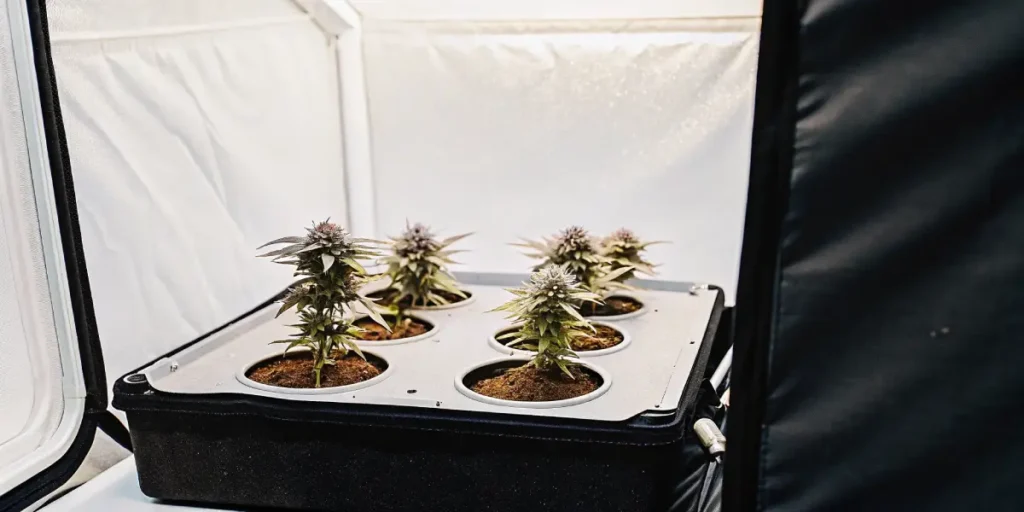
Is Sour Strawberry Worth Buying? Here’s What You Need to Know
Sour Strawberry is an intriguing cannabis strain that has been turning heads with its unique flavor profile and impressive effects. Primarily known for its balanced hybrid qualities, Sour Strawberry offers both mind and body benefits, making it a versatile choice for many cannabis enthusiasts. Whether you’re new to cannabis or a seasoned aficionado, considering Sour Strawberry could be worthwhile due to its unique blend of terpenes and the reputation it holds within the cannabis community.
One of the main factors that make Sour Strawberry appealing is its complex flavor and aroma profile. As the name suggests, it boasts a sweet yet tangy strawberry scent with underlying earthy notes, which enhances its appeal. Users regularly report a pleasant, sweet smoke, which makes for an enjoyable experience whether consumed alone or shared in a group setting. This distinctive quality sets Sour Strawberry apart from many other strains, paving the way for it to be a staple in a connoisseur’s collection.
In addition to its flavor, Sour Strawberry is praised for its balanced high that harmonizes uplifting cerebral effects with relaxing body sensations. It’s particularly favored for its ability to ease stress and boost mood without overwhelming the mind, making it suitable for both day and evening use. Additionally, it’s often used to aid relaxation, relieve mild aches, and instill a sense of calm, thus making it a worthwhile investment for those seeking medicinal benefits.
However, potential buyers should be aware of availability issues; while popularity is growing, supply may not always keep up. This could also potentially affect pricing, making it important to seek reputable sources when purchasing. Sour Strawberry can certainly be worth purchasing, especially if you appreciate intricately flavored strains and seek an adaptable high that suits various needs. Ultimately, whether it’s worth buying will depend on your personal preferences, but the qualities it offers make it a compelling choice in any cannabis collection.
FAQs about Sour Strawberry
What is a sour strawberry?
A sour strawberry refers to a type of strawberry that has a tart or acidic taste, which can be due to several factors such as the variety, growing conditions, or ripeness. Some strawberry varieties are naturally more sour, preferred by those who enjoy less sweet fruits. Additionally, environmental factors like soil quality and climate can contribute to a strawberry’s sourness.
Are sour strawberries safe to eat?
Yes, sour strawberries are safe to eat. The sour taste does not indicate that the fruit is spoiled or harmful. Instead, it’s simply a characteristic of the fruit that can vary by type and condition. While some people might find the sourness less appealing, others enjoy the tart flavor. If the strawberry is moldy or has an off smell, however, it should be discarded.
How can I make sour strawberries sweeter?
To make sour strawberries sweeter, you can try several methods. One option is to sprinkle a little sugar or drizzle honey over the sliced strawberries and let them macerate for a few minutes. This will draw out the juices and increase the sweetness. Alternatively, pairing sour strawberries with sweet foods, such as whipped cream or yogurt, can offset their tartness and enhance their flavor.
Why do some strawberries taste sour and others sweet?
The sweetness or sourness of a strawberry can depend on the variety, the stage of ripeness when it’s picked, and growing conditions. Strawberries picked too early may not have developed their full sugar content, leading to a sour taste. Additionally, different strains of strawberries have varying levels of natural sugars and acids. Environmental factors such as the amount of sunlight, water, and soil nutrients also play crucial roles in the fruit’s taste.
Can sour strawberries be used in recipes?
Yes, sour strawberries can be used in various recipes, especially those that benefit from a hint of tartness. They can be incorporated into jams, jellies, and sauces where sugar is added, balancing their sour flavor. Sour strawberries can also enhance savory dishes, such as salads or salsas, providing a unique contrast. Baking them into desserts, like cakes or pies, is another way to enjoy their distinctive taste.