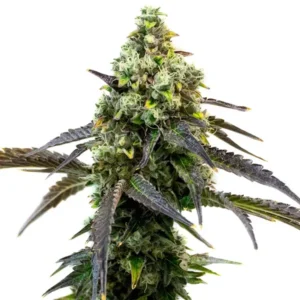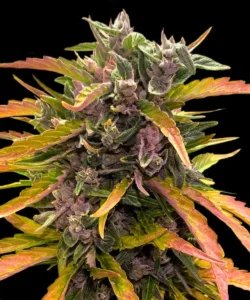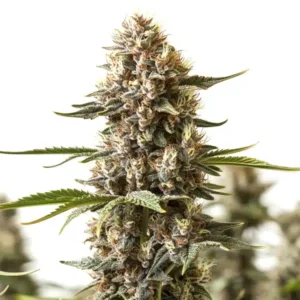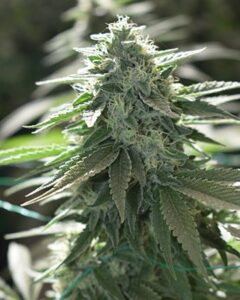
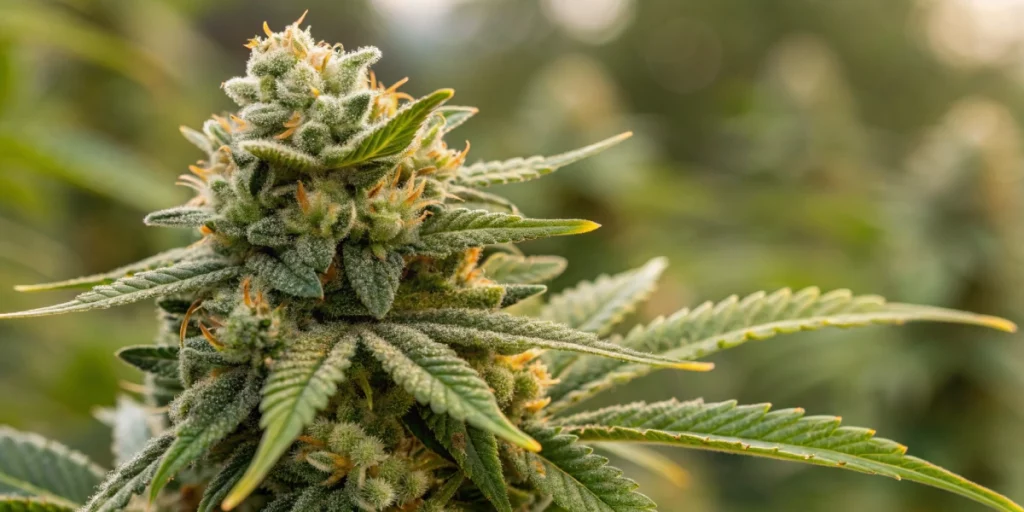

Lemon Pie Auto is a high-THC, citrus-and-diesel autoflower that stays small and finishes fast. A Fast Buds line, it crosses Lemon Pie with ruderalis, so it flowers by age and wraps its bloom in 8-9 weeks. At 23-24% THC, a compact 3.28 ft frame, and a balanced relaxed-but-creative effect, it suits growers who want real potency and a sharp lemon flavor from a quick, low-effort plant.
This guide covers the full cycle for Lemon Pie Auto from Fast Buds, sold through Growlantis, from germination to the cure. The figures below follow the Lemon Pie Auto datasheet; always check the spec sheet of your specific pack, since cannabinoid content varies between plants.
Recommended Strains
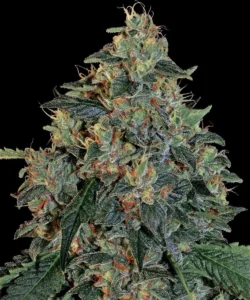
Blueberry Og

|
Type | Feminized |

|
THC | 24% - 25% (High) |

|
Lineage | BlueBerry x OG Kush |

|
Phenotype | 70% Indica / 30% Sativa |

|
Effects | Uplifted, Focused, Euphoric, Giggly, Sedative |

|
Flavors | Blueberry, Musk, Citrus, Pine |

|
Flowering Time | 8 - 9 weeks |

|
Yield Outdoor | 35.27 oz/plant | 1000 g/plant |

|
Height | 4.43 ft | 1.35 m |
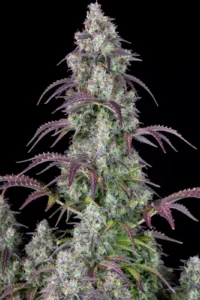
Lemon Pie Auto
|
|
Type | Autoflowering |
|
|
THC | 23% - 24% (High) |
|
|
Lineage | Lemom Pie x Ruderalis |
|
|
Phenotype | 50% Indica / 50% Sativa |
|
|
Effects | Relaxed, Euphoric, Creative |
|
|
Flavors | Sweet, Lemon, Diesel, Skunk |
|
|
Life Cycle | 8 - 9 weeks |

|
Yield | High |

|
Yield Indoor | 1.47 - 1.8 oz/ft² | 450 - 550 g/m² |
|
|
Height | 3.28 ft | 1 m |
Lemon Pie Auto at a Glance
| Trait | Lemon Pie Auto |
| Lineage | Lemon Pie x Ruderalis |
| Type | Autoflowering feminized, balanced hybrid |
| THC | 23-24% (high) |
| Flowering time | 8-9 weeks |
| Full cycle | About 10-11 weeks seed to harvest |
| Height | 3.28 ft (100 cm) |
| Yield indoor | 1.47-1.80 oz/ft2 (450-550 g/m2) |
| Effects | Relaxed, euphoric, creative |
| Flavors | Sweet, lemon, diesel, skunk |
The draw here is potency and flavor in a small, fast package. At 23-24% THC, Lemon Pie Auto is strong for an autoflower, yet it stays compact and finishes quickly, which makes it an efficient plant for a flavorful, high-impact harvest.
Is Lemon Pie Auto Indica or Sativa?
Lemon Pie Auto is a balanced hybrid. The effect combines a euphoric, creative head lift with a relaxed body feel, so it works across the day rather than leaning purely to one side. The plant grows compact and bushy like a typical short autoflower, which keeps it easy to manage in a tent or a small outdoor spot.
THC and Effect
Lemon Pie Auto is a high-THC autoflower at 23-24%, strong for the category. The effect is balanced: relaxed and creative, with a euphoric lift rather than heavy sedation. Because it is this potent, newer users should start with a small amount. The flavor is a sharp mix of sweet lemon, diesel, and skunk.
Height, Yield, and Indoor vs Outdoor
Lemon Pie Auto stays short at about 3.28 ft (100 cm), easy to keep discreet.
- Indoors, expect a high 1.47-1.80 oz/ft2 (450-550 g/m2) of dense, resinous flower under a steady light schedule, strong numbers for such a small plant.
- Outdoors, the datasheet does not list a per-plant figure; grow several plants in full sun to build a harvest, and the quick cycle lets you fit more than one run into a warm season.
Germinating and Growing Lemon Pie Auto
Autoflowers run on a fixed internal clock and recover poorly from transplant shock, so handle the seedling as little as possible.
- Germination (days 1-3): Use the paper-towel method at 70-79 F, then plant the sprouted seed straight into its final 3-5 gallon container, taproot down and half an inch deep.
- Early growth (weeks 1-3): Run 18-20 hours of light a day from the start and keep that schedule for the whole cycle. Feed lightly and water around the small root zone.
- Light training (weeks 2-3): Low-stress training opens the canopy and evens the plant out. Skip topping and heavy defoliation; the short auto cycle leaves no time to recover from hard stress.
Flowering and Harvest of Lemon Pie Auto
- Pre-flower (around week 3-4): The plant begins to flower automatically, with no change to the light schedule.
- Bloom (8-9 weeks): Buds fatten and frost up heavily, given the high resin. Hold humidity around 40-45% and keep airflow steady.
- Harvest: Check trichomes from week 8. Harvest when most are cloudy with a little amber for the balanced effect.
Flowering Time vs Full Grow Time
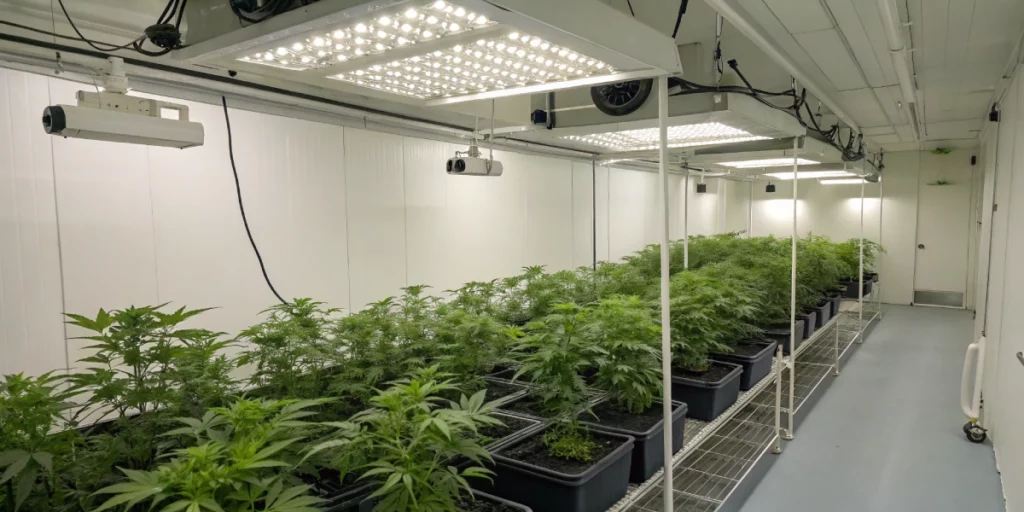
The flowering time is 8-9 weeks, the window from the first pistils to harvest. The full grow time is the complete seed-to-harvest cycle, roughly 10-11 weeks, because an autoflower spends its first few weeks as a seedling and in early growth before bloom begins. You do not add a separate veg stage; the total already includes it.
Does Lemon Pie Auto Need a 12/12 Light Cycle?
No. Lemon Pie Auto is an autoflower, so it flowers by age rather than by a change in light hours. There is no need to switch to a 12/12 schedule the way you would with a photoperiod plant. Run 18/6 or 20/4 from seed to harvest; more daily light simply fuels more growth over the cycle.
Best US Climates for Lemon Pie Auto
As a fast, compact autoflower, Lemon Pie Auto fits a wide range of US conditions.
- Short-season northern states (Pacific Northwest, Northeast, Upper Midwest): the quick cycle lets it finish before the autumn cold.
- Warm and dry regions (Southwest, inland California): strong sun suits the dense, resinous buds; watch watering in the heat.
- Humid southern states: workable with good airflow and low canopy humidity around the frosty flowers.
- Indoors anywhere: the small size and fixed cycle make it an easy, all-season indoor plant, with room for several harvests a year.
Feeding and Watering
Lemon Pie Auto is a light feeder, like most autoflowers. Build nutrient strength up slowly and keep it below photoperiod levels; overfeeding is the most common mistake on a plant this fast. Start with a quarter-strength feed in early growth, move to a light bloom feed as pistils show, and taper to plain water in the final week or two. Water when the top inch of the medium dries, and err on the drier side, since a compact root zone is easy to overwater.
Common Problems When Growing Lemon Pie Auto
High potency, go slow
At 23-24% THC this is a strong plant. That is a grow strength, not a problem, but newer users should dose carefully with the finished flower.
Transplant shock
Autoflowers do not bounce back from root disturbance within their short life. Plant the seed directly into its final container rather than potting up.
Dense buds and humidity
The heavy resin and tight buds can trap moisture. Keep bloom humidity near 40-45% with steady airflow to avoid rot late in the cycle.
Lemon Pie Auto in the Catalog
Lemon Pie Auto is a Fast Buds autoflower, one of the stronger citrus autos in the range. It sits among the catalog’s high THC cannabis seeds at 23-24%, alongside the wider autoflowering cannabis seeds collection. Specs can vary slightly between packs and phenotypes, so confirm the details of the exact pack you buy before planning your grow.

Frequently Asked Questions
How long does Lemon Pie Auto take to flower?
Lemon Pie Auto has a flowering time of 8-9 weeks, measured from the first pistils to harvest. Counting the seedling and early-growth weeks, the full seed-to-harvest cycle runs about 10-11 weeks, since the plant spends its first few weeks as a seedling before bloom begins.
Does Lemon Pie Auto need a 12/12 light cycle?
No. As an autoflower, Lemon Pie Auto flowers automatically by age, not by light hours, so there is no switch to 12/12. Run 18/6 or 20/4 from seed to harvest. The steady long-day schedule carries it through its entire cycle, indoors or under the sun outdoors.
How strong is Lemon Pie Auto?
Lemon Pie Auto is strong for an autoflower, carrying 23-24% THC. The effect is balanced, pairing a creative, euphoric head lift with body relaxation. Because it is this potent, newer users should start with a small amount of the finished flower and work up from there.
Is Lemon Pie Auto indica or sativa?
Lemon Pie Auto is a balanced hybrid. The effect combines a euphoric, creative head lift with a relaxed body feel, so it works across the day, and the plant grows compact and bushy like a typical short autoflower, which keeps it easy to manage indoors or out.
How much does Lemon Pie Auto yield?
Indoors, Lemon Pie Auto returns a high 1.47-1.80 oz/ft2 (450-550 g/m2), strong for a plant this small. The datasheet does not list an outdoor per-plant figure, so many growers run several plants in full sun to build a worthwhile outdoor harvest.
What does Lemon Pie Auto taste like?
Lemon Pie Auto has a sharp, sweet lemon flavor over a diesel and skunk base. It is a fuel-forward citrus profile rather than a simple sweet one, and it comes through best when the plant is flushed well in the final weeks and cured patiently after harvest.