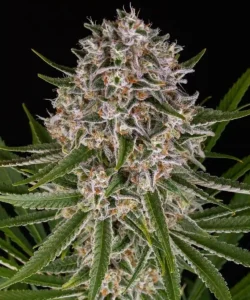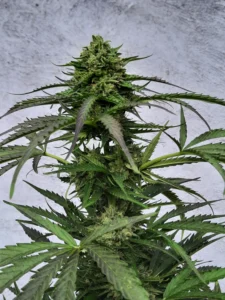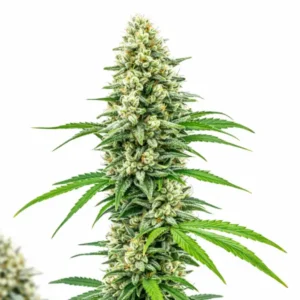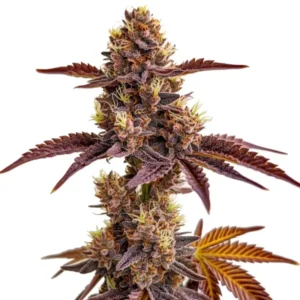


Medusa F1 Auto by Royal Queen Seeds is part of RQS’s modern F1 hybrid line, true first-generation hybrids bred for uniformity, vigor, and resilience. From Sugar Magnolia x American Beauty, it is a balanced autoflower at a solid 22-23% THC, with a blueberry-forward, fruity, minty flavor and a balanced, creative, relaxing, sleepy effect. It stays compact and performs consistently, with one honest trade-off: a modest yield. You grow it for quality, uniformity, and ease rather than sheer weight.
This is an autoflower, so it flowers on age rather than a change in the light cycle, which keeps the schedule simple. The figures below are Royal Queen Seeds breeder values; check your own pack for the exact numbers.
Recommended Strains

Medusa F1 Auto

|
THC | 22% - 23% (Medium) |

|
Lineage | Sugar Magnolia x American Beauty |

|
Type | Autoflowering |

|
Height | 2.95 ft | 0.9 m |

|
Yield | Low |

|
Yield Indoor | 0.82 - 0.98 oz/ft² | 250 - 300 g/m² |

|
Yield Outdoor | 3.53 - 7.05 oz/plant | 100 - 200 g/plant |

|
Life Cycle | 10 - 11 weeks |

|
Phenotype | 40% Indica / 40% Sativa / 20% Ruderalis |

|
Effects | Balanced, Creative, Relaxed, Sleepy |

|
Flavors | Blueberry, Diesel, Fruity, Mint, Pepper |

Girl Scout Cookies Auto
|
|
THC | 20% - 22% (Medium) |
|
|
Lineage | Girl Scout Cookies x Secret Rudelaris |
|
|
Type | Autoflowering |
|
|
Height | 3.28 ft | 1 m |
|
|
Yield | High |
|
|
Yield Indoor | 1.64 - 1.97 oz/ft² | 500 - 600 g/m² |
|
|
Yield Outdoor | 22.93 - 26.46 oz/plant | 650 - 750 g/plant |
|
|
Life Cycle | 8 - 10 weeks |
|
|
Phenotype | 60% Indica / 40% Sativa |

|
Medical | Fatigue, Muscle Spasms, Stress |
|
|
Effects | Happy, Relaxed, Talkative |
|
|
Flavors | Earthy, Sweet |
Medusa F1 Auto Grow Info
| Trait | Medusa F1 Auto (RQS) |
| Genetics | Sugar Magnolia x American Beauty (F1 hybrid) |
| Seed type | Autoflowering |
| Genetic profile | 40% indica / 40% sativa / 20% ruderalis |
| THC | 22-23% (medium-high) |
| Life cycle | 10-11 weeks seed to harvest |
| Height | Around 0.9 m, compact |
| Indoor yield | Low, around 250-300 g/m² |
| Outdoor yield | Around 100-200 g per plant |
| Effects | Balanced, creative, relaxed, sleepy |
| Flavor | Blueberry, fruity, mint, diesel, pepper |
These are Royal Queen Seeds’ published figures for the Medusa F1 Auto line at Growlantis. When you need an exact THC percentage, height, or yield, check the specification on your own Medusa F1 Auto seed pack.
What Makes Medusa F1 Auto Worth Growing
Medusa F1 Auto’s appeal is modern F1 hybrid breeding. As a true first-generation cross, it offers strong hybrid vigor, uniform plants, and resilient, predictable growth, so a pack tends to grow out consistent and tough. Backed by a solid 22-23% THC and a blueberry-forward, fruity-minty flavor, it delivers genuine quality in a compact, easy package.
The honest trade-off is yield. At a low 250-300 g/m² indoors, it is not a heavy producer, so you grow it for its consistency, flavor, and balanced effect rather than bulk. The balanced, creative-then-sleepy high suits both daytime moments and winding down, and the small, uniform plants make it practical for tidy, reliable grows.
Is Medusa F1 Auto Indica or Sativa?
Medusa F1 Auto is a balanced hybrid, listed at 40% indica, 40% sativa, and 20% ruderalis for its autoflower timing.
That even indica-sativa split gives it a genuinely balanced effect: creative and uplifting at first, easing into relaxation and a sleepy finish, so it works across the day. The plant is compact and uniform thanks to its F1 hybrid nature, neither a stretchy sativa nor a squat indica, but a tidy, even middle ground.
Flowering Time vs Full Grow Time
Autoflowers confuse a lot of growers on timing, so it is worth being precise.
- Flowering time: the bloom stage, which for Medusa F1 Auto begins on its own around week four or five and runs to the finish.
- Full grow time (life cycle): 10-11 weeks seed to harvest. This is the number that matters for planning, covering the whole cycle, with flowering happening inside it rather than after a separate long veg.
The takeaway: plan around the full 10-11 week cycle. Its autoflower timing makes it easy to schedule and to fit into a season, and the compact, uniform plants keep it predictable.
Does Medusa F1 Auto Need a 12/12 Light Cycle?
No. Medusa F1 Auto flowers on age, not day length, so it never needs a 12/12 photoperiod to bloom.
Indoors you can hold a long schedule like 18/6 or 20/4 from seedling to harvest. That extra daily light feeds the buds across the cycle and helps offset the modest yield, so keep the long schedule rather than dropping to 12/12, which would only cut light and reduce the harvest further.
Medusa F1 Auto Grow Timeline, Week by Week
Treat this as a development pattern, not a fixed schedule, since autos move fast.
- Weeks 1-2: germination and seedling. The taproot and first leaves establish. Keep water light and conditions stable.
- Weeks 3-5: vegetative growth. The compact plant builds its uniform frame and may show preflowers. Begin gentle low stress training.
- Weeks 5-7: stretch and bud set. Vertical growth slows and flower sites fill in.
- Weeks 7-10: main flower development. Buds build and the blueberry-fruity aroma develops.
- Weeks 10-11: maturation and harvest. Most plants finish here. Judge ripeness by the trichomes, not the day count.

Choosing Your Setup: Space, Light and Pots
Medusa F1 Auto’s compact 0.9 m height makes it easy to house, ideal for small tents and tidy, uniform setups. A little low stress training to open the canopy helps the modest yield by exposing more bud sites to light.
Light matters more than usual when yield is limited, so give it a strong source. A full-spectrum LED at 25-35 watts per square foot on an 18-20 hour schedule keeps the buds as full as possible. Add an inline exhaust fan and a carbon filter for the aroma.
Plant straight into the final 3-5 gallon fabric pot and skip transplanting, which autos dislike. Fabric pots air-prune the roots and keep the root zone healthy across the cycle.
Germinating and Raising Seedlings
The paper towel method is the easy, reliable start. Soak the seeds for 12-24 hours, then set them between damp paper towels on a covered plate, kept dark and warm at 70-85°F (21-29°C). A taproot usually shows in two to three days.
When the taproot reaches about 1-2 cm, plant it root-down a knuckle deep in a light mix and keep the surface moist until the seedling breaks ground. Hold off on nutrients at this stage. New to germination? Our beginner growing guides walk through it step by step.
The Vegetative Stage and Low Stress Training
Veg is short on an auto, so use these weeks to build a wide, even frame, which matters for maximizing a modest yield. Keep nitrogen available, hold temperatures in the low to mid 70s°F, and start gentle low stress training while the branches bend easily.
Because an autoflower has little time to recover from stress, stick to low stress training, gently tying branches down to open the canopy, and skip topping or other high-stress cuts. Opening the compact plant so light reaches every bud site is the best way to lift the harvest.
Feeding and Watering Medusa F1 Auto
Feed gently. Autos run smaller root systems, so start nutrients at about half the label strength and build up as the plant grows. Use a nitrogen-forward base through early growth, then a bloom formula higher in phosphorus and potassium as flowering sets in, watching the plant respond.
Water by root-zone moisture, not a timetable. A young plant needs very little; increase gradually as it grows. Let the top layer dry between waterings and water by pot weight to avoid overwatering a small plant.
Flowering and Knowing When to Harvest
Flowering begins on its own around week four or five, with a short stretch and the first pistils, then buds build over the following weeks. The blueberry, fruity, minty aroma develops, so keep air moving and run a carbon filter indoors.
As the 10-11 week finish nears, let the plant decide. Check trichomes under a loupe and harvest when most are cloudy with a few amber for the balanced, slightly sleepy effect. After the cut, hang the branches in the dark at about 60°F (15-16°C) and 55-60% humidity for 7-14 days, then cure in jars, burping daily for the first weeks to protect the blueberry flavor.
Growing Indoors vs Outdoors
Indoors, the compact, uniform plants make Medusa F1 Auto a tidy, predictable grow. Hold 18/6 or 20/4, give it strong light and a little training, and you can get the most from its modest 250-300 g/m² yield.
Outdoors, being day-neutral, it can be planted through the warm months and returns around 100-200 g per plant, modest but reliable. Its small size suits balconies and discreet spots. Give it full sun, well-draining soil, and airflow around the buds.
How Tall and How Much? Height and Yield
Height is easy to plan for. Medusa F1 Auto stays compact at around 0.9 m, ideal for small tents and uniform, tidy grows with minimal training.
On yield it is a low producer, around 250-300 g/m² indoors and 100-200 g per plant outdoors. That is the honest trade-off for its F1 hybrid consistency and quality, so grow it for uniform, flavorful buds and an easy plant rather than big weight, and run more plants if you want more total harvest.
Best US Climates for Medusa F1 Auto
Medusa F1 Auto is flexible thanks to its autoflower timing and resilient F1 genetics. It does well in warm, sunny climates like California, the Southwest, and the South, where its cycle fits a long season.
Being day-neutral and tough, it also suits cooler, shorter-season northern states, since it finishes in 10-11 weeks regardless of day length, and its compact size makes it easy to tuck into small or discreet spaces anywhere. In the humid Southeast, keep airflow strong around the buds. For a bigger yielder, browse our full how-to-grow guide library.
Common Problems When Growing Medusa F1 Auto
A few predictable issues are easy to avoid.
Expecting a big yield
At 250-300 g/m2, it is a modest producer by design. Grow it for its F1 consistency, flavor, and ease, and run several plants if you want more total weight.
Topping or high-stress training
Autos have little time to recover from heavy stress. Stick to low stress training to open the canopy, and skip topping so the cycle is not stalled.
Overwatering seedlings
A small plant in a big pot is easy to overwater. Water small amounts to root-zone moisture and increase gradually as the plant grows and drinks more.
Harvesting by the calendar
The 10-11 week cycle is a reference, not a cutting date. Read the trichomes and flower maturity before you cut, since phenotype and environment shift the timing.
Making the Most of Your Harvest
Do not waste the trim. The sugar leaves make good bubble hash, dry sift, or infused oil that keeps the blueberry-fruity character. The stems, roots, and fan leaves compost well and feed your next grow.
Is Medusa F1 Auto Right for You?
If you value modern F1 hybrid consistency, vigor, and a blueberry-forward flavor in a compact, easy autoflower, yes. Its uniform plants and balanced effect make it a tidy, reliable grow. If your priority is maximum yield, choose a heavier producer or run several of these. Browse our full how-to-grow guide library for options.

Frequently Asked Questions
Is Medusa F1 Auto indica or sativa?
Medusa F1 Auto is a balanced hybrid, listed at 40% indica, 40% sativa, and 20% ruderalis for its autoflower timing. The effect is genuinely balanced: creative and uplifting at first, easing into relaxation and a sleepy finish, so it works across the day. The plant is compact and uniform thanks to its F1 hybrid nature.
What is an F1 hybrid, and why does it matter?
An F1 hybrid is a true first-generation cross of two stable parent lines, which gives strong hybrid vigor, uniform plants, and resilient, predictable growth. For Medusa F1 Auto, that means a pack grows out consistent and tough, with reliable quality, though the trade-off here is a modest yield rather than a heavy one.
Does Medusa F1 Auto need a 12/12 light cycle?
No. Medusa F1 Auto flowers automatically with age, not day length, so it never needs a 12/12 schedule. Indoors you can hold a long photoperiod like 18/6 or 20/4 from seedling to harvest. That extra daily light feeds the buds and helps offset the modest yield, so keep the long schedule rather than reducing it.
How long does Medusa F1 Auto take to grow?
Medusa F1 Auto completes its full cycle in 10 to 11 weeks from seed to harvest, with flowering beginning on its own around week four or five. Judge the finish by trichome maturity rather than the day count. Its compact, uniform plants make the timeline predictable and easy to plan around.
How much does Medusa F1 Auto yield?
Medusa F1 Auto is a modest yielder, at around 250 to 300 g/m2 indoors and 100 to 200 g per plant outdoors. That is the honest trade-off for its F1 hybrid consistency and quality. Strong light and a well-opened canopy help you get the most from it, and running more plants raises your total harvest.
Can you clone Medusa F1 Auto?
Not usefully. As an autoflower, a cutting keeps the mother’s age, so it tries to flower straight away as a tiny plant and yields almost nothing. If you want more plants, germinate more seeds. Cloning only makes sense with photoperiod strains, not with autoflowers like this one.
What does Medusa F1 Auto taste like?
Medusa F1 Auto has a blueberry-forward, fruity flavor with minty, peppery, and diesel notes. To protect those terpenes, run a carbon filter in flower, dry slowly at around 60°F with moderate humidity, and cure in sealed jars, burping daily for the first weeks. A careful cure keeps the blueberry character bright and clean.