
To begin cultivating Purple Skunk Auto, select a well-draining soil and ensure proper light exposure, ideally between 18 to 24 hours a day for autoflowering cannabis. This variety thrives in a controlled environment with temperatures between 70-85°F and humidity levels maintained at 40-50%. Adequate ventilation is crucial to promote healthy growth and prevent mold.
Water the plant judiciously, allowing the topsoil to dry out between sessions to avoid overwatering. Nutrient management is essential to support the robust growth of the plant. Use a balanced fertilizer with higher phosphorus levels during the flowering stage to enhance bud development and terpene production, contributing to a richer flavor profile.
Recommended Strains

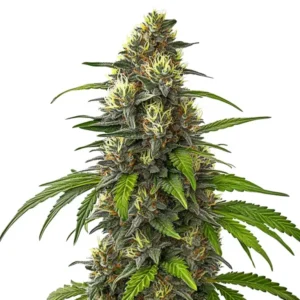
Purple Skunk Automatic

|
THC | 13% - 14% (Low) |

|
Lineage | Hindu Kush Auto x Skunk #1 x Shiva Skunk |

|
Type | Autoflowering |

|
Height | 5.25 ft | 1.6 m |

|
Yield | Low |

|
Yield Indoor | 0.39 - 0.66 oz/ft² | 120 - 200 g/m² |

|
Life Cycle | 10 - 12 weeks |

|
Phenotype | 75% Indica / 25% Sativa |

|
Effects | Relaxed, Euphoric, Happy |

|
Flavors | Berry, Earthy, Skunk |
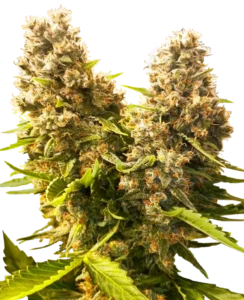
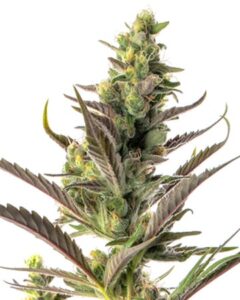
Banana Kush Cake Automatic
|
|
THC | 12% - 14% (Low) |
|
|
Lineage | Banana Kush x Wedding Cheesecake x Ruderalis |
|
|
Type | Autoflowering |
|
|
Height | 6.56 ft | 2 m |
|
|
Yield | Low |
|
|
Yield Indoor | 0.39 - 0.66 oz/ft² | 120 - 200 g/m² |
|
|
Life Cycle | 10 - 12 weeks |
|
|
Phenotype | 65% Indica / 35% Sativa |
|
|
Effects | Relaxed, Giggly, Happy |
|
|
Flavors | Pepper, Sweet, Citrus |
As the harvest period approaches, usually around 8-10 weeks from germination, closely monitor the buds’ appearance to determine readiness. The trichomes should transition to a milky color for optimal potency. By carefully following these steps, growers can achieve a satisfying yield of Purple Skunk Auto, rich with vibrant terpenes and impressive cannabinoid content.
Purple Skunk Auto Strain Overview: Traits, Effects & Genetics
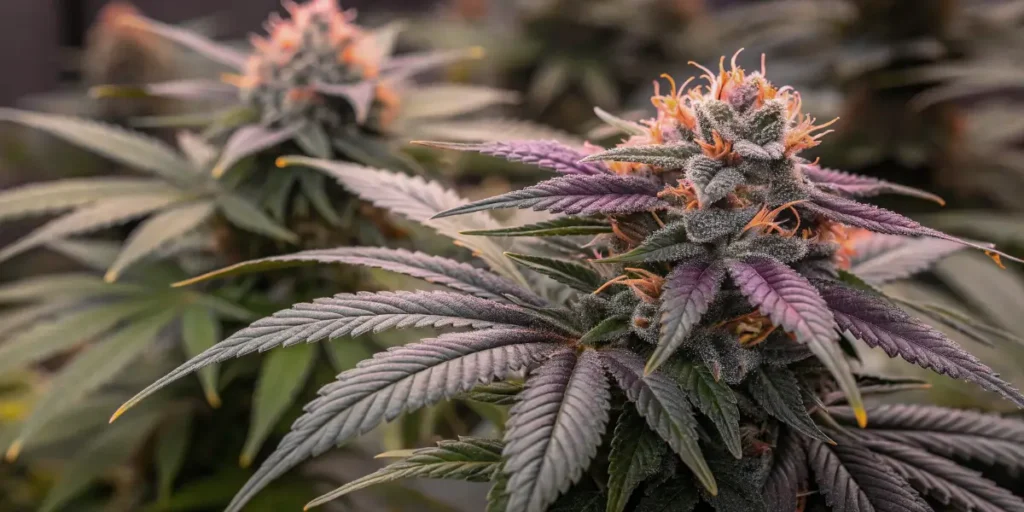
Purple Skunk Auto is a unique cannabis strain renowned for its distinct traits and potent effects. This variety combines rich purple hues with a classic skunk profile, making it visually appealing and aromatic. Growers appreciate the plant’s resilience and adaptability, especially in various cultivation environments. It’s a favorite among cannabis enthusiasts seeking a robust yet manageable strain.
This cultivar is known for its balanced genetic profile, offering a mix of Sativa and Indica properties that contribute to its versatile effects. The plant produces sizable, dense buds caked with trichomes, which highlight its high resin production. These traits make the strain especially attractive to growers aiming for a strong yield and high-quality harvest.
In terms of effects, this variety provides a euphoric and relaxing experience, making it ideal for both recreational and medicinal users. It’s said to deliver an uplifting sensation that eases stress while also providing bodily relaxation. This balance of effects makes it suitable for day and night use, catering to those in need of mood enhancement or pain relief.
The terpene profile of the plant includes dominant notes of skunk, complemented by hints of earthy and sweet undertones. This aromatic blend contributes to the strain’s popularity among cannabis aficionados. Its robust genetics ensure stability and potency, making it a reliable choice for both novice and experienced growers looking to cultivate top-notch marijuana.
Optimal Environment to Grow Purple Skunk Auto Successfully
Creating the perfect environment for Purple Skunk Auto is key to successful cultivation. This strain thrives in both indoor and outdoor settings, but it particularly excels indoors where conditions can be tightly controlled. For indoor growers, maintaining a temperature range of 20-25°C (68-77°F) and humidity levels between 40-50% will promote optimal growth and development of the plant.
Light plays a crucial role in the cultivation of this variety. Providing around 18 to 20 hours of light daily will maximize its growth potential and ensure high-quality buds. Utilizing LED or high-pressure sodium (HPS) lights can yield excellent results. Outdoors, it prefers sunny climates with plenty of direct sunlight, which enhances its terpene profile and overall potency.
A well-draining soil mix rich in organic matter supports this cultivar’s root development and nutrient uptake. Incorporating compost or worm castings in the soil boosts the availability of essential nutrients. Hydroponic systems are also suitable for this plant, offering precise control over nutrient levels and resulting in potentially larger yields without compromising quality.
Ventilation is another critical factor when growing the plant, especially indoors. Proper airflow prevents mold and mildew, which can affect the buds. Utilizing fans to circulate air and ensuring adequate space between the plants can result in a healthier environment. By tailoring these conditions, growers can achieve an impressive harvest of Purple Skunk Auto.
Grow Room Setup for Purple Skunk Auto Plants
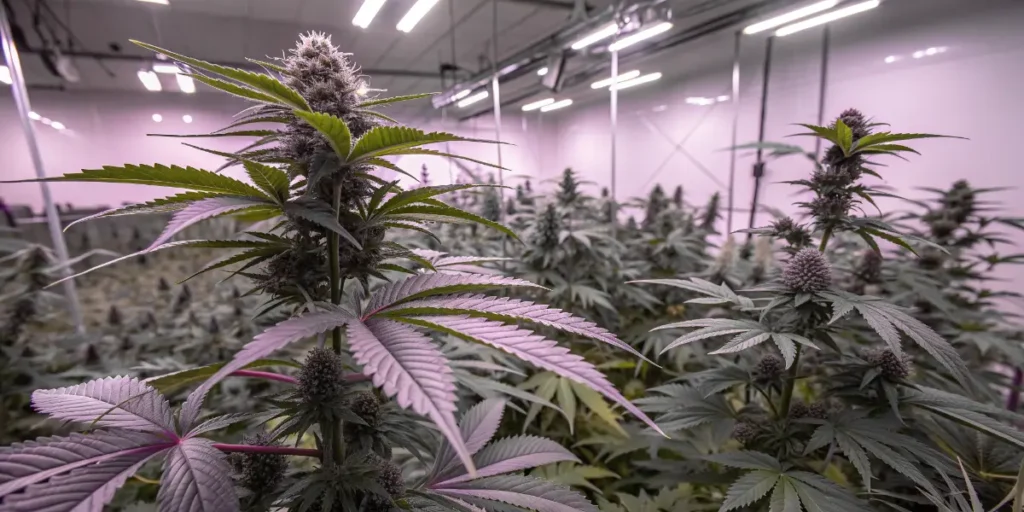
When cultivating this strain, growers must ensure that their grow room provides optimal conditions for cannabis cultivation. Start by selecting a space that can maintain stable temperatures between 70-85°F. Proper air circulation is crucial, so invest in fans and exhaust systems to keep humidity in check, promoting healthy air flow. This will ensure the plant’s growth and maximize yield.
Lighting is a key component for successful growth of this variety. Purple Skunk Auto responds well to a consistent light cycle, ideally 18-20 hours of light daily. Use quality LED grow lights, as they provide the necessary spectrum while being energy-efficient. Position lights at appropriate distances from the plants to avoid light burn, ensuring the development of robust buds.
Beyond temperature and lighting, the nutrients provided to this cultivar play a significant role in its overall health. Incorporate a balanced nutrient regimen that caters to the plant’s life stages for robust growth. Start with a nitrogen-rich formula during the vegetative phase, progressing to phosphorous and potassium-focused nutrients as it approaches flowering, which enhances terpene profiles and eventual harvest quality.
Consider the size of your grow space and its capacity to accommodate the number of plants you intend to nurture. Purple Skunk Auto is an autoflowering variety, meaning it requires less space and time from seed to harvest than other types. Proper spacing ensures that each plant receives adequate light and air, directly influencing the health and yield of the genetics.
Indoor Growing Tips for Purple Skunk Auto
When cultivating this strain indoors, ensure your grow space is well-ventilated to maintain optimal humidity levels, which helps prevent mold development. Use high-quality soil with adequate drainage to support the plant’s root system. Consider using LED grow lights, as they provide the necessary light spectrum while keeping energy costs down for efficient bud production.
This variety thrives in a stable environment with temperatures between 70-80°F. Regularly check your pH levels, aiming for a range of 6.0 to 7.0 to encourage proper nutrient uptake. Implement a consistent light schedule, ideally 18 hours of light per day, to support the cannabis vegetative stage for steady growth and a robust yield.
As the plant matures, pay attention to the developing terpenes which contribute to the unique aroma and flavor profile of the buds. Pruning excess foliage can help focus the plant’s energy on bud production and improve airflow around the colas. By the time of harvest, growers should expect tightly packed buds rich in resin, promising a fruitful yield.
Outdoor Growing Tips for Purple Skunk Auto
This strain thrives in well-draining soil enriched with organic matter. To maximize yield, ensure the plant receives full sunlight, which helps in developing robust buds rich in terpenes. Cultivators should maintain a consistent watering schedule, taking care to water deeply but allow the soil to dry out slightly between sessions. This promotes healthy root systems crucial for cannabis cultivation.
Ventilation is key for this variety when grown outdoors. Spacing the plants appropriately prevents mold and mildew, which can be detrimental to the harvest. Regular pruning is recommended to improve air circulation around the foliage. Additionally, growers should be proactive in monitoring for pests and utilizing natural deterrents to safeguard the plants’ health and productivity.
Feeding schedules for this cultivar should be adapted as it progresses through its life cycle. Start with nitrogen-rich fertilizers during the vegetative stage, transitioning to phosphorus and potassium-focused feeds in the flowering phase. By tailoring nutrient supply to the plant’s needs, cultivators can enhance the flavor and potency of the final buds, resulting in a rewarding yield for enthusiasts.
How to Germinate & Propagate Purple Skunk Auto
Germinating Purple Skunk Auto requires attention to detail for optimal results. To begin, employ the paper towel method, which is favored by many cannabis growers. Moisten a few paper towels with distilled water, place the seeds between them, and place in a warm, dark area. This strain thrives at a temperature range of 70 to 75°F, essential for healthy sprouting.
Once the seeds of this variety have cracked and produce taproots, it’s time to transplant them into a growth medium. Choose a light, airy soil mix for effective root development. Plant seeds roughly an inch deep, gently covering them with soil. Adequate moisture is key, but ensure not to overwater as the plant’s delicate roots need a balance of air and water to flourish.
This cultivar benefits greatly from a reliable light source. If growing indoors, employ a full-spectrum LED light. Place the light approximately 24 inches above the seedlings to encourage strong growth. Outdoor growers, on the other hand, should ensure the plant receives at least 6 hours of direct sunlight for vigorous development and a bountiful yield at harvest.
As it matures, the plant will manifest its characteristic aroma and terpene profile. Monitor humidity and temperature, maintaining around 50% humidity to prevent mold. Consistent observation will help growers detect any issues early. By handling Purple Skunk Auto with care, cultivating robust buds with rich flavors and aromas for an impressive end product is achievable.
Vegetative Stage: Nurturing Your Purple Skunk Auto Plants
During the vegetative stage, it’s crucial to provide optimal conditions for this strain to flourish. Adequate light is vital, as cannabis plants require at least 18 hours of light per day to develop strong, healthy foliage. Providing a balanced nutrient mix specifically formulated for the vegetative phase will support robust growth, ensuring the plant is ready for the upcoming flowering stage.
This cultivar thrives in environments with controlled humidity, ideally between 40-60%. Ensuring proper air circulation and maintaining the right temperature range, typically between 70-85°F (21-29°C), contributes to the plant’s overall health. These measures help prevent diseases and encourage the development of sturdy stems, setting the foundation for a bountiful harvest.
Regularly monitoring the soil’s moisture content is essential as overwatering can lead to root rot, while underwatering can stunt the plant’s growth. Growers should aim for a consistent watering schedule that keeps the soil evenly moist but not waterlogged. Incorporating a well-draining soil mix can facilitate optimal water retention, nurturing this variety’s growth.
Training techniques such as topping or LST (Low-Stress Training) can enhance bud production and increase yield by promoting lateral growth. However, remember that Purple Skunk Auto has a limited vegetative period due to its autoflowering genetics. Acting promptly ensures that the plant maximizes its potential during this crucial stage of cultivation, setting the stage for a rich terpene profile and abundant buds at harvest.
Flowering Purple Skunk Auto: What to Expect
When cultivating Purple Skunk Auto, growers can anticipate a flowering time of around 8 to 10 weeks. This strain is particularly well-suited for those seeking a relatively quick harvest. During its flowering stage, this cultivar develops dense buds packed with potent aromas. As it matures, the plant showcases a vibrant array of colors, ensuring an appealing visual presence in any grow room.
For maximum yield, ensure this variety receives ample light and nutrients. Maintaining optimal humidity and temperature levels will contribute to the healthy development of the plant. The buds of this genetics are known for their resinous quality, making them a favorite among cannabis enthusiasts. Proper care and attention during this period can significantly boost the end results.
As Purple Skunk Auto moves through its flowering phase, the fragrant terpenes become more pronounced. These scents are an indication of the rich cannabinoid profile that awaits. Many growers note that this variety produces a robust skunky aroma with sweet undertones, giving it a distinct and enticing bouquet. The enriched terpene profile enhances both flavor and potency.
Harvesting at the right time is crucial for maximizing potency and yield. Observe the trichomes closely, as they transition from clear to milky white with hints of amber. This signaling, combined with the overall plant structure, helps determine the optimal harvest window. By adhering to these guidelines, cultivators can achieve a successful and rewarding outcome with this cultivar.
Feeding Purple Skunk Auto: Fertilizers & Nutrient Schedule
Feeding is crucial for maximizing the potential of cannabis cultivation, especially with this variety. Providing the right nutrient balance is essential for healthy growth and bountiful buds. Typically, a well-rounded fertilizer with macronutrients such as nitrogen, phosphorus, and potassium is ideal. Growers should also include micronutrients like calcium and magnesium to support optimal terpene production and yield.
The vegetative stage is vital for establishing a strong foundation for the plant. During this phase, the cultivar benefits from a higher nitrogen intake, promoting vigorous growth. It’s essential to gradually introduce nutrients to prevent nutrient lockout. When transitioning to the flowering stage, it’s important to adjust the nutrient mix to decrease nitrogen levels while boosting phosphorus and potassium, preparing the plant for blossoming.
As Purple Skunk Auto enters the flowering stage, it’s crucial to maintain a precise nutrient schedule. This stage demands a focus on phosphorus and potassium to support blooming. Adequate management of nutrients ensures the formation of dense, aromatic buds. Proper pH levels in the soil or growing medium are essential to allow nutrient uptake, preventing deficiencies that could compromise the harvest.
Monitoring and adjusting the nutrient schedule is necessary throughout the entire growth cycle of this strain. Regular assessments help in identifying any symptoms of nutrient deficiency or toxicity, enabling timely interventions. Employing organic fertilizers can further enhance results, ensuring both quality and sustainability. By adhering to a robust feeding schedule tailored to its needs, growers can achieve an impressive yield of Purple Skunk Auto.
Pest and Disease Prevention for Healthy Cannabis Plants
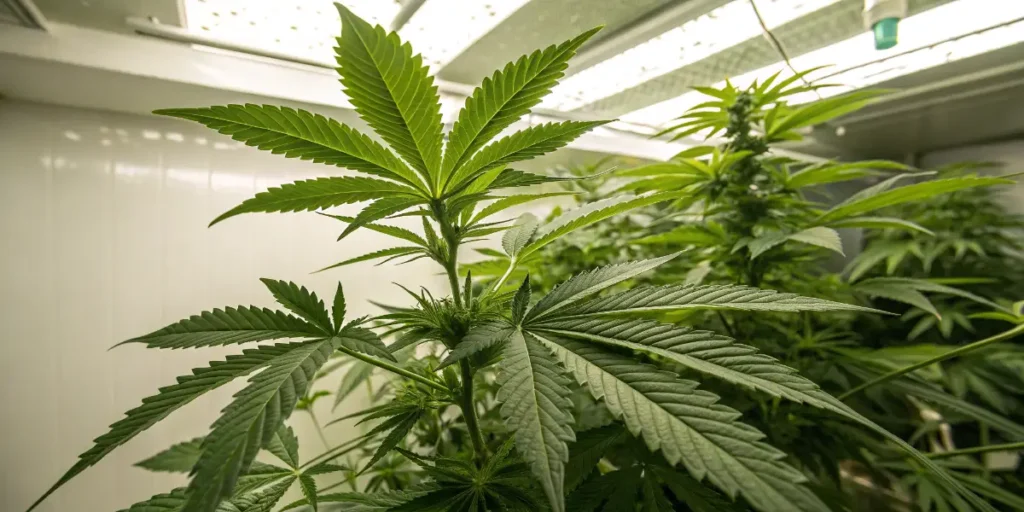
Maintaining a healthy grow environment is crucial for preventing pests and diseases in cannabis cultivation. For growers of Purple Skunk Auto, it’s essential to monitor humidity levels, as this strain is susceptible to mold. Regularly checking for pests like spider mites and aphids can prevent infestations that damage the plant and reduce yield, ultimately affecting the quality of buds and terpenes.
Implementing integrated pest management (IPM) strategies can significantly enhance the health of this variety. Using biological controls such as ladybugs and predatory mites helps keep pest populations in check without resorting to harmful chemicals. Additionally, ensuring proper airflow around the plant reduces the risk of fungal diseases, which can be detrimental to both the plant and the eventual harvest.
Routine inspection of leaves and stems for signs of disease or pest presence is vital for growers of this cultivar. Early detection of issues allows for prompt measures to be implemented, minimizing damage to the plant. With careful attention to these preventative practices, growers can maximize both the yield and the quality of Purple Skunk Auto, ensuring a successful growth cycle.
Harvesting & Drying Purple Skunk Auto the Right Way
Timing the harvest correctly is vital for this strain to ensure optimal terpene profiles and cannabinoid content. The plant usually signals readiness with milky trichomes and the fading of fan leaves. Careful observation and patience are key, as these indicators mean the buds are at their peak potency and flavor, which is what every grower aims to achieve.
When it’s time to cut your cannabis, use clean, sharp tools to prevent damage. Cutting the branches carefully minimizes stress on the plant and helps preserve the precious terpene-rich buds. Some growers prefer to harvest in sections, focusing on the top cola first, where the buds tend to mature faster. Each method has its merits, depending on your cultivation style.
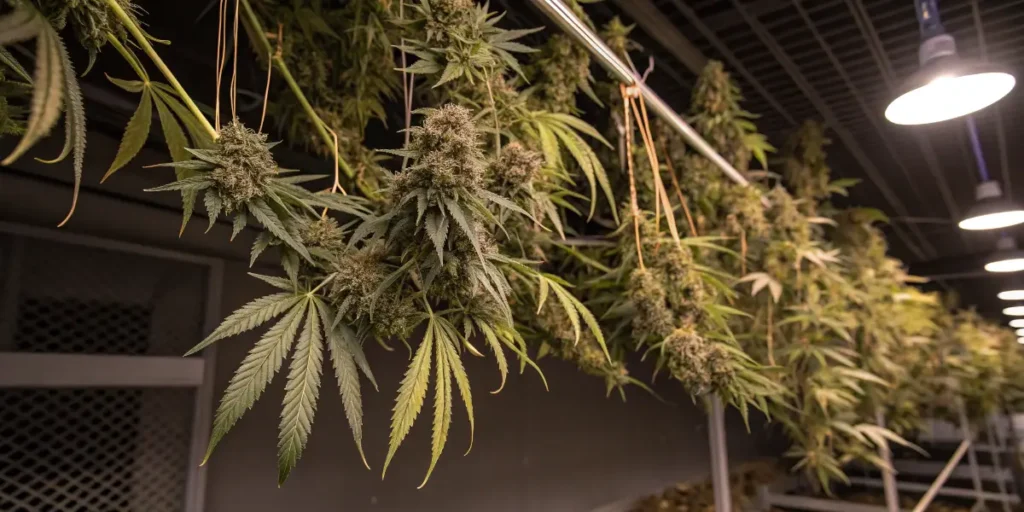
Drying this variety correctly is crucial for maintaining its unique characteristics. Hang branches upside down in a cool, dark space with good airflow. Aim for a temperature around 60-70°F and 50-60% humidity to prevent mold. These conditions ensure the buds dry evenly and retain their aroma and potency, making all the difference to the final yield quality.
Once the buds have dried to perfection, which usually takes around 7-10 days depending on conditions, it’s time to cure them. Place the dried buds in airtight jars, opening them daily to release moisture and allow fresh air in. This process enhances the flavor profile of Purple Skunk Auto, allowing growers to savor the full spectrum of terpenes this cultivar has to offer.
Purple Skunk Auto Strain Type: Indica, Sativa or Hybrid?
Purple Skunk Auto is a well-balanced hybrid that combines qualities of both Indica and Sativa strains. This variety is known for its robust growth and adaptability, making it a popular choice among cannabis growers. The plant tends to embody the best of both worlds, offering relaxation and cerebral effects, which makes it suitable for both recreational and medicinal uses.
This strain’s genetic makeup includes characteristics that appeal to cultivators seeking a versatile crop. Its Sativa influence contributes to the plant’s relatively tall structure and uplifting effects. Meanwhile, the Indica traits contribute to denser buds and a shorter flowering cycle, enhancing the potential for high yields and a quicker harvest. These features make Purple Skunk Auto a practical choice for various cultivation settings.
Growers benefit from this cultivar’s balanced terpene profile, which enhances the aromatic and flavorful experience of the final product. While the primary categorization might lean toward a hybrid, the dominant features from its Indica and Sativa genetics provide a complex, multi-layered growth and consumption experience. For those looking to explore diverse cannabis effects, this plant offers a dynamic and rewarding cultivation journey.
Why Grow Purple Skunk Auto? Key Benefits for Cultivators
Cultivators are increasingly drawn to Purple Skunk Auto because of its ease of growth and resilience. This strain is known for its ability to thrive in various environments, making it ideal for growers with limited space or those new to cannabis cultivation. The plant’s auto-flowering nature ensures a faster harvest, which can be a significant advantage.
Alongside its growing advantages, this variety offers a robust yield with dense, resinous buds. The terpene profile of this cultivar is exceptional, contributing to a potent aroma and flavor that appeals to connoisseurs. Growers appreciate the consistent performance of it, knowing they can rely on quality output every cycle.
Moreover, the plant’s resistance to common pests and diseases reduces the need for intensive care, allowing for a more straightforward cultivation process. By choosing Purple Skunk Auto, cultivators are investing in a rewarding experience that promises both substantial harvests and high-quality end products, catering to both recreational and medicinal users.
Potential Challenges When Growing Purple Skunk Auto
Growing cannabis, especially a unique variety like Purple Skunk Auto, can present certain challenges for cultivators. One of the primary issues is the sensitivity of this strain to nutrient levels. Ensuring the right balance of nutrients is crucial during its development to prevent nutrient burn or deficiencies. Monitoring and adjusting the plant’s diet is key to achieving a healthy yield.
Another challenge in cultivating this strain lies in managing its growth environment. This variety prefers a warm climate with consistent light cycles, which might be difficult for growers in variable climates. Utilizing an indoor setup with controlled temperatures and light conditions can mitigate these issues, promoting robust growth and enhancing its terpene profile.
Pest control is also a noteworthy concern when growing the plant. This cultivar can be susceptible to various pests that affect its buds and overall vigor. Regular inspections and the use of organic pest control methods can help safeguard the crop. By addressing these challenges proactively, cultivators can look forward to a successful harvest of vibrant Purple Skunk Auto flowers.
Is Purple Skunk Auto Worth Buying? Here’s What You Need to Know
For those considering cultivation, this strain offers several compelling advantages. Known for its resilience and adaptability, the plant appeals to both novice and experienced growers. Its autoflowering nature simplifies the growing process, requiring less intervention while maintaining a robust growth cycle. The rapid development cycle means you can plan multiple harvests within a single growing season.
Moreover, this variety stands out due to its impressive yield and aromatic profile. Rich in terpenes, its buds emit a pungent yet pleasing scent of earthiness and sweetness, making the final product highly desirable. Cultivators often report satisfactory volumes of dense, resinous buds, which makes this cultivar a common choice among cannabis enthusiasts looking for high-quality returns.
In terms of value, Purple Skunk Auto delivers on both quality and quantity, making it a worthwhile purchase. Its ease of cultivation combined with a robust harvest makes it a practical option for those seeking to maximize their investments. With its unique blend of potency and simplicity, this genetics undoubtedly deserves consideration for your next cannabis growing endeavor.
FAQs: Growing Purple Skunk Auto
What is the flowering time for Purple Skunk Auto?
Purple Skunk Auto typically has a flowering time of around 8 to 10 weeks. Growers should monitor the plant closely during this period to ensure optimal conditions are maintained. Paying attention to light schedules and nutrient delivery is crucial for maximizing the yield of this strain. By recognizing its growth cycle, cultivators can harvest this genetics at the peak of its potential, ensuring quality buds.
What yield can I expect from growing this strain?
The yield from Purple Skunk Auto can be impressive under optimal conditions, with indoor growers expecting between 400 to 500 grams per square meter. Outdoor growers may see slightly lower numbers depending on climate. This variety rewards diligent care and attention, so ensuring the plant’s needs are met can substantially enhance yield. Proper lighting, nutrient balance, and ventilation are key to maximizing production.
What climate is ideal for cultivating Purple Skunk Auto?
This cultivar thrives in a warm, Mediterranean-like climate when grown outdoors. However, Purple Skunk Auto is versatile and does well indoors too. Maintaining a consistent environment between 70-85°F with controlled humidity levels is conducive to its growth. Adjustments may be required to mimic these conditions indoors, ensuring the plant remains healthy and robust throughout its lifecycle.
Are there common problems when growing Purple Skunk Auto?
Purple Skunk Auto is generally hardy but can face issues like pest infestations and mold, particularly in environments with high humidity. Regularly inspecting the plant for signs of trouble is essential. Implementing proper airflow and maintaining suitable humidity levels can help mitigate these risks. Additionally, consistent monitoring of pH levels in soil and water ensures that nutrient uptake isn’t hindered.
What are the nutrient needs for this variety?
Purple Skunk Auto requires a balanced nutrient regime throughout its life. During the vegetative stage, nitrogen is crucial, while the flowering phase demands increased phosphorus and potassium. Growers should use high-quality fertilizers designed for cannabis to sustain healthy development. Over-fertilization can harm the plant, so following a tailored feeding schedule helps in making sure that nutrient needs of this variety are met.