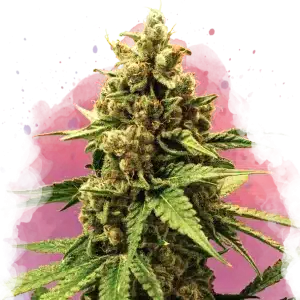

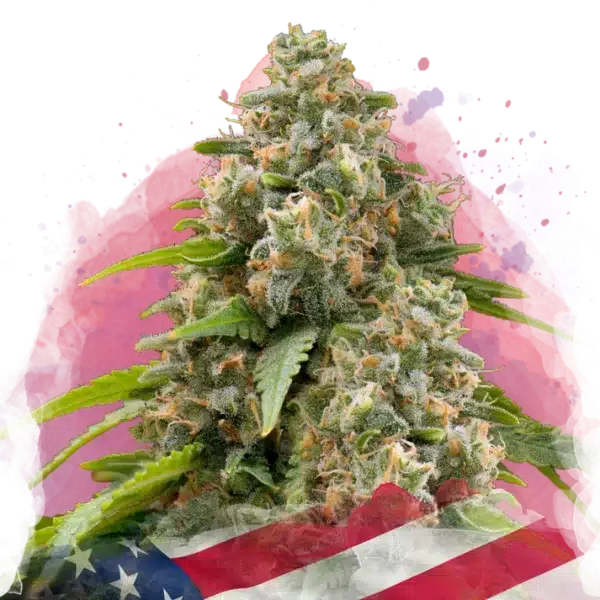

Matanuska
Matanuska is a 50% indica and 50% sativa hybrid derived from Alaska Landrace genetics. With 16–20% THC, it combines euphoric, happy, uplifting, relaxing, and sedative effects with floral, fruity, and sweet flavors. Its flowering period lasts approximately 8–10 weeks, with documented high-yield potential indoors and outdoors.

|
THC | 16% - 20% (Medium) |

|
Lineage | Alaska Landrace |

|
Type | Feminized |

|
Height | 4.59 ft | 1.4 m |

|
Yield | High |

|
Yield Indoor | 1.31 - 1.64 oz/ft² | 400 - 500 g/m² |

|
Yield Outdoor | 21.16 - 26.46 oz/plant | 600 - 750 g/plant |

|
Flowering Time | 8 - 10 weeks |

|
Phenotype | 50% Indica / 50% Sativa |

|
Effects | Euphoric, Sedative, Happy |

|
Flavors | Floral, Fruity, Sweet |
Choose seed quantity
PROMO
Get 3x Scrambler Haze seeds FREE on $90+ orders.
Use code: SCRAMBLER3
Learn more
Lineage and Origin of Matanuska
Matanuska is a cannabis strain derived from Alaska Landrace genetics, giving the cultivar a distinctive genetic background compared with hybrids created from multiple named parent strains.
The resulting cultivar has an evenly balanced 50% indica and 50% sativa composition, with THC levels ranging from 16% to 20%. Its flowering period lasts approximately 8–10 weeks, with documented yields for both indoor and outdoor cultivation.
Is Matanuska Sativa or Indica?
Matanuska is a 50% indica and 50% sativa hybrid, giving it an equal genetic balance rather than a clear dominance toward either side.
Its reported experience reflects this balance, combining euphoric and uplifting characteristics with a more relaxing and sedative component.
Matanuska Effects
With THC levels ranging from 16% to 20%, Matanuska produces euphoric, happy, uplifting, relaxing, and sedative effects.
The reported experience combines an initial euphoric and uplifting component with physical relaxation and a more sedative character. This combination corresponds with the cultivar’s evenly balanced 50% indica and 50% sativa genetic composition.
Matanuska Flavor
Matanuska has a floral, fruity, and sweet flavor and aroma profile.
Floral characteristics form a noticeable part of its aroma, complemented by fruity undertones. Its flavor develops these characteristics further with a sweeter component, creating a relatively simple profile centered around floral and fruit notes.
How to Germinate Matanuska Seeds
Once Matanuska seeds have germinated, growers should plan the final cultivation space around the conditions required later in development. Indoors, the supplied information recommends controlling temperature and humidity and identifies topping and training as techniques for managing plant development and encouraging an even canopy. Outdoors, plants should receive ample sunlight and protection from harsh weather conditions.
Matanuska Flowering Time
Matanuska has a flowering period of approximately 8 to 10 weeks. This timeframe refers to the flowering stage rather than the complete cultivation cycle from germination to harvest.
The cultivar also has documented indoor and outdoor yield figures, with indoor production reaching 1.31–1.64 oz/ft² and outdoor production reaching 21.16–26.46 oz per plant under suitable conditions.
Indoor and Outdoor Growing Conditions
Matanuska can be cultivated in both indoor and outdoor environments. Indoor yields are listed at approximately 1.31–1.64 oz/ft², while outdoor plants can produce approximately 21.16–26.46 oz per plant under suitable conditions.
Indoors, the supplied cultivation information recommends maintaining appropriate temperature and humidity levels. Topping and training are also specifically mentioned for managing plant development and encouraging a more even canopy.
Outdoors, Matanuska should receive ample sunlight and protection from harsh weather conditions. The source does not provide a specific final plant height, so no height figure has been added.
Matanuska Terpene Breakdown
The terpene profile described for Matanuska includes myrcene, limonene, caryophyllene, linalool, and pinene, adding aromatic complexity to its floral, fruity, and sweet profile.
Myrcene contributes earthy aromas, while limonene introduces citrus characteristics. Caryophyllene adds spicy and peppery notes, linalool contributes floral aromas, and pinene introduces sharper pine-like characteristics.
Best Climate and Where to Grow Matanuska in the U.S.
Matanuska is associated with climates offering a balance of warmth and humidity, with temperate regions identified as favorable for cultivation.
Top U.S. Cities for Growing Matanuska
Locations listed for growing Matanuska include Portland, Seattle, San Francisco, Denver, Santa Cruz, Eugene, and Santa Rosa. Actual outdoor suitability depends on local and seasonal conditions, and growers should consider applicable cannabis cultivation laws before starting a grow.
Reviews
There are no reviews yet. Be the first one to write one.
Write a review
Matanuska can produce approximately 1.31–1.64 oz/ft² indoors and 21.16–26.46 oz per plant outdoors under suitable conditions. Indoor cultivation should focus on managing temperature and humidity, while topping and training are specifically mentioned as techniques for controlling development and encouraging a more even canopy.
Matanuska has a flowering period of approximately 8 to 10 weeks. This timeframe refers specifically to the flowering stage rather than the complete seed-to-harvest cycle. The cultivar can be grown indoors or outdoors, with documented yield figures available for both cultivation environments.
Matanuska is a balanced hybrid consisting of 50% indica and 50% sativa genetics. The cultivar traces its genetic background to an Alaska Landrace and contains approximately 16–20% THC, with reported effects combining euphoria and uplift with physical relaxation and a more sedative component.
Related products