

Being drunk and being high can both impair judgment, coordination, memory, and reaction time, but they often feel different. Alcohol impairment tracks more predictably with rising blood alcohol concentration, while cannabis effects vary more with THC dose, route, tolerance, and individual response. Neither state is safe for driving, and combining cannabis with alcohol can increase impairment.
Being Drunk vs Being High at a Glance
| Factor | Being Drunk | Being High |
|---|---|---|
| Main intoxicant | Ethanol | Usually THC |
| Judgment | Often impaired, with reduced inhibition | Can also impair judgment and decision-making |
| Coordination | Commonly impaired | Can impair coordination and movement |
| Reaction time | Slower as intoxication increases | Can also become slower |
| Memory | Heavy intoxication can cause blackouts | Short-term memory can be impaired |
| Perception | Usually less altered than cannabis | Time and sensory perception may change |
| Mood | Can range from sociable to emotional or aggressive | Can range from relaxed or euphoric to anxious or paranoid |
| Overdose | Severe alcohol poisoning can be fatal | Severe intoxication can require medical care, especially with high THC doses |
| Driving | Unsafe | Unsafe |
| Impairment measurement | BAC has a well-established relationship with impairment | Blood THC does not map cleanly to impairment |
The most important difference is that neither experience is completely predictable. Alcohol and cannabis act differently in the brain, but dose, previous use, environment, other substances, and individual biology can substantially change what either state feels like.
Recommended Strains
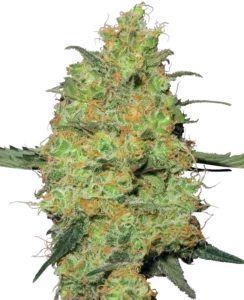
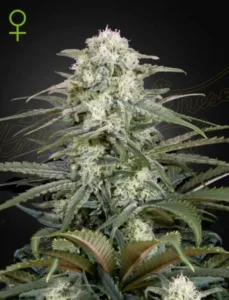
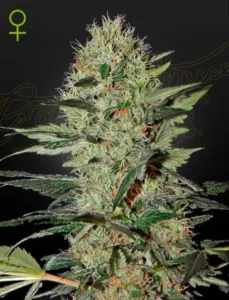
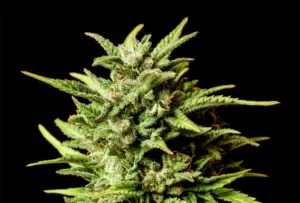
Master Kush Seeds

|
THC | 15% - 18% (Medium) |

|
Lineage | Hindu Kush |

|
Type | Feminized |

|
Height | 5.74 ft | 1.75 m |

|
Yield | Low |

|
Yield Indoor | 0.66 - 0.98 oz/ft² | 200 - 300 g/m² |

|
Flowering Time | 7 - 9 weeks |

|
Phenotype | 10% Indica / 90% Sativa |

|
Effects | Sedative, Tingly, Relaxed |

|
Flavors | Citrus, Earthy, Lemon |
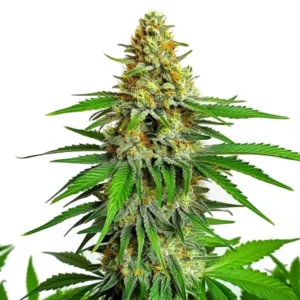
Break-Up Cake Auto
|
|
THC | 21% - 22% (Medium) |
|
|
Lineage | Girl Scout Cookies x Cherry Pie |
|
|
Type | Autoflowering |
|
|
Height | 3.94 ft | 1.2 m |
|
|
Yield | High |
|
|
Yield Indoor | 1.64 - 1.97 oz/ft² | 500 - 600 g/m² |

|
Yield Outdoor | 17.64 - 21.16 oz/plant | 500 - 600 g/plant |
|
|
Life Cycle | 7 - 8 weeks |
|
|
Phenotype | 60% Indica / 40% Sativa |
|
|
Effects | Balanced |
|
|
Flavors | Fruity, Citrus |
What Does Being Drunk Feel Like?
Alcohol initially can make people feel relaxed, sociable, excited, or less inhibited. As blood alcohol concentration rises, however, those perceived positive effects increasingly give way to impairment in judgment, coordination, balance, attention, speech, and reaction time. NIAAA notes that these abilities can already be affected before a person appears obviously drunk.
Behavior does not follow one universal pattern. Some people become more outgoing, while others become quiet, emotional, irritable, reckless, or aggressive. It is therefore reasonable to describe reduced inhibition as a common alcohol effect, but not to say that everyone who becomes drunk will behave badly.
At higher levels of intoxication, alcohol can cause slurred speech, marked loss of coordination, vomiting, confusion, memory blackouts, loss of consciousness, and potentially fatal alcohol poisoning.
What Does Being High Feel Like?
A cannabis high is usually driven primarily by THC, although the experience depends heavily on dose and product composition. Recent cannabis use can affect thinking, attention, memory, coordination, movement, decision-making, and perception of time.
Subjectively, people may describe feeling relaxed, euphoric, amused, introspective, hungry, sleepy, or more absorbed in music and sensory experiences. Others can feel anxious, confused, uncomfortable, paranoid, or overly self-conscious. That variability is why the current article should not state that cannabis generally creates a calmer, more thoughtful, or more controlled mental state.
The type of cannabis product also matters. Inhaled THC produces effects relatively quickly, whereas cannabis edibles can take much longer to reach their full effect and can remain intoxicating for longer. CDC notes that edible cannabis may take 30 minutes to two hours to begin producing noticeable effects, creating a greater risk of consuming too much before the first dose has fully taken effect.
Is Being High More Controlled Than Being Drunk?
Not necessarily.
One of the biggest problems in the existing article is the repeated implication that cannabis users remain more cautious and self-aware while alcohol users become reckless. Although the substances can produce different behavioral patterns, cannabis can still impair decision-making, attention, memory, coordination, and reaction time.
Some experimental driving research has found that cannabis users may recognize impairment and compensate by slowing down or increasing following distance more often than alcohol-impaired drivers. That finding does not mean they are unimpaired or safe. NHTSA still identifies cannabis-related deficits in reaction time, divided attention, lane control, and other driving-related skills.
A more defensible conclusion is that the substances can produce different patterns of impairment, not that one reliably produces better decisions.
Drunk vs High: Memory and Thinking
Both alcohol and cannabis can affect memory, but the patterns are not identical.
Alcohol at sufficiently high concentrations can cause true alcohol-related blackouts. During a blackout, the person may remain conscious and interact with others but fail to form lasting memories of what happened. NIAAA explains that these gaps occur when alcohol disrupts memory consolidation in the hippocampus.
Cannabis more commonly causes temporary difficulties with short-term memory, attention, learning, and processing information during intoxication. CDC specifically identifies immediate effects on memory, thinking, attention, coordination, movement, and time perception after recent use.
So it is reasonable to say that alcohol blackouts are a particularly distinctive risk of heavy drinking, but incorrect to imply that cannabis generally leaves mental clarity intact, as the existing page currently does.
Drunk vs High: Coordination and Reaction Time
Both states can make physical tasks less reliable.
As alcohol concentration rises, coordination, balance, motor control, attention, and reaction time progressively deteriorate. These effects are sufficiently predictable that blood alcohol concentration has a well-established relationship with impairment.
Cannabis can also slow reaction time, alter coordination, affect movement, and interfere with divided attention. However, the relationship between a measured THC concentration in blood and an individual person’s impairment is much less straightforward than the relationship between BAC and alcohol impairment. NHTSA notes that blood THC is not a reliable BAC-equivalent measure of functional impairment.
That difference is important. It does not make cannabis impairment less real; it means it is harder to quantify with a single laboratory number.
Which Makes You More Social: Alcohol or Weed?
Alcohol is strongly associated with reduced inhibition, which can make some people more talkative, confident, or socially expressive. That same reduction in inhibition can also produce interruptions, poor judgment, inappropriate behavior, arguments, or emotional volatility as intoxication increases.
Cannabis does not have one consistent social effect. One person may become talkative and amused, while another becomes quiet, distracted, anxious, or intensely introspective. The current article repeatedly describes cannabis as fostering deeper conversations, active listening, peaceful interaction, and stronger community. Those are cultural stereotypes rather than reliable pharmacological outcomes.
Neither substance should therefore be presented as inherently “better for socializing.”

Which Causes More Anxiety?
Either can contribute to anxiety, but in different ways and under different circumstances.
THC can produce anxiety, panic, paranoia, confusion, or an uncomfortable sense of losing control, particularly with higher-potency products or unexpectedly large edible doses. Individual susceptibility varies substantially.
Alcohol may temporarily reduce anxiety or inhibition during intoxication, but that short-term feeling should not be interpreted as treatment for anxiety. Mood, sleep, withdrawal, habitual use, and alcohol-related consequences can all complicate the relationship between drinking and mental health.
For this comparison, it is more accurate to say both experiences can be pleasant or unpleasant depending on the person and dose, rather than portraying alcohol as emotionally chaotic and cannabis as inherently calming.
Can You Black Out From Weed?
The term blackout most clearly describes a recognized alcohol phenomenon involving failure to form memories while the person remains conscious. Heavy alcohol intoxication can produce these memory gaps, particularly as BAC rises rapidly.
Cannabis can strongly impair short-term memory and produce confusion, particularly at high THC doses, but the classic alcohol blackout is not the standard way cannabis-related memory impairment is described.
A person can nevertheless become extremely intoxicated from cannabis, particularly from edibles or concentrates, and may require medical attention if severe symptoms develop. Cannabis should not be described as harmless merely because alcohol poisoning has a more established direct fatal-overdose mechanism.
Alcohol Overdose vs Too Much Cannabis
This is one of the clearest differences between the two substances.
Severe alcohol poisoning can suppress vital functions involved in breathing, heart rate, and temperature control and can cause unconsciousness or death. Importantly, BAC can continue rising after someone stops drinking because alcohol in the stomach and intestine can continue entering the bloodstream.
Taking too much THC can also cause serious intoxication, including panic, confusion, vomiting, impaired coordination, and accidental injury. Edibles deserve particular caution because their delayed onset can cause people to consume additional doses before realizing how intoxicated they will become.
The correct comparison is therefore not “alcohol dangerous, weed safe.” The risk profiles are different.
Which Is More Addictive?
Both alcohol and cannabis can produce clinically recognized substance-use disorders.
Alcohol use disorder ranges from mild to severe and involves patterns such as difficulty controlling drinking despite harmful consequences. Cannabis can likewise produce cannabis use disorder, particularly with frequent use and earlier initiation. CDC currently estimates that approximately 3 in 10 people who report cannabis use have cannabis use disorder, although individual risk varies considerably.
Those figures should not be turned into a simplistic head-to-head percentage comparison because studies define populations and outcomes differently. The useful takeaway is that neither substance is dependence-free.
Is It Safer to Drive Drunk or High?
Neither.
Alcohol reliably impairs reaction time, judgment, coordination, balance, and driving performance. Cannabis can impair reaction time, decision-making, coordination, attention, and perception.
There is an important scientific difference in how impairment is measured. BAC has a well-established dose-response relationship with alcohol-related impairment, whereas blood THC concentration does not correlate cleanly enough with impairment to function as an equivalent cannabis BAC.
That measurement problem is not evidence that driving high is safe. Anyone comparing DUI rules should also remember that laws differ substantially by jurisdiction; the broader international cannabis driving laws can vary independently of how impaired someone personally feels.
What Happens If You Mix Alcohol and Weed?
Using alcohol and cannabis together can produce more impairment than using either one alone.
NHTSA warns that combining two or more impairing substances, including alcohol, can amplify their harmful effects on driving-related abilities. Combining them can make dizziness, nausea, poor coordination, judgment problems, or other forms of intoxication harder to anticipate.
For that reason, someone comparing “drunk versus high” should not assume that splitting the difference by using both creates a milder experience. Polysubstance use creates a separate risk profile.
Does the Cannabis Strain Change What Being High Feels Like?
The cannabis experience certainly varies between products, but commercial strain names cannot reliably predict the exact effect.
Products sold under the same strain name can differ genetically and chemically, while THC and CBD concentration, terpene profile, dose, route of administration, tolerance, expectations, and setting can all contribute to the experience. The limitations of cannabis strain names are especially relevant here because describing Blue Dream as universally social or Granddaddy Purple as universally introspective oversimplifies real product variation.
This is why I would completely remove the current section recommending strains as substitutes for different types of alcohol experience.
Which Lasts Longer: Being Drunk or Being High?
There is no single answer because duration depends heavily on dose and route.
Alcohol effects depend on how much is consumed, how quickly it is consumed, body composition, food intake, and metabolism. Alcohol levels can continue increasing for a period even after drinking stops.
Cannabis duration varies even more by consumption method. Inhaled THC generally takes effect quickly, whereas edibles have a much slower onset and can remain intoxicating considerably longer. CDC notes that edible effects may be delayed and last longer than expected, particularly when the dose is difficult to judge.
So “weed lasts longer” or “alcohol wears off faster” is too broad without specifying how each substance was used.
Being Drunk vs Being High: Which Is Worse?
There is no useful universal winner because the risks are different.
Alcohol has a clear risk of fatal poisoning at sufficiently high doses, can produce memory blackouts, and has a well-established relationship between increasing BAC and progressively greater impairment.
Cannabis generally has a different acute toxicity profile but can still impair memory, attention, judgment, coordination, and reaction time and can produce severe anxiety or intoxication. Regular cannabis use can also develop into cannabis use disorder.
The more accurate conclusion is that being drunk and being high create different kinds and degrees of impairment, and neither should be treated as risk-free.
Being Drunk vs Being High: Bottom Line
Being drunk and being high can feel very different, but the simplistic stereotype that alcohol makes people reckless while cannabis makes them peaceful and thoughtful does not hold reliably.
Alcohol tends to produce increasingly predictable impairment as BAC rises, affecting inhibition, judgment, memory, coordination, reaction time, and eventually basic life functions at dangerously high levels. Cannabis can alter perception and mood while also impairing attention, short-term memory, coordination, judgment, and reaction time.
The exact cannabis experience is particularly variable because THC concentration, product type, route, tolerance, and individual response matter. Neither intoxicated state is appropriate for driving, and mixing alcohol with cannabis can increase impairment.
FAQs About Being Drunk vs Being High
What is the main difference between being drunk and being high?
Being drunk results from alcohol, while a typical cannabis high is driven mainly by THC. Alcohol commonly reduces inhibition and progressively impairs judgment, coordination, memory, and reaction time as BAC rises. THC can alter perception and time awareness while also impairing attention, memory, coordination, and decision-making.
Does being high make you more aware than being drunk?
Not reliably. Some cannabis users report feeling introspective or highly aware of their thoughts, but THC can still impair attention, memory, coordination, decision-making, and reaction time. Feeling more self-aware does not prove better objective performance, and cannabis should not be characterized as producing universally safer or more rational behavior.
Is being drunk more dangerous than being high?
The risks differ rather than fitting into a simple ranking. Severe alcohol poisoning can suppress vital bodily functions and be fatal, while high-dose cannabis can cause substantial intoxication, anxiety, confusion, vomiting, and accidental injury. Cannabis also impairs cognitive and motor functions and can lead to cannabis use disorder.
Can you drive better high than drunk?
No. Alcohol and cannabis both impair abilities necessary for safe driving. Cannabis can reduce reaction time, coordination, decision-making, and divided attention, even though blood THC does not correlate with impairment as predictably as BAC does with alcohol. Drivers should not interpret that measurement difference as evidence that driving high is safe.
Is a weed high more predictable than being drunk?
Not necessarily. Cannabis effects can vary with THC concentration, CBD content, route of administration, tolerance, previous use, setting, and individual sensitivity. Edibles add another source of variability because their delayed onset can make dose effects difficult to judge. Alcohol responses also vary, but BAC tracks impairment more consistently.
What happens if you get drunk and high at the same time?
Combining cannabis with alcohol can increase impairment rather than creating a predictable middle ground. Both substances can affect reaction time, judgment, coordination, and attention, and transportation-safety guidance warns that combining impairing substances can amplify harmful effects. Avoid driving or other safety-sensitive activities after using either substance or both.