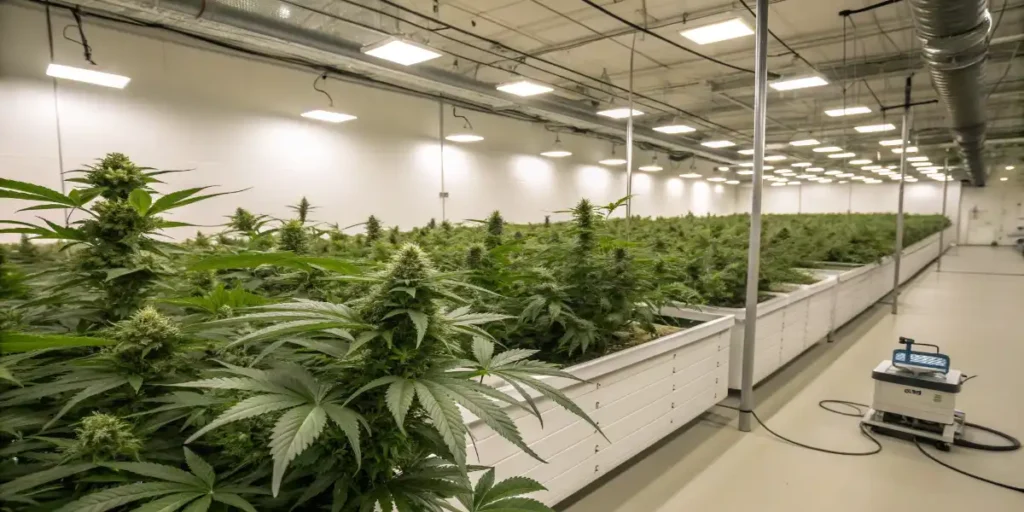

Aflatoxin contamination in cannabis can occur when toxigenic molds, particularly certain Aspergillus strains, grow under conditions that support mycotoxin production. The main aflatoxins monitored are B1, B2, G1 and G2. Mold presence does not automatically mean aflatoxins are present, so prevention depends on moisture control, hygienic handling and validated laboratory testing rather than visual inspection alone.
What Are Aflatoxins?
Aflatoxins are toxic secondary metabolites produced by particular molds, especially toxigenic strains of Aspergillus flavus and Aspergillus parasiticus. The principal forms commonly monitored in agricultural products are aflatoxins B1, B2, G1 and G2. Aflatoxin B1 receives particular attention because it is considered the most potent carcinogen within this group.
Recommended Strains
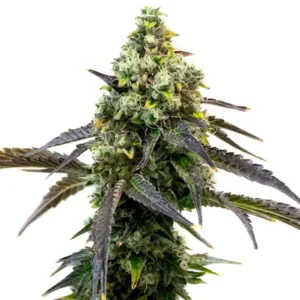
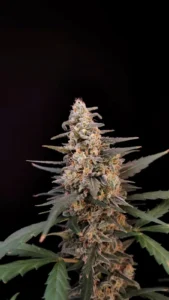
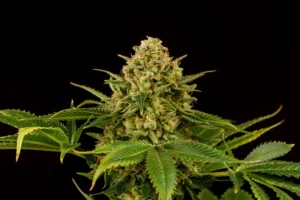
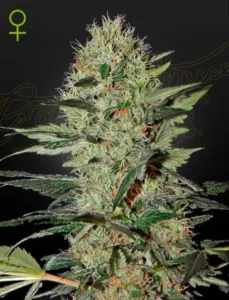
Cafe Racer

|
THC | 25% (High) |

|
Lineage | Grandaddy Purple x GSC |

|
Type | Feminized |

|
Height | 6.23 ft | 1.9 m |

|
Yield | Medium |

|
Yield Indoor | 1.15 - 1.47 oz/ft² | 350 - 450 g/m² |

|
Yield Outdoor | 24.69 - 28.22 oz/plant | 700 - 800 g/plant |

|
Flowering Time | 8 - 10 weeks |

|
Phenotype | 30% Indica / 70% Sativa |

|
Medical | Fatigue, Muscle Spasms, Stress |

|
Effects | Happy, Relaxed, Talkative |

|
Flavors | Citrus, Earthy, Grape |
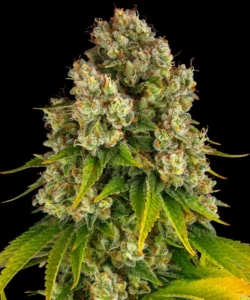
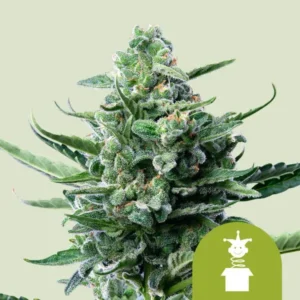
Cheese Autoflower
|
|
THC | 18% - 20% (Medium) |
|
|
Lineage | Cheese x BF Super Auto #1 |
|
|
Type | Autoflowering |
|
|
Height | 3.44 ft | 1.05 m |
|
|
Yield | High |
|
|
Yield Indoor | 1.47 - 1.64 oz/ft² | 450 - 500 g/m² |
|
|
Yield Outdoor | 5.29 - 7.76 oz/plant | 150 - 220 g/plant |
|
|
Life Cycle | 9 - 11 weeks |
|
|
Phenotype | 70% Indica / 30% Sativa |
|
|
Effects | Relaxed, Happy, Energetic, Creative |
|
|
Flavors | Earthy, Pungent, Cheese, Skunk |
Use up and down arrow keys to resize the meta box pane.
These compounds are best known as contaminants of commodities such as maize, peanuts, tree nuts and some grains, but potentially aflatoxigenic fungi can also occur on cannabis. Historical experiments demonstrated that toxigenic A. flavus and A. parasiticus could produce aflatoxins when deliberately grown on cannabis material under favorable laboratory conditions.
That does not mean aflatoxins normally occur whenever mold is visible on cannabis. Their production depends on the fungal strain, substrate and environmental conditions, so the presence of a mold and the presence of its toxins are two different analytical questions.
Aspergillus Contamination Is Not the Same as Aflatoxin Contamination
This distinction is crucial for understanding cannabis safety.
Aspergillus is a large fungal genus containing many species and strains. Some are capable of producing particular mycotoxins, while others are not. Even a toxigenic strain does not necessarily produce substantial amounts of toxin every time it grows because mycotoxin biosynthesis depends on environmental and physiological conditions.
Cannabis studies have identified Aspergillus species on flowers, including potentially toxigenic fungi. However, researchers reviewing the evidence found relatively few studies confirming their corresponding mycotoxins in cannabis products and specifically cautioned against automatically inferring toxin contamination simply because potentially toxigenic fungi are detected.
Testing for Aspergillus and testing for aflatoxins therefore provide related but different information. A microbial assay asks whether the fungus or its genetic material is present, while a mycotoxin assay directly measures the chemical contaminants of concern.
Which Aflatoxins Are Tested in Cannabis?
Regulated cannabis testing commonly focuses on aflatoxins B1, B2, G1 and G2, often alongside ochratoxin A.
Requirements vary by jurisdiction, so there is no universal international cannabis action limit. California, for example, currently requires cannabis samples to contain no more than 20 µg/kg combined aflatoxins B1, B2, G1 and G2, while ochratoxin A also has a separate 20 µg/kg limit. A batch exceeding those criteria fails the state’s mycotoxin test.
Other jurisdictions structure their thresholds differently. Minnesota, for instance, specifies individual flower limits and also applies an overall mycotoxin limit.
For that reason, an article about cannabis aflatoxins should not present one regulatory threshold as globally applicable. Growers and processors need to follow the requirements of the market in which their product will actually be sold.
How Common Are Aflatoxins in Cannabis?
The health hazard is real, but current evidence does not suggest that aflatoxin failures are common in regulated cannabis.
A large 2026 analysis examined compliance data from 328,682 cannabis flower samples and 114,579 concentrate samples across 11 U.S. states. Overall mycotoxin failure rates were only 0.016% for flower and 0.017% for concentrates. Ochratoxin A was detected more frequently than the four aflatoxins included in the study.
That is useful context.
Aflatoxins deserve regulatory attention because of their toxicity, but an article should not imply that widespread aflatoxin contamination is occurring routinely in properly regulated cannabis flower.
A major review reached a similar conclusion: potentially mycotoxigenic fungi have repeatedly been identified on cannabis, yet confirmed aflatoxin occurrence in compliance testing has historically been relatively rare.
Why Can Cannabis Support Mycotoxigenic Fungi?
Cannabis inflorescences provide plant tissue on which fungi can occur before or after harvest. Spores can originate from the cultivation environment, plant debris, infected tissues or post-harvest handling, and damaged flower tissue may provide additional opportunities for fungal colonization.
The critical issue is whether conditions then allow enough fungal growth and metabolic activity for mycotoxins to accumulate.
Temperature and moisture are important environmental factors in aflatoxin development generally, and FDA notes that temperature, humidity and weather can influence fungal growth and toxin contamination during cultivation, harvest and storage.
For cannabis specifically, drying and storage become particularly important because reducing available water limits further fungal growth. This is why post-harvest moisture management deserves more attention than simply prescribing one room-relative-humidity number.
Room Humidity and Flower Water Activity Are Not the Same Thing
The current article repeatedly recommends maintaining cannabis at exactly 58–62% RH or below 65% RH as the primary defense against aflatoxins. That is too simplistic.
Relative humidity describes the surrounding air. Water activity, usually written as aₙ or a_w, describes how much water within a product is available to support microbial activity.
Cannabis-focused literature notes that sufficiently drying flower to low water activity makes further fungal growth increasingly unfavorable. The same review emphasizes that some Aspergillus and Penicillium species can survive at relatively low water activities, while active growth and mycotoxin production require more restrictive environmental conditions.
Regulators consequently sometimes incorporate water activity directly into cannabis standards. Minnesota, for example, currently specifies a flower water-activity limit below 0.65.
That does not make 0.65 a universal cultivation or curing target. It demonstrates why finished-product water activity can be more informative for microbial stability than relying exclusively on ambient room RH.
Does Visible Mold Mean Cannabis Contains Aflatoxins?
No.
Visible mold proves that fungal growth has occurred, but it does not identify the fungal species, determine whether the strain is toxigenic or measure whether aflatoxins have actually accumulated.
Conversely, the absence of obvious visible mold is not a laboratory guarantee that a product is free of fungal contamination or mycotoxins.
Cannabis microbiome research has detected potentially toxigenic Aspergillus and Penicillium organisms in flower using molecular methods, including organisms missed by some conventional culture-based approaches.
For commercial safety decisions, appearance and smell can therefore identify obvious quality failures, but they cannot replace validated microbial and mycotoxin testing.
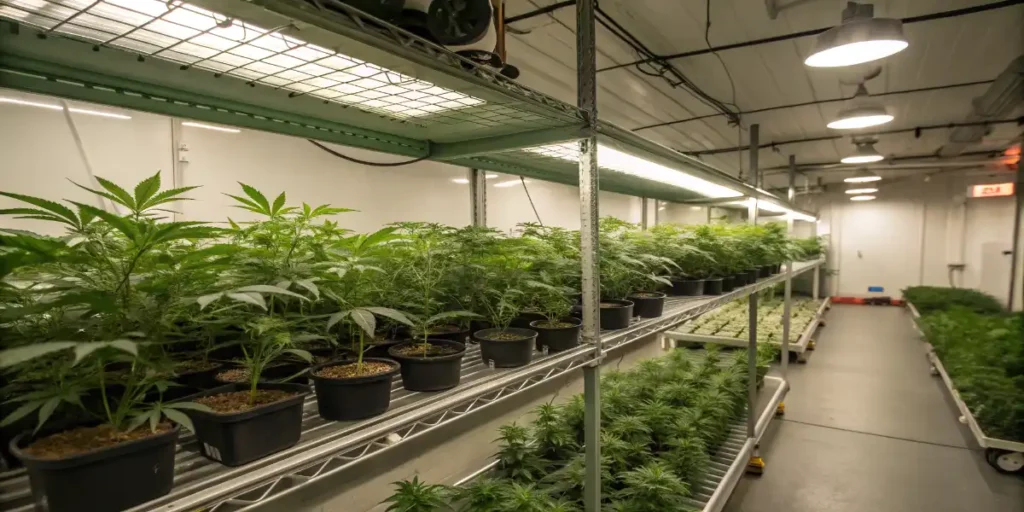
Can You Smell or Taste Aflatoxins in Cannabis?
Aflatoxin contamination cannot be reliably diagnosed through aroma or flavor.
Cannabis may smell musty when fungal growth is extensive, but that would indicate a possible mold problem rather than specifically identifying aflatoxin B1, B2, G1 or G2.
The toxins themselves require analytical detection.
This distinction prevents a common misunderstanding: sensory inspection can help flag suspicious material, but a cannabis flower that looks and smells normal should not automatically be described as laboratory-clean.
How Laboratories Test Cannabis for Aflatoxins
Cannabis laboratories use analytical methods capable of separating and quantifying individual mycotoxins.
Liquid chromatography coupled with tandem mass spectrometry, or LC–MS/MS, is one method used for simultaneous analysis of aflatoxins and other mycotoxins in cannabis. A recent Canadian study, for example, extracted aflatoxins B1, B2, G1 and G2 along with ochratoxin A and deoxynivalenol and quantified them using LC–MS/MS.
Chromatographic testing is fundamentally different from a general yeast-and-mold count. A product could contain fungal organisms without measurable aflatoxin, while chemical toxin testing asks directly whether the compounds themselves exceed a regulatory threshold.
For commercial cannabis, the appropriate method should be validated for the cannabis matrix and meet the requirements of the relevant regulator.
Why Microbial Testing Alone Is Not Enough
Measuring microorganisms and measuring toxins answer different questions.
Reducing fungal viability does not necessarily eliminate mycotoxins that were already produced. A 2025 study examining irradiated cannabis found that gamma irradiation substantially reduced microbial loads but did not completely eliminate toxigenic fungal material or previously present mycotoxins.
This has an important practical consequence.
A remediation process that reduces colony counts should not automatically be assumed to have removed aflatoxin contamination. When mycotoxins are part of the safety specification, the finished material needs appropriate chemical testing rather than an inference based only on microbial reduction.
Can Aflatoxin Be Washed Off Cannabis?
Washing visible material from a cannabis flower should not be considered a validated way to make an aflatoxin-contaminated batch safe.
The safety question is not simply whether fungal particles remain on the outer surface. Aflatoxins are chemical metabolites, so removing visible mold does not establish that previously produced toxins are absent.
The same principle applies to trimming away a visibly moldy portion of a flower. That may remove obvious contaminated tissue but does not provide analytical evidence that the remaining material meets a mycotoxin specification.
For regulated cannabis, laboratory testing and the applicable batch-disposition rules should determine whether contaminated material can legally or safely proceed.
What Are the Health Risks of Aflatoxins?
Aflatoxins are among the most important mycotoxins from a human-health perspective.
WHO describes them as highly poisonous compounds capable of causing acute aflatoxicosis at sufficiently high exposure, with the liver being the principal organ affected. Aflatoxins are also genotoxic and have been linked to liver cancer in humans.
JECFA considers aflatoxins genotoxic carcinogens and has not established a conventional tolerable daily intake for the group. Aflatoxin B1 is regarded as the most potent carcinogen among the principal aflatoxins.
Most of the established human epidemiological evidence comes from dietary exposure rather than cannabis consumption. It would therefore be inappropriate to invent a cannabis-specific dose or claim that a particular amount of contaminated flower produces a defined disease risk.
The defensible conclusion is that aflatoxins are hazardous contaminants whose presence should be minimized and controlled through testing.
Are Medical Cannabis Users at Greater Risk?
Fungal contamination can be particularly concerning for immunocompromised consumers, although this issue extends beyond aflatoxins themselves.
Cannabis research has identified potentially pathogenic fungi on flowers, and fungal exposure through contaminated cannabis has been discussed as a concern for people with impaired immune defenses.
That should not be confused with saying that medical cannabis intrinsically contains more aflatoxin.
The relevant point is that populations vulnerable to fungal infection or toxic exposures have an especially strong reason to rely on products produced and tested under an appropriate quality system rather than untested material of uncertain origin.
How to Reduce Aflatoxin Risk During Cultivation
Aflatoxin prevention starts by preventing conditions that allow toxigenic fungi to establish and proliferate.
That means maintaining appropriate environmental control, removing diseased or heavily contaminated plant material and preventing avoidable transfer of fungal spores through dirty equipment, surfaces and handling practices.
However, the goal should not be reduced to one universal room humidity or temperature. Fungal behavior depends on moisture, temperature, species, substrate and plant microclimate, so environmental management needs to reflect the actual cultivation system.
Good airflow and canopy management can help prevent persistently wet microenvironments, but genetic resistance to one cannabis disease does not guarantee protection from aflatoxigenic fungi.
This is why I would remove the original recommendations for Purple Kush, Royal Kush Auto or other supposedly mold-resistant strains.
Drying Is a Critical Control Point
The transition from living plant to dried flower deserves particular attention.
Freshly harvested cannabis contains enough moisture to support substantial biological activity. If drying is slow, uneven or poorly controlled, fungal populations already present on flowers may have additional time to grow.
The cannabis mycotoxin literature specifically identifies drying as an important quality-assurance step because reducing flower water activity restricts the conditions available for fungal proliferation and subsequent toxin production.
The objective is not simply “dry to 58% RH.” It is to produce uniformly dried flower with appropriately controlled moisture availability while avoiding wet pockets inside dense inflorescences.
Storage Conditions Matter After Drying
Proper drying does not help if cannabis is later exposed to conditions that allow moisture to accumulate again.
Storage should protect dried flower from excessive humidity, condensation, temperature fluctuations and contamination from dirty containers or surrounding materials.
Stable storage is especially important because post-harvest molds such as Aspergillus and Penicillium are well adapted to colonizing stored agricultural products when enough moisture becomes available. FDA likewise identifies storage conditions as an important stage in controlling aflatoxin contamination in susceptible crops.
Airtight packaging can help protect properly conditioned flower from external moisture changes, but sealing cannabis that is still excessively wet can create the opposite problem.
Drying needs to be completed appropriately before storage.
Cross-Contamination Can Increase Fungal Risk
A clean batch can encounter fungal material from tools, trimming machines, surfaces, containers, workers or contaminated cannabis processed in the same space.
That means aflatoxin prevention overlaps with broader cannabis cross-contamination control.
The purpose of sanitation is not specifically to “kill aflatoxin.” It is to reduce opportunities for potentially toxigenic fungi to move into clean product and establish themselves.
Trimming and post-harvest handling are especially relevant because flower repeatedly contacts equipment and workers during those stages. Keeping clean and contaminated material separated and maintaining validated sanitation procedures therefore reduces one possible pathway into finished cannabis.
What Should Happen if Aflatoxin Is Detected?
A positive aflatoxin result should be handled according to the applicable regulatory and quality-control procedure rather than through an improvised home remediation technique.
In California, for example, a representative sample exceeding the state’s mycotoxin criteria causes the associated batch to fail testing and prevents its release for retail sale.
That illustrates an important distinction between preventing mold during cultivation and managing a batch that has already failed a chemical contaminant test.
Once aflatoxin has been demonstrated analytically, simply removing visible mold, drying the flower further or applying a microbial-kill treatment does not by itself demonstrate that the toxin is gone.
Any permitted remediation needs to follow the specific jurisdiction’s rules and be verified with appropriate testing.
Aflatoxin Contamination in Cannabis: The Bottom Line
Aflatoxin contamination is a legitimate cannabis safety issue, but it should be discussed accurately.
Certain Aspergillus fungi have the potential to produce aflatoxins B1, B2, G1 and G2, and laboratory experiments confirm that toxigenic fungi can produce these compounds on cannabis under favorable conditions.
However, detecting Aspergillus does not automatically prove aflatoxin contamination. Cannabis-specific reviews have found potentially toxigenic fungi much more frequently than confirmed aflatoxins, and a very large 2026 U.S. compliance dataset found extremely low overall mycotoxin failure rates in regulated flower and concentrates.
The strongest prevention strategy combines hygienic cultivation and handling with controlled drying, appropriate storage and validated laboratory testing.
There is no scientifically defensible reason to solve the issue with a particular cannabis strain, a universal 58–62% RH rule or a single antifungal treatment.
FAQs About Aflatoxins in Cannabis
What are aflatoxins in cannabis?
Aflatoxins are toxic fungal metabolites that can potentially contaminate cannabis when toxigenic molds grow under suitable conditions. The principal compounds monitored are aflatoxins B1, B2, G1 and G2. Aflatoxin B1 is the most potent carcinogen in the group, while actual contamination must be confirmed analytically rather than inferred from visible mold alone.
Does Aspergillus on cannabis mean aflatoxins are present?
No. Some Aspergillus species and strains can produce aflatoxins, but fungal detection does not demonstrate toxin production. Cannabis research has identified potentially toxigenic fungi more frequently than their associated mycotoxins. Determining whether cannabis contains aflatoxin B1, B2, G1 or G2 requires an appropriate chemical analysis.
Can aflatoxin be removed from cannabis by washing it?
Washing cannabis or removing visible mold cannot establish that aflatoxins are absent. Aflatoxins are chemical metabolites rather than simply fungal spores sitting on the flower surface. If contamination is suspected or detected, safety should be determined through validated laboratory testing and the applicable regulatory procedure rather than visual cleaning alone.
What organ is most affected by aflatoxins?
The liver is the principal organ affected by aflatoxin toxicity. High exposures can cause acute liver injury, while chronic exposure is associated with an increased risk of liver cancer. Aflatoxins are also genotoxic, meaning they can damage DNA, which is why regulators seek to minimize human exposure.
How are aflatoxins tested in cannabis?
Cannabis laboratories can use validated chromatographic methods such as LC–MS/MS to separate and quantify individual mycotoxins, including aflatoxins B1, B2, G1 and G2. This is different from microbial testing for Aspergillus because toxin testing directly measures the chemical contaminants rather than the fungus itself.
How can growers reduce aflatoxin contamination risk?
Risk reduction starts by limiting fungal establishment and growth through appropriate moisture management, sanitation, airflow, careful drying and stable storage. Finished-product testing remains important because visible inspection cannot establish whether aflatoxins are present. No particular cultivar or universal room-RH value can guarantee aflatoxin-free cannabis.