
The cannabis microbiome includes bacteria, fungi and other microorganisms living around roots, on plant surfaces and inside cannabis tissues. These communities can participate in nutrient cycling, root development, stress responses and interactions with pathogens. However, microbiome composition varies with cultivar, plant tissue, developmental stage, soil and environment, so no microbial product can guarantee higher yield, potency or disease resistance.
What Is the Cannabis Microbiome?
The cannabis microbiome is the collection of microorganisms associated with Cannabis sativa and its immediate growing environment. These organisms are not located in one uniform microbial community. Different populations occur in the soil surrounding the roots, directly on root surfaces, inside plant tissues and on leaves and flowers.
Recommended Strains
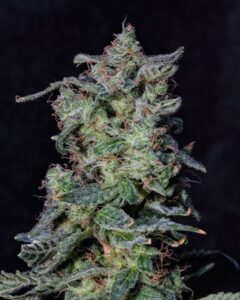
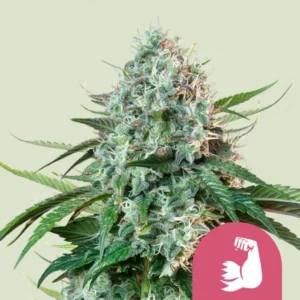
Black Cherry Punch Fem

|
THC | 25% - 26% (High) |

|
Lineage | Black Cherry Pie x Purple Punch |

|
Type | Feminized |

|
Height | 5.74 ft | 1.75 m |

|
Yield | High |

|
Yield Indoor | 2.13 oz/ft² | 650 g/m² |

|
Yield Outdoor | 42.33 oz/plant | 1200 g/plant |

|
Flowering Time | 8 - 9 weeks |

|
Phenotype | 80% Indica / 20% Sativa |

|
Effects | Calming, Euphoric, Relaxed |

|
Flavors | Earthy, Fruity, Sweet |
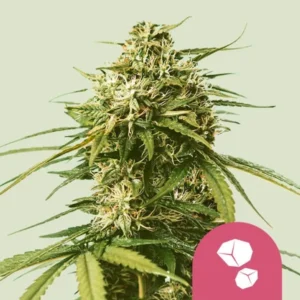
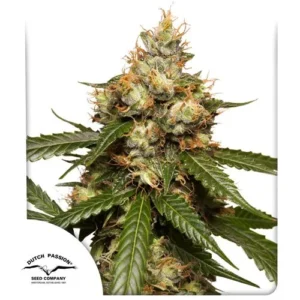
Gushers
|
|
THC | 23% - 24% (High) |
|
|
Lineage | Gelato 41 x Triangle Kush |
|
|
Type | Feminized |
|
|
Height | 4.43 ft | 1.35 m |
|
|
Yield | High |
|
|
Yield Indoor | 1.47 - 1.64 oz/ft² | 450 - 500 g/m² |
|
|
Yield Outdoor | 22.93 - 24.69 oz/plant | 650 - 700 g/plant |
|
|
Flowering Time | 8 - 10 weeks |
|
|
Phenotype | 60% Indica / 40% Sativa |
|
|
Effects | Giggly, Relaxed |
|
|
Flavors | Cookie, Earthy, Fruity |
Research examining hemp grown under controlled conditions has found clear differences between microbial communities in bulk soil, the rhizosphere, roots, stems, leaves and flowers. The composition of these communities also changes between cannabis genotypes and across stages of plant development.
This is why referring to a single “healthy cannabis microbiome” is overly simplistic. A microorganism that is abundant around the roots may be absent from flowers, while organisms living harmlessly inside one tissue may behave differently under another environmental condition.
The Rhizosphere: Where Roots and Microbes Interact
The rhizosphere is the narrow zone of soil directly influenced by plant roots. Roots release sugars, organic acids, amino acids and other compounds into this region, creating an environment that can support microbial populations different from those found in surrounding bulk soil.
Cannabis studies show that both the soil and the host genotype help shape rhizosphere community composition. Research comparing several cannabis cultivars found significant effects from soil type, cultivar and the specific root-associated compartment being sampled.
Field-grown hemp studies likewise show complex bacterial and fungal communities surrounding cannabis roots. These microorganisms participate in ecological processes including nutrient cycling and interactions with biotic and abiotic stress, although identifying a microorganism in the rhizosphere does not automatically prove that it benefits the plant.
The rhizosphere is therefore best understood as an active ecological interface between the cannabis plant, soil chemistry and thousands of microbial populations.
What Are Cannabis Endophytes?
Endophytes are microorganisms that live inside plant tissues without necessarily producing obvious disease symptoms.
Cannabis can contain bacterial and fungal endophytes in roots, stems, leaves, flowers and even propagation material. Recent microbiome studies have detected numerous fungal genera inside cannabis tissues, including Fusarium, Penicillium, Rhizophagus and Aspergillus.
That list illustrates an important point: the term endophyte does not automatically mean beneficial.
Some microorganisms can behave as harmless endophytes under one set of circumstances and become associated with disease under another. Other strains may compete with pathogens, influence plant signaling or contribute to nutrient acquisition.
A 2026 study examining cannabis-derived bacterial endophytes found substantial strain-level differences among Bacillus and Pseudomonas. Some isolates inhibited fungal pathogens in laboratory assays and carried genes associated with antifungal compounds, but the researchers emphasized the need for further evaluation before treating them as proven cannabis bioinoculants.
Does Cannabis Have a Core Microbiome?
Researchers have identified recurring microbial groups associated with cannabis, but there is not one fixed microbiome shared identically by every plant.
A large compartment study found bacteria from groups including Proteobacteria, Actinobacteria, Firmicutes and Bacteroidetes across hemp-associated environments. Genera such as Rhizobium, Pseudomonas, Bacillus and Sphingomonas appeared frequently, although their abundance differed considerably between plant tissues and soil compartments.
More recent research continues to find genotype-dependent differences. A study comparing industrial hemp varieties detected significant variation in both endophytic and rhizosphere microbial diversity between genotypes.
The useful conclusion is therefore not that cannabis “needs Bacillus” or another single organism. It is that host genetics help select microbial communities from the microorganisms available in the surrounding environment.
How the Cannabis Microbiome Changes During Growth
Microbial populations are not static from seedling to harvest.
One commercial cannabis study followed three chemotypes through propagation, pre-vegetative growth, early flowering and late flowering. Both bacterial and fungal communities changed over time, and the researchers also found differences between the rhizosphere, root interior, leaves and inflorescences.
Environmental stress can alter the community as well. A 2026 study found measurable changes in the rhizosphere bacterial community of cannabis plants exposed to spider-mite stress. The stressed plants developed shifts in both microbial community structure and predicted microbial functions compared with healthy controls.
This means growers should be cautious about microbiome advice based on a single soil sample or one point in the crop cycle. The microorganisms present during early vegetative growth may not reflect those dominating around the same plant during late flowering.
Can Beneficial Microbes Improve Nutrient Availability?
Some microorganisms have biological mechanisms that can influence nutrient availability.
Plant-growth-promoting bacteria may solubilize forms of phosphorus, produce siderophores that interact with iron availability, fix atmospheric nitrogen under appropriate conditions or produce compounds that influence root growth. Mycorrhizal fungi form symbiotic relationships with roots and can expand the effective area through which plants interact with the substrate.
However, this does not support simplistic claims such as “mycorrhiza increases phosphorus absorption by 90%” in cannabis.
The magnitude of any response depends on the fungal or bacterial strain, cannabis genotype, nutrient availability and growing conditions.
Cannabis-specific experiments demonstrate this variability. One study using two arbuscular mycorrhizal fungi found that Rhizophagus aggregatus improved performance in the tested cannabis genotype, while another fungal treatment performed similarly to plants receiving conventional fertilizer.
The important result is not a universal percentage. It is that microbe × cultivar × environment interactions matter.
Do Microbial Inoculants Increase Cannabis Yield?
They can under some experimental conditions, but a guaranteed yield increase cannot be assigned to microbial inoculants as a category.
A greenhouse experiment testing five medicinal cannabis cultivars used the arbuscular mycorrhizal fungus Rhizophagus irregularis together with a microbial suspension. Biomass increased in three of the five cultivars, while the response was not uniform across all genetics. One cultivar also produced greater dry flower weight under the inoculated treatment.
That cultivar-dependent response is especially important.
The original page promises yield improvements of roughly 15–20% from microbial inoculation. The scientific literature does not justify using that as a general expectation.
A microbial inoculant should therefore be viewed as a biological input with a specific organism, formulation and ecological context, not as a generic yield booster.
Can Microbes Change Cannabinoids or Terpenes?
There is evidence that certain microbial treatments can influence secondary metabolite profiles, but the effects are not sufficiently predictable to promise more THC, CBD or terpenes from any microbial product.
The microbial-consortia cannabis study observed changes in selected phytocannabinoids, but responses differed between cultivars. A 2026 review of cannabis-associated plant-growth-promoting bacteria similarly concludes that microbial inoculation can modulate cannabinoids and terpenes in some experiments while emphasizing strong cultivar specificity.
This is fundamentally different from saying that microbes “boost potency.”
Cannabinoid and terpene production is influenced by genetics, developmental stage and environmental conditions alongside any microbial interactions. The microbiome may be one component of the system, but it is not an independent potency control knob.
Can the Cannabis Microbiome Protect Against Disease?
Certain microorganisms can suppress pathogens through competition, production of antimicrobial compounds or interactions with plant defense pathways.
The 2026 study of cannabis-derived Bacillus and Pseudomonas endophytes found isolates capable of inhibiting fungi including Fusarium oxysporum, F. graminearum and Rhizoctonia solani in laboratory testing. Genomic analysis also identified biosynthetic pathways associated with antifungal metabolites such as surfactin and fengycin.
These results are promising for biological control, but laboratory inhibition does not automatically translate into reliable disease control inside a commercial grow.
Microbial biocontrol has to work in competition with the resident microbiome, under the actual temperature, moisture, substrate and pathogen pressure found in cultivation.
Genetic disease resistance and environmental management therefore remain important even when beneficial microbes are used.
Beneficial Microbes and Pathogens Can Coexist
Cannabis microbiomes should not be imagined as a simple battle between “good microbes” and “bad microbes.”
Healthy-looking plants can contain microorganisms belonging to genera that also include plant pathogens or human health concerns. Conversely, potentially beneficial organisms can be naturally present without reaching sufficient abundance or activity to produce a measurable agronomic effect.
This complexity becomes particularly important as plants move toward flowering and post-harvest processing. Microorganisms present on living plants can later influence microbial quality of harvested flower if drying, trimming and storage conditions allow undesirable populations to persist or proliferate.
Microbiome management during cultivation should therefore be separated conceptually from microbial contamination control in harvested cannabis. They overlap biologically, but one concerns ecological interactions with living plants while the other concerns product safety and quality after harvest.
Do Different Cannabis Strains Need Different Microbes?
Possibly, and current evidence suggests that genotype is an important factor in microbiome composition and response to inoculation.
Both older and recent studies have found cultivar-dependent differences in cannabis-associated microbial communities. Experimental microbial treatments have also produced different growth responses among cultivars.
That does not mean growers currently have enough information to prescribe one microbial formula for GG4 and another for Blue Dream.
The original article does exactly this by suggesting different strains may require different “microbial support.” That goes beyond the evidence.
The science supports cultivar specificity as an important research variable, but not a commercial lookup table matching famous strain names with particular bottles of microbes.
Does Soil Type Affect the Cannabis Microbiome?
Strongly.
Microorganisms available in the surrounding soil or substrate form the source pool from which many root-associated communities develop.
Research comparing cannabis cultivars and soils found that soil type substantially influenced microbial community structure, while host cultivar became increasingly important within root-associated compartments.
Other studies have traced many cannabis-associated bacteria from bulk soil into the rhizosphere and subsequently into internal plant tissues, supporting the idea that the surrounding microbial environment contributes to the communities eventually found inside the plant.
This is one reason two genetically identical plants grown in very different substrates may not develop identical microbiomes.
Do Synthetic Fertilizers Destroy the Cannabis Microbiome?
That statement would be too broad.
Fertilizers, pesticides and other cultivation inputs can alter microbial communities, but the outcome depends on the chemical, rate, growing system and microorganisms involved.
Cannabis-specific research has demonstrated that fungicide treatments can significantly change the composition and abundance of rhizosphere microbial communities.
That is meaningful evidence of an input affecting the cannabis microbiome.
It does not establish that every synthetic fertilizer is inherently harmful to beneficial microbes or that organic fertilizer automatically creates a superior microbiome.
The better cultivation principle is to use inputs according to crop requirements and evaluate their actual effects rather than dividing every product into “microbe-friendly organic” and “microbe-killing synthetic.”
Do Compost Teas Improve the Cannabis Microbiome?
There is not enough cannabis-specific evidence to promise that compost tea increases microbial diversity, plant vigor or yield by a particular percentage.
The current page says compost tea can increase microbial diversity by 50% and recommends applying it every two weeks. Those numbers and that schedule should be removed.
Compost-derived preparations introduce organic matter and microorganisms, but the actual microbial composition of a homemade preparation can be highly variable.
A microbiome-focused article should distinguish between a defined inoculant containing identified microbial strains and an uncontrolled mixed microbial preparation. They are not equivalent from either an experimental or cultivation perspective.
Is There an Ideal pH for Cannabis Microbes?
There is no universal microbiome pH of exactly 6.5.
pH is certainly an important ecological factor because microbial communities and nutrient chemistry respond strongly to acidity and alkalinity. However, the appropriate root-zone pH also depends on substrate, fertilizer formulation and production system.
The existing article repeatedly treats 6.5 as the ideal value for microbial activity. That is too rigid.
A grower using biologically active field soil, peat-based substrate, coco or hydroponics is working with very different root-zone environments.
The goal should be maintaining appropriate root-zone chemistry for the chosen cultivation system, not chasing one microbiome number across every medium.
How to Support a Stable Cannabis Root Microbiome
The most defensible approach is to manage the root environment consistently.
Avoid chronic waterlogging, severe root-zone swings and unnecessary chemical interventions that do not serve a defined agronomic purpose. Maintain appropriate aeration, irrigation and nutrient availability for the growing system, because the plant itself strongly influences the microbiome through root exudates and physiological condition.
If using an inoculant, choose a product with identified organisms rather than relying only on marketing language such as “billions of beneficial microbes.” Consider what species or strains are present, whether viable counts are documented and whether there is evidence relevant to cannabis or a comparable crop.
Most importantly, evaluate plant response rather than assuming successful inoculation from the product label alone.
How Is the Cannabis Microbiome Studied?
Modern cannabis microbiome research commonly uses DNA sequencing to characterize microbial communities.
Researchers can amplify marker regions such as bacterial 16S rRNA genes or fungal ITS regions to compare the relative composition of communities in roots, soil and plant tissues. More advanced sequencing approaches can provide broader genomic information.
These methods are powerful, but they have limitations.
Detecting microbial DNA does not prove that the organism is alive, active or beneficial. Likewise, predicting biological functions from sequencing data is not the same as directly measuring those functions in the plant.
Culture-based experiments, greenhouse trials, genomic analysis and plant-response measurements are therefore still necessary when researchers want to prove that a particular microorganism performs a useful function.
Cannabis Microbiome: Key Takeaway
Cannabis supports a complex microbiome across the rhizosphere, roots, stems, leaves and flowers. The composition of those microbial communities changes with soil, cultivar, plant compartment, developmental stage and environmental stress.
Some bacteria and fungi have mechanisms capable of influencing nutrient availability, root development, stress tolerance or pathogen interactions. Cannabis experiments also show that selected microbial inoculants can improve biomass or modify secondary metabolites under specific conditions.
What the research does not support is a universal formula in which microbial inoculants automatically increase yield by 20%, mycorrhizae increase nutrient uptake by 90% or every cannabis strain needs a unique commercial microbial regimen.
The cannabis microbiome is an important part of plant biology, but it should be managed and discussed as an ecological system, not as another guaranteed grow booster.
FAQs About the Cannabis Microbiome
What is the cannabis microbiome?
The cannabis microbiome includes bacteria, fungi and other microorganisms associated with the plant and its surrounding root environment. Different communities occur in the rhizosphere, roots, stems, leaves and flowers. Their composition varies with soil, cultivar, developmental stage and environmental conditions rather than remaining identical throughout the plant’s lifecycle.
What are beneficial microbes for cannabis?
Potentially beneficial cannabis-associated microbes include selected Bacillus, Pseudomonas, Rhizobium and mycorrhizal fungi, among many others. Certain strains can influence nutrient availability, root growth or pathogen suppression. However, effects are strain- and cultivar-dependent, so the presence of a familiar microbial genus does not guarantee an agronomic benefit.
Do microbial inoculants increase cannabis yield?
Some experiments have produced greater biomass or flower weight after microbial inoculation, but responses vary between cultivars and treatments. One greenhouse study observed increased biomass in three of five tested cannabis cultivars rather than all five. Microbial inoculants should therefore not be expected to provide a fixed percentage increase in yield.
Do mycorrhizal fungi help cannabis plants?
They can under suitable conditions. Cannabis experiments with arbuscular mycorrhizal fungi have reported improvements in plant growth and cannabinoid production with particular fungal species and cannabis genetics. Results differed between treatments, however, showing that mycorrhizal inoculation is not automatically beneficial to the same degree in every growing system.
Can microbes protect cannabis from disease?
Certain cannabis-associated bacteria show antifungal or pathogen-suppressing activity, including strains of Bacillus and Pseudomonas. However, laboratory biocontrol activity does not guarantee complete disease protection in cultivation. Environmental management, sanitation and genetically resistant plants remain important parts of an integrated disease-management strategy.
Does cannabis strain affect the microbiome?
Yes. Multiple studies have found cultivar-dependent differences in cannabis rhizosphere and endophytic communities. Genetics is not the only driver, because soil, tissue type and developmental stage also influence microbial composition. This means cultivar matters, but current evidence does not justify prescribing a specific microbial inoculant for each commercial strain name.