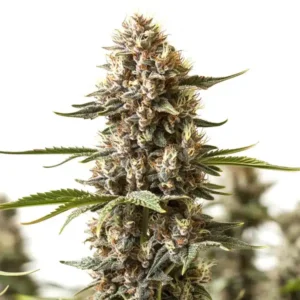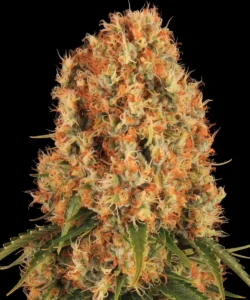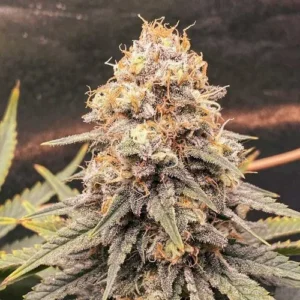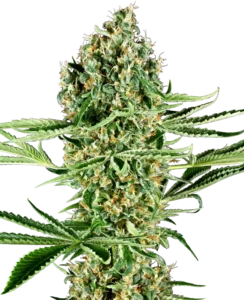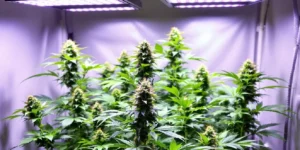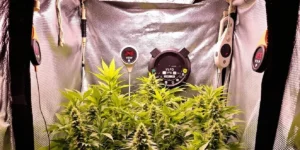
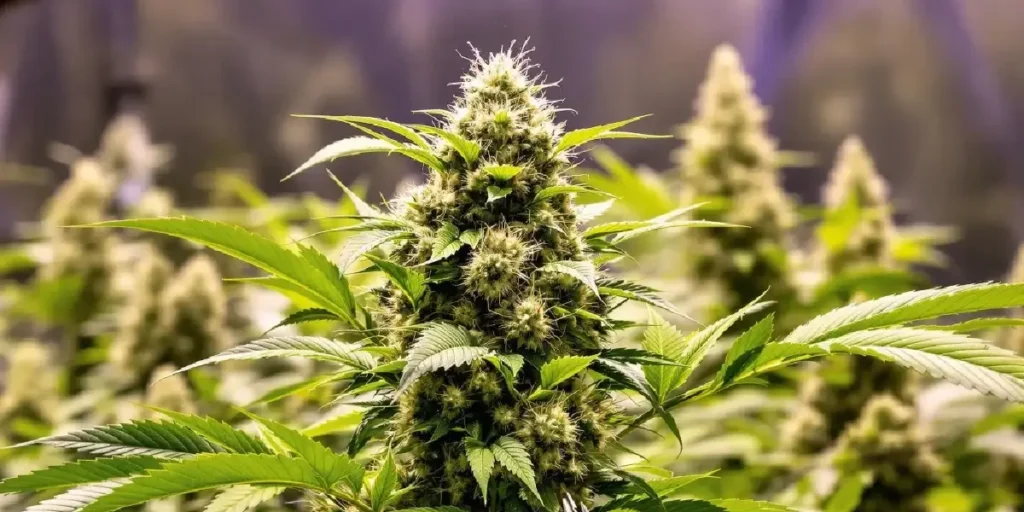

Defoliating autoflowers means selectively removing fan leaves to improve light penetration and airflow to bud sites. Because autos have a short, fixed cycle, keep it light: remove only a few leaves at a time, avoid heavy defoliation in late flower, and never stress the plant during its stretch.
What is Defoliation and Why is It Important for Autoflowers?
Defoliation in Autoflower Growth
Defoliation is the selective removal of fan leaves from a cannabis plant to improve light distribution, airflow, and access to developing bud sites. When used correctly, it can help create a more open canopy and reduce areas where moisture and stagnant air may accumulate.
Recommended Strains
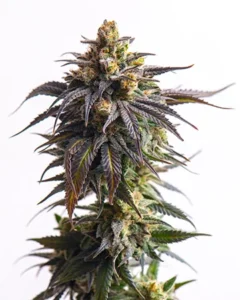
Critical Purple Autoflower

|
THC | 15% - 20% (Medium) |

|
Lineage | (Purple OG x Critical) x Ruderalis |

|
Type | Autoflowering |

|
Height | 3.94 ft | 1.2 m |

|
Yield | Medium |

|
Yield Indoor | 1.15 - 1.31 oz/ft² | 350 - 400 g/m² |

|
Yield Outdoor | 14.11 - 15.87 oz/plant | 400 - 450 g/plant |

|
Life Cycle | 8 - 9 weeks |

|
Phenotype | 80% Indica / 20% Sativa |

|
Effects | Euphoric, Happy, Relaxed |

|
Flavors | Coffee, Earthy, Fruity |
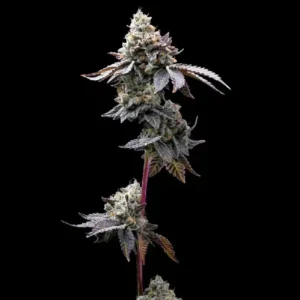
GMO Cookies
|
|
THC | 30% - 31% (High) |
|
|
Lineage | Chemdawg Strain x Girl Scout Cookies Strain |
|
|
Type | Feminized |
|
|
Height | 5.41 ft | 1.65 m |
|
|
Yield | High |
|
|
Yield Indoor | 1.8 - 1.97 oz/ft² | 550 - 600 g/m² |
|
|
Flowering Time | 8 - 10 weeks |
|
|
Phenotype | 90% Indica / 10% Sativa |
|
|
Effects | Euphoric, Uplifted, Relaxed, Focused |
|
|
Flavors | Spicy, Garlic, Diesel, Sweet |
Autoflowers require a more cautious approach than photoperiod plants because they grow and flower according to age and have limited time to recover from stress. For this reason, growers should remove only leaves that serve a clear purpose, such as damaged foliage or large fan leaves that block important flowering sites.
Defoliating autoflowers in late flower is a more delicate form of this technique. At that stage, the goal is not to reshape the plant or remove large amounts of foliage. Instead, growers should make small adjustments to improve airflow and expose heavily shaded buds without reducing the healthy leaf area needed for photosynthesis.
Differences Between Early and Late-Flower Defoliation
Early flower defoliation autoflower prioritizes shaping the plant for balanced growth and light distribution. Conversely, defoliating autoflowers late flower focuses on increasing resin production and ensuring optimal conditions for ripening buds. Timing plays a critical role here, as over-pruning during late flower can harm the plant’s health and final yield.
During late flower, it’s essential to approach defoliation cautiously. Remove only the leaves obstructing light or airflow to lower buds. This measured technique ensures your plant retains its energy-producing foliage, resulting in a more efficient growth process and resin-rich flowers.
When to Defoliate Autoflowers
The best time to defoliate autoflowers depends on the plant’s age, structure, health, and stage of development. In most cases, the safest window is during late vegetative growth or just before flowering begins. At this point, a healthy plant usually has enough established foliage and root development to tolerate light leaf removal.
Avoid following a rigid calendar without looking at the plant. Autoflowers can enter pre-flowering at different times depending on the genetics and growing conditions. Plant health and development are more important than the exact week.
Late Vegetative Stage: The Safest Time
For many autoflowers, the first light defoliation can be carried out around week three or four, once the plant has developed several healthy nodes and is growing vigorously. At this stage, remove only large fan leaves that completely block lower branches or important growth sites.
Do not defoliate seedlings, weak plants, recently transplanted plants, or autoflowers showing nutrient deficiencies, pest damage, overwatering, or slow growth. A stressed plant should be allowed to recover before any foliage is removed.
Pre-Flower and Early Flower
A second, very light cleanup may be useful during pre-flowering or the early stretch. The objective is to open the canopy and prevent large fan leaves from covering multiple bud sites. This is not the time for aggressive pruning.
Remove only a small number of clearly obstructive leaves and then give the plant several days to recover. If the canopy is already open and light reaches the lower flowering sites, further defoliation may not be necessary.
Mid-Flower
During mid-flower, avoid major defoliation because the plant is directing its energy toward bud development. Healthy fan leaves continue to support photosynthesis and should not be removed without a clear reason.
At this stage, limit leaf removal to yellowing, damaged, diseased, or overlapping leaves that create humidity pockets or significantly restrict airflow.
Late Flower
Late-flower defoliation should be highly selective. It may be useful when dense foliage traps humidity, blocks airflow around large buds, or prevents light from reaching important flowering sites. However, removing too many healthy leaves late in the cycle can reduce the plant’s ability to finish ripening.
As a general rule, avoid heavy defoliation during the final two weeks before harvest. During this period, remove only dead or severely damaged leaves and any leaf that creates a genuine mold or airflow risk.
Autoflower Defoliation Timing at a Glance
Growth stage What to do Seedling stage Do not defoliate Week 3–4 or late vegetative growth Remove a few large fan leaves blocking lower growth Pre-flower and early flower Perform a very light canopy cleanup if necessary Mid-flower Remove only damaged leaves or foliage causing airflow problems Late flower Use selective leaf removal only Final two weeks Avoid heavy defoliation; remove only dead or problematic leaves
How to Defoliate Autoflowers Step by Step
Check the Plant’s Health
Only defoliate a healthy autoflower that is growing actively. Do not remove foliage from a plant that is wilted, overwatered, nutrient-deficient, pest-damaged, or recovering from another type of stress.
Identify the Right Leaves
Start with yellowing, damaged, or diseased fan leaves. Next, identify large healthy fan leaves that completely block several bud sites or create dense overlapping areas with poor airflow.
Do not remove sugar leaves growing directly from the buds. These leaves contain trichomes and help protect the developing flowers.
Sterilize Your Tools
Use sharp, clean scissors or pruning shears. Sterilize the blades before and between plants to reduce the risk of spreading disease. Avoid tearing leaves by hand, as rough removal can damage the stem or leave an uneven wound.
Remove One Leaf at a Time
Cut the leaf stem close to the main branch without damaging nearby growth. After every few cuts, step back and inspect the canopy. The objective is to create small openings for light and airflow, not to strip the plant.
Keep the Defoliation Light
Autoflowers should be defoliated more conservatively than photoperiod plants. Avoid removing a large percentage of healthy foliage in one session. A safer approach is to remove only the most problematic leaves and reassess the plant after several days.
Monitor Recovery
Observe the plant for drooping, slowed growth, discoloration, or signs of stress. If the plant responds negatively, stop defoliating and allow it to recover. A healthy response includes continued growth, upright leaves, and no visible slowdown.
Defoliation Techniques for Autoflowers
Selective Fan Leaf Removal
Selective fan leaf removal is the safest and most appropriate technique for most autoflowers. It involves removing individual leaves that block important bud sites, overlap heavily with other foliage, or restrict airflow through the canopy.
Gradual Defoliation
Instead of removing many leaves in a single session, gradual defoliation spreads the work across several days. This gives the plant time to respond and allows the grower to stop before excessive stress occurs.
Leaf Tucking
Before cutting a healthy fan leaf, try tucking it underneath a branch or repositioning it away from a bud site. Leaf tucking improves light exposure without reducing the plant’s photosynthetic capacity, making it especially useful for small or sensitive autoflowers.
Lollipopping Autoflowers
Lollipopping removes weak lower growth that is unlikely to receive enough light to produce quality flowers. Although it can be useful on vigorous autoflowers, it should be performed early and conservatively. Heavy lollipopping during flowering can cause unnecessary stress and reduce yield.
For beginners, selective leaf removal and leaf tucking are safer than aggressive lollipopping.
Benefits of Defoliating Autoflowers During Late Flower
Improving Light Penetration for Dense Buds
Dense foliage can block light from reaching lower bud sites, leading to uneven development and larfy, underdeveloped buds. Defoliating autoflowers late flower eliminates this problem by ensuring even light distribution across the entire canopy. This promotes uniform bud growth and enhances the overall quality of the harvest.
Improved light penetration encourages the plant to allocate more resources toward developing dense, trichome-coated flowers. For growers aiming for a visually appealing and potent harvest, strategic defoliation is a practical solution to elevate their results significantly.
Enhancing Airflow to Prevent Mold and Mildew
Mold and mildew thrive in humid, stagnant conditions, often created by dense plant canopies. Defoliating autoflowers late flower reduces these risks by opening up the canopy, allowing better air circulation. Enhanced airflow helps regulate humidity and temperature, creating an environment where the plant can thrive without fungal threats.
Proper airflow not only protects your plants from mold but also ensures the buds remain healthy and resinous. This simple step can save growers from devastating losses while improving the quality and consistency of the final product.
Supporting Healthy Bud Development
Healthy fan leaves support photosynthesis and remain important during flowering, so defoliation does not automatically increase resin production or potency. Its primary value is improving canopy conditions when excessive foliage blocks light or restricts airflow.
By creating a more open canopy, selective defoliation may help buds develop under more consistent light and humidity conditions. The final potency and terpene profile will still depend mainly on genetics, plant health, environmental stability, nutrition, and harvest timing.
Does Defoliation Increase Autoflower Yield?
Defoliation does not guarantee a larger yield. When used correctly, it may improve the growing environment by allowing light to reach more flowering sites and by reducing stagnant, humid areas within a dense canopy.
However, removing too many healthy fan leaves can reduce photosynthesis, slow growth, and decrease final yield. Autoflowers are particularly sensitive because they have little time to recover from stress.
The goal is not to remove as many leaves as possible. The goal is to remove the smallest number of leaves necessary to solve a specific problem. If the plant already has good airflow and light distribution, defoliation may provide little or no additional benefit.
How to Safely Defoliate Autoflowers in Late Flower
Late-flower defoliation is not a routine requirement for every autoflower. It should be used only when excess foliage creates a clear problem, such as restricted airflow, trapped humidity, diseased leaves, or severe shading of important bud sites.
If the plant is healthy and the canopy is already open, leaving the foliage untouched is often the safer option. Avoid using late flower as an opportunity to perform major structural pruning.
Identifying Leaves to Remove Without Stressing the Plant
Defoliation requires precision to avoid unnecessary stress. Focus on removing fan leaves that block light from lower buds or create overlapping sections in the canopy. These areas can hinder airflow and light penetration, impacting bud development.
Yellowing or damaged leaves are the first candidates for removal. Healthy leaves should only be removed if they obstruct light or airflow. Avoid touching sugar leaves, as they are critical for resin production. This careful selection ensures minimal stress while enhancing the plant’s productivity.
Tools and Techniques for Late-Flower Defoliation
The right tools are essential for clean and efficient defoliation autoflower. Sharp, sterilized scissors or pruning shears ensure precise cuts, reducing the risk of plant injury or disease. Avoid tearing leaves by hand, as this can leave the plant vulnerable to infections.
Work methodically when defoliating autoflowers late flower. Remove one leaf at a time and step back frequently to evaluate the plant’s structure. This approach prevents over-pruning and helps maintain an open, balanced canopy, ensuring optimal conditions for growth.
Balancing Defoliation and Plant Recovery
Autoflowers have a limited recovery period due to their short lifecycle. For this reason, defoliation should be done in stages. Start by removing the most obstructive leaves and give the plant a few days to recover before making further adjustments.
This gradual approach minimizes stress while allowing the plant to redirect energy toward bud production. Balancing defoliation and recovery ensures a healthy plant and maximizes the benefits of late-flower pruning.
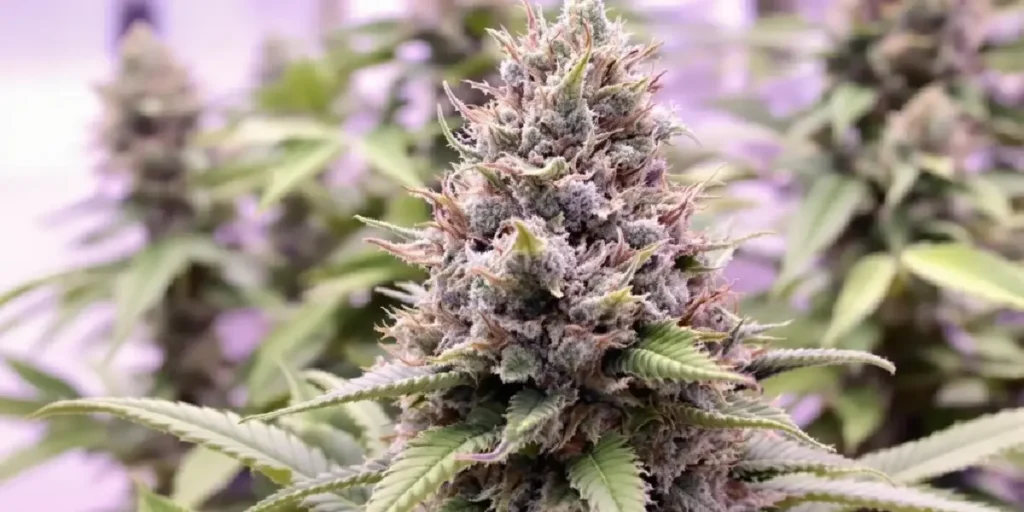
Key Tips for Successful Late-Flower Defoliation
- Start Small: If you’re new to defoliation, begin with a light pruning to observe how your plants respond.
- Monitor Plant Health: Watch for signs of stress, such as drooping leaves or slow growth.
- Focus on Foliage Blocking Light: Prioritize removing large fan leaves overshadowing lower buds.
- Maintain Hygiene: Sterilize tools before each use to prevent contamination and disease.
- Be Patient: Allow time between defoliation sessions to avoid overwhelming the plant.
By incorporating these strategies, growers can make late-flower defoliation a valuable part of their cultivation routine, optimizing both the yield and quality of their harvest.
Missteps in Late-Flower Defoliation and How to Avoid Them
Over-Defoliating and Its Impact on Yields
One of the biggest challenges when defoliating autoflowers late flower is knowing when to stop. Over-defoliating can strip the plant of its energy-producing leaves, leading to reduced yields and lower-quality buds. While it’s tempting to remove every obstructive leaf, this approach can backfire, leaving the plant struggling to finish its growth cycle.
To avoid over-pruning, focus on removing only the most problematic leaves. Remember, fan leaves play a vital role in photosynthesis, even during late flower. Keeping a balance ensures your plant remains healthy while still reaping the benefits of defoliation.
Neglecting Environmental Adjustments Post-Defoliation
After autoflower defoliation, the environment around your autoflowers changes. Increased airflow can lower humidity levels, while greater light penetration may raise the temperature at bud sites. Failing to adjust your grow room settings can undo the benefits of your efforts.
Monitor your environment closely after defoliating autoflowers late flower. Use a hygrometer to track humidity and a thermometer to ensure temperatures stay within the optimal range. Small adjustments can make a big difference in maintaining plant health and achieving the best results.
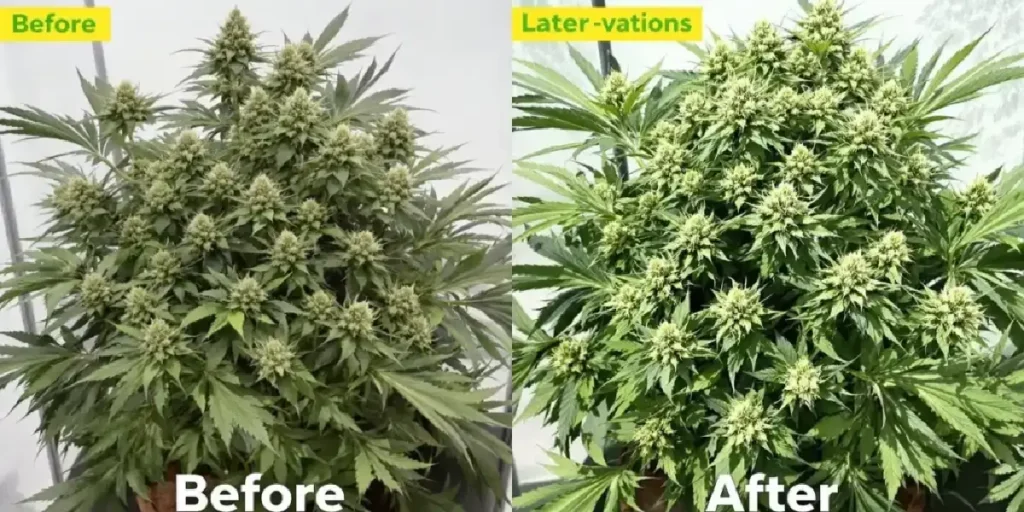
Optimized Article: Benefits of Proper Late-Flower Defoliation on Harvest Quality
Maximizing Bud Density and Size
Late-flower defoliation plays a crucial role in improving bud density and size. Removing excess foliage allows autoflowers to channel their resources into bud production rather than maintaining unnecessary leaves. This energy redistribution results in larger, denser buds with higher cannabinoid levels. Improved light penetration and airflow create ideal conditions for flower development, leading to a noticeable enhancement in quality.
Growers who prioritize defoliating autoflowers in late flower often see transformative results. A well-executed defoliation strategy can turn a standard harvest into one bursting with resin-rich, market-ready buds that command attention for their potency and visual appeal.
Streamlining the Trimming Process
Late-flower defoliation simplifies trimming, saving time and effort. By removing fan leaves before harvest, growers reduce the workload required during post-harvest manicuring. This process not only saves valuable time but also results in a cleaner, more professional-looking end product.
For cultivators aiming to sell their cannabis or enhance personal use, a well-manicured bud adds perceived value. Late-flower defoliation is a straightforward technique that ensures a streamlined trimming process and a visually appealing final product.
Improving Terpene and Flavor Profiles
Terpenes, the aromatic compounds responsible for cannabis’s distinct flavors and effects, benefit significantly from proper defoliation autoflower. Enhanced light exposure and airflow during late flower encourage higher terpene production, resulting in more flavorful and aromatic buds.
Whether you’re focused on creating concentrates or enjoying flower, terpene-rich products stand out. Growers who understand the value of defoliating autoflowers late flower consistently produce harvests with superior appeal, elevating their crops’ quality and marketability.
Top Autoflower Strains for Late-Flower Defoliation
Choosing the right strain for late-flower defoliation can significantly influence results. Some strains naturally produce dense foliage, making them excellent candidates for this technique. Below are three standout strains: Kabrales, Orange Sherbert, and Power Plant.
Kabrales: A Resin-Rich Indica
Kabrales stands out for its dense, resinous buds and robust growth. This indica-dominant strain thrives when defoliated during late flower, as better light penetration and airflow stimulate trichome production and improve overall bud quality. Its skunky aroma and rich resin make Kabrales a favorite for growers prioritizing potency and yield.
Orange Sherbert: Sweet and Fruity Hybrid
Orange Sherbert boasts a vibrant citrus flavor and balanced hybrid effects. With a bushy growth pattern, this strain benefits greatly from late-flower defoliation. Removing obstructive leaves exposes lower buds to light, ensuring uniform development and enhancing its sweet, fruity terpene profile. This makes Orange Sherbert a top choice for connoisseurs and casual consumers alike.
Power Plant: A High-Yield Sativa
Power Plant is a sativa-dominant strain celebrated for its vigor and impressive yields. Late-flower defoliation ensures that this strain reaches its full potential, with enhanced airflow preventing mold and improving bud density. Its resin-heavy flowers benefit from the added light exposure, resulting in a robust and aromatic harvest.
Pineapple Diesel Auto: Vigorous and Responsive Autoflower
Pineapple Diesel Auto is an autoflowering strain with a strong growth structure and dense foliage, making it an excellent candidate for late-flower defoliation. Strategic leaf removal improves airflow and light distribution across its flowering sites, helping maximize bud development and terpene expression. With its energetic growth, fuel-meets-fruit aroma, and solid resin production, Pineapple Diesel Auto rewards growers who apply careful defoliation techniques during the final stages of bloom.
FAQs About Defoliating Autoflowers
When is the best time to defoliate autoflowers?
The safest time is usually during late vegetative growth or pre-flower, once the plant is healthy, vigorous, and has developed several nodes. Some autoflowers may benefit from a very light cleanup during early or late flowering, but heavy defoliation should be avoided.
Can you defoliate autoflowers during flowering?
Yes, but only selectively. During flowering, remove yellowing, damaged, diseased, or heavily obstructive leaves. Avoid major defoliation because autoflowers have limited time to recover from stress.
Can you defoliate autoflowers in late flower?
Late-flower defoliation should be minimal and problem-focused. Remove leaves only when they restrict airflow, trap humidity, block important bud sites, or are already dying. Avoid aggressive defoliation during the final two weeks before harvest.
How many leaves should I remove?
There is no universal number. Remove the smallest number of leaves necessary to improve light or airflow. Stop before the canopy looks sparse, and allow the plant several days to recover before considering further removal.
Which leaves should be removed first?
Begin with dead, yellowing, damaged, or diseased fan leaves. After that, remove only large fan leaves that completely block several bud sites or create dense areas with poor airflow. Do not remove healthy sugar leaves from the buds.
How do I know if I have over-defoliated an autoflower?
Warning signs include drooping, slowed growth, widespread discoloration, stalled bud development, or a canopy that suddenly appears too exposed. If this happens, stop pruning and maintain stable watering, temperature, humidity, and nutrition while the plant recovers.
Does defoliation increase autoflower yield?
It may improve canopy conditions, but it does not guarantee a higher yield. Light and selective defoliation can help with airflow and light distribution, while excessive leaf removal can reduce photosynthesis and lower production.
Is defoliation necessary for every autoflower?
No. Autoflowers with naturally open structures may not require defoliation. Leaf tucking or light branch training may be enough. Defoliate only when the foliage is creating a clear problem.