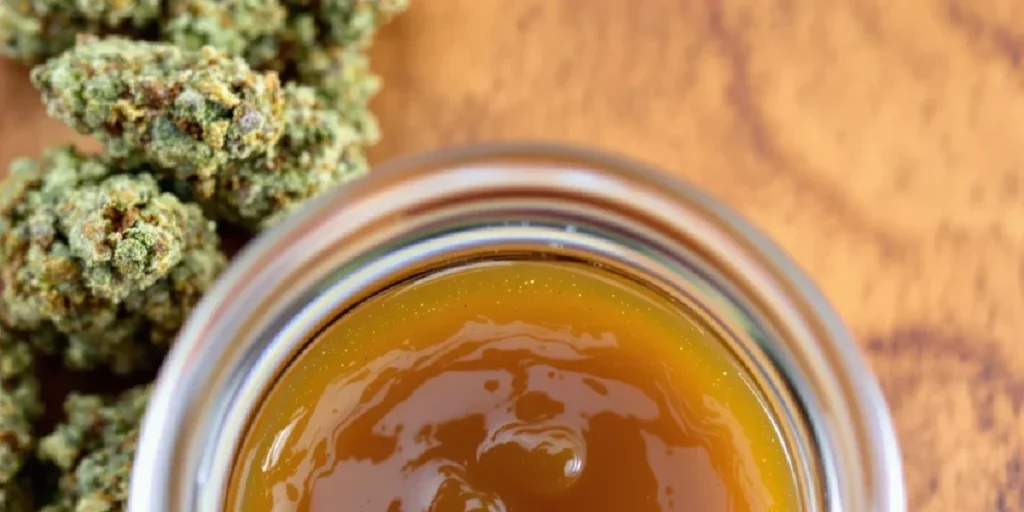

Terp sauce is a terpene-rich cannabis concentrate with a thick, syrupy consistency. It commonly forms as the liquid fraction surrounding THCA crystals during concentrate processing and may be sold alone or together with diamonds. Unlike a fixed product category, “terp sauce” can describe several formulations, so cannabinoid and terpene content varies considerably between products.
What Is Terp Sauce Made Of?
Terp sauce contains a concentrated mixture of cannabis-derived volatile compounds, cannabinoids and other extract constituents, with terpenes being the feature that gives the product its name.
Recommended Strains
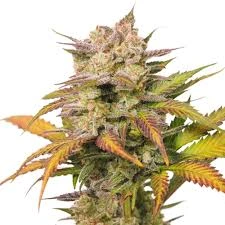
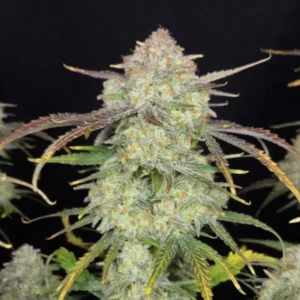
Auto Sweet Bourbon Kush

|
THC | 20% - 25% (High) |

|
Lineage | LA Confidential x OG Kush x European Auto Kush |

|
Type | Autoflowering |

|
Height | 4.27 ft | 1.3 m |

|
Yield | High |

|
Yield Indoor | 1.8 - 1.97 oz/ft² | 550 - 600 g/m² |

|
Life Cycle | 9 - 10 weeks |

|
Phenotype | 80% Indica / 20% Sativa |

|
Effects | Calming, Happy, Relaxed |

|
Flavors | Sweet, Earthy, Kush |
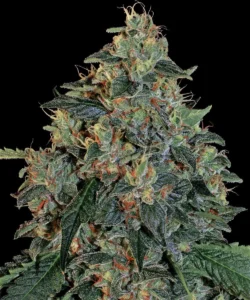
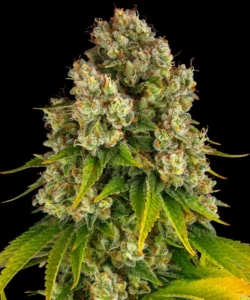
Blueberry Og
|
|
THC | 24% - 25% (High) |
|
|
Lineage | BlueBerry x OG Kush |
|
|
Type | Feminized |
|
|
Height | 4.43 ft | 1.35 m |

|
Yield Outdoor | 35.27 oz/plant | 1000 g/plant |
|
|
Flowering Time | 8 - 9 weeks |
|
|
Phenotype | 70% Indica / 30% Sativa |
|
|
Effects | Uplifted, Focused, Euphoric, Giggly, Sedative |
|
|
Flavors | Blueberry, Musk, Citrus, Pine |
In many products, the sauce is the aromatic liquid surrounding THCA crystals or “diamonds.” During post-extraction processing, part of the THCA can crystallize while a more fluid terpene-rich fraction remains around it. The two components may then be sold together as “diamonds and sauce” or separated.
However, terp sauce does not have one universally standardized composition. Industry terminology is loose enough that terpene-rich extracts without large visible diamonds may also be labeled sauce, while some formulations are blended into cartridges or other concentrates.
The useful definition is therefore a terpene-forward cannabis extract, not “a product containing exactly X% THC and Y% terpenes.”
Why Is It Called Terp Sauce?
“Terp” is short for terpene, while “sauce” describes the concentrate’s wet, glossy or syrup-like texture.
Terpenes are volatile aromatic compounds found throughout the plant kingdom and are an important part of cannabis aroma. Cannabis can contain compounds such as limonene, myrcene, beta-caryophyllene, linalool and terpinolene, among many others.
Because the liquid fraction of sauce can retain substantial amounts of these compounds, it typically has a much stronger aroma than highly purified crystalline THCA.
That difference is why producers frequently combine the two: the diamonds contribute a highly concentrated cannabinoid fraction, while the sauce contributes much of the aroma and flavor.
Is Terp Sauce the Same as Diamonds and Sauce?
Not exactly.
THCA diamonds are crystalline structures composed primarily of tetrahydrocannabinolic acid. On their own, highly purified diamonds can contain relatively little of the aromatic material associated with the original cannabis flower.
Terp sauce is the more fluid, terpene-rich fraction.
When both remain in the same jar, the product is commonly called diamonds and sauce or diamonds in sauce.
This distinction also explains why describing terp sauce itself as automatically extremely high in THC can be misleading. A jar containing a large proportion of THCA diamonds may be exceptionally cannabinoid-rich, while the separated sauce fraction can have a very different cannabinoid-to-terpene ratio.
Check the actual laboratory analysis rather than predicting potency from the word “sauce.”
Terp Sauce vs Live Resin
These terms overlap, but they are not perfect synonyms.
Live resin is a broader family of cannabis concentrates generally produced from fresh-frozen rather than conventionally dried and cured plant material. The purpose is to retain more of the plant’s volatile aromatic profile during extraction.
Live resin can appear in several consistencies, including badder, sugar and sauce.
Live sauce refers more specifically to a sauce-style product produced within that live-resin process, typically containing a terpene-rich liquid phase and varying amounts of THCA crystals.
Terp sauce, meanwhile, is sometimes used more broadly for the terpene-rich liquid itself.
The easiest way to remember the distinction is that live resin describes the broader extraction category, while sauce primarily describes the terpene-rich consistency or fraction.
Terp Sauce vs THCA Diamonds
The biggest difference is composition and physical form.
THCA diamonds are solid crystals. Terp sauce is viscous and liquid-like.
Diamonds emphasize cannabinoid concentration, whereas sauce emphasizes the aromatic fraction. That does not mean sauce contains no cannabinoids or diamonds contain absolutely no other compounds, but each represents a different part of the concentrate.
They are frequently paired precisely because their characteristics complement one another.
If a jar looks like translucent crystals sitting in golden syrup, the crystals are the diamonds and the surrounding liquid is the sauce.
Terp Sauce vs Distillate
Distillate is produced with a different objective.
Cannabis distillation concentrates selected cannabinoids into a highly refined fraction. Because volatile aromatic compounds are separated during processing, distillate does not inherently retain the complete aroma profile of the source flower.
Terp sauce places far more emphasis on the volatile aromatic fraction.
Some vape formulations combine cannabinoid-rich distillate with terpene-rich sauce or other terpene fractions to create a more aromatic product.
So while both can contain THC, they should not be treated as interchangeable concentrates.
Terp Sauce vs Wax or Shatter
Wax and shatter primarily describe concentrate texture and processing outcome.
Shatter is usually firm and brittle, while wax, badder and crumble have softer or more aerated consistencies. Sauce is wetter and more syrup-like.
That physical difference can also reflect differences in how cannabinoids and aromatic compounds are distributed through the extract, but none of these names provides an exact chemical specification.
Two products both sold as terp sauce may differ more chemically than their names suggest.
For that reason, the certificate of analysis is more informative than assuming every concentrate within one texture category has identical potency or terpene content.
How Is Terp Sauce Made?
Commercial terp sauce is generally produced by extracting cannabinoids and aromatic compounds from cannabis and then managing the extract so that cannabinoid crystallization and a terpene-rich liquid phase can develop.
With sauce products containing diamonds, THCA gradually forms crystals while a more fluid fraction remains around them. Producers can keep the two components together or separate and later recombine them in different proportions.
When fresh-frozen material is used, the resulting product is commonly described as live sauce or live resin sauce.
There is not one universal recipe, and extraction methods vary between licensed manufacturers. Because hydrocarbon extraction can involve highly flammable solvents and specialized pressure-controlled equipment, this process belongs in properly designed professional extraction facilities rather than being treated as a home DIY recipe.
Is Terp Sauce the Same as HTFSE?
You may see terp sauce described as HTFSE, meaning high-terpene full-spectrum extract or high-terpene extract.
The term is used within the concentrate industry to distinguish a terpene-rich fraction from more cannabinoid-heavy fractions such as THCA crystals.
However, HTFSE is an industry descriptor rather than a universally standardized chemical grade.
That means a product labeled HTFSE should still be evaluated using its actual cannabinoid and terpene analysis rather than assuming the acronym guarantees a particular percentage.
How Strong Is Terp Sauce?
There is no single THC percentage that defines terp sauce.
The current Growlantis article says terp sauce often exceeds 70% THC. That may be true for some finished products — particularly jars containing substantial THCA crystals — but it should not be presented as a defining characteristic.
A sauce-heavy portion can contain fewer cannabinoids because more of its composition consists of terpenes and other extract constituents. A diamonds-and-sauce jar can be considerably more cannabinoid-rich because the crystalline phase contributes large amounts of THCA.
The only reliable answer for a specific product comes from its batch-specific laboratory results.
Cannabis concentrates can contain very high levels of THC compared with flower, so effects may be strong and impairment can be substantial. CDC notes that THC concentrates used for vaping or dabbing commonly contain highly concentrated THC and that their risks are not fully understood.
Does Terp Sauce Get You High?
If the product contains substantial THC or THCA and is heated before inhalation, yes, it can be strongly intoxicating.
THCA itself is the acidic precursor to THC. Heating converts much of it to delta-9 THC through decarboxylation, producing the cannabinoid responsible for most of cannabis’s characteristic intoxication.
The intensity depends on the concentration of cannabinoids, the amount consumed, individual tolerance and the actual product formulation.
The term “terp sauce” therefore tells you more about concentrate style and aromatic composition than about exactly how intoxicating one serving will be.
What Does Terp Sauce Taste Like?
Terp sauce is popular largely because it can retain a pronounced aromatic profile.
Depending on the source material and processing, the aroma may be citrusy, floral, pine-like, fruity, earthy, spicy or fuel-like.
However, it is inaccurate to assume the strain name alone guarantees a particular flavor. Cannabis products sold under the same cultivar name can differ chemically between growers and batches.
The most useful information comes from the product’s actual terpene analysis and sensory profile rather than claims that a named strain always produces the “best” terp sauce.
For that reason, I would not include a generic list of Lemon Haze, Blueberry OG or Pineapple Express as supposedly ideal sauce strains.
Does Terp Sauce Have a Stronger Entourage Effect?
That has not been established.
The idea behind the entourage effect is that cannabinoids, terpenes and other cannabis compounds may interact in ways that alter the overall effects compared with isolated compounds.
It is scientifically plausible that mixtures of compounds can interact, but the popular claim that terpene-rich cannabis products automatically provide a superior or more therapeutic “entourage effect” remains unproven.
Recent reviews find that evidence for predictable cannabinoid-terpene synergy remains limited and inconsistent, especially when strong therapeutic claims are made.
Terp sauce clearly contains a richer aromatic mixture than purified THCA alone. That is a chemical and sensory difference.
It should not automatically be converted into claims of better pain relief, less anxiety or stronger medical efficacy.
How Is Terp Sauce Used?
Terp sauce is most commonly associated with vaporization or dabbing because heating converts cannabinoid acids such as THCA into active THC and releases volatile compounds into the aerosol.
Some concentrates are also formulated specifically for compatible vape hardware, while sauce can appear as part of diamonds-and-sauce products.
The original article provides a narrow 315–400°F dabbing range as though it were an established optimum. I would remove that. Different devices, concentrate compositions and temperature measurements make one universal range unnecessarily precise.
It is enough for this search intent to explain that excessive heat can change volatile compounds and that users should follow the instructions for the equipment and legal concentrate product they are using.
Can You Put Terp Sauce in a Vape Cartridge?
Some commercially manufactured cartridges contain sauce-derived extracts, but a jar of concentrate should not automatically be assumed to work in an ordinary vape cartridge.
Cartridge formulations need appropriate viscosity and must be compatible with the device’s heating system.
Commercial sauce carts are designed specifically for this purpose.
This is different from taking concentrate sold for dabbing and placing it into an arbitrary cartridge.
When purchasing a vape product, use the formulation in the hardware for which it was designed.
How Should Terp Sauce Be Stored?
Terpenes are volatile, and cannabis cannabinoids can also change during exposure to heat, light and oxygen.
For that reason, terp sauce is best kept sealed, cool, dark and protected from repeated temperature fluctuations.
An airtight container reduces unnecessary exposure to air and helps retain volatile aroma compounds. Light and excessive heat should also be minimized.
If refrigeration is recommended by the manufacturer, allow a sealed container to approach the appropriate handling temperature before opening so that unnecessary condensation is not introduced into the concentrate.
There is no reason to invent one universal shelf life because stability depends on formulation, packaging and storage history.
How Do You Tell if Terp Sauce Is Good Quality?
Do not judge quality from color alone.
A light golden appearance may look attractive, but darker color does not automatically prove contamination or poor extraction. Starting material, cultivar chemistry, extraction conditions and storage can all affect appearance.
More meaningful indicators include a clearly labeled licensed product, batch-specific cannabinoid and terpene testing, appropriate contaminant testing and packaging that protects the concentrate from leakage and excessive air exposure.
For terp sauce specifically, aroma and consistency should also match what the producer describes.
The strongest criterion is verified composition, not whether the jar looks like a particular photograph online.
Terp Sauce: Bottom Line
Terp sauce is a terpene-rich, syrup-like cannabis concentrate commonly found as the aromatic liquid surrounding THCA crystals.
It can be sold separately, mixed back with diamonds or incorporated into compatible vape formulations. The term overlaps with labels such as sauce, live sauce and HTFSE, and there is no universal terpene or THC percentage required for a product to carry the name.
Its main distinction is its emphasis on aroma and flavor rather than cannabinoid purity alone.
Do not assume terp sauce is automatically stronger than every other concentrate, that every product contains more than 70% THC or that its high terpene content guarantees an enhanced therapeutic entourage effect.
For potency and composition, the product’s own laboratory analysis matters more than the category name.
FAQs About Terp Sauce
What is terp sauce?
Terp sauce is a syrup-like cannabis concentrate distinguished by a high proportion of aromatic compounds, particularly terpenes. It commonly forms as a liquid fraction around crystallized THCA and may be sold alone or together with the crystals as diamonds and sauce. Exact cannabinoid and terpene concentrations vary between products.
What is terp sauce made of?
Terp sauce contains cannabis-derived terpenes together with cannabinoids and other compounds retained in the extract. In diamonds-and-sauce products, the liquid sauce surrounds THCA-rich crystals. It is not necessarily a simple mixture of pure terpenes and pure THC, and there is no single standardized chemical formulation for all products.
Is terp sauce the same as live resin?
Not exactly. Live resin is a broader concentrate category generally made from fresh-frozen cannabis, while live sauce is a sauce-style form within that category. Terp sauce refers more specifically to the terpene-rich liquid or syrupy concentrate, and the terminology can overlap between manufacturers.
Is terp sauce stronger than diamonds?
Not necessarily. THCA diamonds typically emphasize cannabinoid purity, whereas terp sauce emphasizes the terpene-rich liquid fraction. A finished jar combining diamonds and sauce can be extremely cannabinoid-rich, but the separated sauce itself may contain substantially less THCA. Check the product’s laboratory analysis rather than predicting potency from its texture.
Does terp sauce get you high?
Terp sauce can be intoxicating when it contains THC or when THCA in the concentrate is heated and converted into THC. How strong the effect feels depends on cannabinoid concentration, quantity consumed and individual tolerance. “Terp sauce” does not specify an exact THC strength, so products can differ substantially.
Why is terp sauce so flavorful?
Terp sauce is designed around a terpene-rich fraction of cannabis extract. Terpenes and other volatile compounds contribute substantially to cannabis aroma, so concentrating and retaining that fraction can create a much stronger aroma and flavor than highly purified THCA crystals alone. The precise sensory profile still varies from one batch to another.