
For long-term storage of cannabis concentrates, protect them from heat, light, oxygen and repeated temperature changes. Airtight glass containers kept in a cool, dark place are a strong general choice. Refrigeration can help for longer storage, while freezing may suit some concentrates if you avoid condensation. Storage needs vary by concentrate type.
What is the best way to store cannabis concentrates?
Store cannabis concentrates in a clean, airtight container protected from light, excessive heat and repeated exposure to air.
Recommended Strains
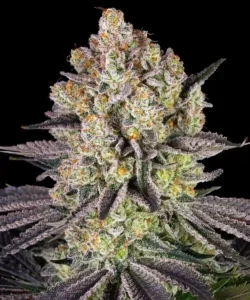
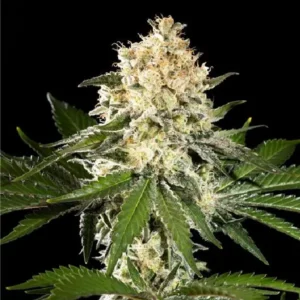
Runtz

|
THC | 28% - 29% (High) |

|
Lineage | Original Z x Gelato Strain |

|
Type | Feminized |

|
Height | 5.41 ft | 1.65 m |

|
Yield Outdoor | 52.91 oz/plant | 1500 g/plant |

|
Flowering Time | 8 - 9 weeks |

|
Phenotype | 50% Indica / 50% Sativa |

|
Effects | Relaxed, Euphoric, Uplifted, Creative |

|
Flavors | Sweet, Candy, Fruity, Skunk, Diesel |
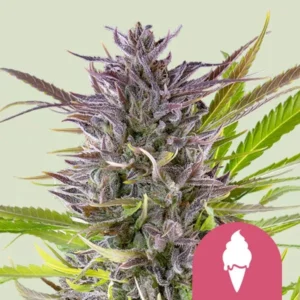
Green Gelato
|
|
THC | 26% - 27% (High) |
|
|
Lineage | Sunset Sherbet x Thin Mint Girl Scout Cookies |
|
|
Type | Feminized |
|
|
Height | 5.74 ft | 1.75 m |

|
Yield | High |

|
Yield Indoor | 1.64 - 2.29 oz/ft² | 500 - 700 g/m² |
|
|
Yield Outdoor | 24.69 - 28.22 oz/plant | 700 - 800 g/plant |
|
|
Flowering Time | 8 - 10 weeks |
|
|
Phenotype | 55% Indica / 45% Sativa |
|
|
Effects | Focused, Relaxed |
|
|
Flavors | Citrus, Earthy, Mint |
Cannabinoids and terpenes aren’t permanently stable after extraction. Over time, chemical changes can alter cannabinoid concentrations, aroma, flavor, color and texture.
Peer-reviewed cannabis storage research consistently points to several environmental factors:
- Temperature
- Light
- Oxygen
- Time
- Storage medium
- Repeated temperature fluctuations
For short-term storage, a properly sealed container in a cool, dark spot is usually enough.
For longer periods, refrigeration adds protection against chemical degradation.
Freezing can also work for certain concentrates, but it needs to be managed carefully to prevent condensation when you take the product out of cold storage.
Cannabis concentrate storage: quick guide
| Storage factor | Best practice |
|---|---|
| Container | Clean, airtight glass |
| Light | Keep in darkness or use opaque/amber glass |
| Heat | Avoid warm locations and direct sunlight |
| Oxygen | Minimize unnecessary air exposure |
| Humidity | Avoid moisture and condensation |
| Refrigerator | Useful for many longer-term storage situations |
| Freezer | Possible for suitable concentrates with careful thawing |
| Frequent opening | Avoid when storing for extended periods |
| Long-term portions | Divide into smaller containers before storage |
There’s no single storage temperature or shelf life that fits every cannabis concentrate. The formulation matters. Live resin, rosin, wax, shatter, hash and cannabis oils have different physical properties and may respond differently to refrigeration or freezing.
Why proper concentrate storage matters
Cannabis concentrates contain cannabinoids such as THC and CBD alongside varying amounts of terpenes and other compounds, and these compounds can change during storage.
Long-term research on cannabis and cannabis resin has found that THC decreases over time while degradation products such as CBN can increase under certain conditions.
Temperature and light matter most. A four-year study comparing cannabis materials stored under different conditions found considerably greater THC degradation at room temperature than under refrigerated or frozen dark storage. Earlier research also identified light exposure as a major factor in cannabinoid degradation.
The practical takeaway: cooler, darker and more stable storage conditions generally protect potency better than warm, bright environments.
Does light degrade cannabis concentrates?
Yes. Light exposure can speed up degradation of cannabinoids.
Cannabis storage research dating back several decades has identified light as one of the most important factors affecting cannabinoid stability, particularly in extracts and solutions. More recent studies support the same principle.
For long-term concentrate storage:
- Keep containers away from direct sunlight.
- Avoid leaving concentrates on windowsills or exposed shelves.
- Use amber or opaque containers where practical.
- If using clear glass, store the container inside a dark cupboard, refrigerator compartment or protective box.
Darkness is one of the simplest storage variables to control.
What temperature should cannabis concentrates be stored at?
There’s no scientifically established universal temperature that’s optimal for every commercial concentrate. But research consistently shows that higher temperatures speed up changes in cannabinoid composition. A study examining cannabis extracts and plant material at different temperatures found that storage at 25°C produced greater changes in cannabinoid concentrations than colder conditions.
For everyday storage, the practical principle is to avoid unnecessary heat. Don’t store concentrates:
- Next to an oven
- Above heating equipment
- Inside a hot vehicle
- Beside a sunny window
- Near electronics that generate significant heat
For longer-term preservation, refrigeration may be preferable to ordinary room-temperature storage.
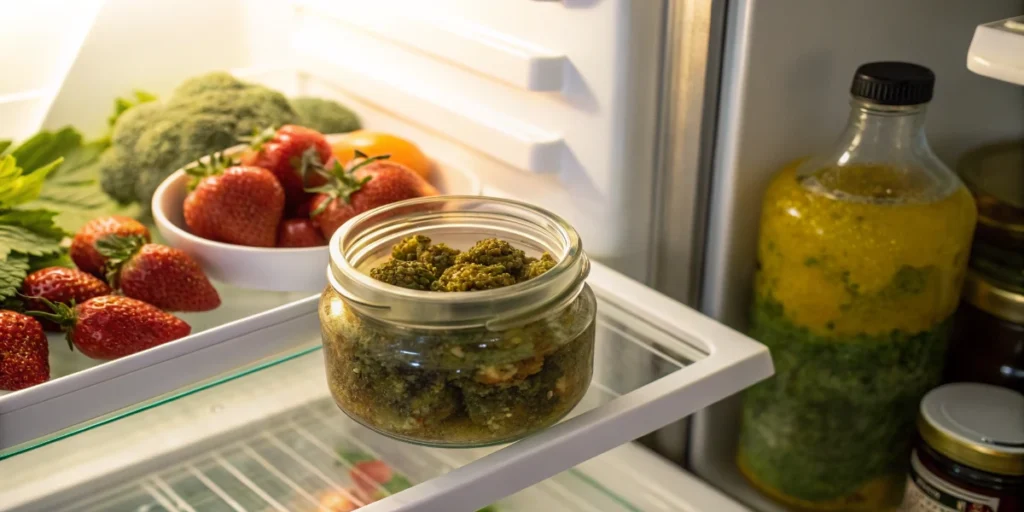
Should you refrigerate cannabis concentrates?
Refrigeration helps when cannabis concentrates will be stored for an extended period. Studies examining cannabis extracts have found that cooler, dark storage can slow changes in cannabinoid profiles compared with warmer conditions.
But refrigeration introduces another issue: condensation. Cold containers exposed suddenly to warm, humid air can develop moisture on or inside the container. To reduce this risk, keep concentrates tightly sealed while they return toward room temperature, and avoid repeatedly pulling the same jar out of the fridge, opening it right away, and putting it back.
If you use concentrates regularly, divide them into smaller portions. Keep one working portion accessible while leaving the rest undisturbed in longer-term storage.
Can you freeze cannabis concentrates?
Some cannabis concentrates can be frozen for longer storage, but freezing isn’t automatically the best choice for every product. Very low temperatures can slow chemical changes, but texture and handling can suffer. More importantly, improper thawing can expose the concentrate to moisture.
If freezing a suitable product:
- Place it in a clean, tightly sealed container.
- Divide larger amounts into smaller portions beforehand.
- Avoid repeatedly freezing and thawing the same container.
- Remove only the portion you need.
- Leave the container closed while it gradually warms.
- Open it only after it has approached room temperature.
Keeping the container closed while it warms cuts the odds of atmospheric moisture condensing directly onto the cold concentrate.
What’s the best container for cannabis concentrates?
For long-term storage, glass is generally the most practical choice. It’s nonporous, relatively inert and easy to clean, and a small glass container with a good seal limits unnecessary exposure to outside air.
Size the container to the amount you’re storing. A tiny amount of concentrate in a very large jar leaves far more air in the container than necessary, so for longer storage, smaller containers work better.
Amber glass has the added benefit of reducing light exposure, though clear glass stored in complete darkness works well too.
Glass vs. silicone for concentrate storage
Silicone containers are popular because sticky concentrates are easy to remove from them. That convenience doesn’t necessarily make silicone the best choice for long-term storage.
For extended periods, I’d favor clean glass with a tight seal. Think of silicone as a convenient handling or short-term option rather than a universal preservation solution, especially for highly aromatic concentrates where minimizing interaction with the storage environment matters.
What about plastic containers?
For long-term storage, plastic wouldn’t be my first choice when suitable glass is available. Plastic materials vary considerably in composition and permeability, so it’s too simplistic to claim every type of plastic will interact chemically with cannabis concentrates. The easier recommendation is to use an appropriately sized food-safe glass container whenever possible.
If a regulated product arrives in manufacturer packaging with specific storage instructions, follow those instructions rather than transferring it unnecessarily.
Does humidity matter for cannabis concentrates?
Moisture matters, but concentrates shouldn’t be managed using the same relative-humidity targets commonly recommended for cannabis flower. A target like 55–62% RH is designed around preserving dried plant material, and concentrates are a different product. There’s no reason to put a humidity pack designed for flower inside a jar of wax, rosin, shatter or resin.
For concentrates, the goal is to avoid introducing unwanted moisture or condensation, which matters most when refrigerating or freezing. Keep the container sealed during temperature changes so humid room air doesn’t contact a cold product.
How does oxygen affect cannabis concentrates?
Oxygen contributes to chemical changes in cannabinoids during storage. Research has documented oxidation of THC and other changes in cannabinoid composition over time.
For normal home storage, you don’t need lab equipment or elaborate preservation systems. Instead:
- Keep the lid properly closed.
- Avoid unnecessarily opening the container.
- Use containers close to the amount of product being stored.
- Divide larger quantities into smaller portions when storing them for long periods.
This cuts down on repeated air exchange without overcomplicating the process.
Should you vacuum seal cannabis concentrates?
Vacuum sealing can reduce air exposure, but it isn’t necessary for most ordinary concentrate storage, and it can be impractical for sticky or delicate products. A well-sealed glass container combined with appropriate temperature and light protection is a simpler general recommendation.
If you do vacuum package a concentrate, protect it inside an appropriate primary container first rather than letting it stick directly to unsuitable packaging materials.
How to store different types of cannabis concentrates
The same basic principles apply across concentrates, but their physical characteristics differ.
Live resin
Live resin is valued for its aromatic profile. Protect it from heat, light and unnecessary air exposure. For extended storage, refrigeration is generally more appropriate than leaving it exposed at room temperature.
If you intend to use live resin in food rather than store it, Growlantis also has a separate guide to decarbing live resin for edibles.
Rosin
Rosin can change in texture, aroma and appearance during storage. Keep it tightly sealed and protected from heat and light. Cooler storage helps when preserving it for longer periods, particularly when aroma and consistency matter.
Wax and budder
Keep wax and budder in clean, sealed containers away from warm environments. Glass works well for longer storage. Chilling may make some concentrates firmer or temporarily harder to handle, so let a sealed container warm up before opening it.
Shatter
Shatter can soften when warm and become more brittle when cold. A stable, cool environment helps maintain its physical consistency. Use parchment or another non-stick material when handling it, but store the protected concentrate inside a sealed container.
Hash
Hash differs from many solvent-based extracts because its structure retains concentrated cannabis resin. The same fundamentals still apply: protect it from heat, light and air.
Growlantis also explains how hash differs from flower-based infusions in its hash butter guide.
Cannabis oils
Commercial cannabis oils can contain different carrier oils and formulations, so stability is highly product-specific. Follow the manufacturer’s instructions when available. Studies have shown that formulation itself can influence cannabinoid and terpene stability, so recommendations for solid concentrates shouldn’t be applied automatically to every bottled cannabis oil.
For a broader explanation of these product categories, see Growlantis’ guide to cannabis concentrates and extracts.
How long do cannabis concentrates last?
There’s no reliable universal answer like “concentrates always last one year.” Different concentrates degrade at different rates depending on:
- Initial composition
- Extraction method
- Cannabinoid profile
- Terpene content
- Container
- Light exposure
- Temperature
- Oxygen exposure
- Formulation
Long-term studies clearly show cannabinoids keep changing during storage, but that doesn’t mean a product suddenly becomes unusable on one specific date. Quality and chemical composition change progressively instead. Where commercial packaging provides an expiry date or storage instructions, follow that information.
Signs a concentrate has changed during storage
Normal aging can change aroma, flavor, color, texture and consistency. These changes don’t let you calculate exactly how much THC or terpene content has been lost, and visual inspection can’t verify potency either.
If a concentrate shows visible contamination, unexplained moisture, unusual growth or an odor suggesting contamination rather than ordinary aging, don’t use it. When in doubt about a regulated commercial product, follow the producer’s shelf-life information.
Common cannabis concentrate storage mistakes
One of the biggest mistakes is treating concentrates exactly like cannabis flower. Humidity packs and flower-specific RH targets don’t belong in concentrate storage.
Other common problems: leaving containers in sunlight, repeatedly exposing refrigerated products to warm air, storing tiny amounts in oversized jars, frequently opening long-term storage containers, and keeping concentrates close to heat sources.
Another mistake is assuming colder is always better. Freezing can help, but poor handling during thawing can introduce condensation. The goal isn’t the lowest possible temperature, it’s stable, dark, sealed storage with minimal unnecessary environmental exposure.
Best long-term cannabis concentrate storage method
For most people, the simplest approach is to use a clean, appropriately sized airtight glass container, protect it completely from light, and keep it consistently cool.
For longer periods, consider refrigeration. If you freeze a suitable concentrate, divide it into individual portions beforehand and let each sealed container reach room temperature before opening it.
Avoid humidity packs, unnecessary air exposure and repeated temperature cycling. You don’t need an elaborate storage system unless you’re preserving unusual quantities or working under lab conditions.
FAQs about long-term cannabis concentrate storage
How should you store cannabis concentrates long term?
Store cannabis concentrates in a clean, airtight glass container protected from light, heat and repeated air exposure. For longer storage, refrigeration can slow chemical changes in many extracts. If freezing a suitable concentrate, keep it tightly sealed and let the container reach room temperature before opening to reduce condensation.
Should cannabis concentrates be refrigerated?
Refrigeration helps with longer-term concentrate storage because lower temperatures generally slow cannabinoid degradation. Different concentrates behave differently when chilled, though, and condensation is a concern. Keep the product tightly sealed, avoid repeated warming and cooling, and follow the manufacturer’s storage instructions when they’re available.
Can you freeze cannabis concentrates?
Some cannabis concentrates can be frozen for extended storage, but freezing isn’t automatically best for every texture or formulation. Seal the product carefully, preferably in small portions, and avoid opening it while it’s cold. Let the closed container warm gradually before opening it so moisture doesn’t condense onto the concentrate.
Is glass or silicone better for storing concentrates?
Glass is generally the better choice for long-term storage because it’s inert, nonporous and easy to seal tightly. Silicone containers are convenient for short-term handling of sticky concentrates, but they aren’t ideal as a universal long-term solution. Use clean, appropriately sized glass containers with minimal unnecessary headspace.
Does light degrade cannabis concentrates?
Yes. Light can speed up chemical changes in cannabinoids, particularly THC, and long-term studies of cannabis resin and extracts show greater degradation under light exposure than under cool, dark storage. Use an opaque or amber container, or keep clear glass inside a dark cupboard, box or refrigerator.
How long do cannabis concentrates stay good?
There’s no single shelf life for all cannabis concentrates because stability depends on the extract, formulation, packaging and storage conditions. Cannabinoids and terpenes can change gradually over time. Use manufacturer expiry guidance where available, and discard a product that shows contamination, unusual odor or other signs of deterioration.